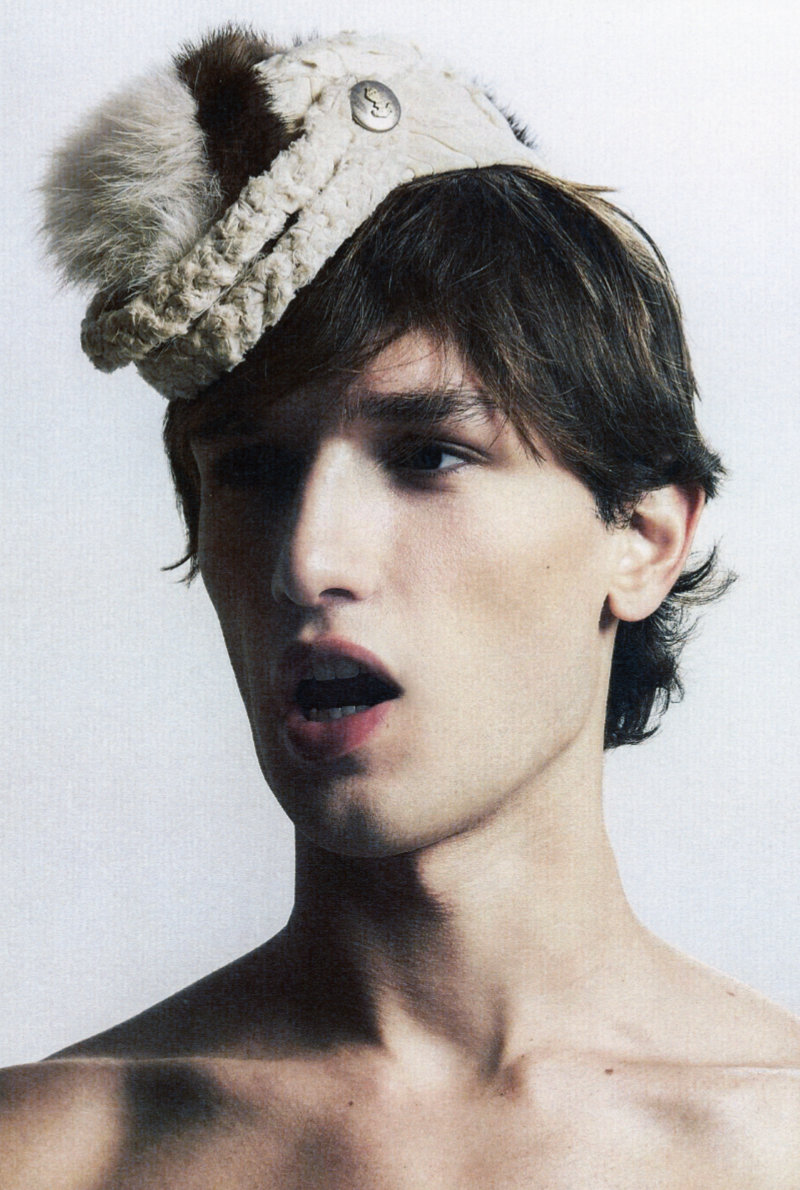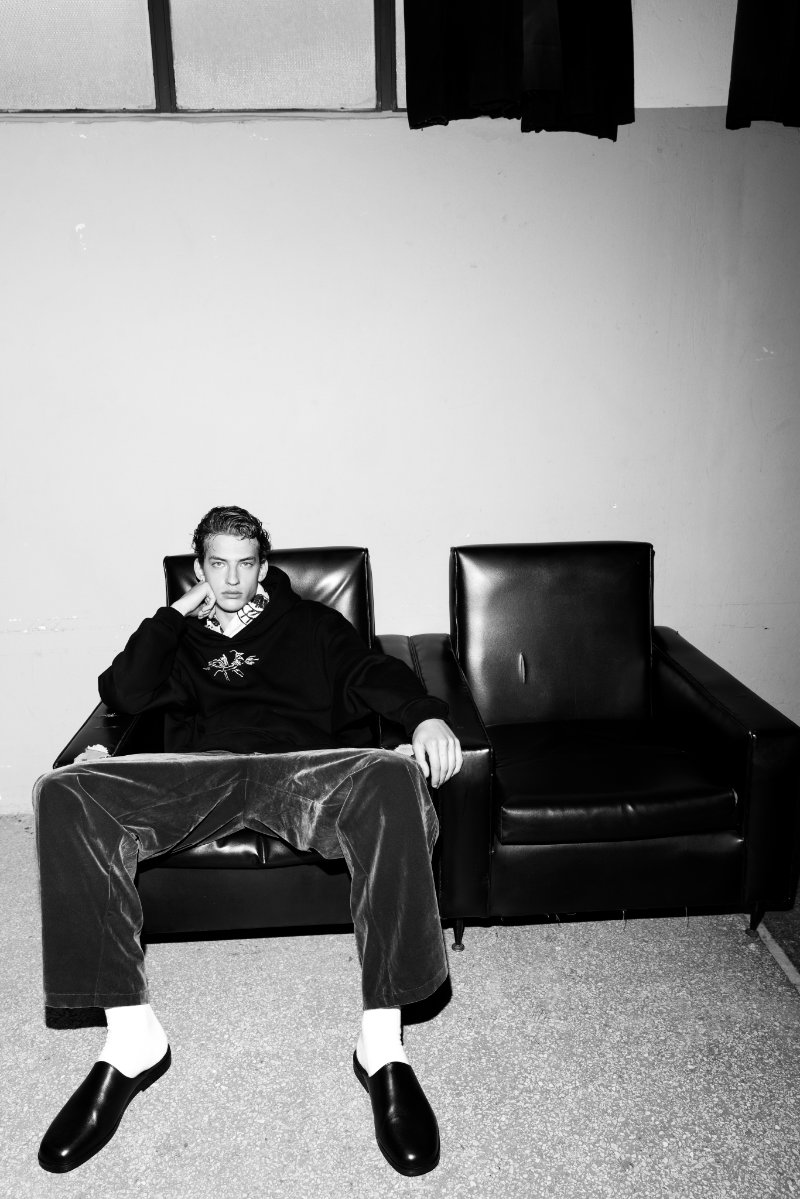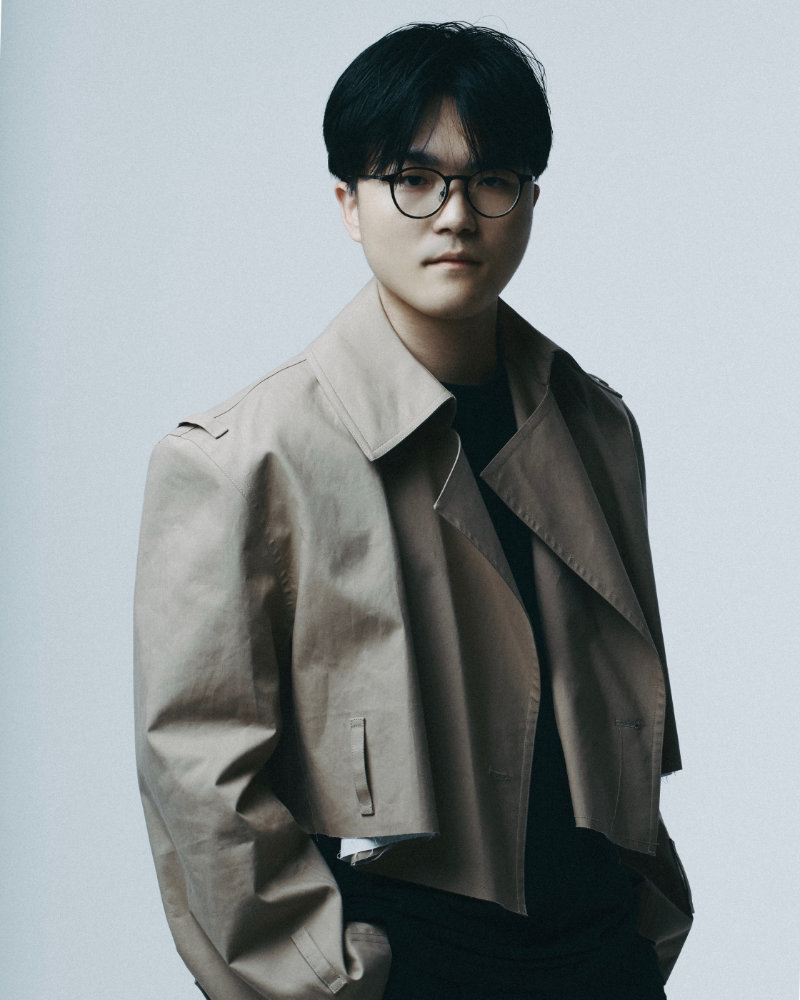
Raised around textile production in China and educated in London, Yuhan Ao is developing a design practice shaped by cultural identity, material experimentation, and the realities of running an independent label. In conversation with FuckingYoung!, he discusses finding his creative language, navigating manufacturing, and protecting his vision as his business grows.
When I first met Yuhan Ao at a café during Paris Fashion Week in October 2025, I was struck by how clearly he articulated his ideas not only about design, but also about the business behind his brand. When I visited his London atelier in August 2026, I wanted to understand the decisions shaping his work.
Raised around a linen textile factory in China, Ao grew up close to the people and processes involved in textile production. His education in London encouraged him to develop an individual creative language, while his upbringing gave him an early understanding of how materials, construction and labour shape a garment.
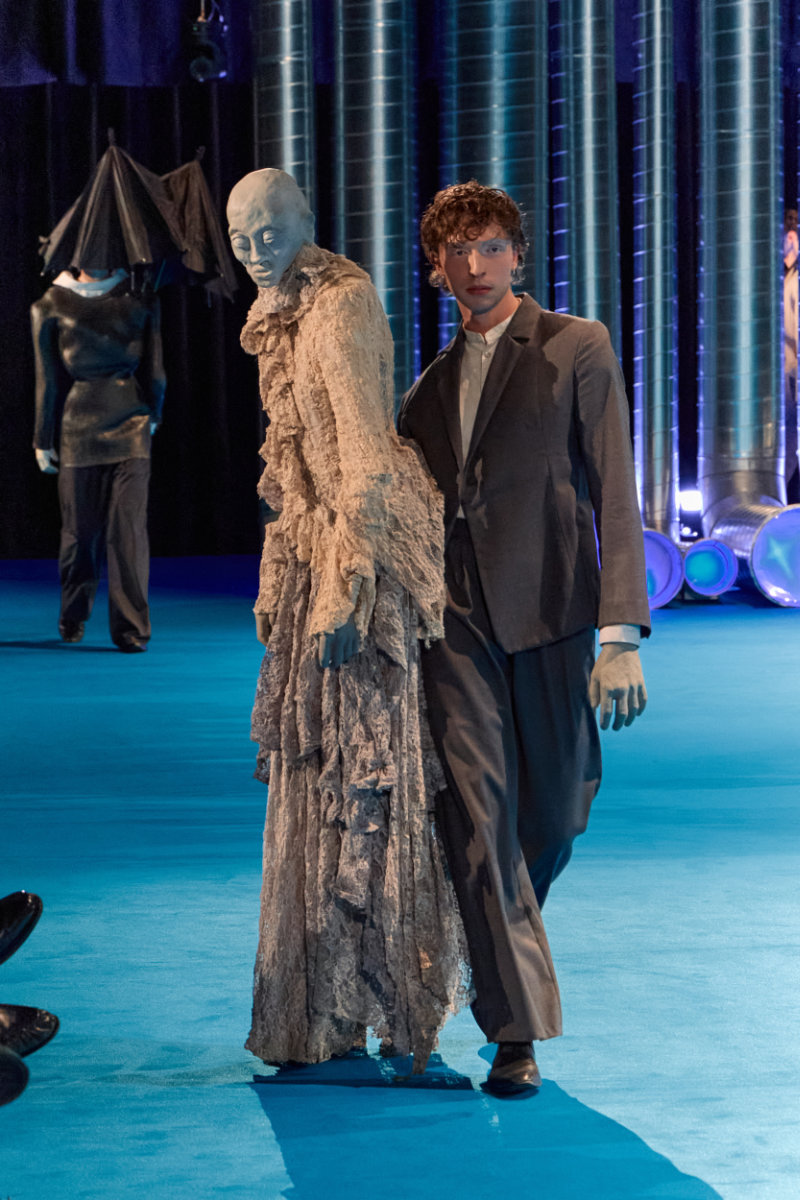
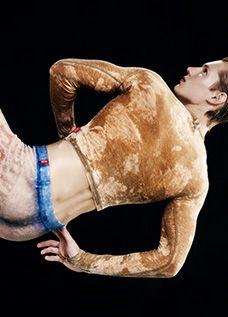
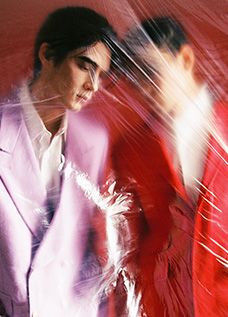
That dual perspective informs YUHAN AO, a brand balancing experimentation with the practical demands of production. His Spring/Summer 2027 collection, NO LONGER GUIDED, explores what happens when materials move beyond their predetermined functions. Yet Ao’s wider concerns extend beyond any single collection: how to establish an original point of view, make considered production decisions and build a sustainable business without losing creative direction.
You grew up around a textile factory in China. How did that environment shape your understanding of fashion?
Growing up around the factory gave me an understanding that clothing is not simply a finished product. Behind every garment, there are people, time, skills, and labour. I became interested in the different stages of making something and how much work goes into creating a piece of clothing. That experience also shaped my interest in bespoke tailoring and the craftsmanship associated with places such as Savile Row.
Your education in London encouraged personal expression, while your upbringing gave you a strong foundation in construction and quality. How do these influences coexist in your work?
Studying in London encouraged me to express myself and develop my own point of view. At the same time, my upbringing means that I cannot separate design from construction and quality. I am interested in experimentation, but I also think about how a garment is made and whether the decisions behind it make sense.
Early in your career, some people compared your work to Maison Margiela. How did that criticism influence your development as a designer?
At the beginning, some people felt that my work was too close to Maison Margiela. That made me think more carefully about where ideas such as deconstruction and exposed construction actually come from.
I looked back at my own experiences, particularly my childhood and what I witnessed around the factory. I realised that my interest in construction was connected to watching people make things. I wanted to understand those origins better and develop my own language.
My Chinese background is naturally part of who I am, but developing a distinct design identity takes time. It continues through experience and the decisions you make.
Your work draws on existing techniques, memories, and references. How do you create something new without losing sight of its origins?
I think it is important to understand what influences you. I often look at the past, different techniques, childhood memories, books, images and films. These become starting points for developing something new.
For me, it is not necessarily about inventing something that has never existed before. It is about finding a different way to look at something and creating new meaning through how you work with it.
You initially produced your garments in London before moving most of your production to carefully selected factories in China. What prompted that transition?
At the beginning, I was concerned that people might have preconceived ideas about products made in China. I wanted to avoid that perception, so I initially paid to produce everything in London. However, the costs were high, and production was not always consistent.
Moving most of the production to carefully selected factories in China improved quality, communication and delivery. It also allowed me to work more closely with manufacturers who understood the materials and standards I wanted to achieve.
I am proud to show what Chinese manufacturing can offer. For me, the important thing is finding the right people and ensuring that the quality meets my expectations.
You have worked with bespoke tailoring, where a garment can take two or three months to complete. How do you translate that approach into ready-to-wear?
Bespoke allows you to spend more time on a garment and explore techniques in greater detail. However, a business cannot operate entirely at that pace.
I develop techniques through bespoke work and consider how certain elements can be translated into ready-to-wear. The challenge is maintaining that attention to detail while finding a production model that makes commercial sense.
Your first graduate collection consisted of 18 looks, with almost every garment being different. What did that experience teach you about commercial viability?
At the beginning, I wanted to explore as many ideas as possible, but I learned that it was difficult to build a coherent product range when every garment was different.
Over time, I understood the importance of developing designs through variations in colour, fabric or detail. You can maintain a clear identity without making every garment entirely new. The challenge is creating a collection that expresses your vision while remaining relevant to the customer.
Craftsmanship is often used to justify luxury pricing. What should customers question when a brand describes a garment as handmade?
Customers should ask questions. Which parts are made by hand? Who makes them? How much time does the process require, and how does that relate to the price?
Something should not be described as handmade simply because it looks that way. There should be a real process behind the claim. Equally, a high price does not automatically guarantee quality. For me, honesty about how something is produced is essential.
As creative director, you are responsible for more than design. How do you protect your creative vision while running a business?
Being a creative director involves the design, visual direction, company, publicity and how the brand presents itself to the public. One challenge is ensuring that I still have enough time to design and think. I do not want those responsibilities to take me too far away from the creative work itself.
Commercial questions have also helped me identify which ideas are essential and which can be edited. Sometimes, less is more. You learn what needs to remain for a collection to feel like your work and what can be simplified.
Your SS27 collection, NO LONGER GUIDED, takes inspiration from Arthur Rimbaud’s The Drunken Boat. What drew you to the idea of breaking away from established functions?
I was interested in the idea of a vessel breaking free from the forces that have guided it. The vessel itself does not fundamentally change; what changes is its relationship with the world.
I began thinking about how materials are also guided by the functions and meanings assigned to them. We associate certain materials with particular uses, environments, or social identities. I wanted to explore what might happen when a material is released from those predetermined functions and allowed to lead the design process.
How did this idea shape the collection’s ramie-and-mohair textile?
For me, material autonomy means respecting a material’s own character while exploring what it can become. The ramie we worked with is very stiff on its own, which makes it difficult to wear comfortably. Combining it with mohair allowed us to retain the resilience of the ramie alongside the softness of the mohair. Together, they create a beautiful silhouette when worn and a distinctive texture. I like that two materials from such different worlds can come together in this way.
The traditional weaving method also produces a very narrow fabric width, so we had to design and construct the garments around that existing width. In SS27, the material and the way it was made helped determine the form of the clothes.
For SS27, you opened the backstage to the audience, revealing the preparations and people behind the presentation. What did you hope this would bring to the experience?
My most immediate intention was to invite the audience into the process and bring them closer to fashion. I wanted them to see the preparations and the people whose work makes the presentation possible, alongside the finished looks. In that sense, it does connect the final image with the work behind it, although my starting point was simply participation and openness. I hoped the audience would leave feeling more connected to the clothes and the people behind them.
As YUHAN AO grows, what does success mean to you, and what do you most want to protect?
One of the things I worry about is losing the creative direction and visual identity of the brand as the business grows. I want to remain involved in the thinking behind the garments and the reasons why we make them.
For me, one of the most rewarding things is seeing people I do not know wearing YUHAN AO. It is different from seeing a garment on a runway. When someone chooses to wear your work in their own life, the clothes have become part of their world.
I want the brand to continue growing while remaining connected to the ideas that brought it into existence in the first place.
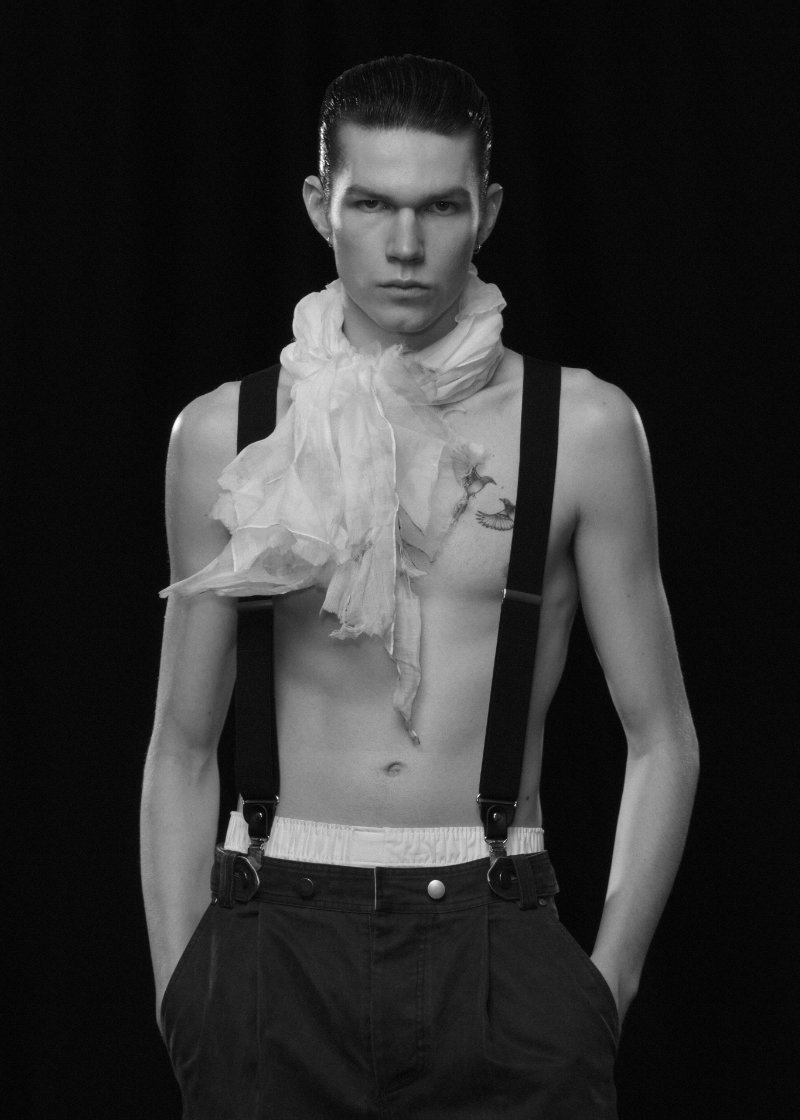
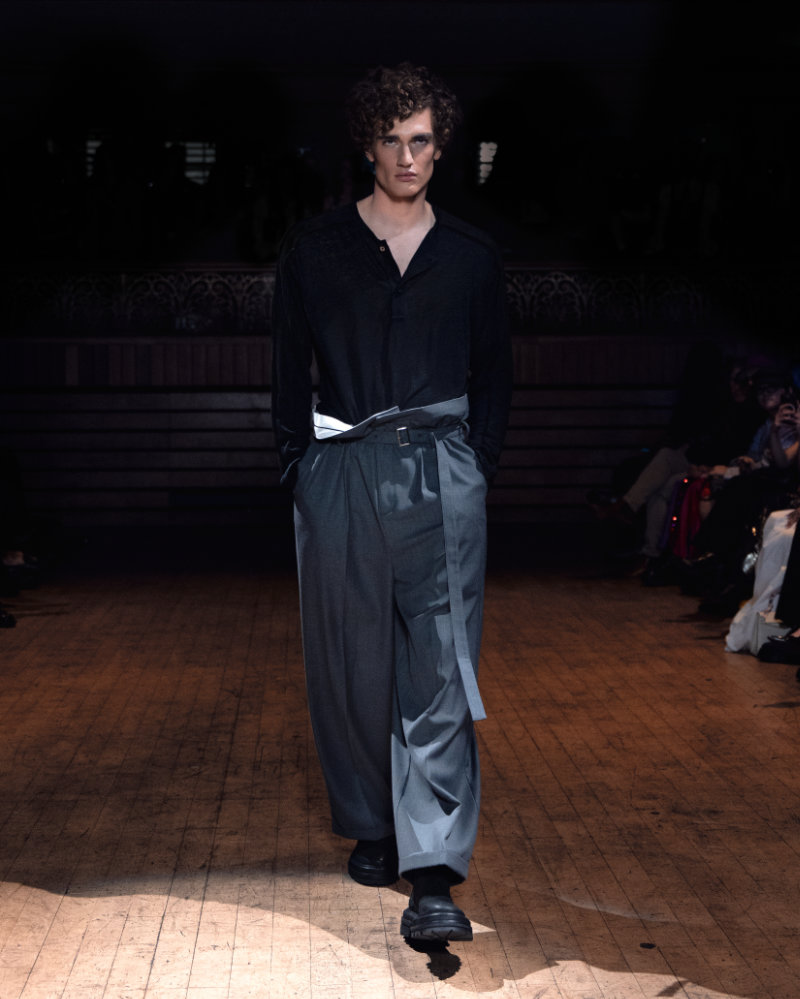
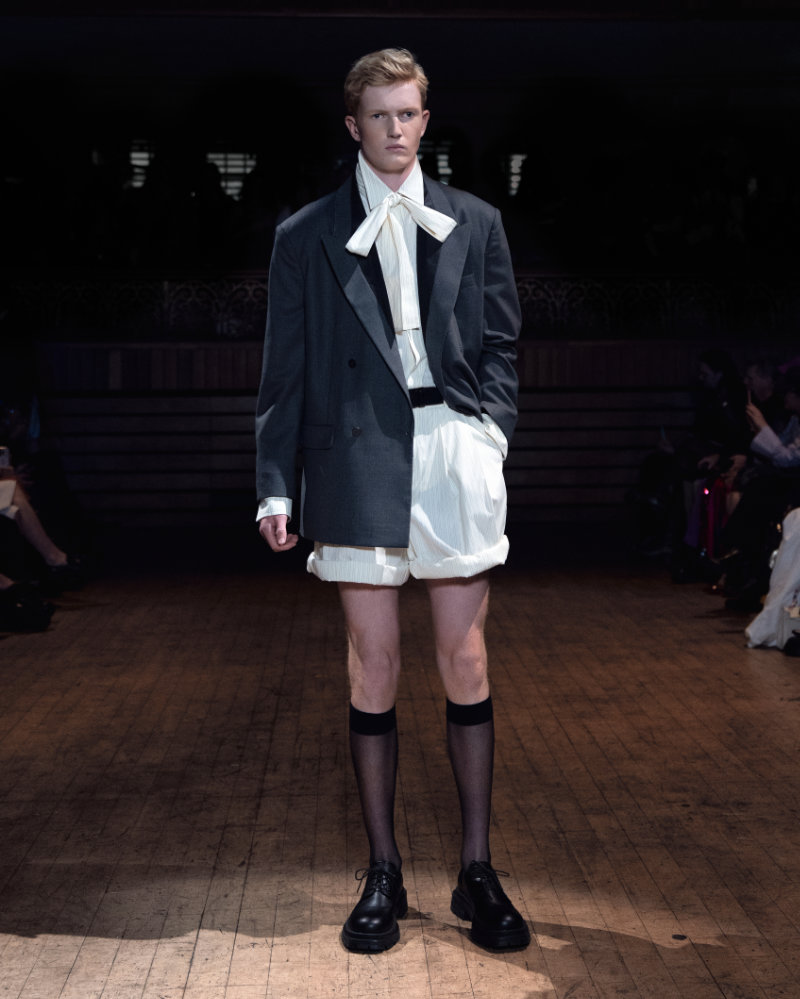
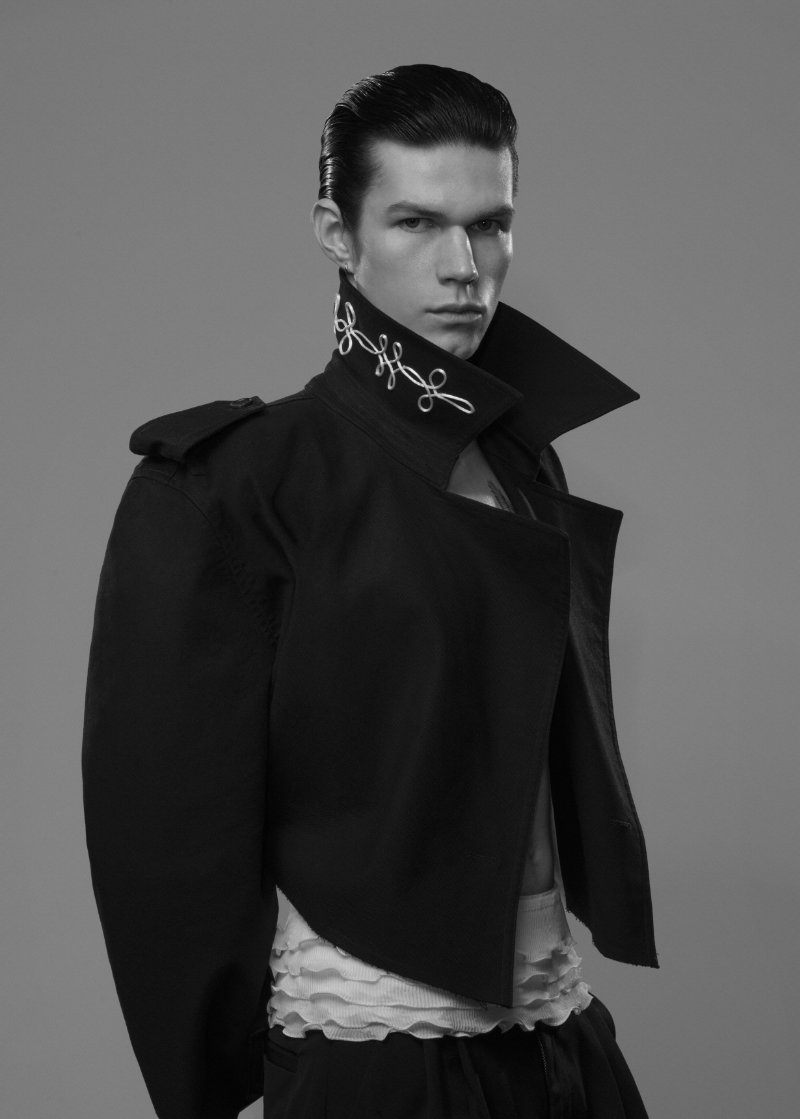
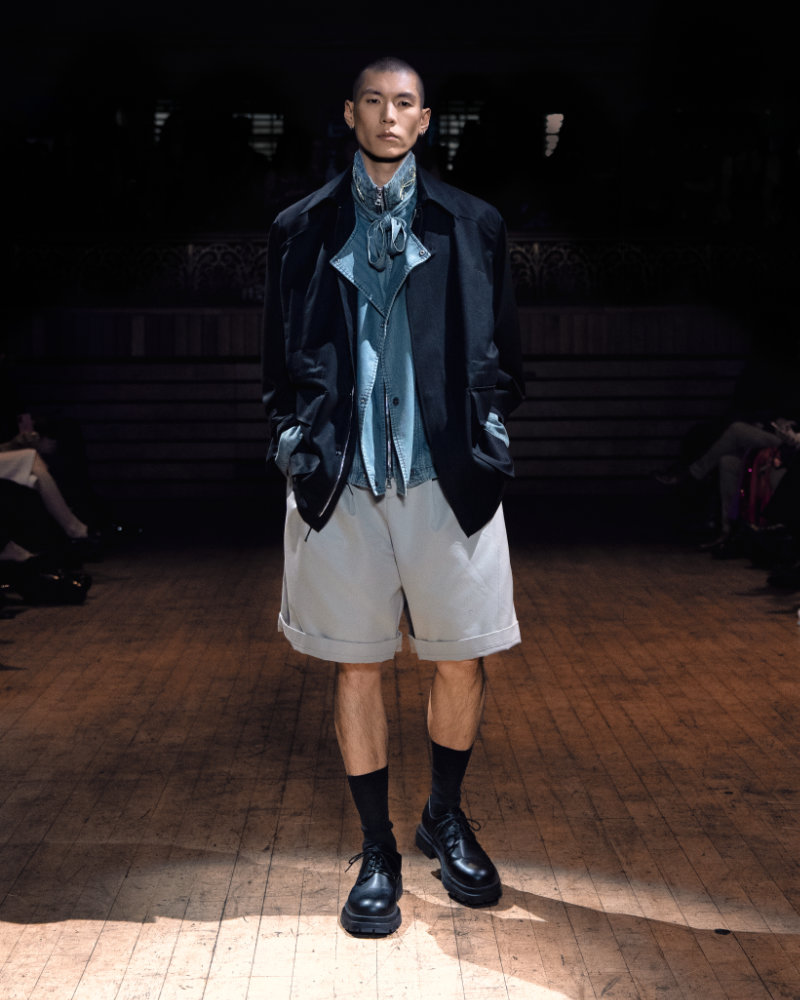
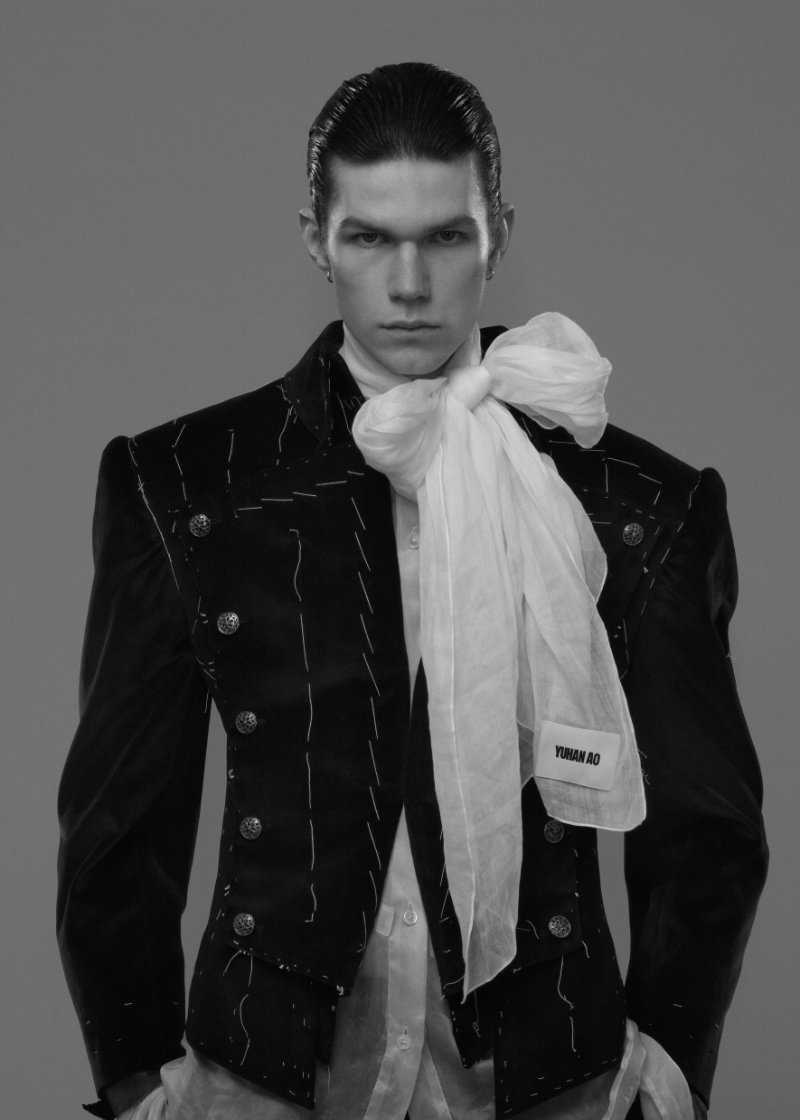
For Ao, independence is not simply the freedom to create; it is the responsibility to make decisions that allow a creative vision to endure. His experience of manufacturing has challenged assumptions about where quality comes from, while the development of his own design language has required him to distinguish personal influences from imitation.
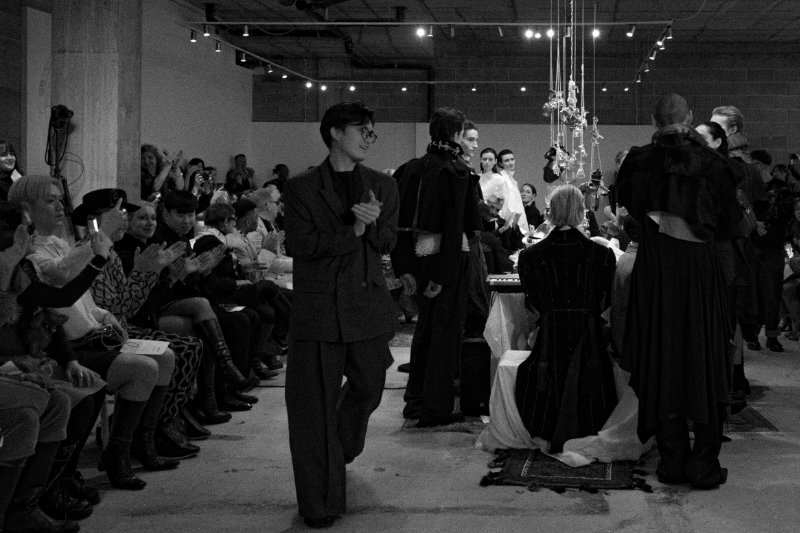
NO LONGER GUIDED brings these questions into focus through material experimentation, but the underlying challenge extends beyond the collection: building a business that can evolve without losing its identity. For Ao, progress means growing on his own terms while staying connected to the thinking behind the clothes.