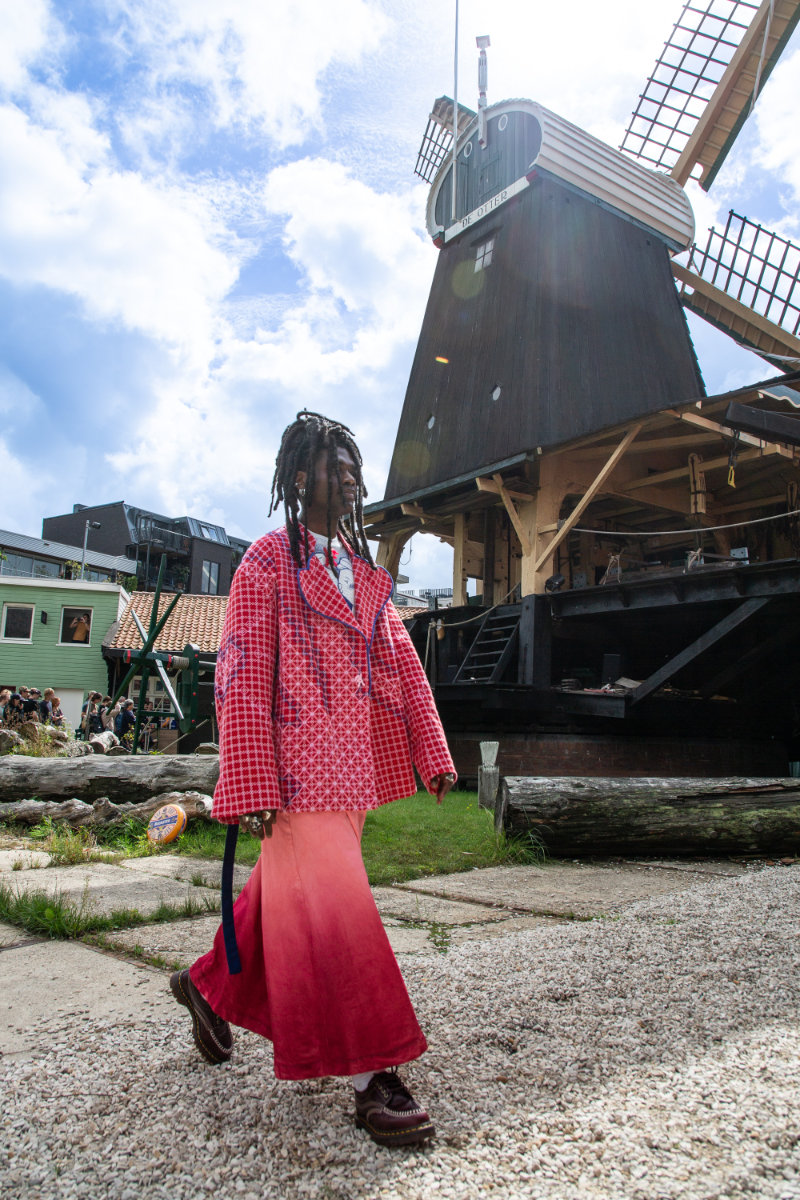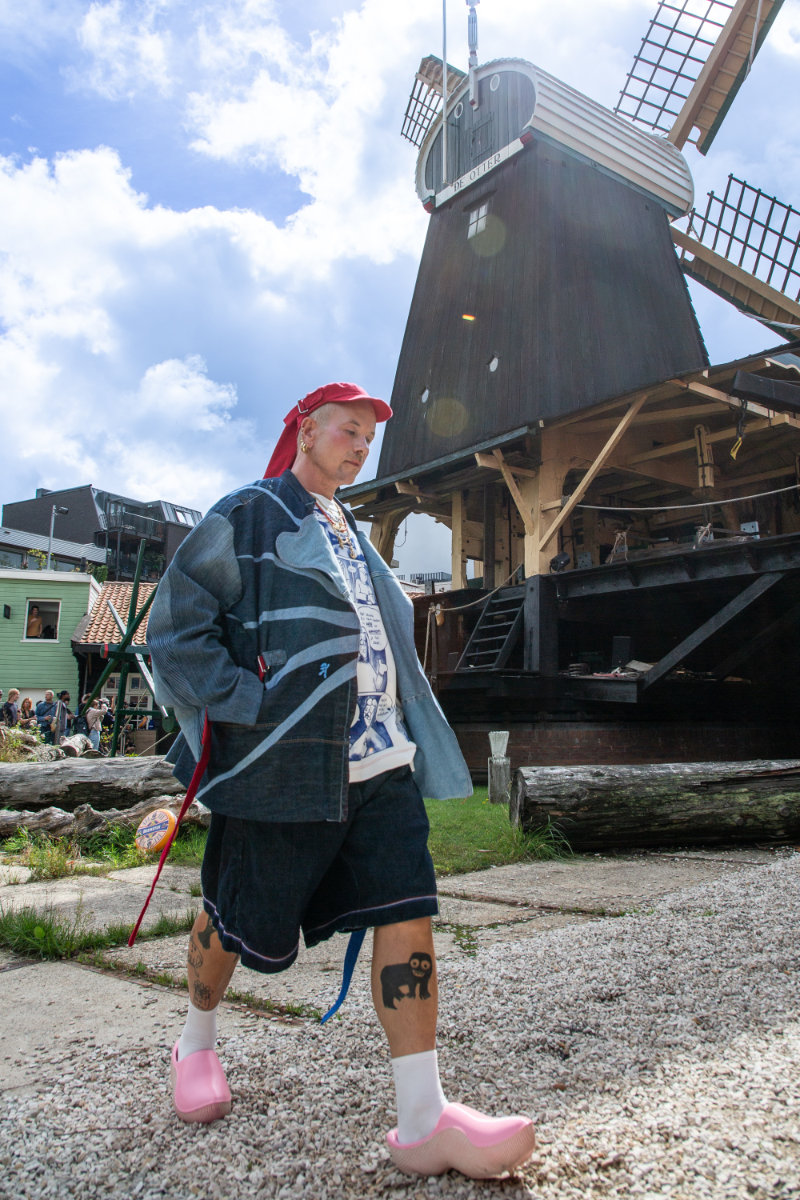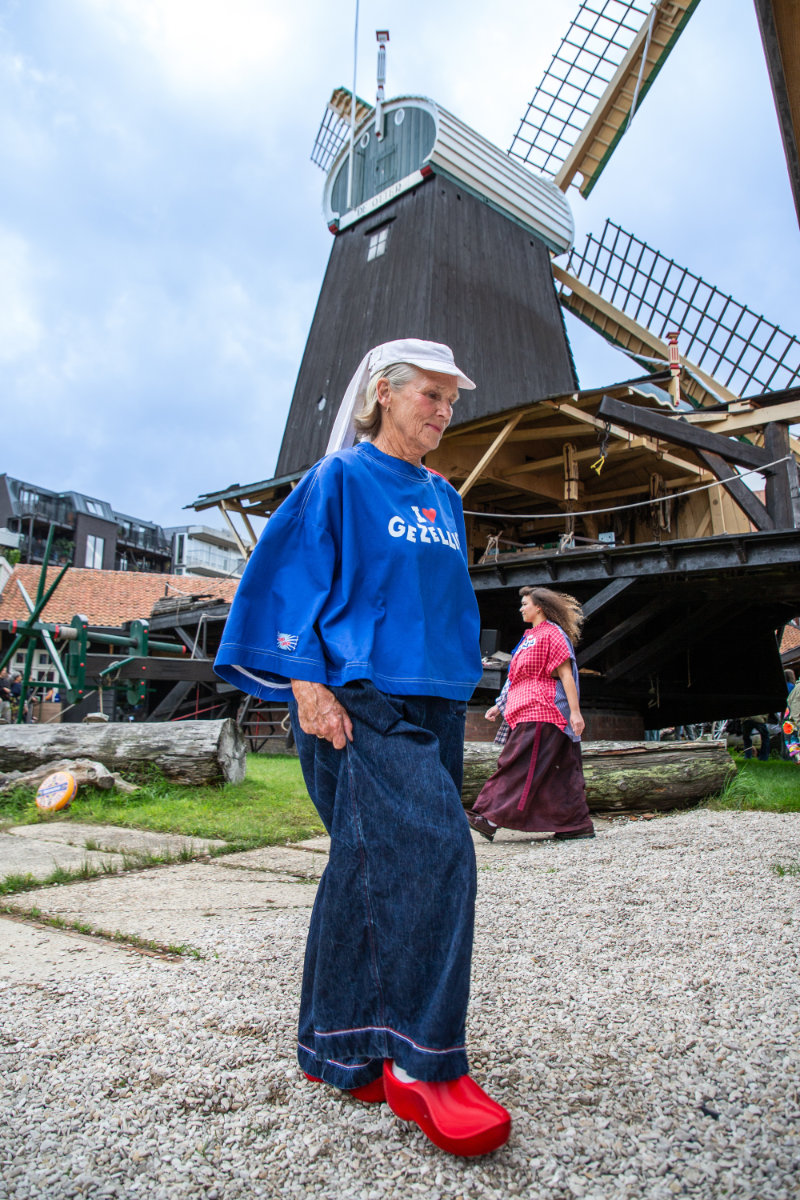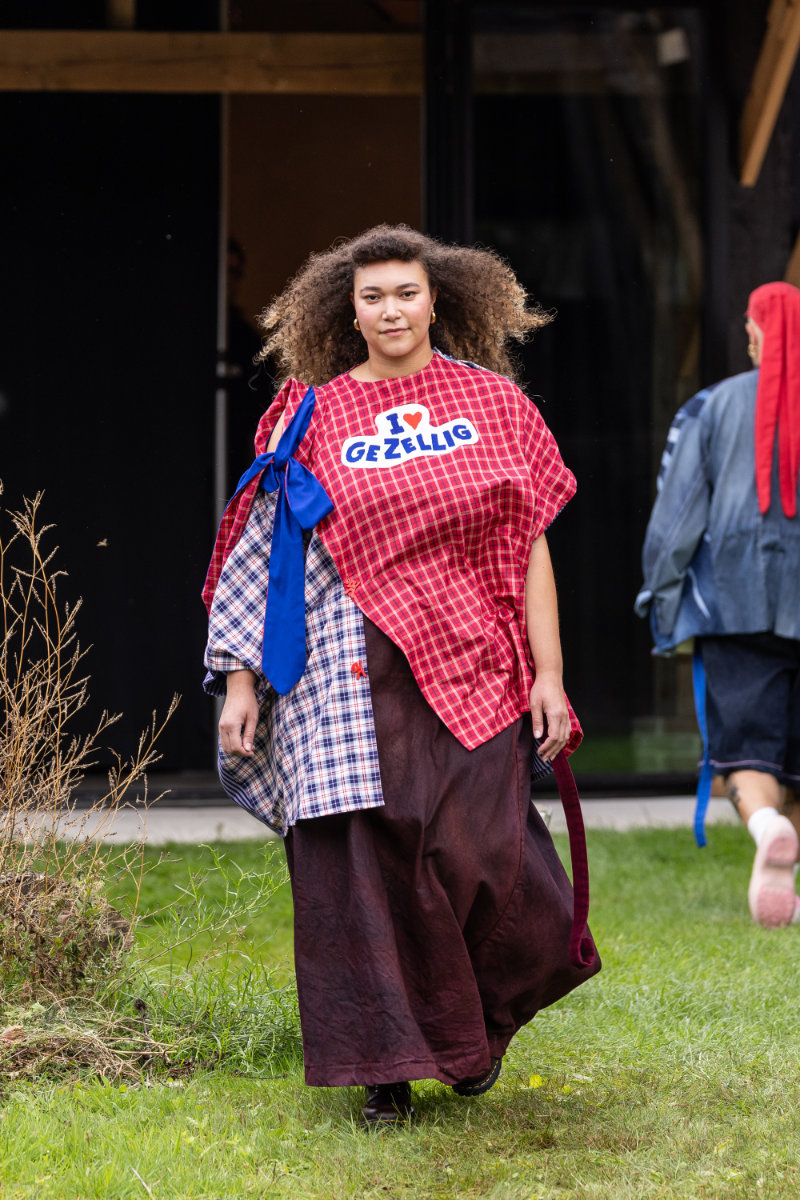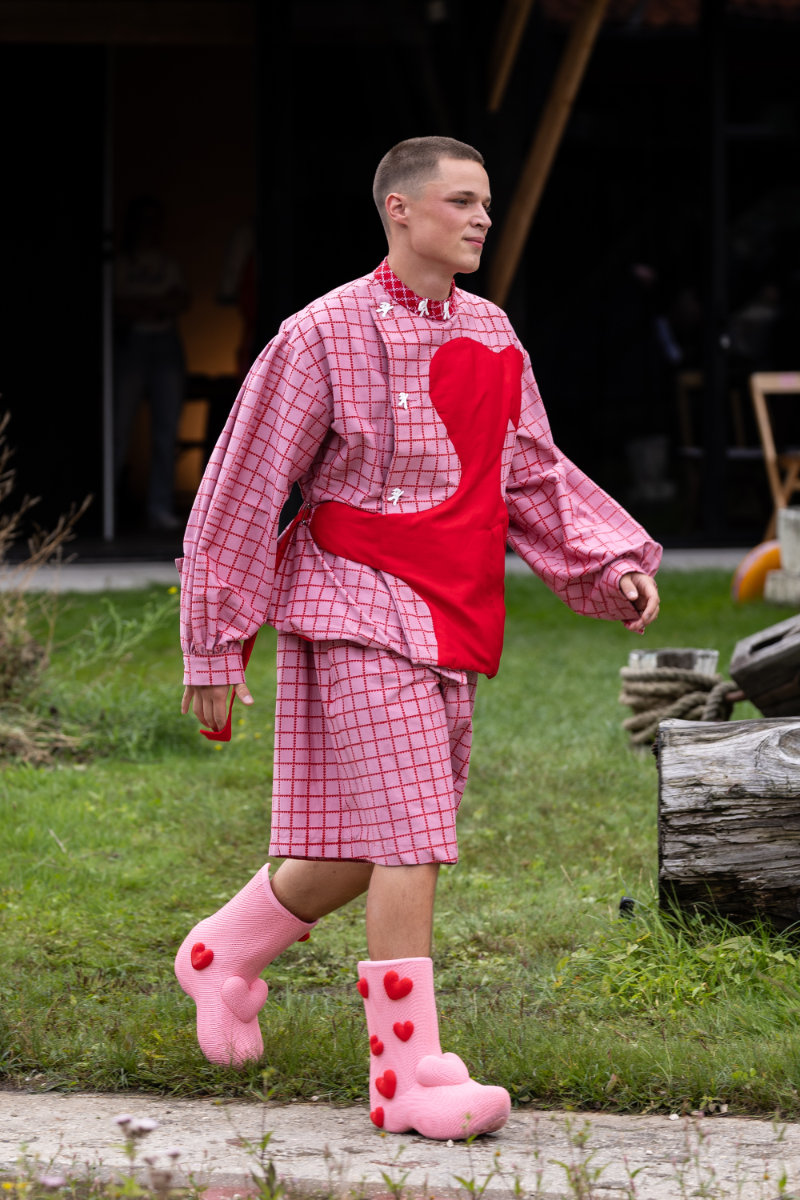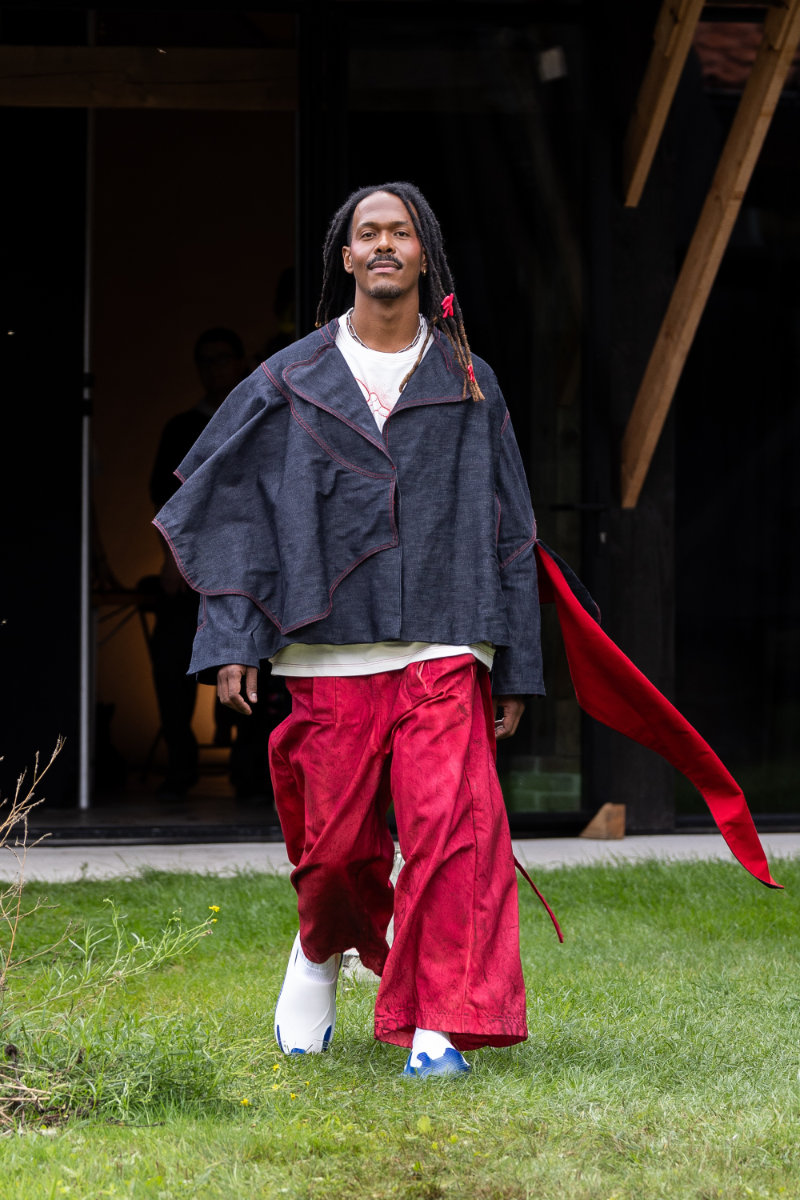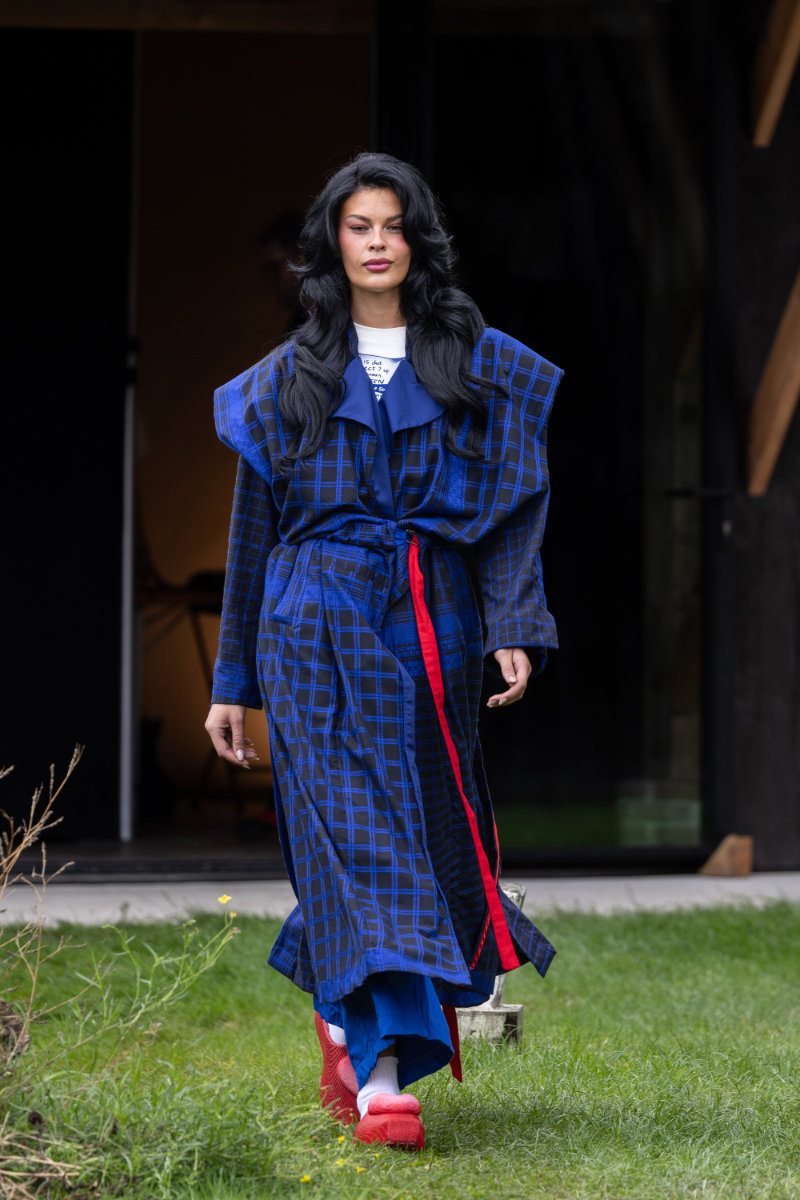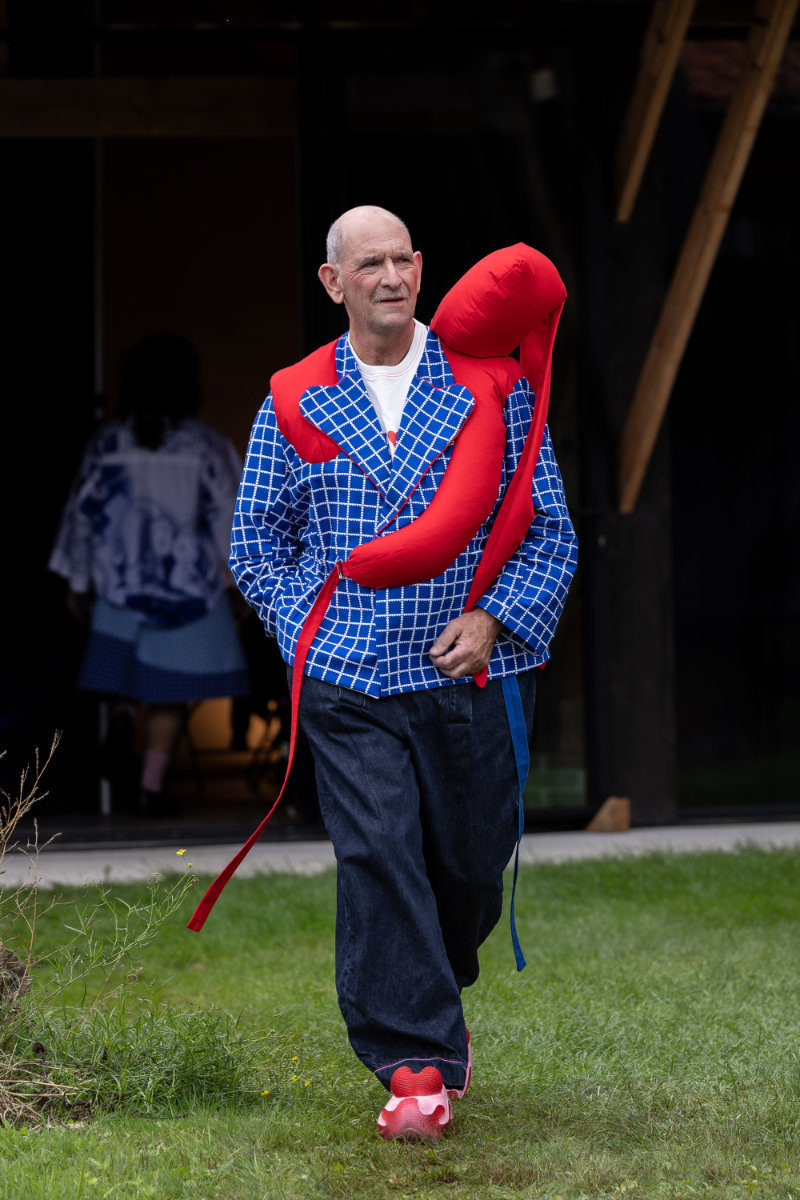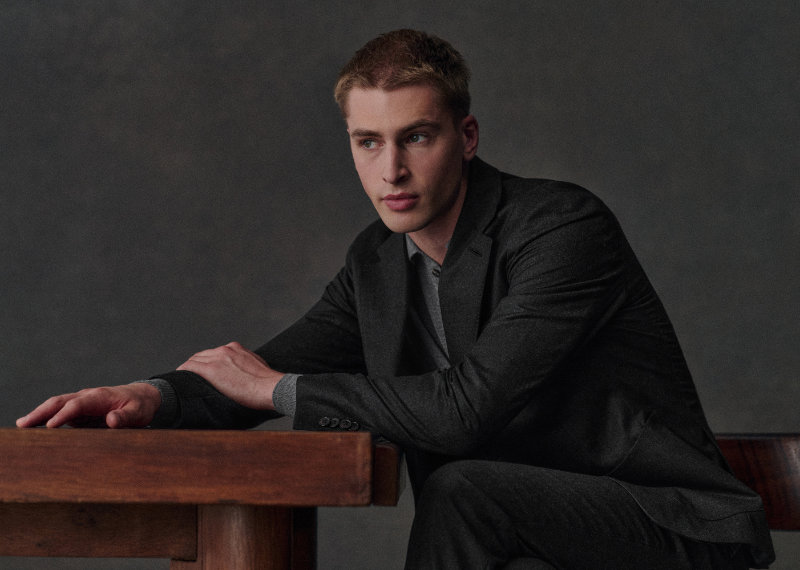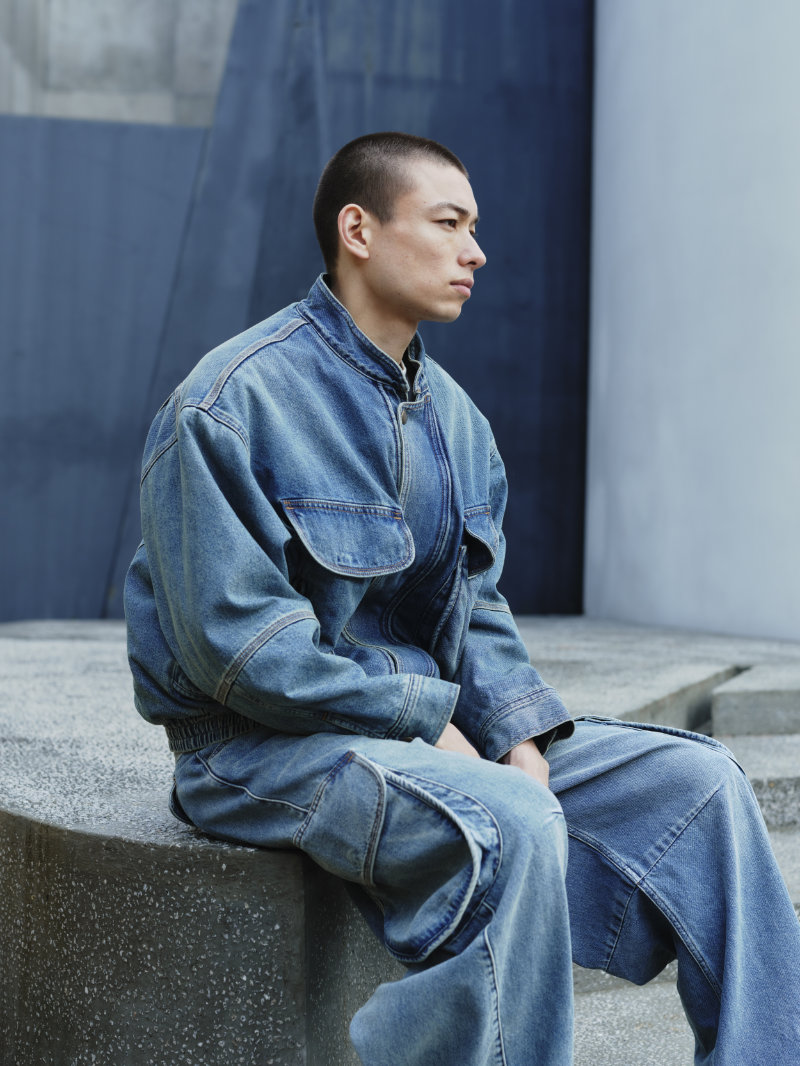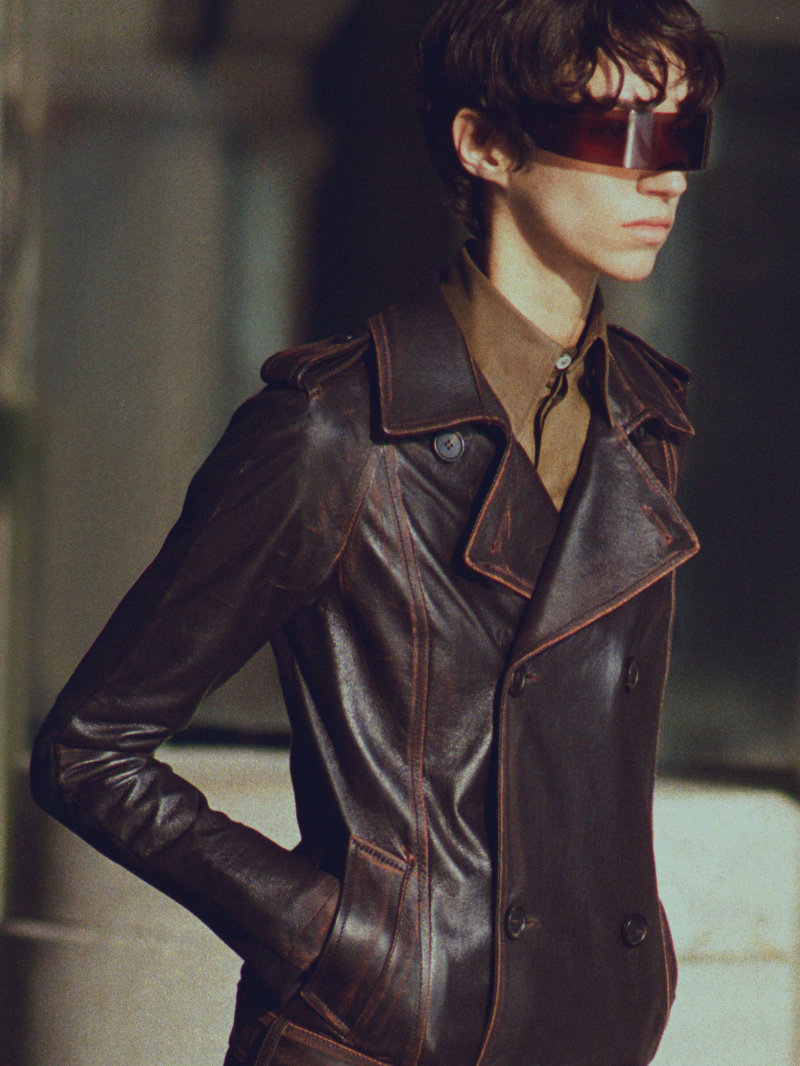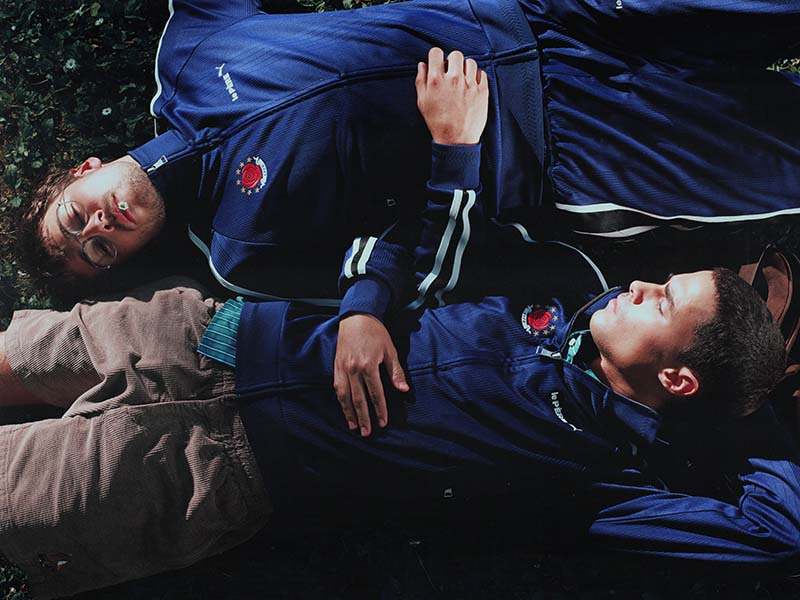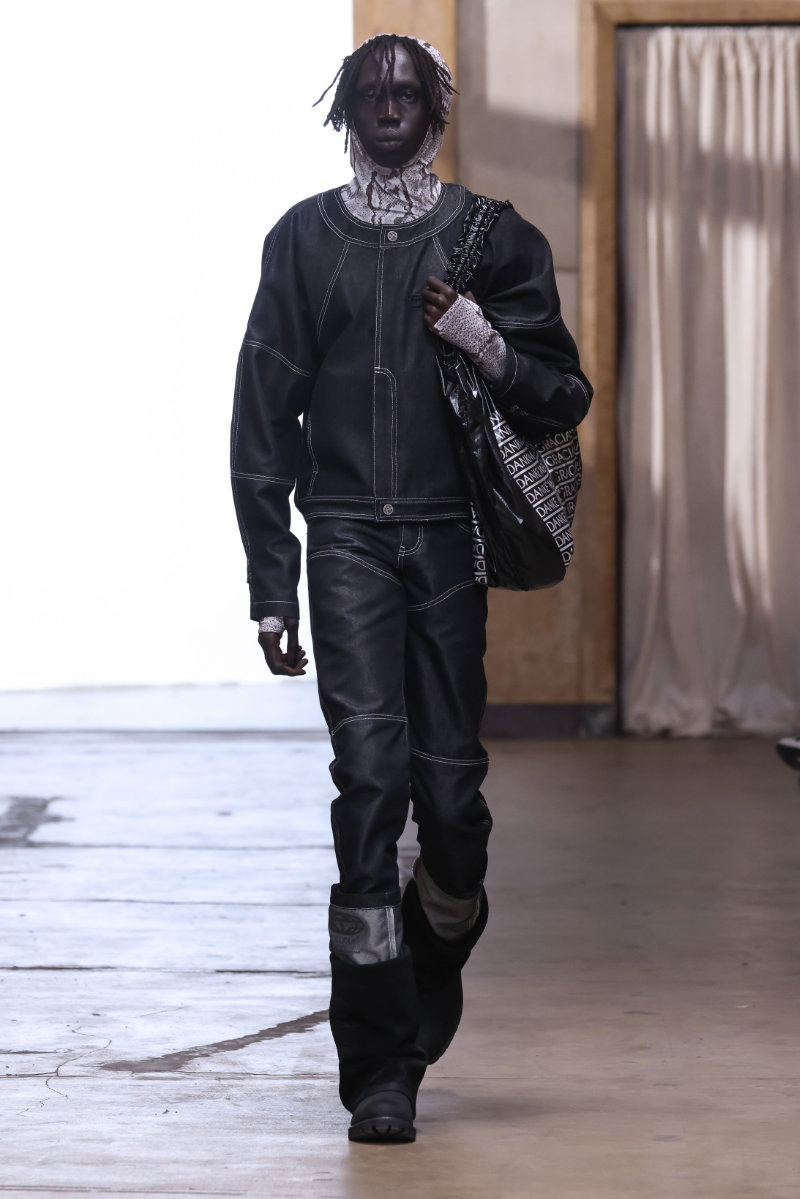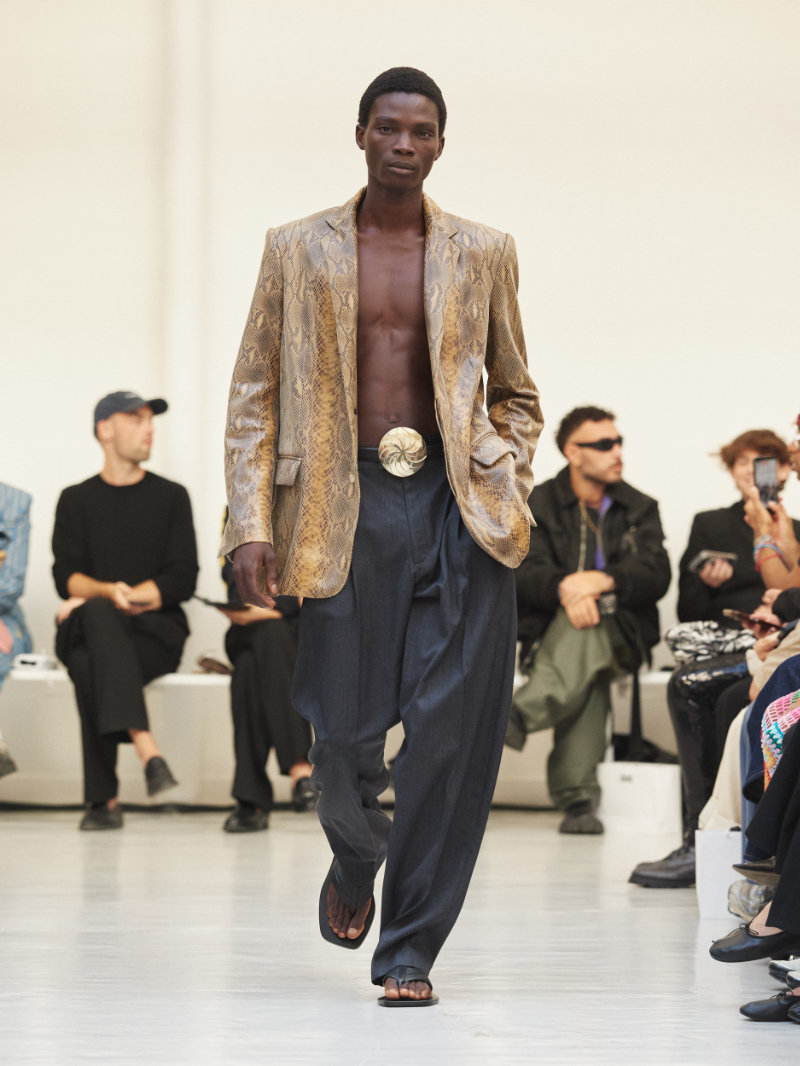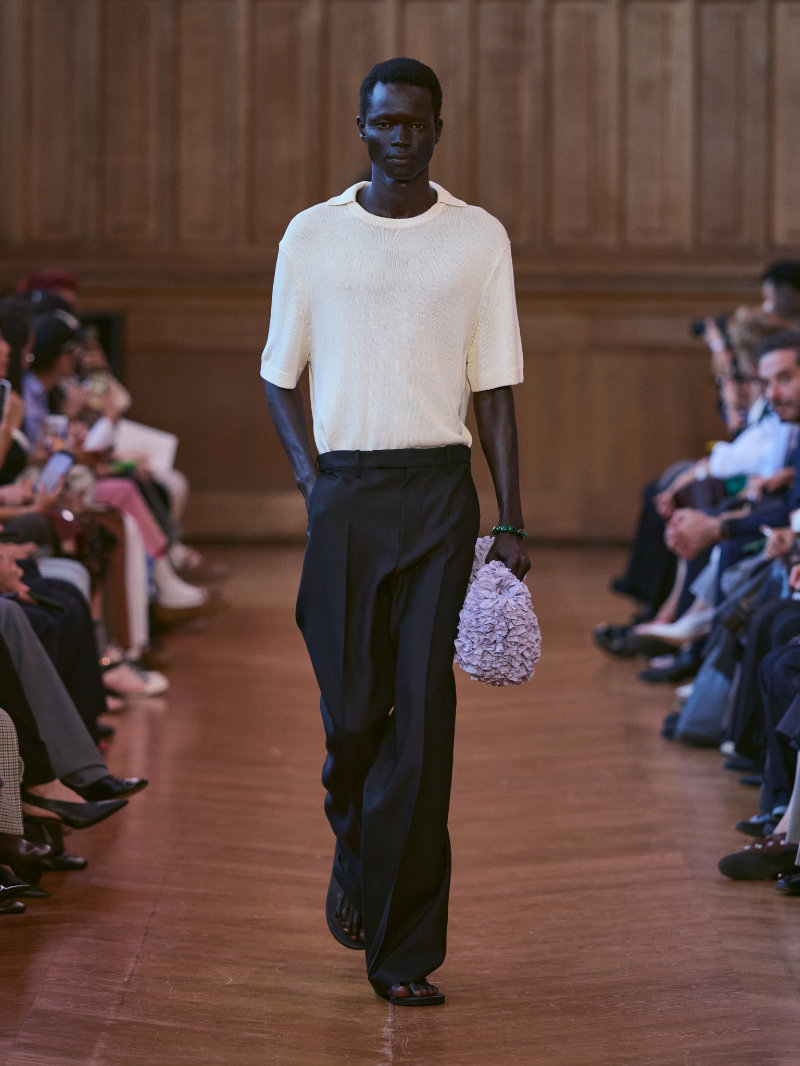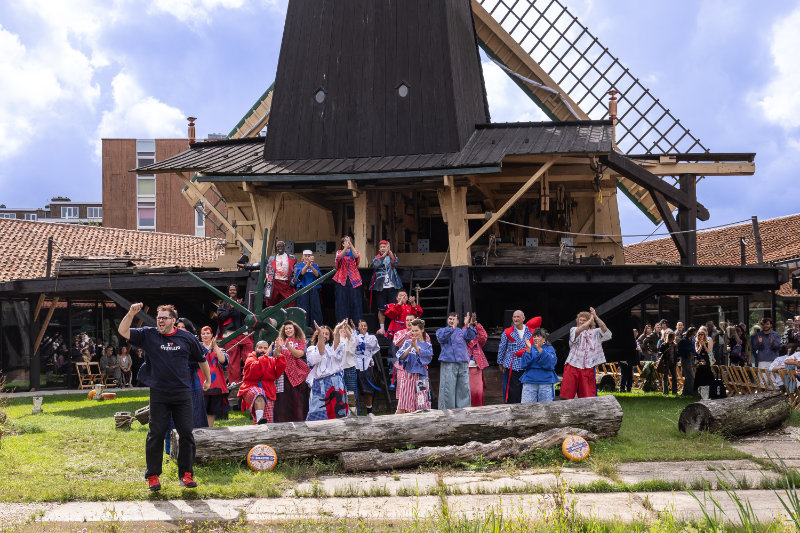
In 2026, how can we make fashion more fun, open-minded, and inclusive? These are some of the questions on Ruben Jurriën‘s mind, and the show he presented during the last edition of Amsterdam Fashion Week was one of the best. Ever since winning the prestigious Lichting competition in 2022 -and participating in the FASHIONCLASH Festival that same year- Jurriën’s community has grown, and the clothes keep getting stronger. We sat with the talented Amsterdam-based designer to discuss the inspiration behind his latest collection, promoting tolerance through clothing, and why fashion still has such a problem with larger bodies.
How do you feel a few days after the show?
I feel so proud, full of love and excitement. I’m also glad people really felt the happy vibe of the show, which was so important to me this time.
When I saw you backstage, you mentioned the word ‘gezellig’, which defines the mood of the collection, but cannot be translated into English. What kind of spirit does this word encapsulate for you?
‘Gezellig’ is mainly about joy, comfort, and a certain coziness, perhaps. It means togetherness, too, and supporting each other no matter what. When I see the rise of extreme right movements, I do get worried. The Netherlands was the very first country to legalize same sex marriage, and it happened 25 years ago already. Dutch culture used to be so progressive and tolerant. Now there’s a backlash, and it feels much more conservative and regressive than ever before.
You used folk and old craft elements in the collection. What was your take on it?
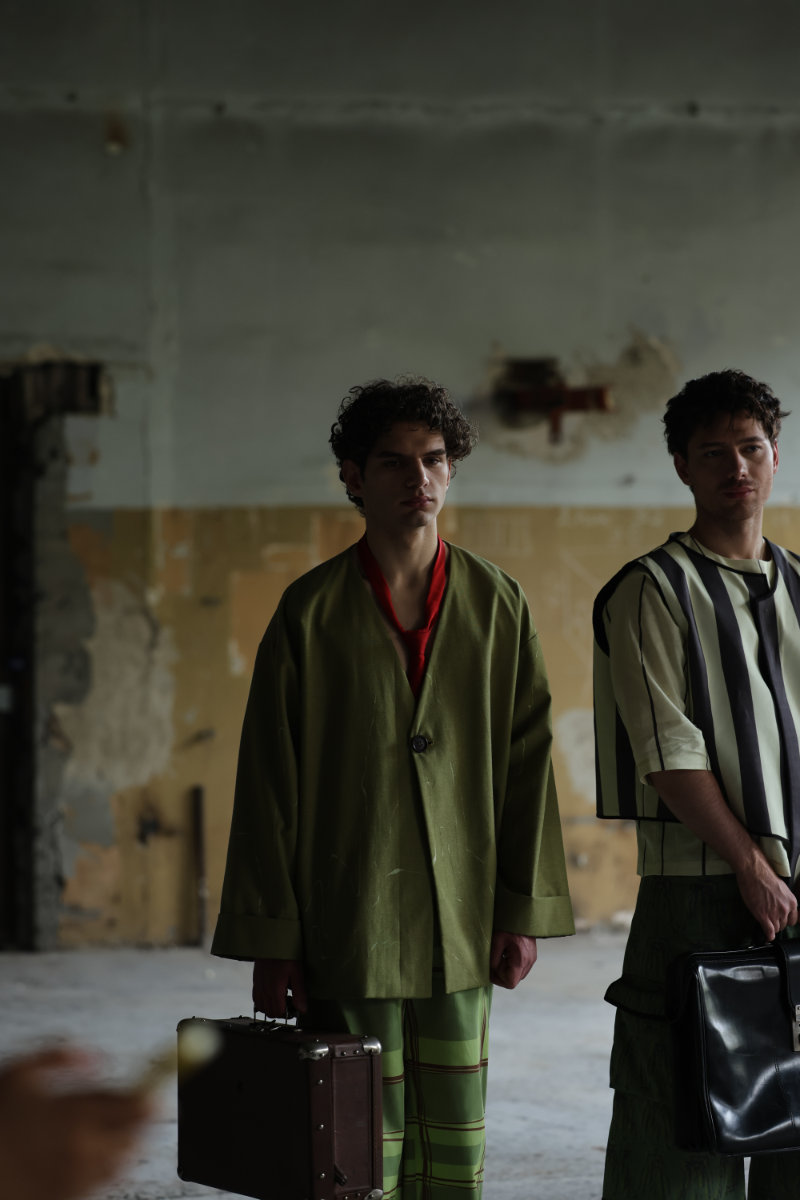
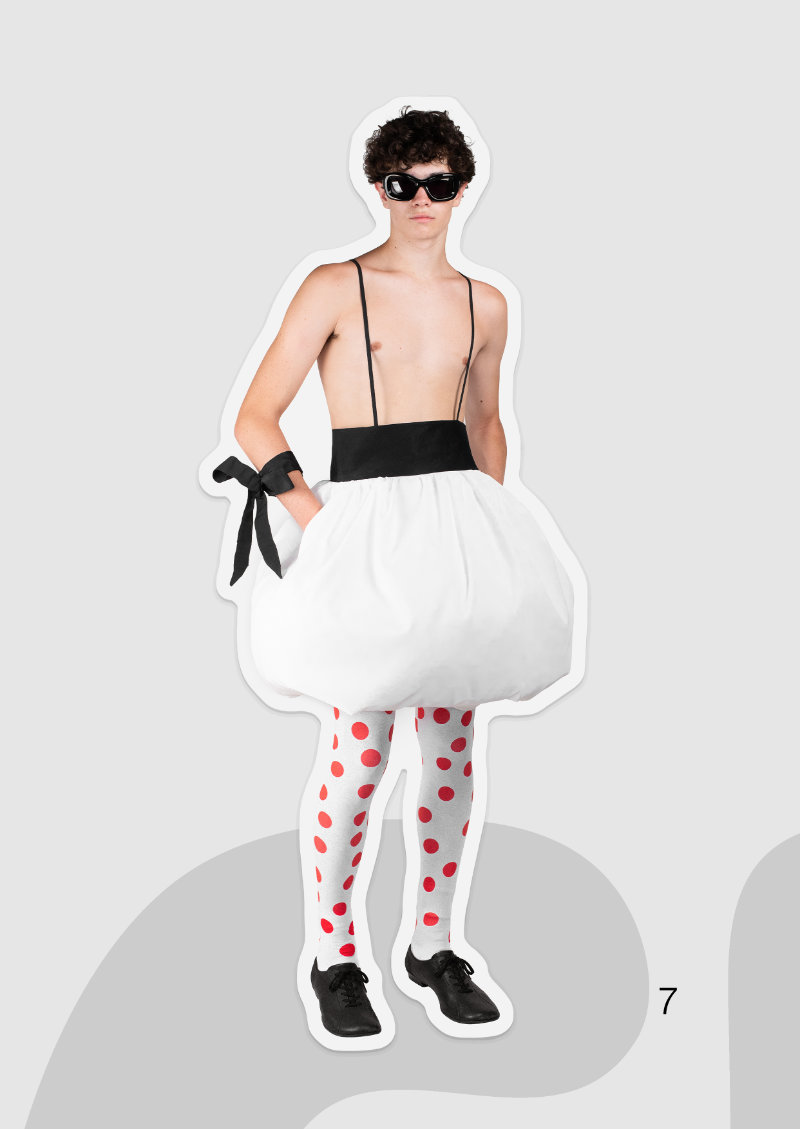
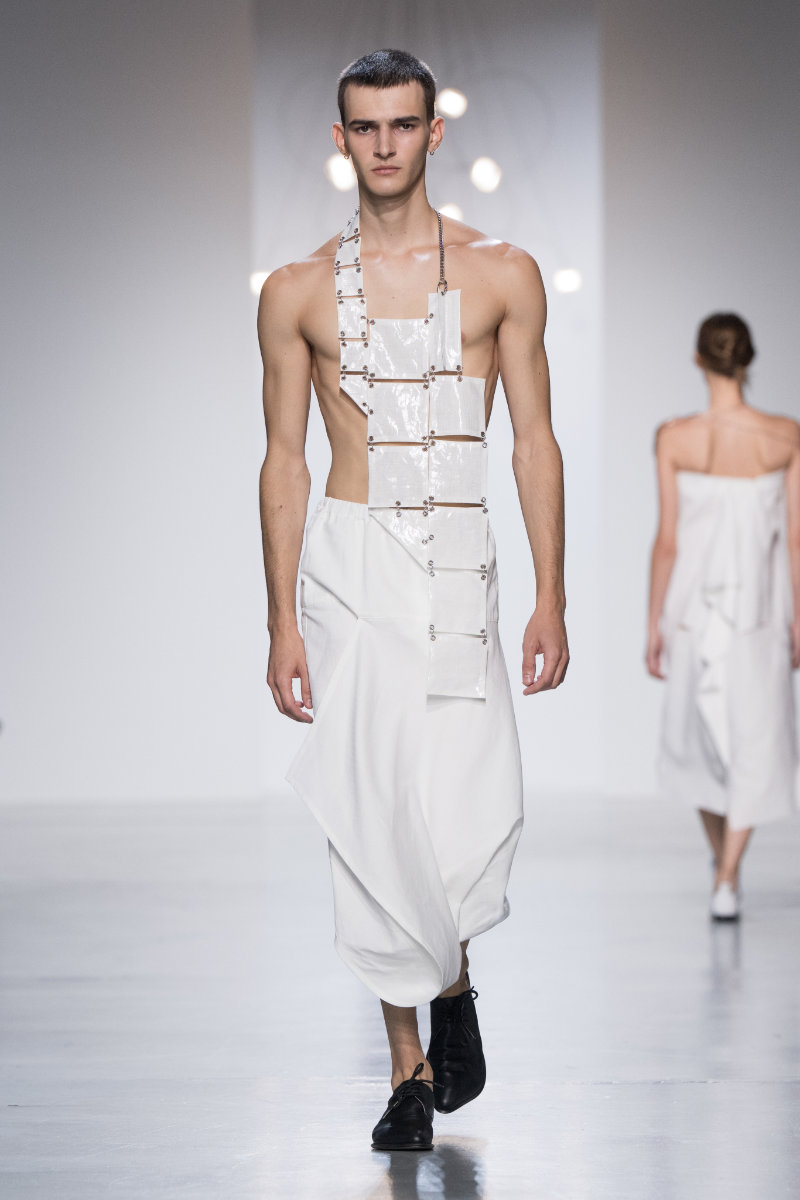
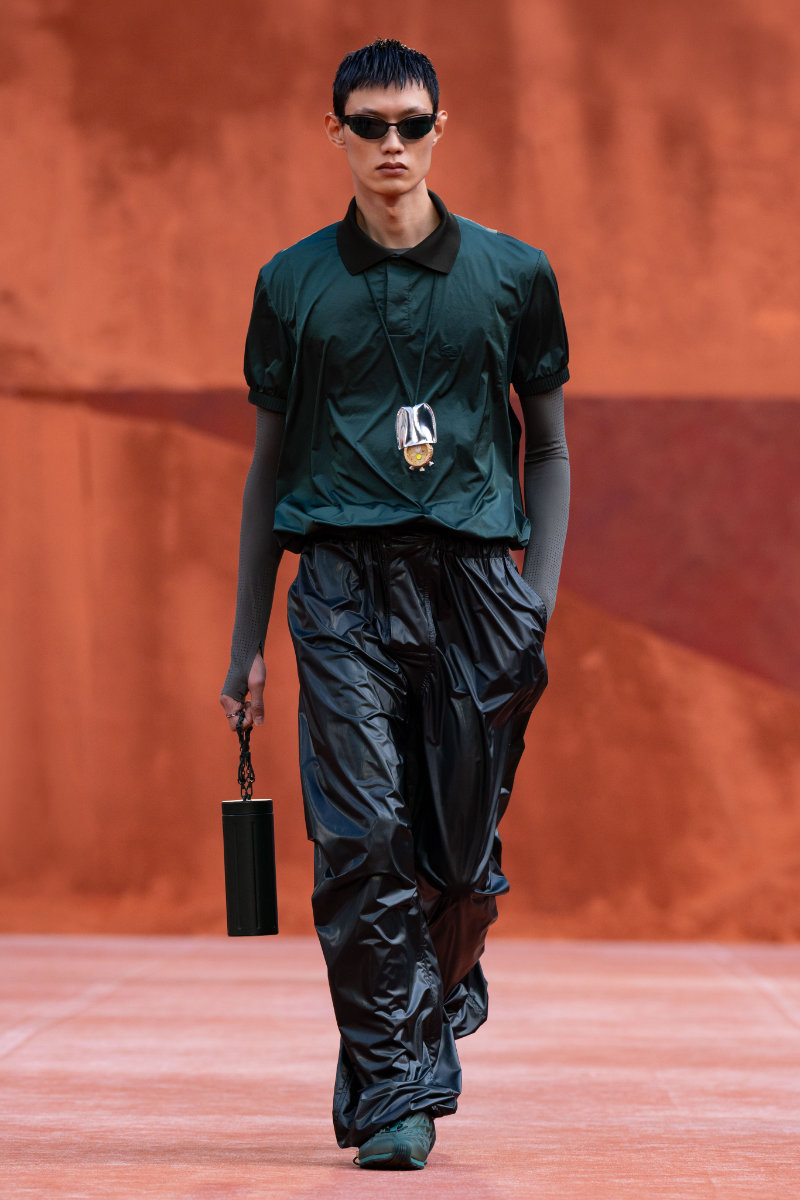
I thought twice before going there, because I didn’t want the clothes to be read as nationalistic in any way. I combined Dutch elements and folklore motifs with my own way of cutting and approach toward sizing. I don’t size my clothes in a traditional way, because I want all bodies to be able to wear them, so I developed this idea of transformable garments even further, using mostly ties and fastenings to allow you to adapt them to your own body shape. For instance, I reworked the traditional Dutch flap pocket to make it work on a pair of jeans. It’s all about taking those techniques and pushing them forward. I sourced some antique textiles from various markets as well, and decided to incorporate them. I love the idea of something so old finding a new lease of life.
You didn’t go for orange -which was smart- but the color palette this time was mostly blue, red and white. Can you tell us why?
I always gravitate toward those tones and have a soft spot for pink as well. I guess they’re all strong colors and we tend to encounter them early in childhood, too. There’s something about them that feels innocent and perhaps child-like in the best way possible.
I love blue, white and red together. They’re colors of the French flag, actually.
I re-appropriated the flag from extremists and reclaimed it for myself. As a gay man, I am proud to be Dutch and even happier to be living in Amsterdam.
Your casting was amazing and refreshingly non-skinny. Can you tell us more about the people you choose as your models?
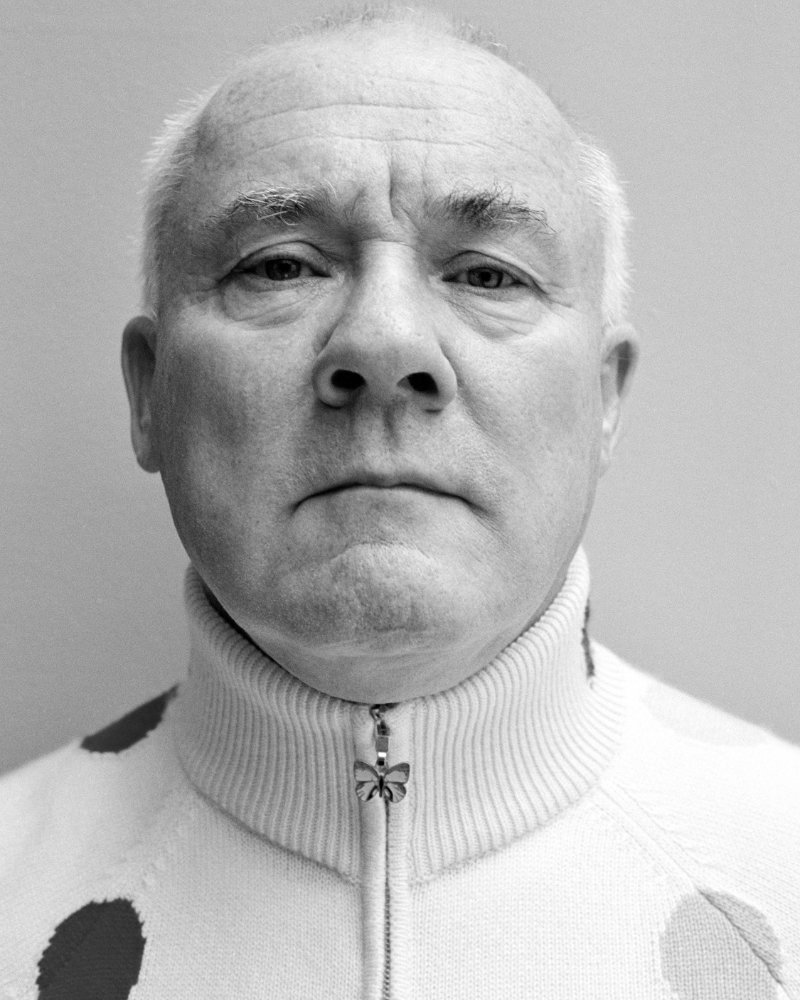
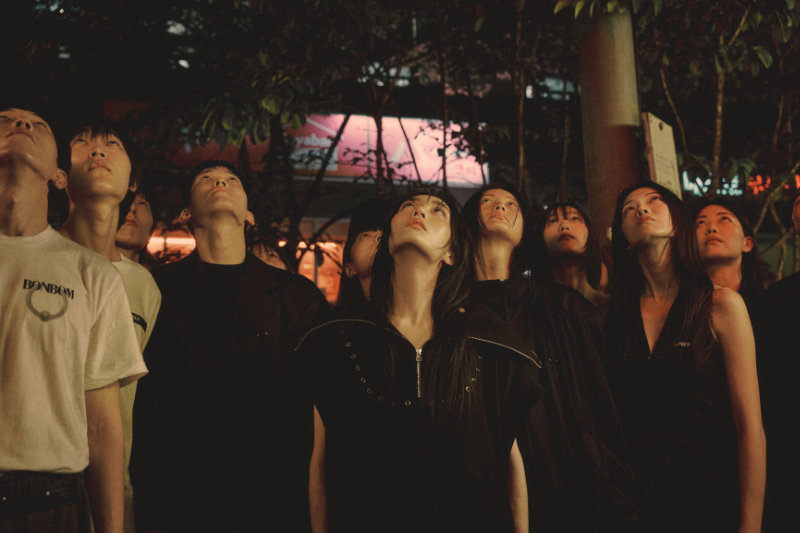
I have quite personal relationships with my models and absolutely love them. My father closed the show, actually, and he’s always very supportive of what I do. In fact, he was already featured in my graduation show and has become one of my muses. My father showed me that you could be masculine without acting like a bully. My casting includes artists, designers and key figures from the queer scene in Amsterdam. All sizes and backgrounds are welcome. The most important thing is that everyone has a great time doing it.
I also spotted iconic designer Bas Kosters in your show. What’s your relationship to him?
Bas is an incredible coach and ongoing source of inspiration for me. His creative input for the collection has been precious. When he saw the clothes, he asked me if he could walk the show and of course I said yes. We also had a refugee who was going to walk our show, but I found out last-minute that his residence wasn’t extended and that he had to leave the Netherlands. That was really sad for us, because he had been so creatively involved. He was in Amsterdam for 6 months only, had done his best to integrate, and in the end this is how he got treated by the authorities? I think it made the whole message of the collection even more relevant.
Absolutely, and I’m so sorry to hear this. Another thing you’re challenging is the supremacy of thin bodies within the industry. Can you explain why this matters to you?
When I won the Lichting contest in 2022, being inclusive was a hot topic and everyone in the industry kept talking about it. 4 years down the line, nobody cares anymore and you see skinnier models back on the runway. I don’t know why fashion has such a problem with larger bodies. The end client is not necessarily sample-sized, right?
Sure, but the thin thing is also about creating an unattainable image, and sadly thinness equals success within Western societies. Then again skinny models need less fabric, maybe it’s just as silly as that (laughs).
You cannot take humanity out of a garment. For me, the biggest compliment is having a model walking my show and getting a kick out of it. To me, that is one of fashion’s greatest rewards.