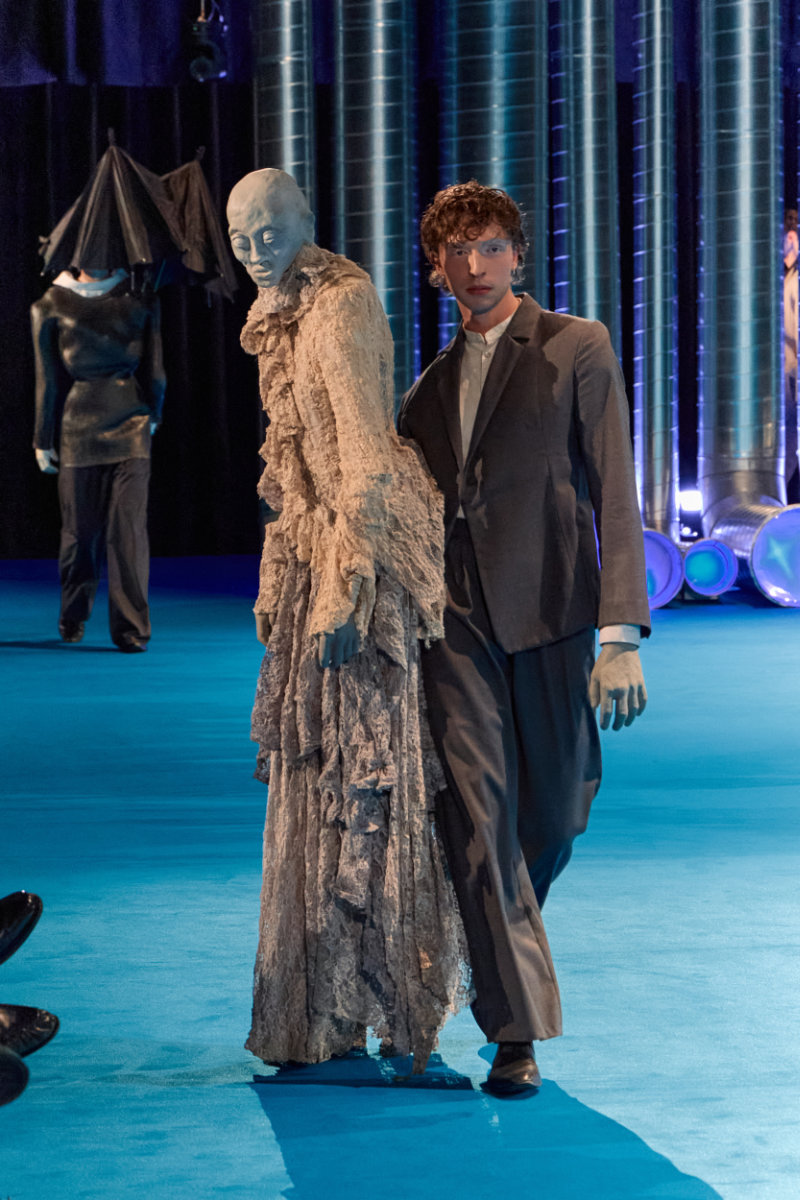
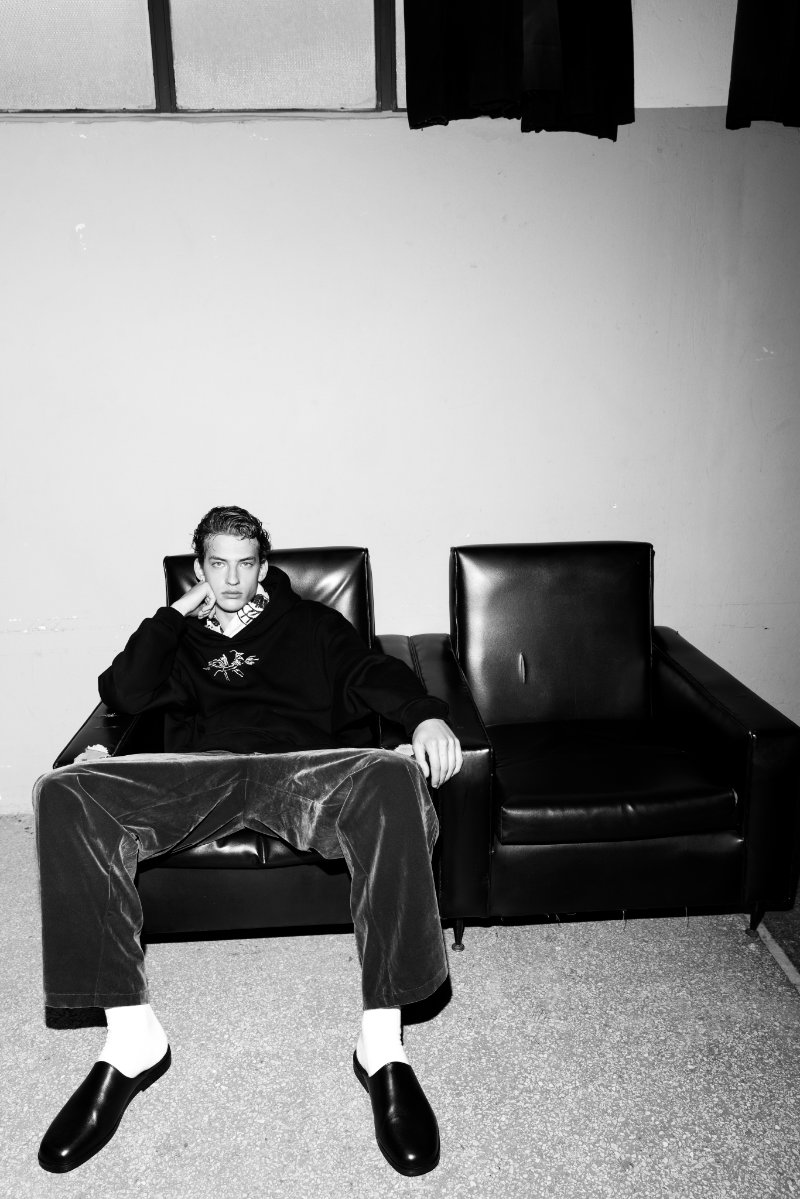
Riga Fashion Week returned from 20 to 24 October with a programme that stretched across the Latvian capital, bringing together established brands, emerging talents, and fashion professionals from Latvia, Lithuania, Estonia, Poland, Italy, and other countries. Runway shows, presentations, exhibitions, and professional discussions took place at the Zunda Towers complex, Hanzas Perons cultural venue, the Art Academy of Latvia, designers’ studios, and other locations.
Riga was new to me, and I only stayed two days. It was short, but I organised myself to take the best of it. Free mornings gave me time to discover the city, and the weather played along. I definitely want to return, because the fashion on show was varied and full of character, and the city deserves more than a flying visit.
This season, two themes stood out: a commitment to circular fashion and sustainable design, and a preoccupation with timelessness, clothing that carries emotion and meaning beyond the seasonal cycle.
The Play Sustain Foundation, an independent Polish NGO and a leading organisation working in circular fashion, eco-design, and the circular economy across Europe, brought three designers to Riga. As a member of the European Fashion Alliance, the Foundation promotes solutions that reduce textile production through reuse and circularity. Its work focuses on shaping more conscious consumer habits, supporting responsible designers, and advancing sustainable practices throughout the life cycle of a garment. The Foundation pursues its mission through three flagship initiatives: the international Designers Play Sustain contest, Summit Play Sustain conference, and Academy Play Sustain educational programme.
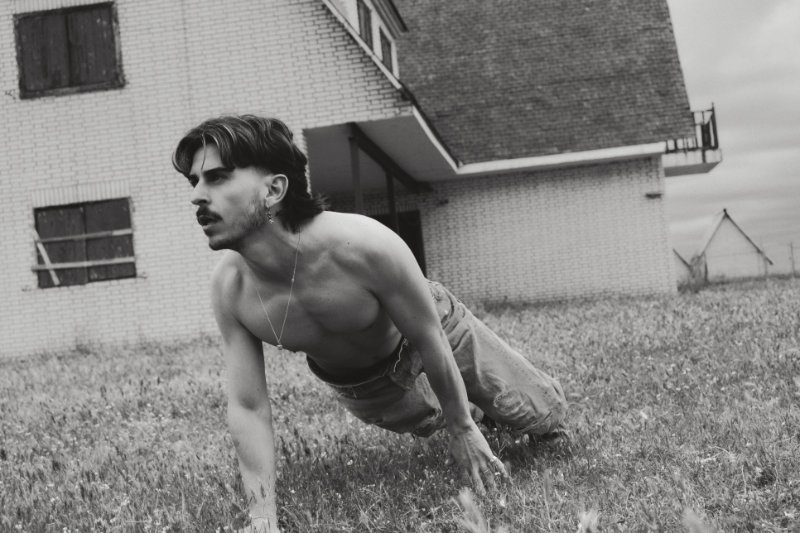
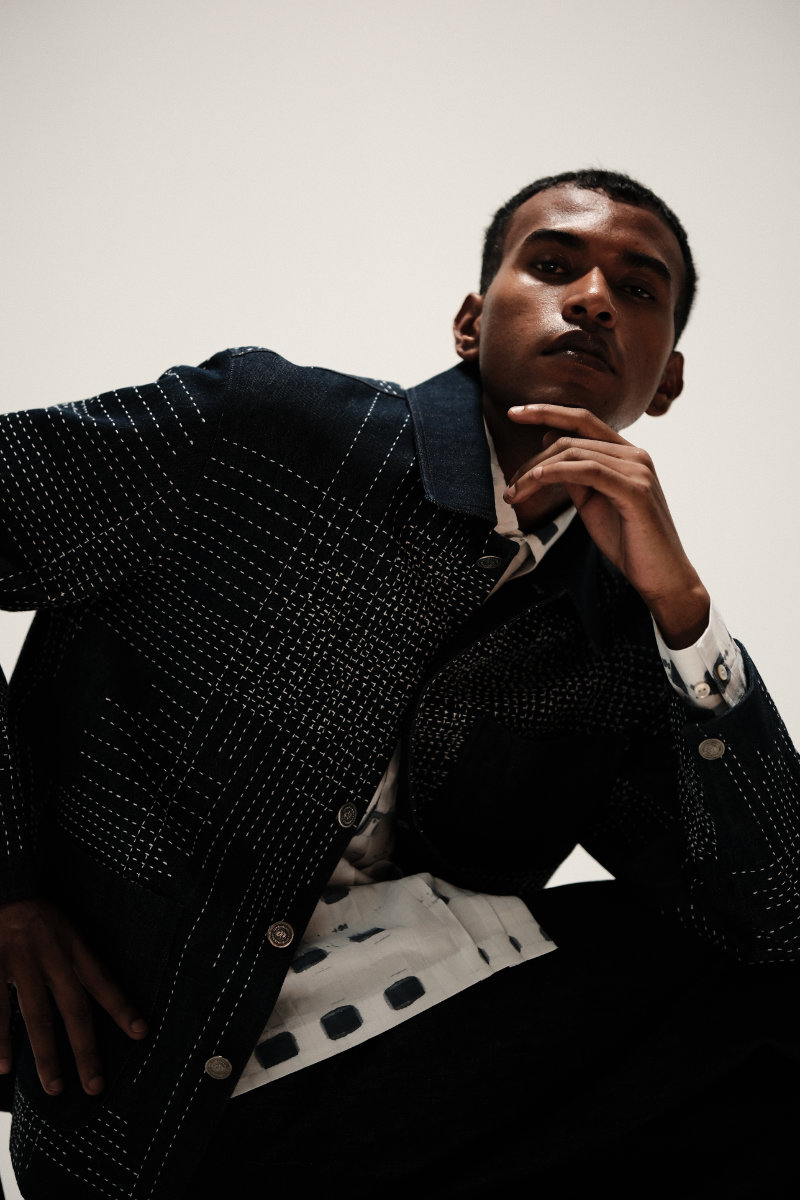
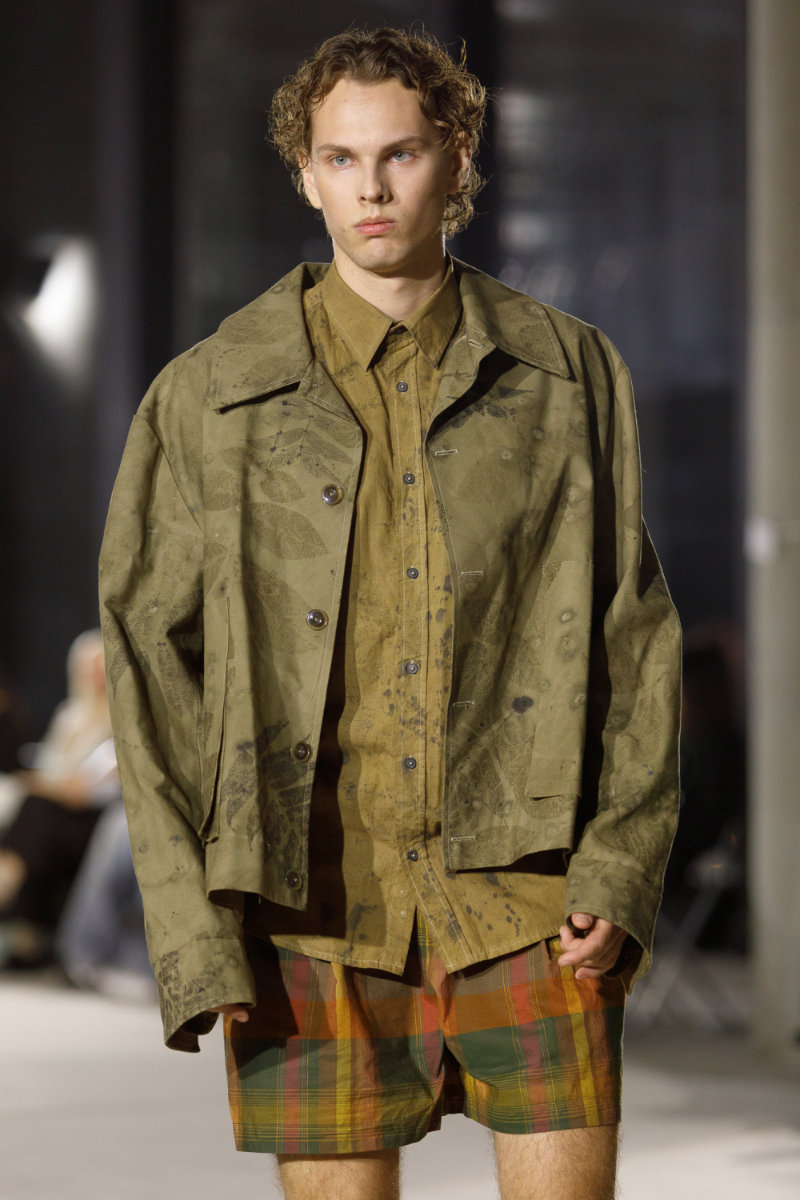
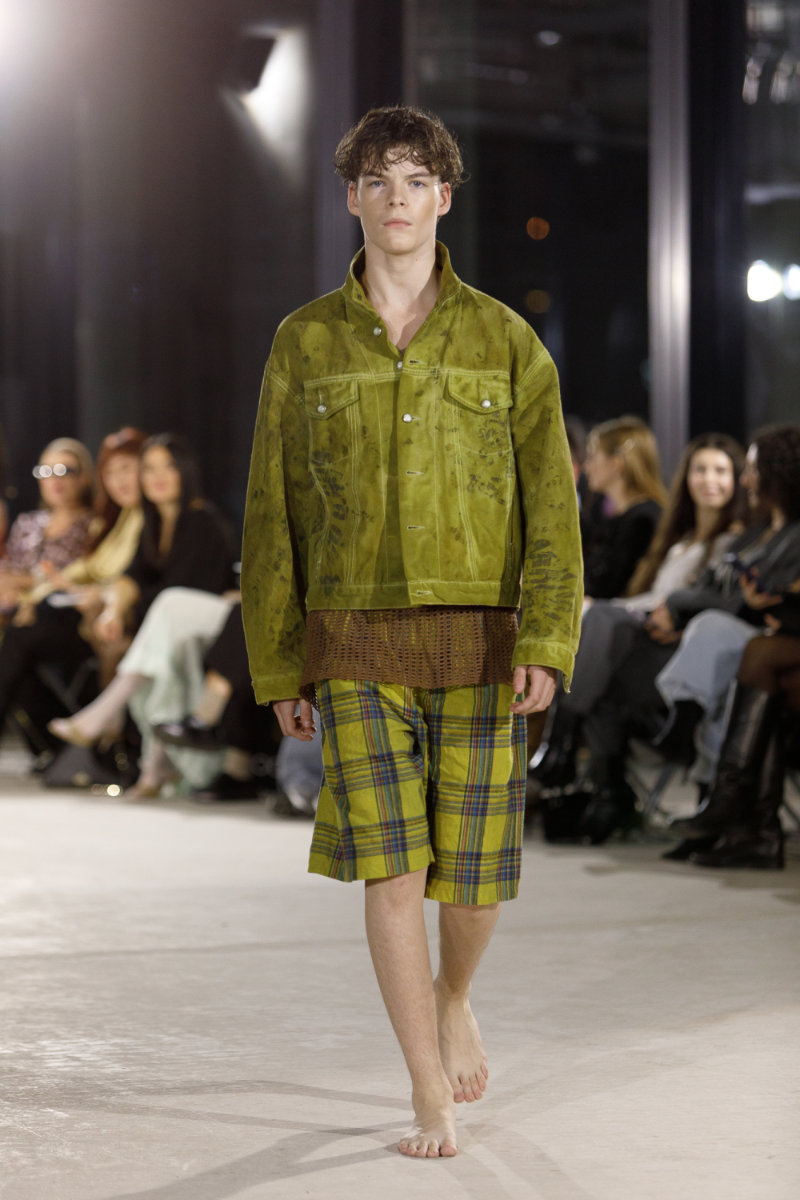
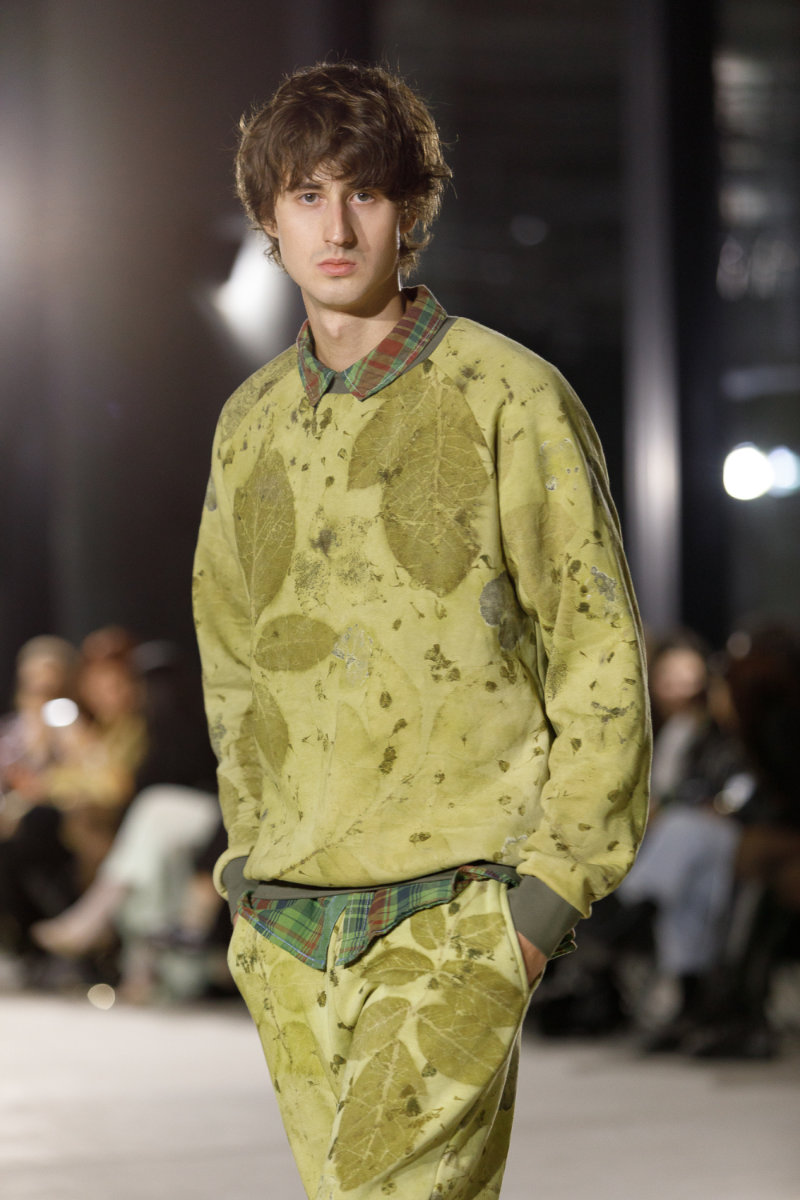
Plant dyes, botanical prints, curtains and bedsheets given a second life alongside merino wool, cotton and linen: that is the material language of Feszter, the collection by Kraków-based menswear designer Jakub Suchara. A graduate of the School of Artistic Fashion Design in Kraków, Suchara draws on his first field of study, forestry, to explore forests, plants, animals and the forester through natural colours and reclaimed materials. Art and nature sit at the centre of his practice, expressed through botanical printing, upcycling and patchwork.
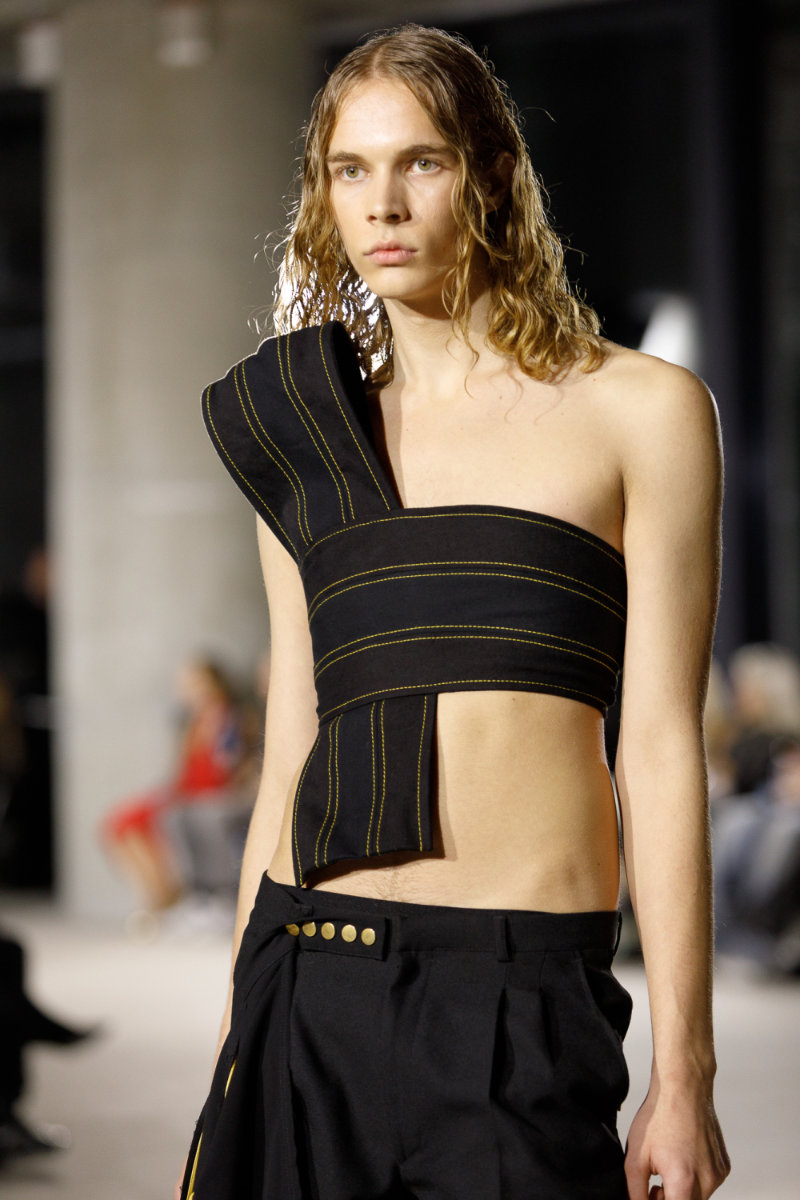
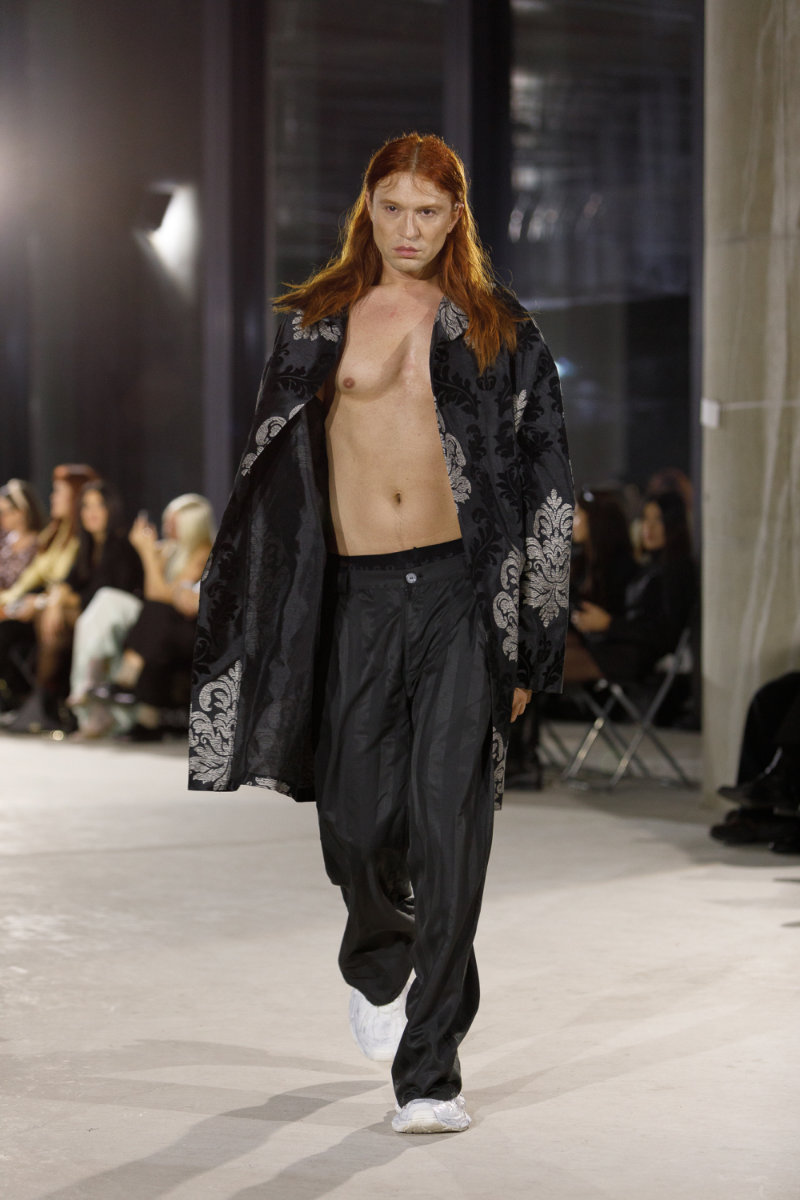
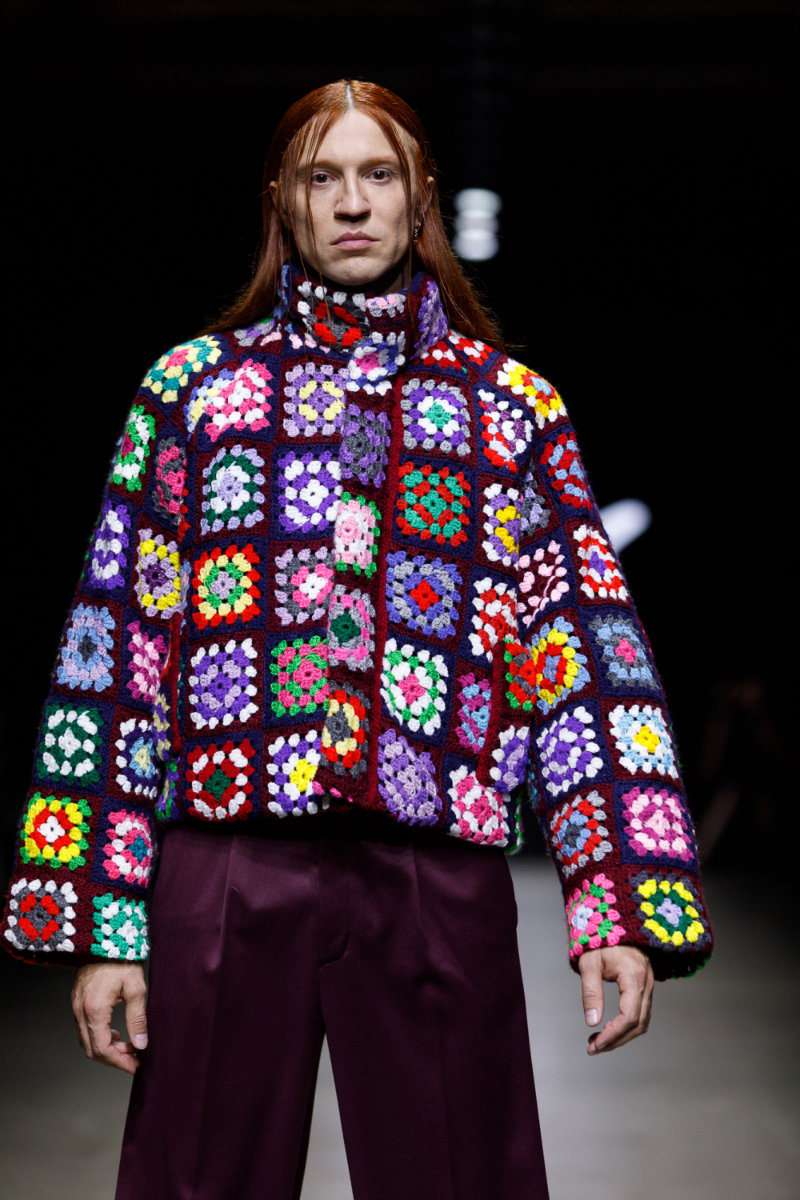
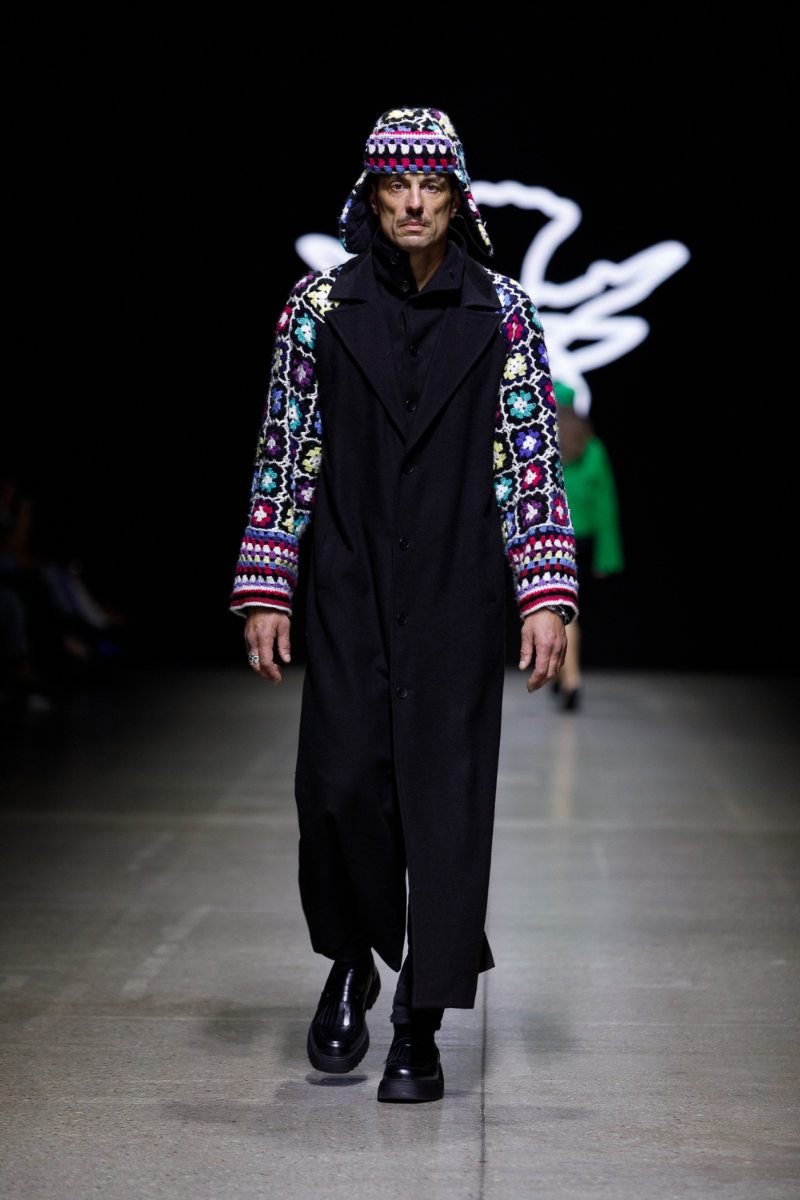
Mateusz Jagodziński (Mati Jago) works across fashion, theatre costume and set design, and his collections explore the contrasts between masculinity and femininity, functionality and artistic expression. His latest collection takes its cue from Kintsugi, the Japanese art of repairing broken pottery with gold, and turns it into a celebration of repair, transformation and renewal. Second-hand garments, deadstock, costume-project leftovers, recycled cotton cords and natural fibres pass through crochet, pleating, patchwork and deconstruction, with a black-and-gold palette drawing attention to texture and construction. Social reflection and sustainable design meet in the same practice.
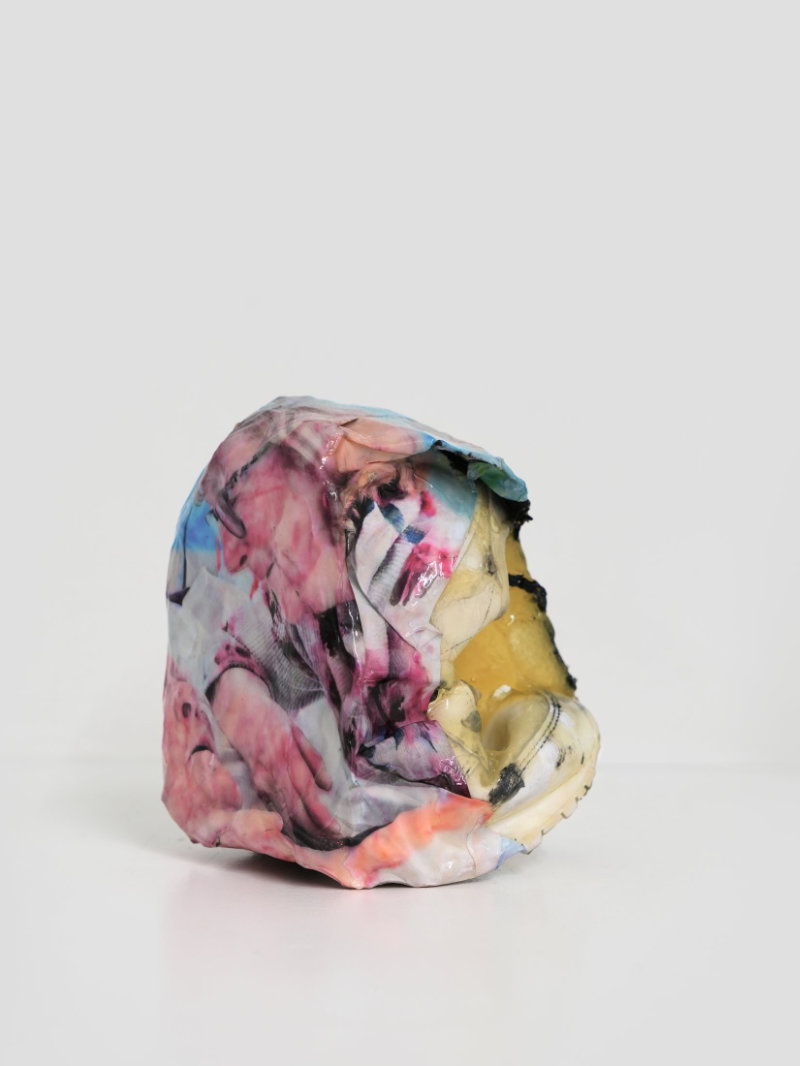
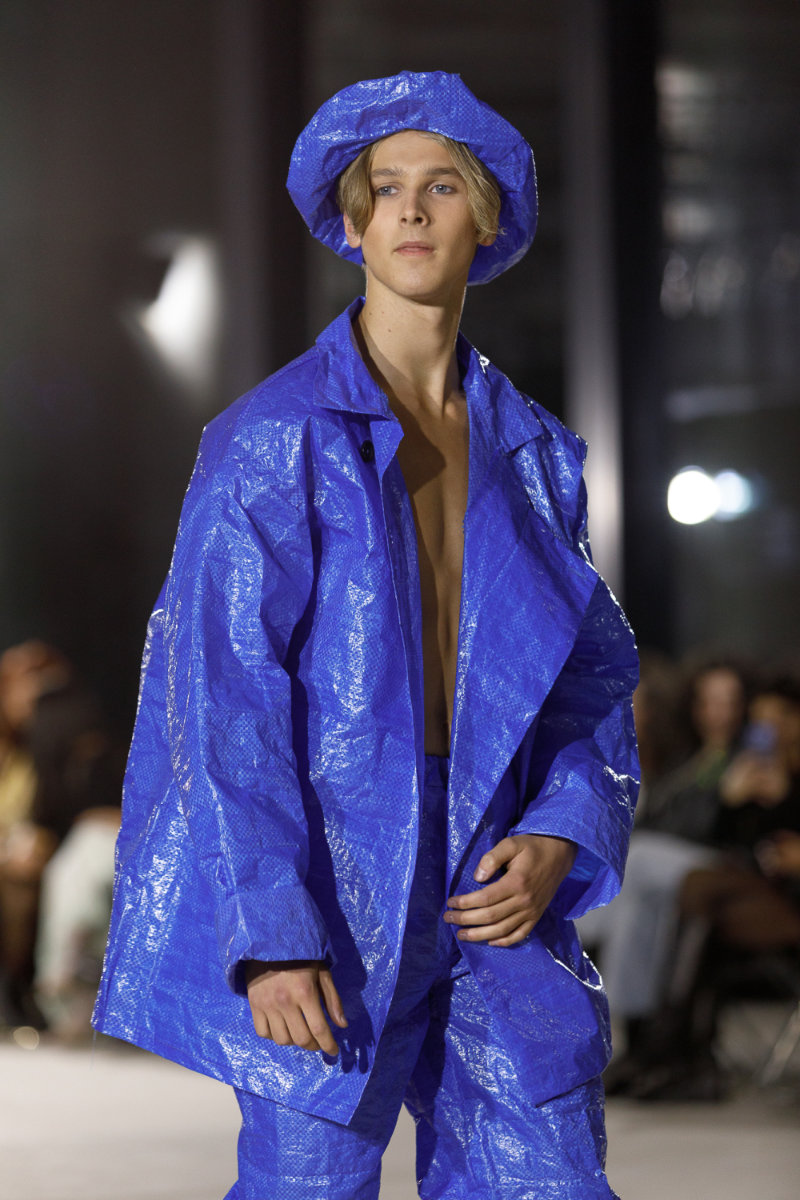
For Miłosz Jatelnicki, fashion began as a hobby. A data analyst by profession, he developed his passion for sewing and design into a serious creative practice, and his first collection, presented at Play Sustain 2026, explores sustainable fashion through reuse. Curtains, bedding, tote bags and IKEA bags, all found at home, become the entire material basis of the looks. Transforming familiar objects into clothing, Jatelnicki challenges conventional ideas about what fashion can be made from and shows how creativity can give ordinary materials a new purpose.
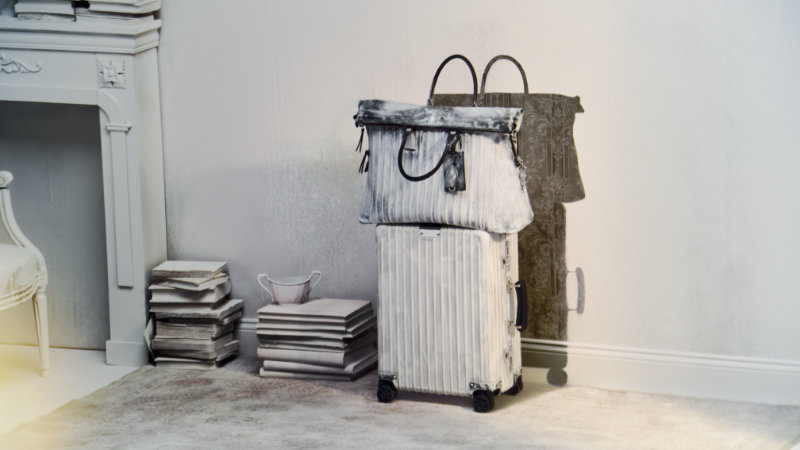
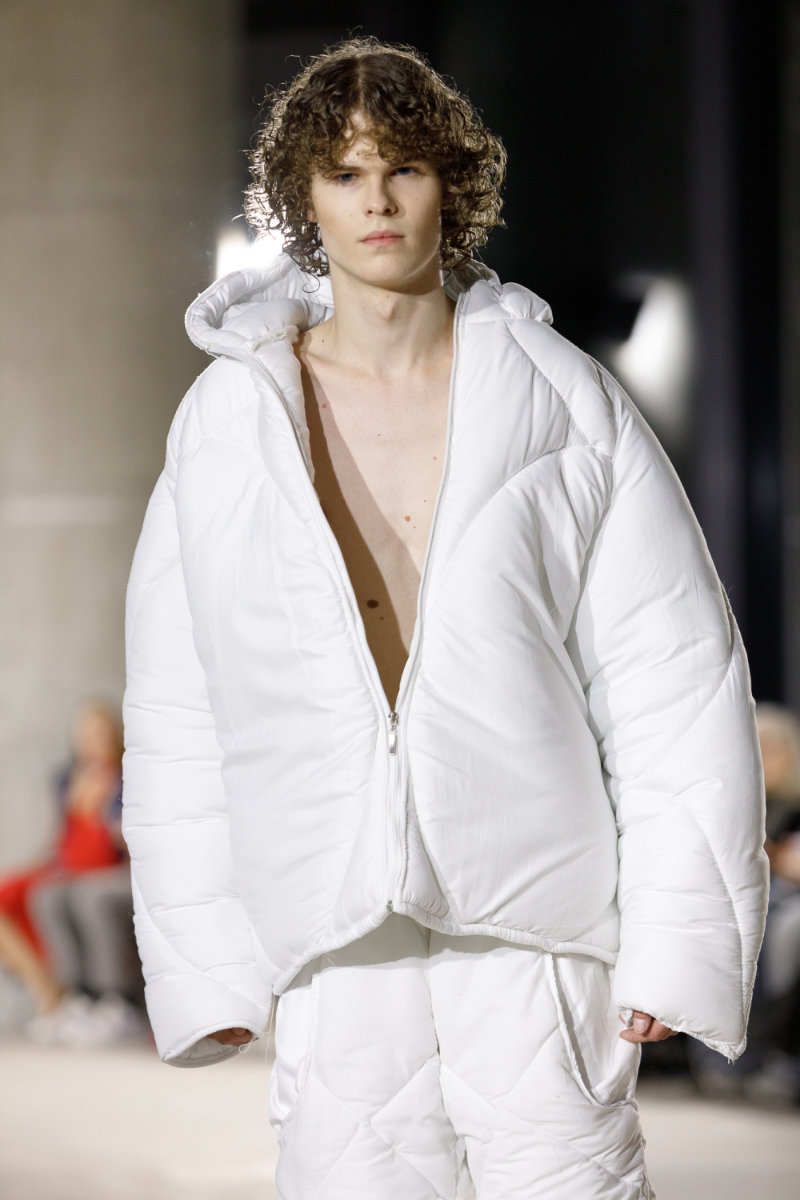
Pre-loved blankets and bed linens become one-of-a-kind ensembles for special occasions and everyday wear in Clothes we inherit, the collection that Lithuanian designer Rimantė Rimgailaitė created in collaboration with Humana Lietuva. The project breathes new life into textiles with a history, celebrating craftsmanship, sustainability and the enduring value of pieces that deserve to be worn again.
Rimgailaitė founded her brand, Rimgailaite Costume, in 2020. Her inspiration is the modern Narcissus: no longer simply the mythological youth captivated by his reflection in the water, but a contemporary individual who actively shapes their image, visibility and place in the world. The narcissus flower is the brand’s signature motif, and its distinctive shape has evolved into a unique garment structure through sculptural construction and pattern-making techniques.
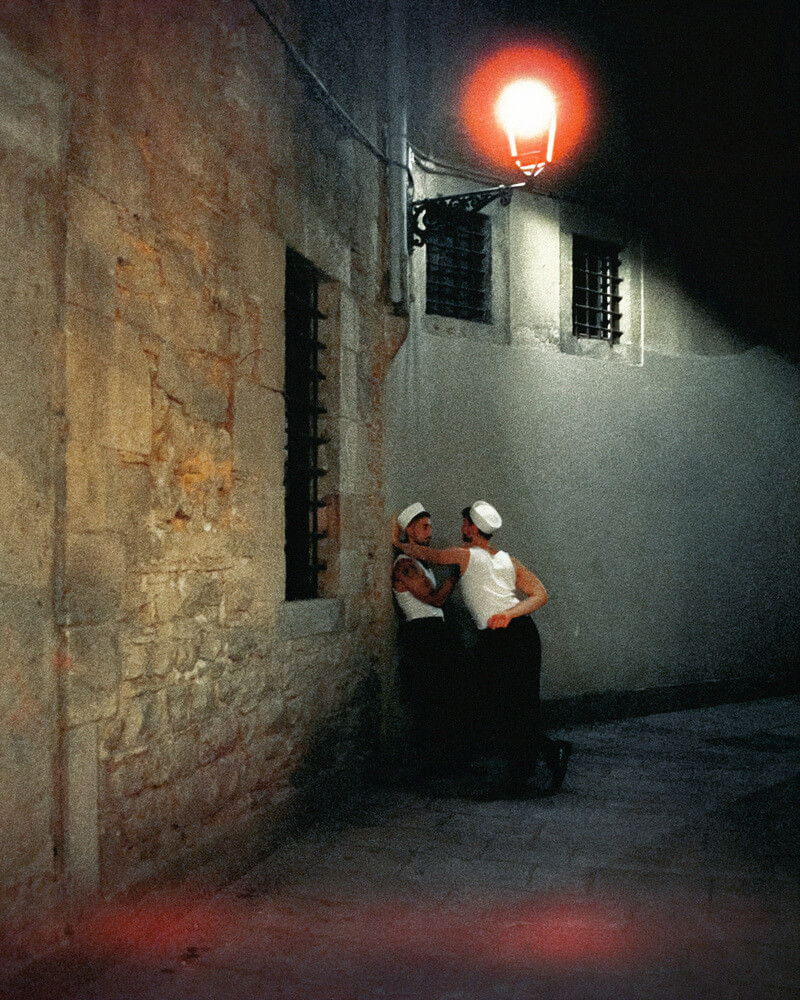
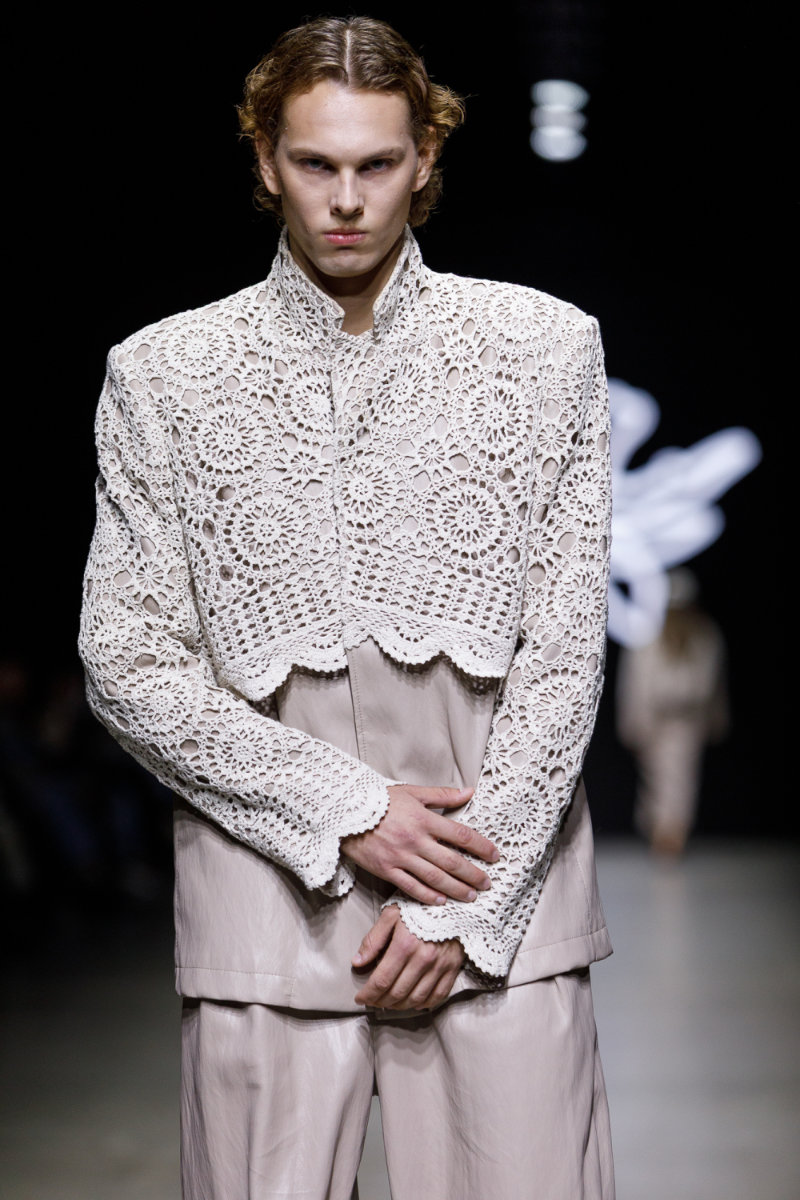
Le Passager du Passé tells the story of an aviator from the past who unexpectedly finds himself in the present, a world that feels unfamiliar to him. He comes from an era when individuality, character and attention to detail were integral to personal style, and the collection rebuilds that sensibility through timeless silhouettes, high-quality natural fabrics and meticulous craftsmanship. Every detail reveals something about the aviator’s personality: small concealed pockets inside the garments, for instance, are designed to hold theatre tickets, a subtle reference to his love of theatre.
The collection marks the beginning of Katrīna Ermanoviča‘s brand and embodies its core values. Her philosophy is to create clothing that evokes emotion and transcends time, pieces that could have been worn a century ago, remain relevant today, and will continue to resonate in the future.
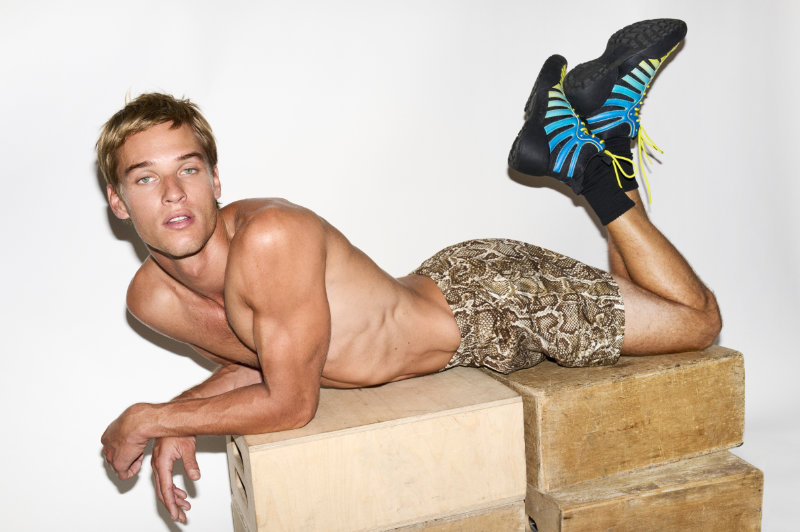
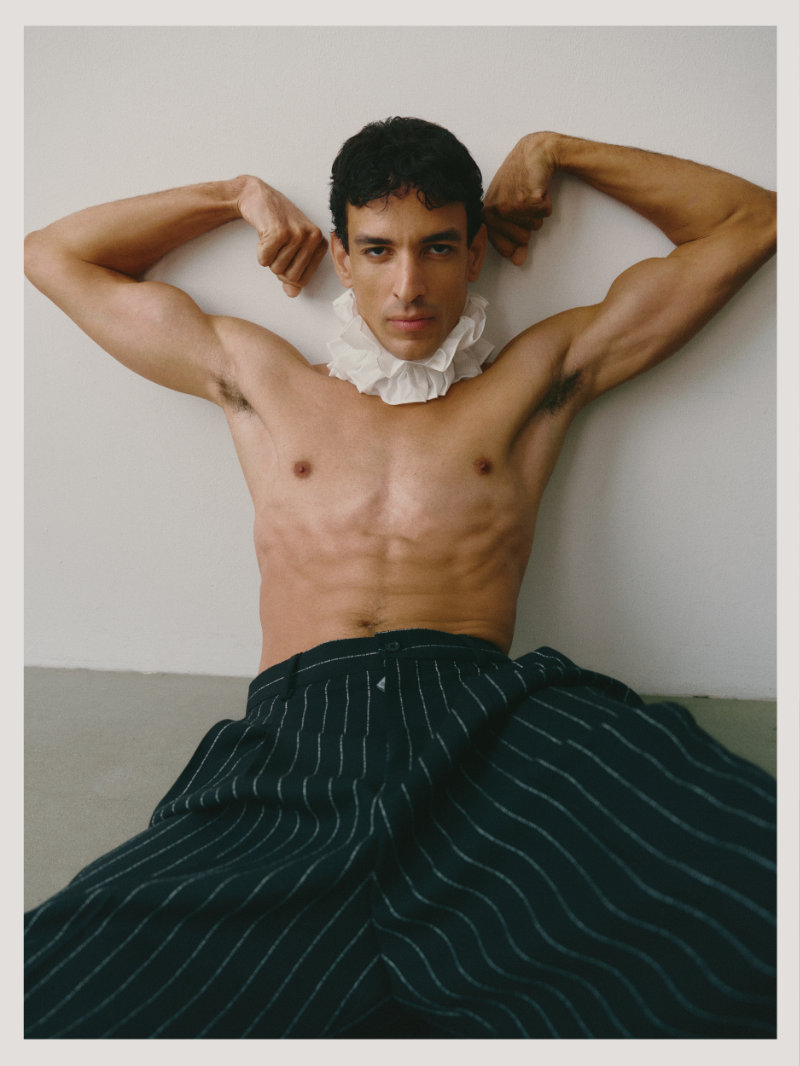
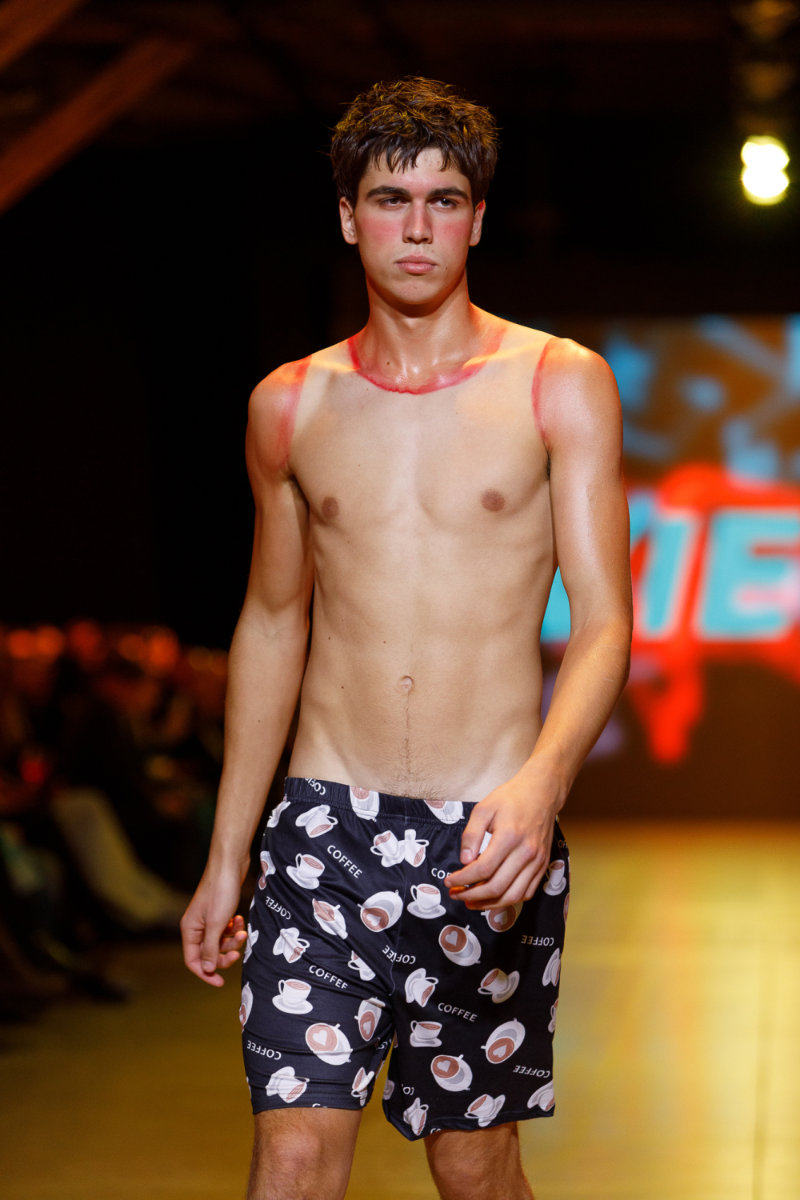
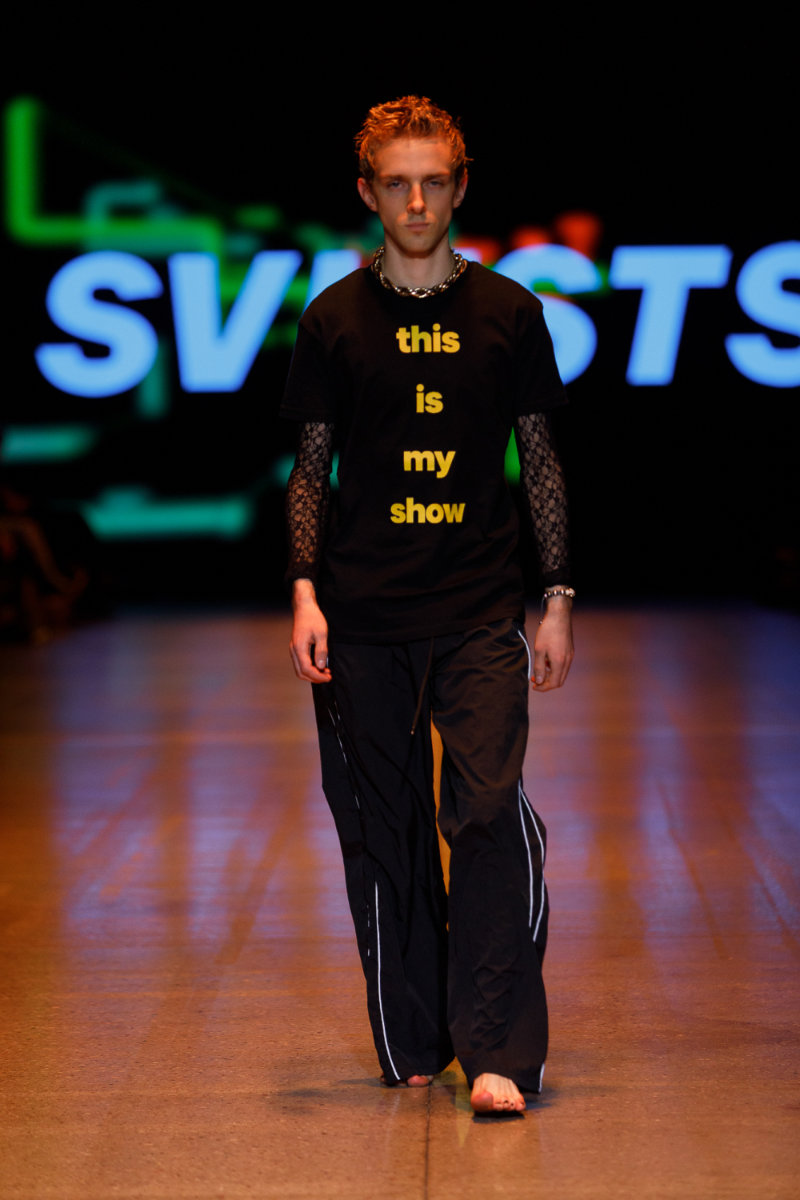
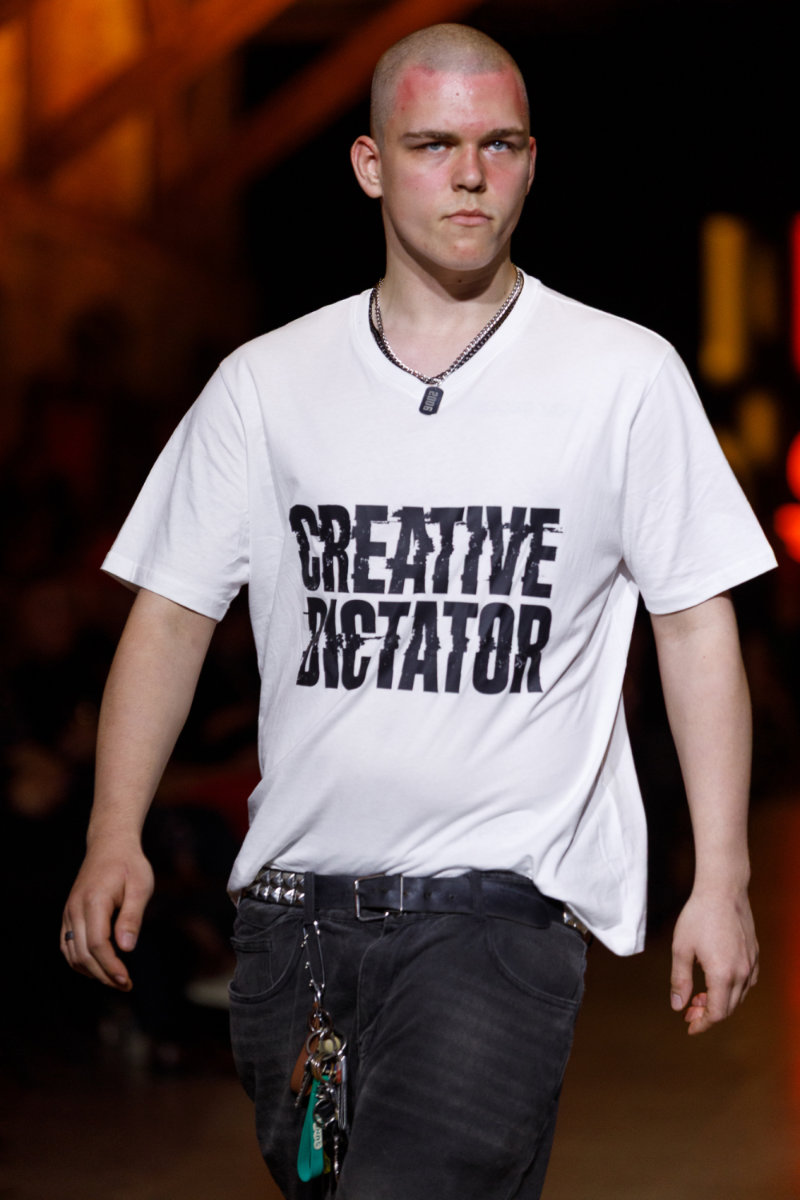
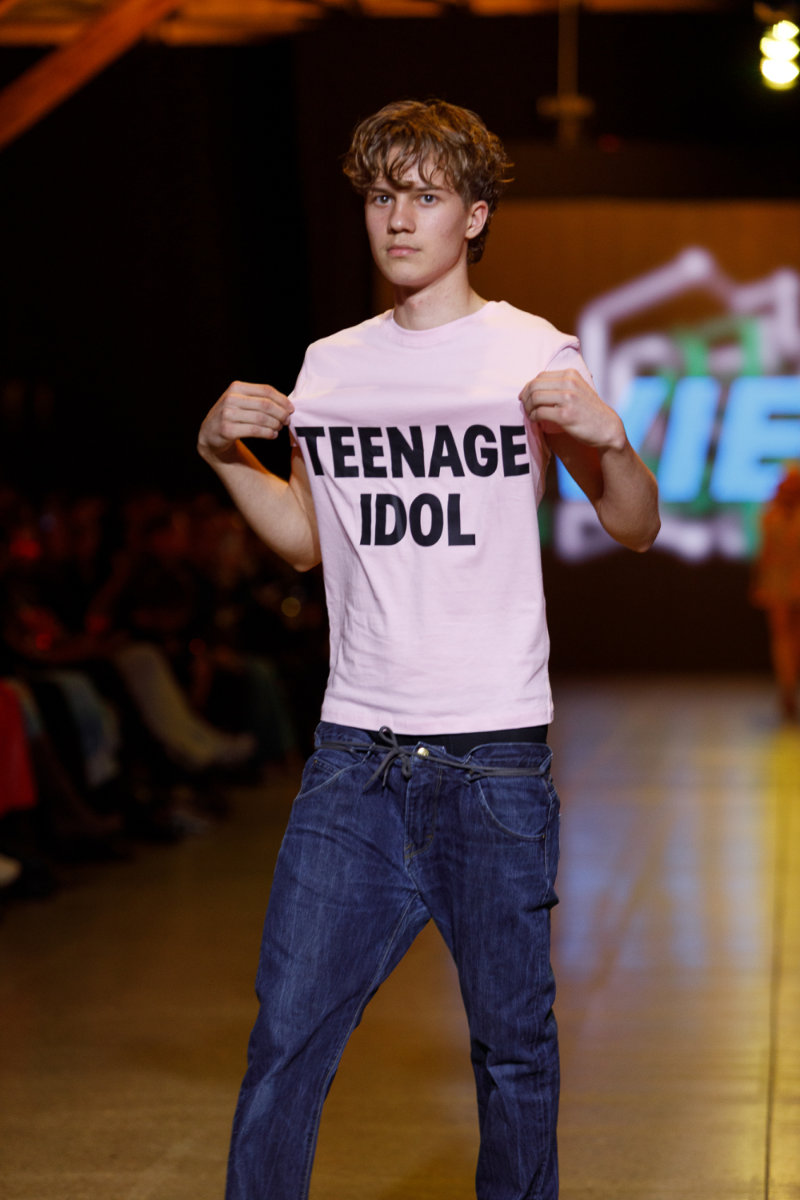
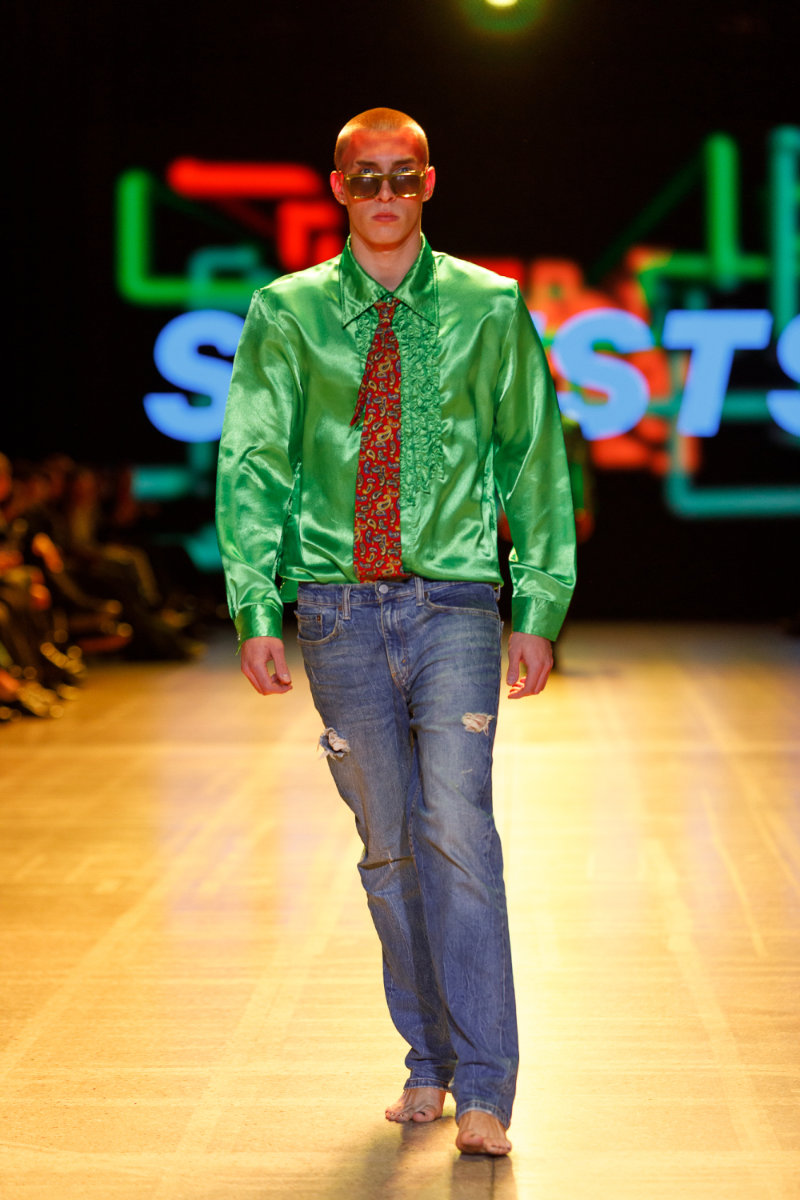
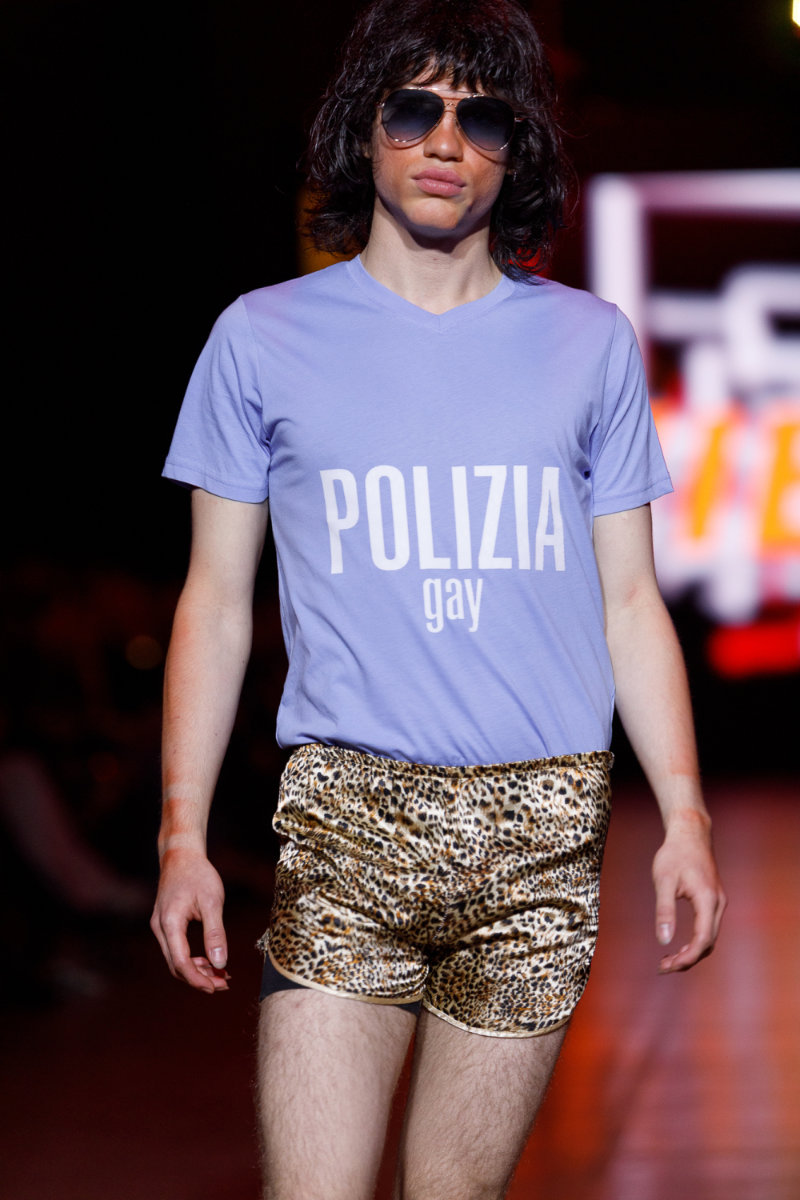
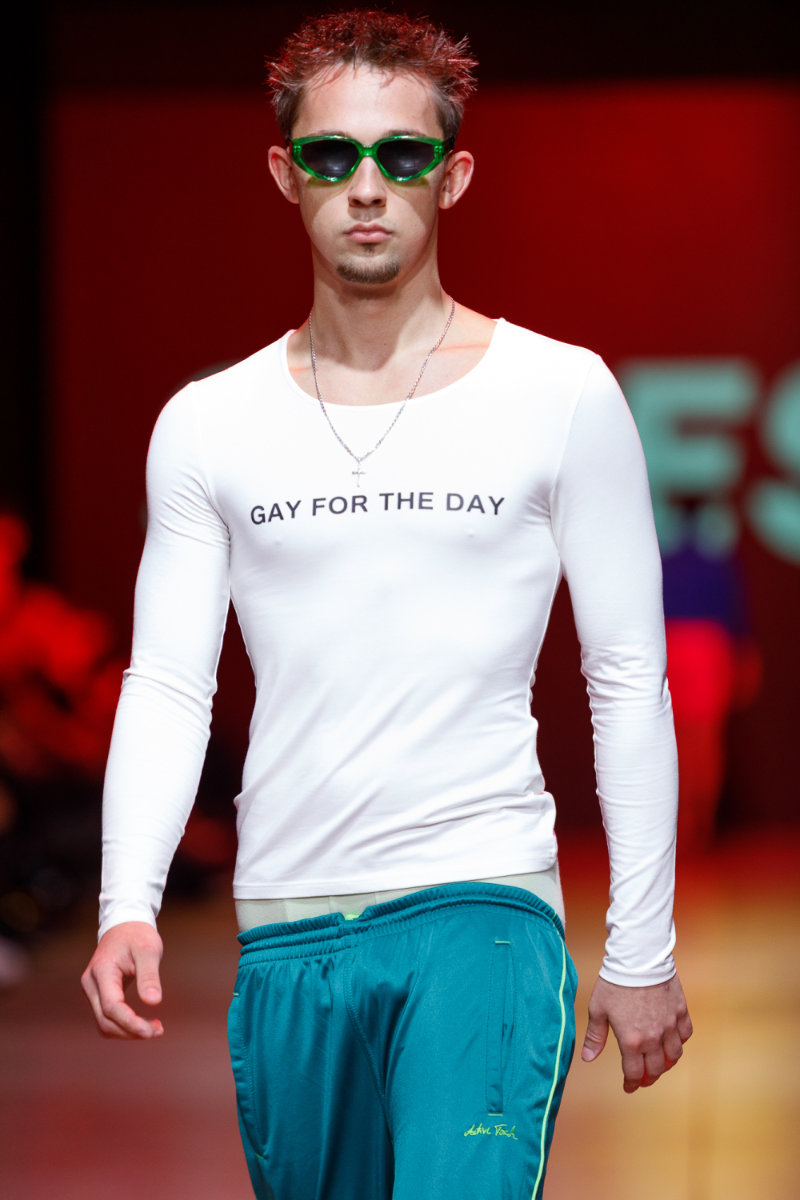
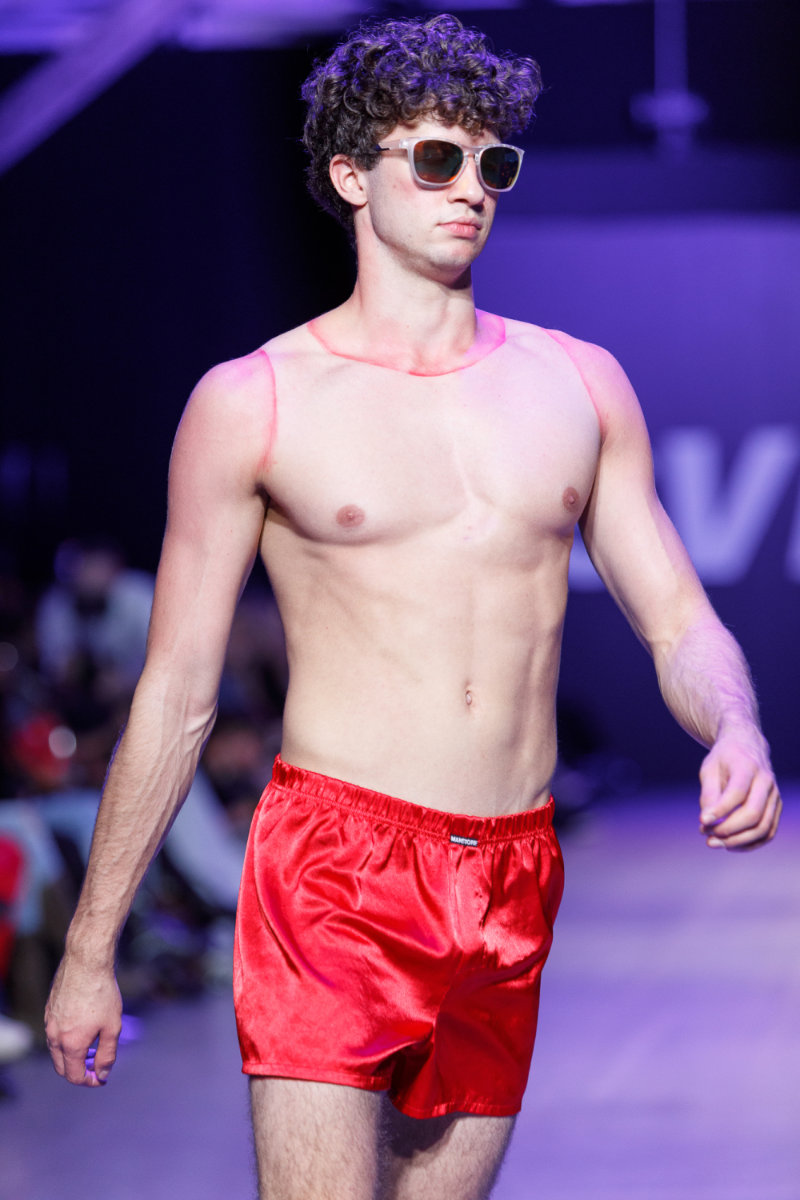
SVIESTS HAS LEFT THE COUNTRY. Sergey Hatanzeisky, the founder and creative force behind the brand, has moved to Portugal, and SVIESTS (Latvian for “butter”) has gone with him. In Portugal, MANTEIGA (Portuguese for “butter”) emerges as a new form of SVIESTS, born in another country, under a different sun.
The SVIESTS show at Riga Fashion Week brings the Portuguese summer to the heart of Riga. Tanned bodies, sun-kissed skin, wet clothes and simple silhouettes create the feeling of people who have just emerged from the ocean. It is a story about immigration, the inner and outer changes that come with it, and the journey home. SVIESTS returns to Riga, in a new form.
Photos by Mark Litvyakov.





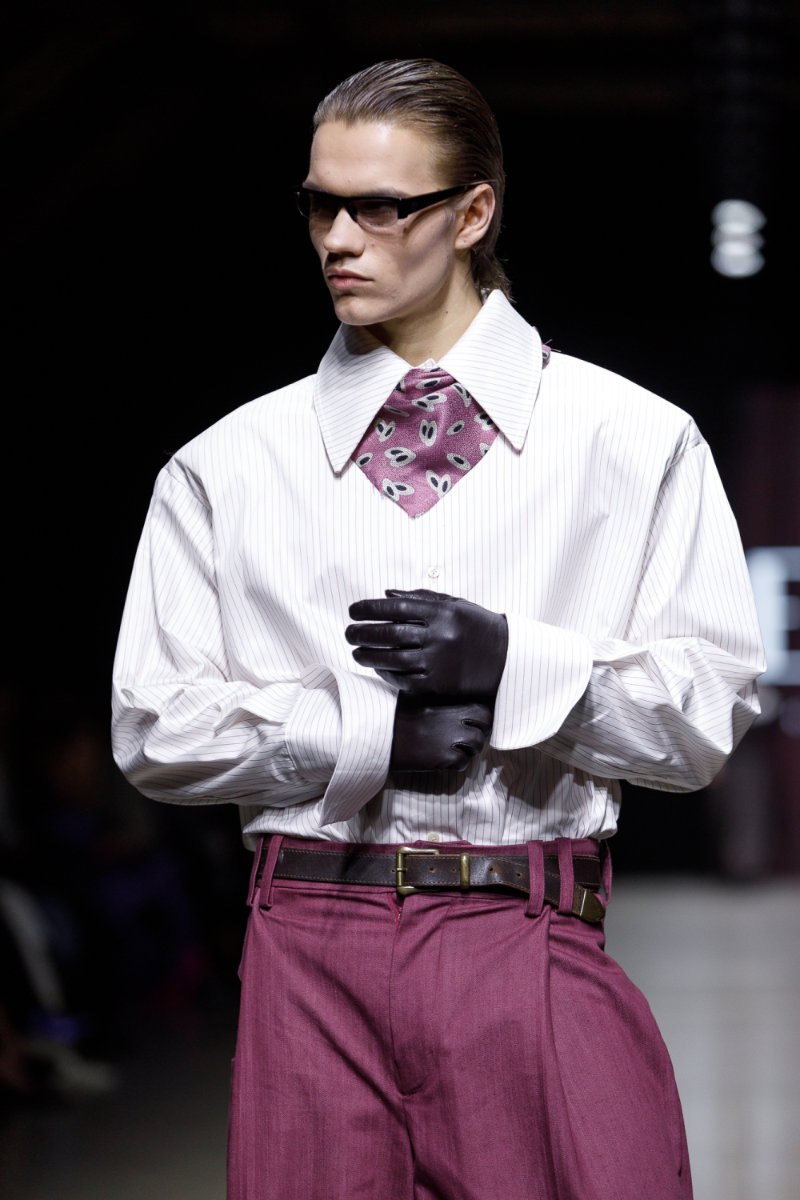


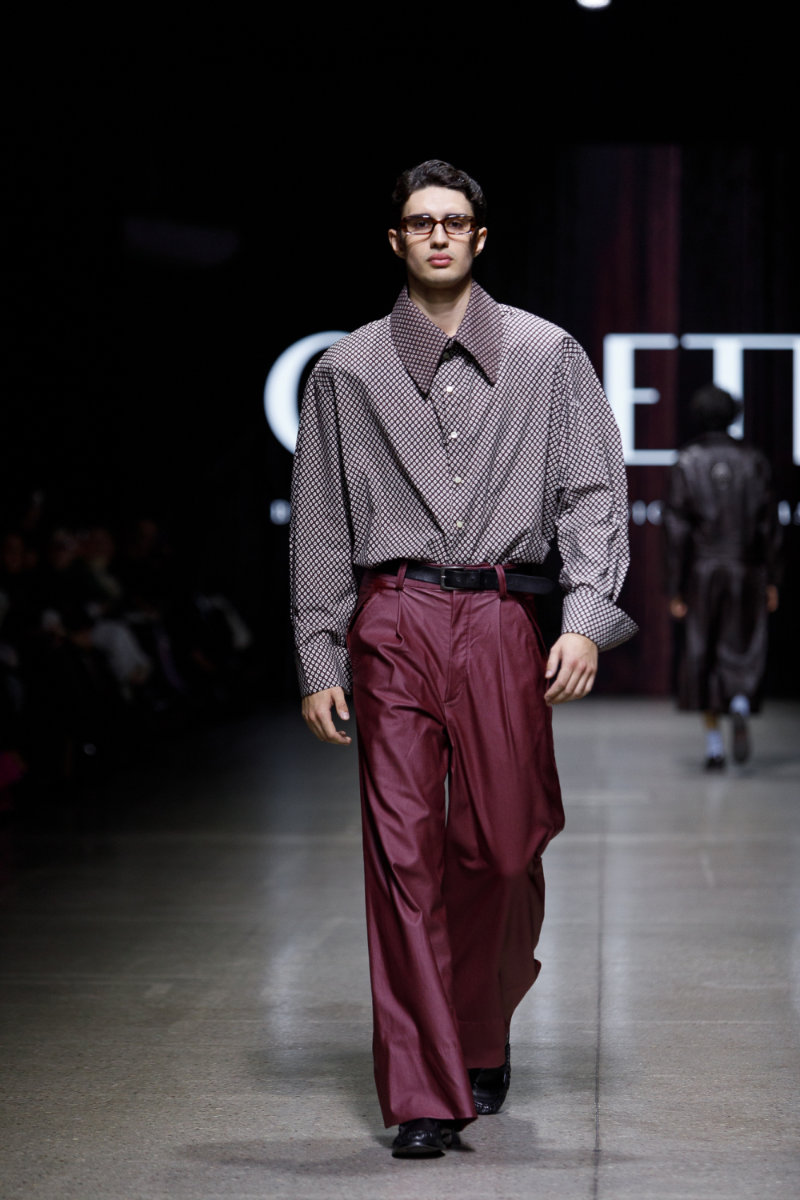








Riga has definitely earned a spot on the calendar of upcoming fashion weeks to return to, with a nice selection of designers to keep an eye on. Menswear had a solid representation this season, which I both expected and appreciated, and I hope to see it grow further in future editions.