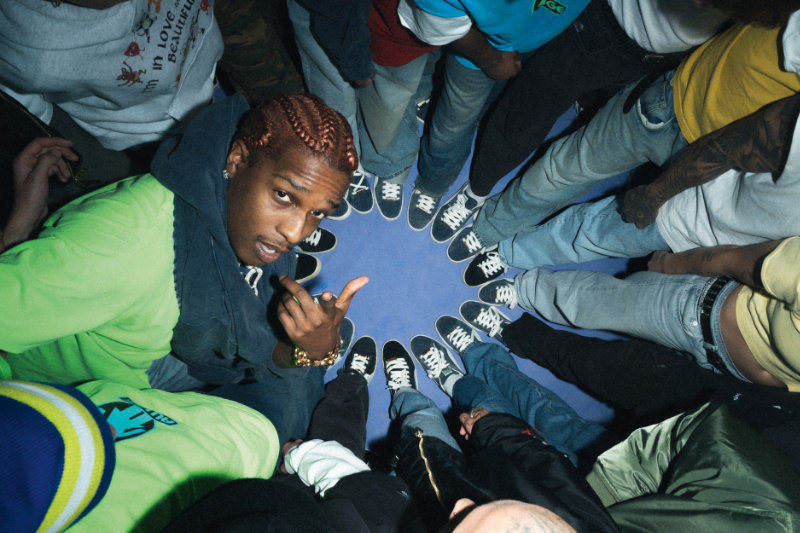
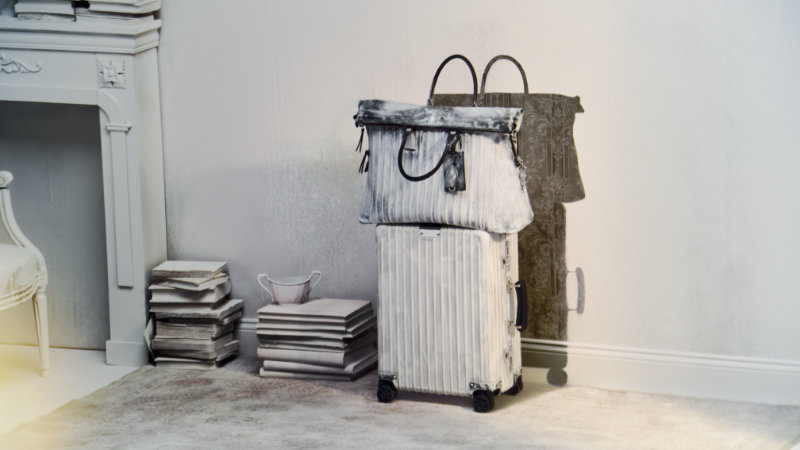
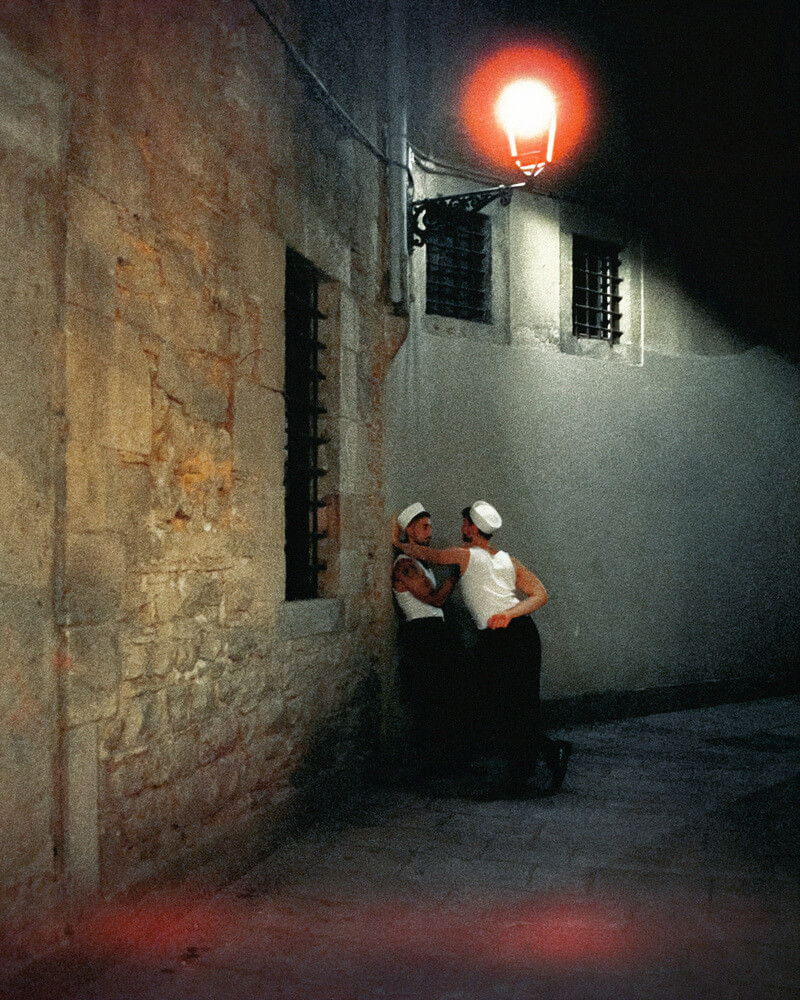
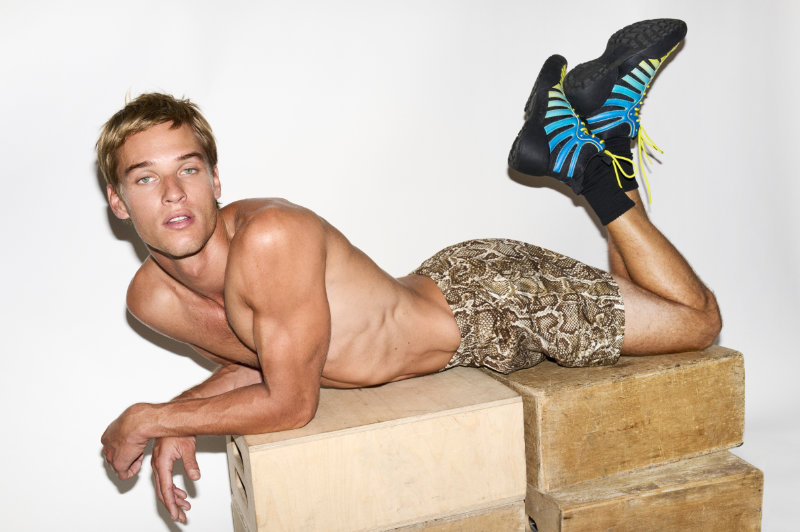
During Art Basel Paris, when the city becomes a meeting point for the art world, REFERENCE Festival offered a different perspective on what bringing people together through culture can mean. I’m sure not everything went as planned. There were some changes of location, a talk cancellation that was originally planned before the protest, and of course, with the last two days of Art Basel cancelled, there were many people who also left the city. What we got instead was something that I didn’t quite expect; from the panels to the conversations among the crowd, many people spoke and created from an honest place. As I mostly cover fashion, where everyone guards their voices and opinions in fear of lost sales, as the week ended, what I took away from the festival was a reminder that art is more than a commodity, that we shouldn’t always separate art from politics, and that we need to make space, especially different spaces for art, for a different future.
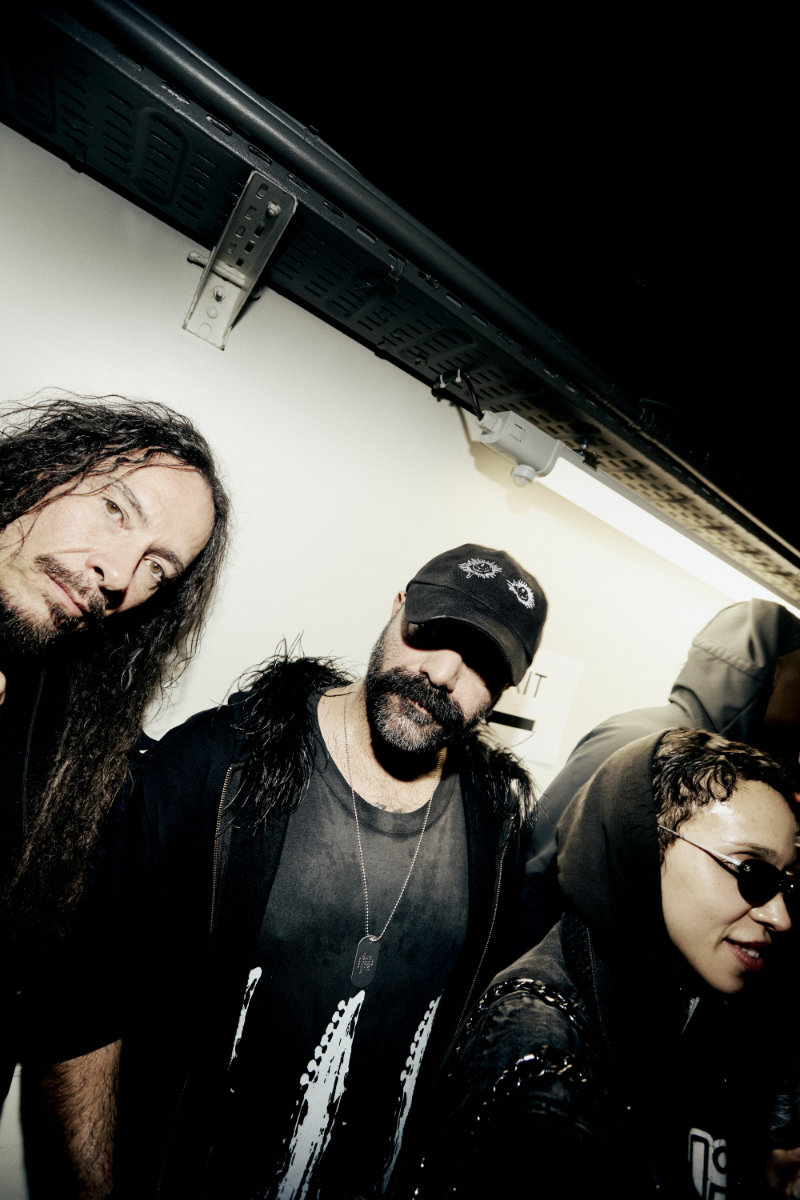
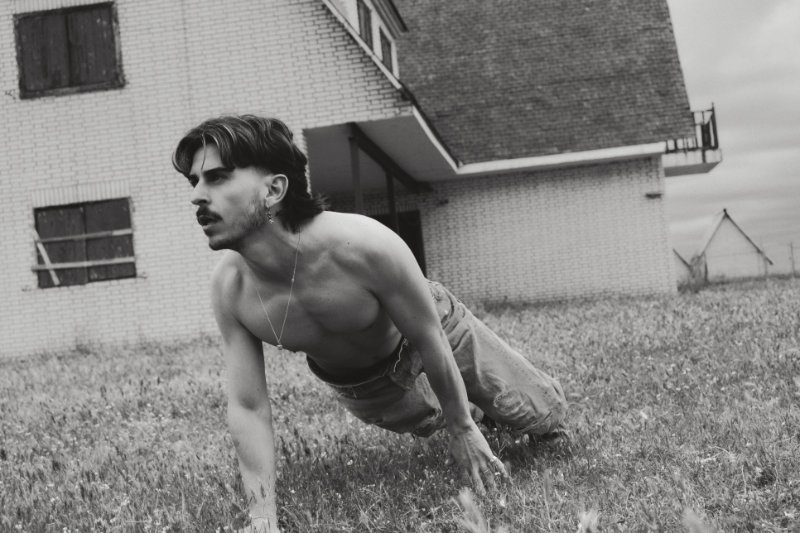
Munky Korn, Mumi Haiati & FKA TWIGS
Founded by Mumi Haiati, what distinguished the experience was the sense that everything had been carefully curated by Mumi from a personal place, with an instinct for bringing together artists and thinkers whose practices speak to the world beyond the walls of galleries and institutions. Nor was the festival about sales or brands. Its focus was on bringing different forms of art to life and making them available to an audience willing to engage, a reminder that art can also exist as a form of resistance.
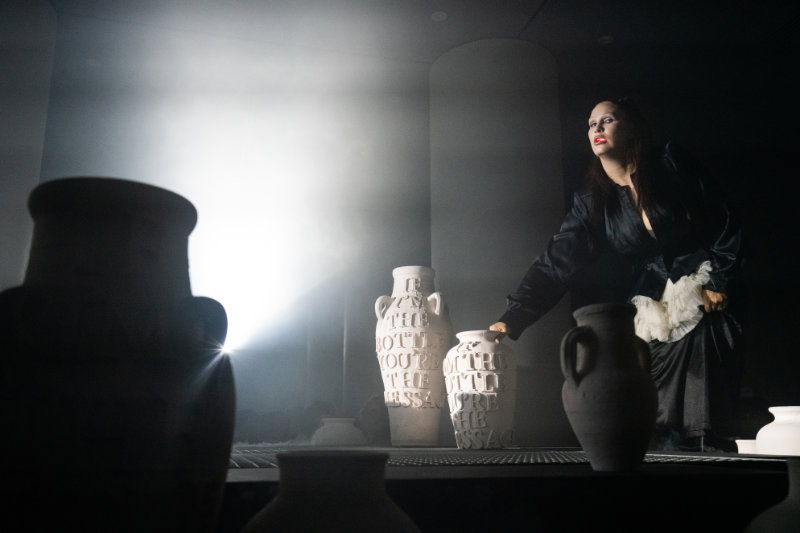
EARTHEATER
The festival unfolded against a political backdrop that was impossible to ignore. As artists took to the streets to fight for a better future, the discussions at FREIE KUNST confronted the climate in which they were making their work. During his panel talk, Ramdane Touhami spoke about how he had never seen society so close to fascism in his lifetime, a sobering observation that set the tone for many of the conversations that followed. Chris Dercon, director of the Fondation Cartier, offered another perspective on the political atmosphere in Paris, explaining that the boarding up of glass facades was intended primarily to protect people from shattered glass. These exchanges acknowledged the realities unfolding outside the festival, refusing to treat art and culture as separate from the political conditions that shape our lives. The preplanned panels did not shy away from the moment, instead opening up space for honest conversations about institutions, public life and the responsibilities that come with creating culture today.
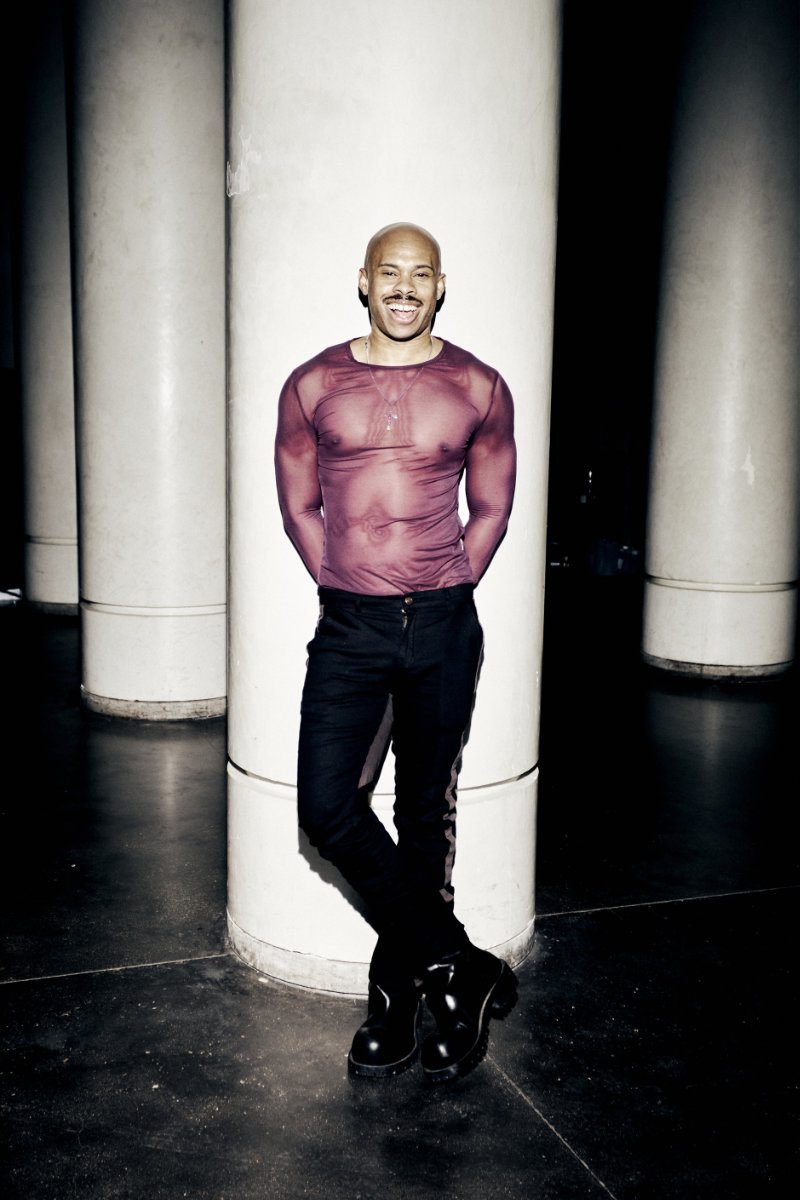
Shayne Oliver
Accessibility was a recurring theme, particularly in the contributions of Bettina Milz, associated with the forthcoming Pina Bausch Centre, who repeatedly returned to the importance of making art accessible to the public. The conversations explored how art can enrich our lives, bringing beauty and empathy into everyday experience, while institutions have a responsibility to build communities around artistic practice rather than simply preserve objects. Another conversation brought together Klaus Biesenbach, director of the Neue Nationalgalerie in Berlin, and artist Miles Greenberg to discuss artistic influences like Marina Abramovic, formative experiences and the paths that shape a creative practice, but Miles used a word in reference to Herman Nietzsche that stayed with me. That word was “resolve”. I’ve heard many terms over the years (and mostly from designers) from evoke, provoke, evolve, you name it, but never resolve. It stuck with me as it could also suggest determination.
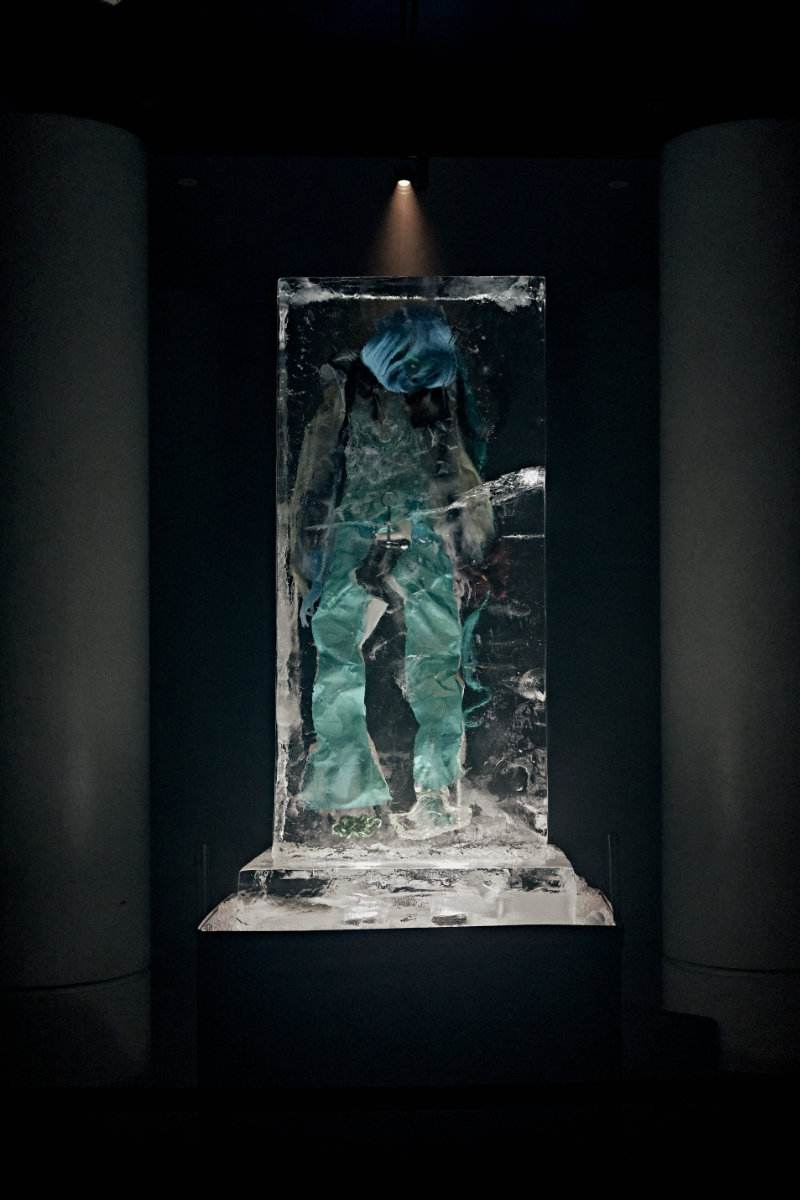
Donna Huanca Art Installation
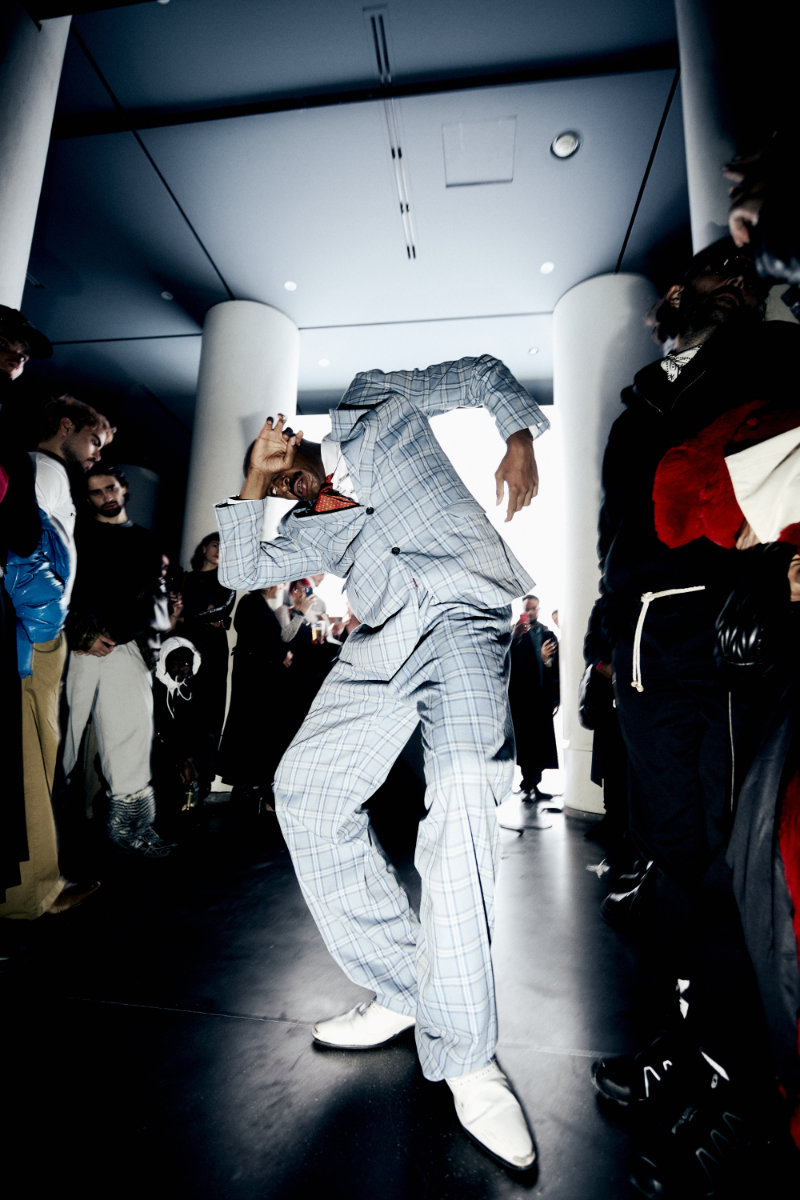
Josh Johnson
Music and performance took on a life of their own throughout the festival, with Eartheater delivering a performance among a series of 3D-printed Grecian urns created especially for the occasion. Moving between experimental music and a distinctive visual universe, her contribution blurred the boundaries between concert, performance art and installation. She later returned behind the decks, extending her presence across the program and reflecting the festival’s interest in artists who move freely between disciplines. That spirit extended throughout the program, from Donna Huanca’s ephemeral ice installation and Wombat’s monumental frieze at the Institut du Monde Arabe to the collaborative intervention by choreographer Josh Johnson, pianist Precious Renee Tucker and saxophonist Tapiwa Svosve. John Gerrard and Richie Hawtin’s 24-hour experience, brought together digital art and an original sound composition, further blurred the boundaries between disciplines. There was no single medium or hierarchy of artistic expression.
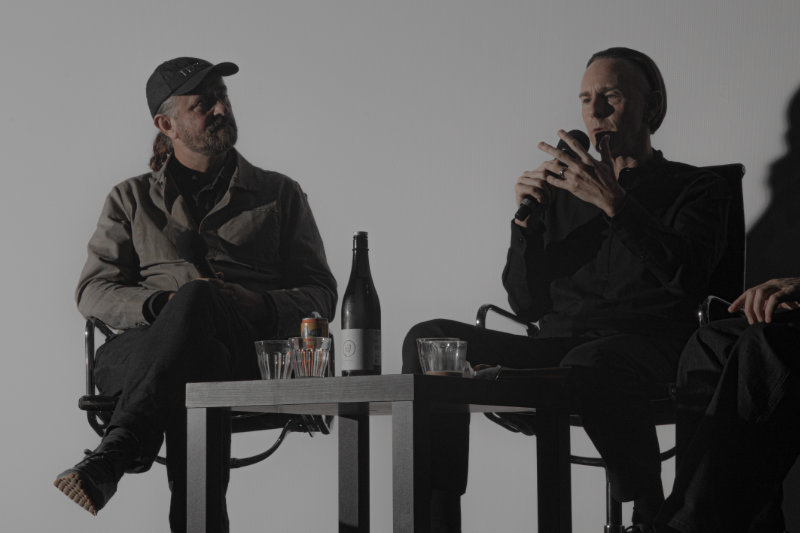
(left to right) John Gerrard & Richie Hawtin
The closing screening of FKA twigs’ Body High brought these ideas into sharp focus. Directed by Jesse Hemingway, the film reminded me of the scale and immersive physicality of Wim Wenders’ Pina, capturing dance with a cinematic language that concert screens rarely allow. During the discussion that followed, moderated by Marc Spiegler, FKA twigs spoke about her desire to highlight all of the dancers involved, a commitment informed by her own experience as a dancer. Rather than placing a single performer at the center of everything, the film makes room for the collective labor, skill and expression that bring a performance to life. Joined by Hemingway and Milz, she opened up a conversation about collaboration, movement and the possibilities of presenting dance beyond the stage.
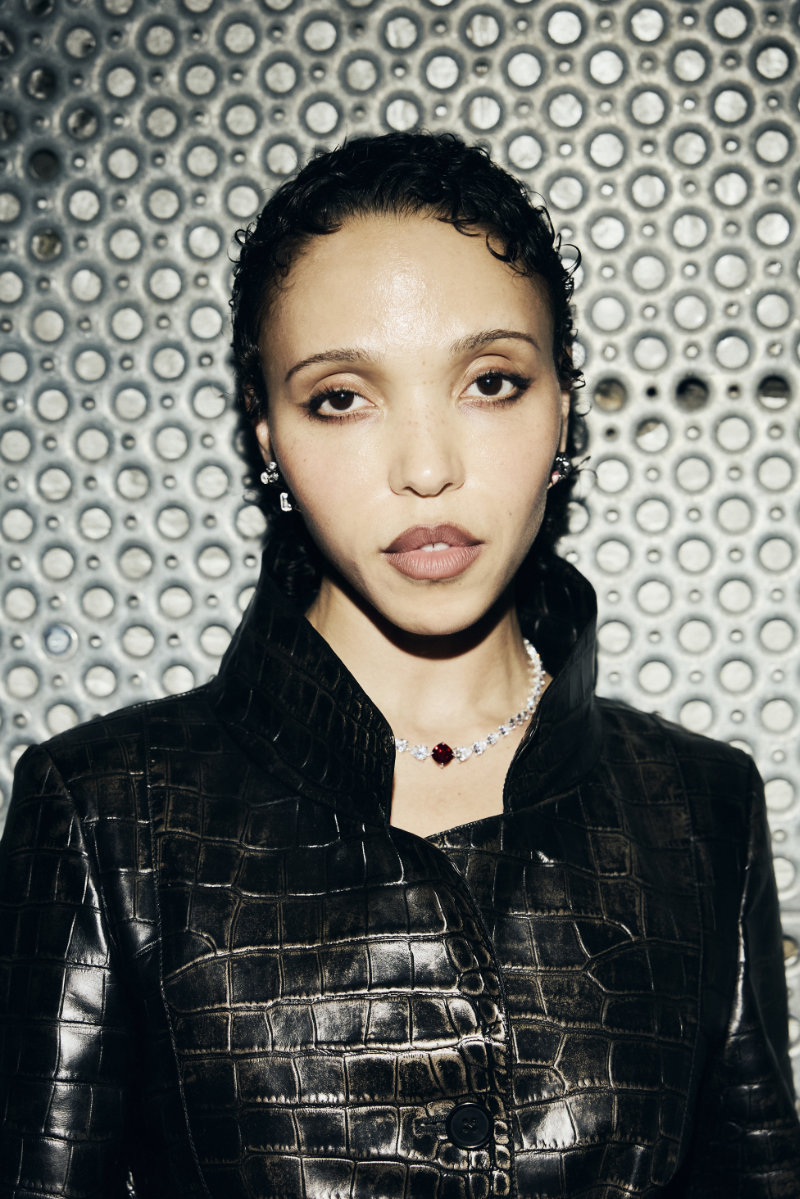
FKA TWIGS
REFERENCE Festival’s first Paris edition ultimately left the impression of a cultural gathering with something more substantial to offer than a program of events during art week. By bringing together artists, musicians, curators and thinkers across disciplines, Mumi created a space where contemporary culture could be discussed in all its complexity, without separating aesthetic experience from the realities of the world around us. At a time when public space, freedom of expression and the future of cultural institutions feel increasingly precarious, the festival made a compelling case for art as a shared resource. Art can challenge power, cultivate empathy, offer beauty, and create room for possibilities that might otherwise be difficult to imagine.
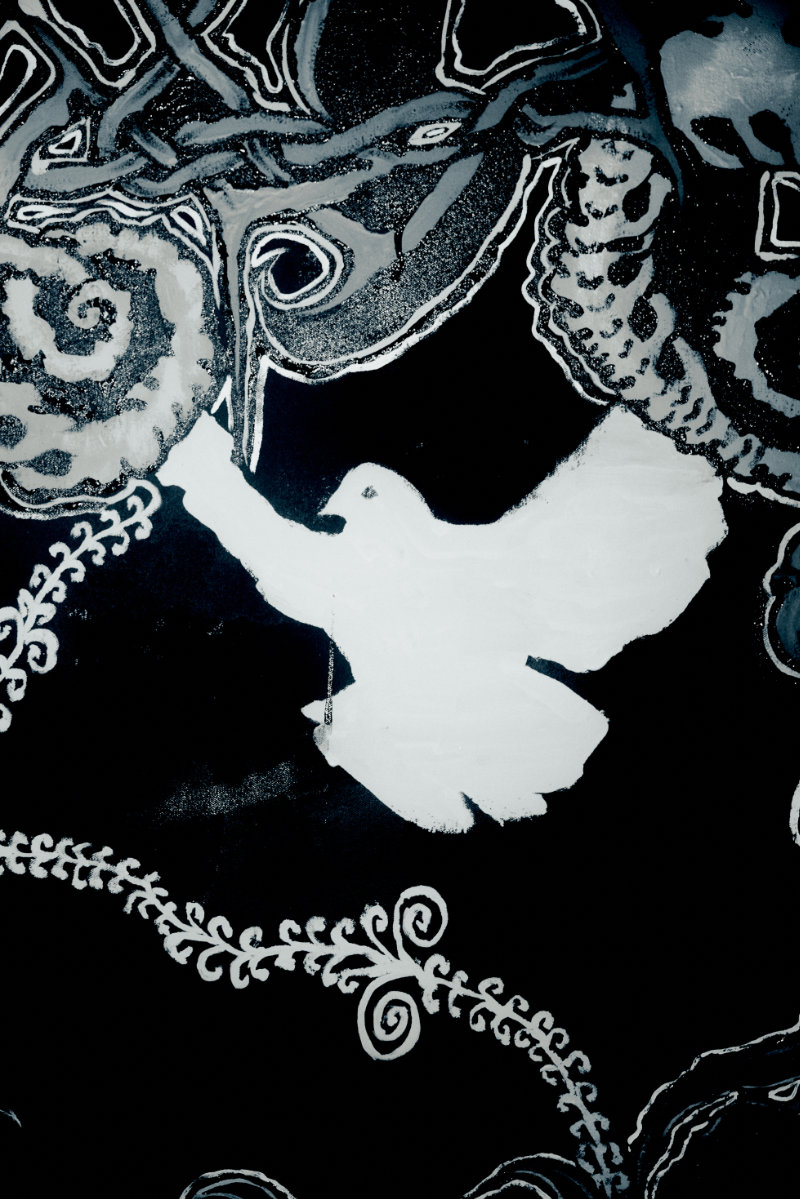
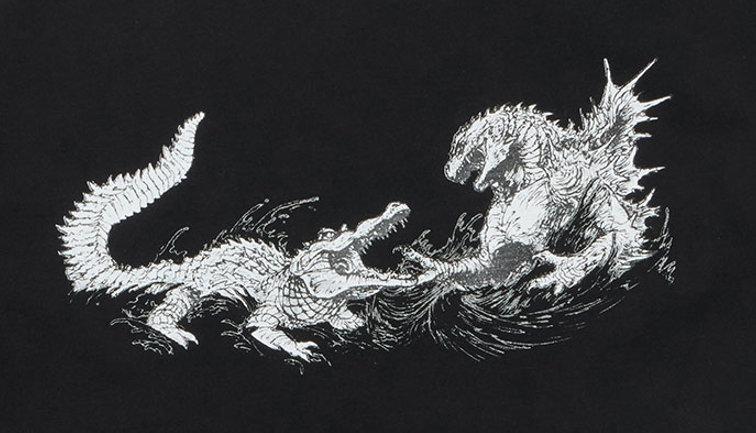
WOMBAT Art Installation