Under the co-creative direction of Miuccia Prada and Raf Simons, Prada continues to operate as one of those rare houses that resists reinvention through spectacle, instead recalibrating what is already familiar. The Fondazione Prada depot reinforces that logic almost immediately — a space that feels slightly displaced every season by design rather than intention. Its industrial scale and inherent austerity set the tone before a single look appears. This time, however, the atmosphere felt even more sharpened: glass underfoot, white light cutting across the runway like incision lines, as though the set had been engineered with intent rather than decoration. The invitation had already pointed in that direction — a rigid, almost playful object shaped like a lightsaber. Not a gesture, but a signal.
There is a particular kind of silence before Prada begins that always feels loaded, almost staged in itself. That pause stretched longer than expected, as if the room itself was being asked to adjust its focus before anything else happened. Once inside, the clothes did not wait for an introduction. They simply moved. No overt opening moment, no declared beginning — just garments already in motion. Prada rarely leans on narrative structure, yet here the absence of it felt even more pronounced. The point was not to decode a theme, but to recalibrate perception.
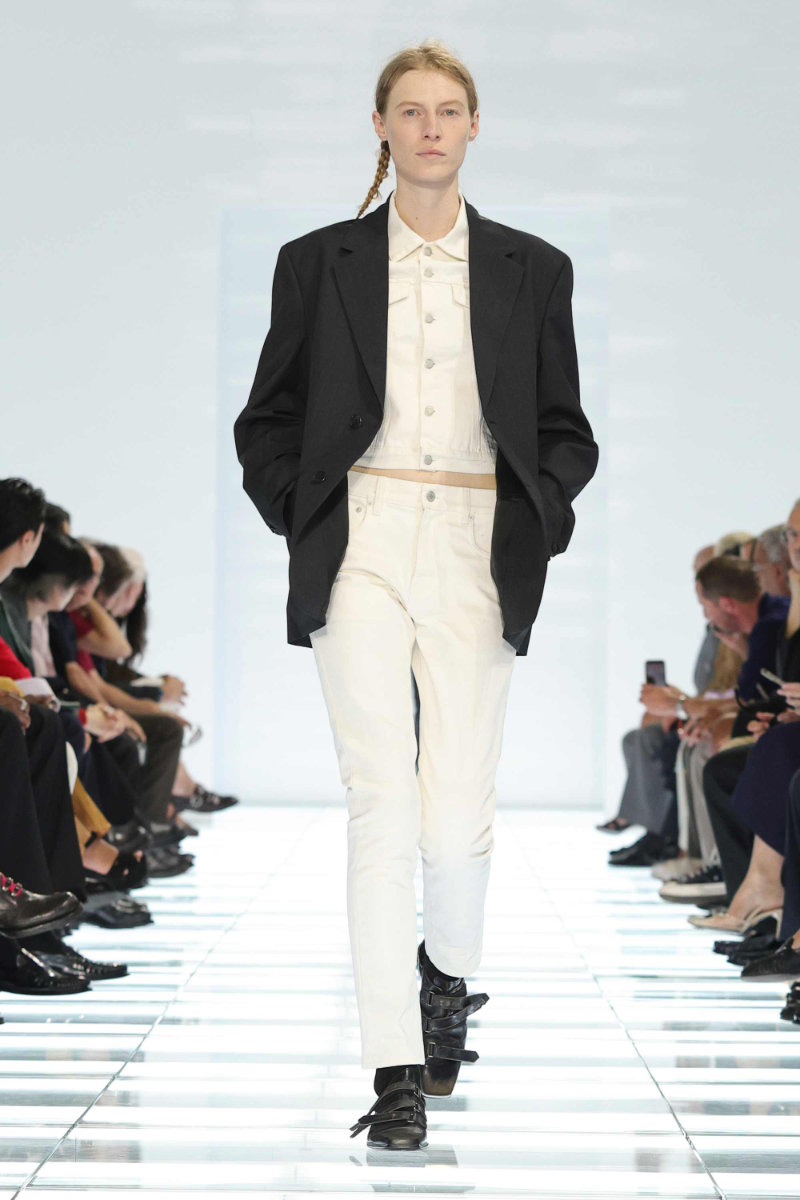
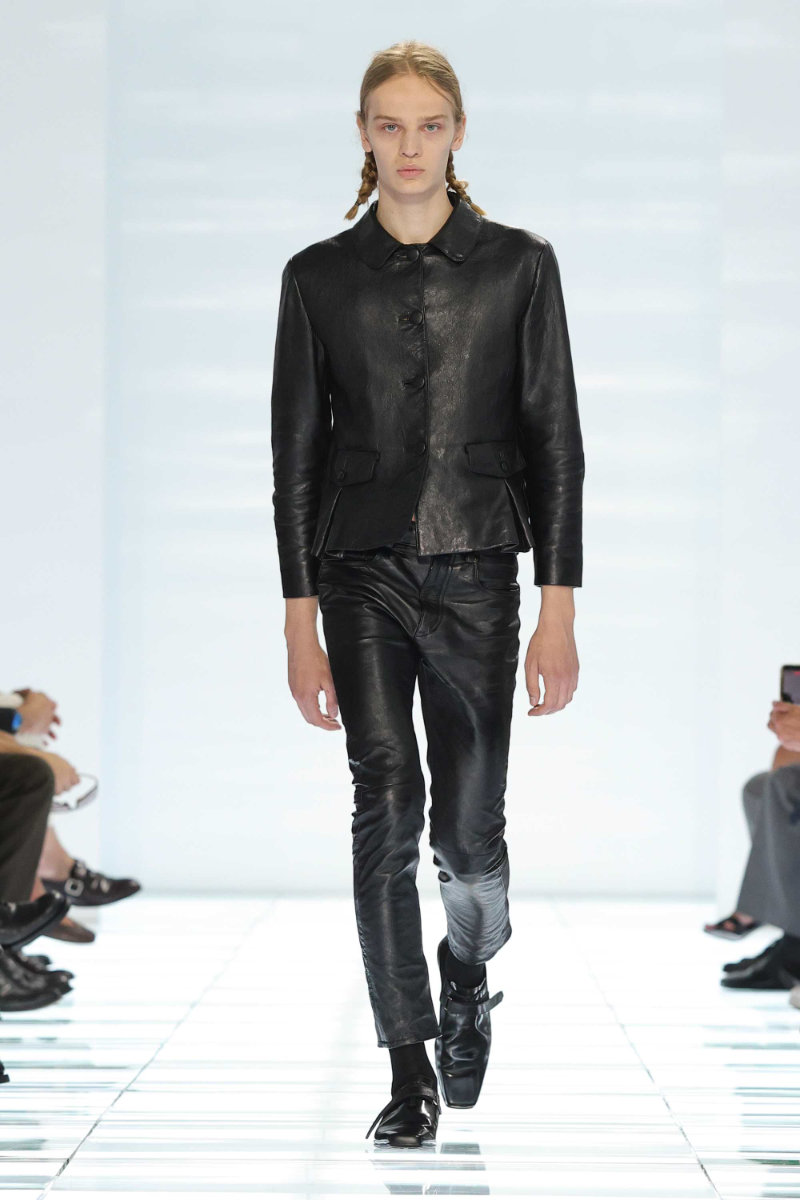
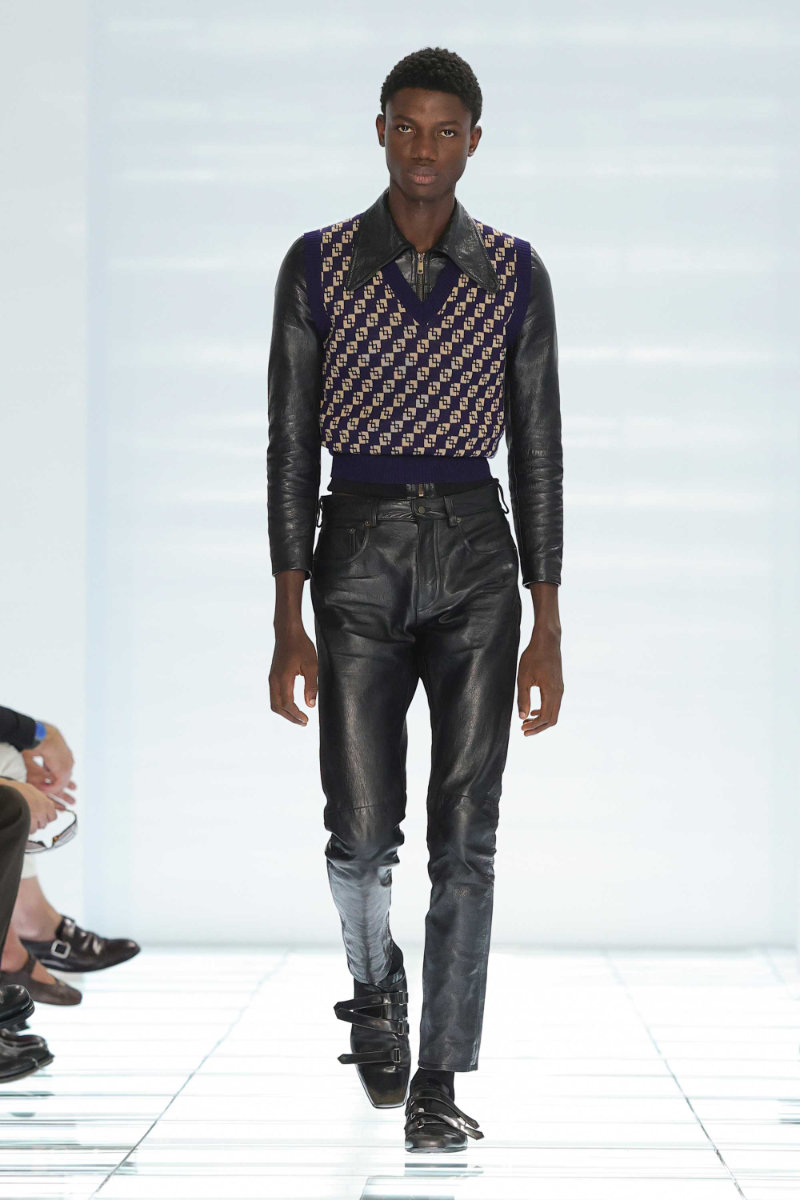
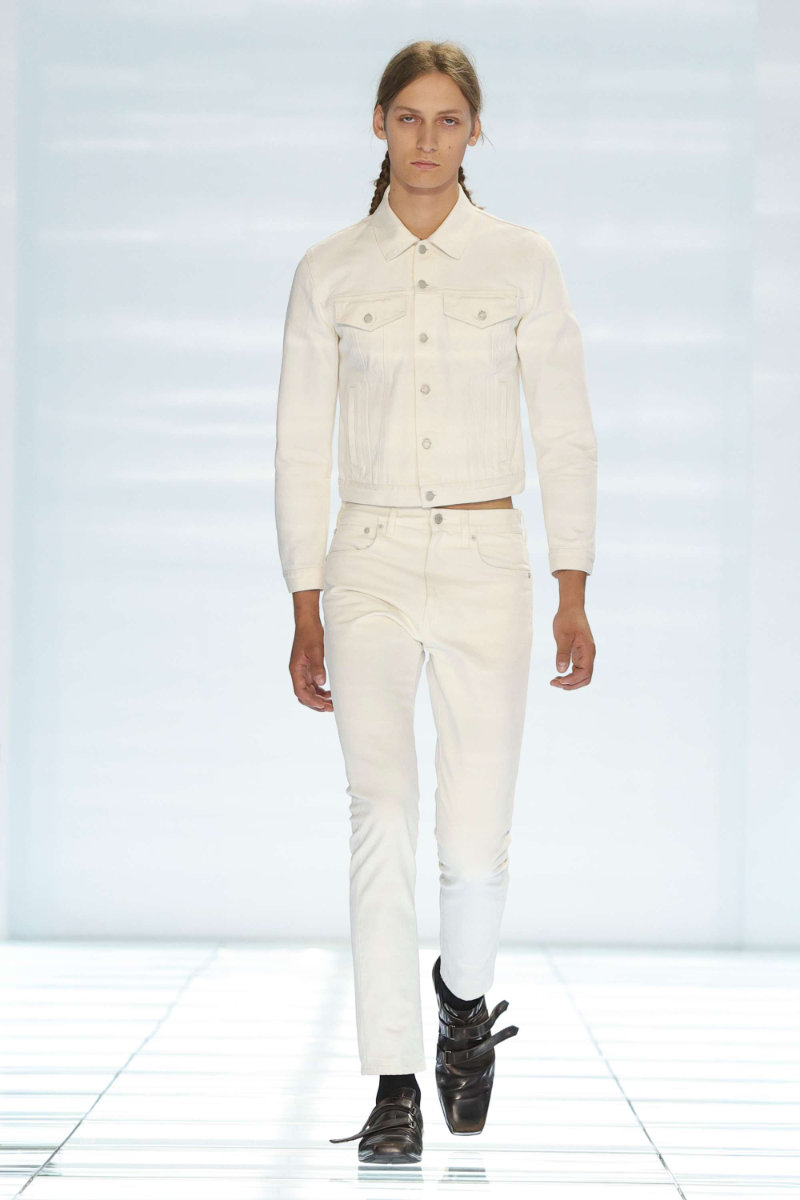
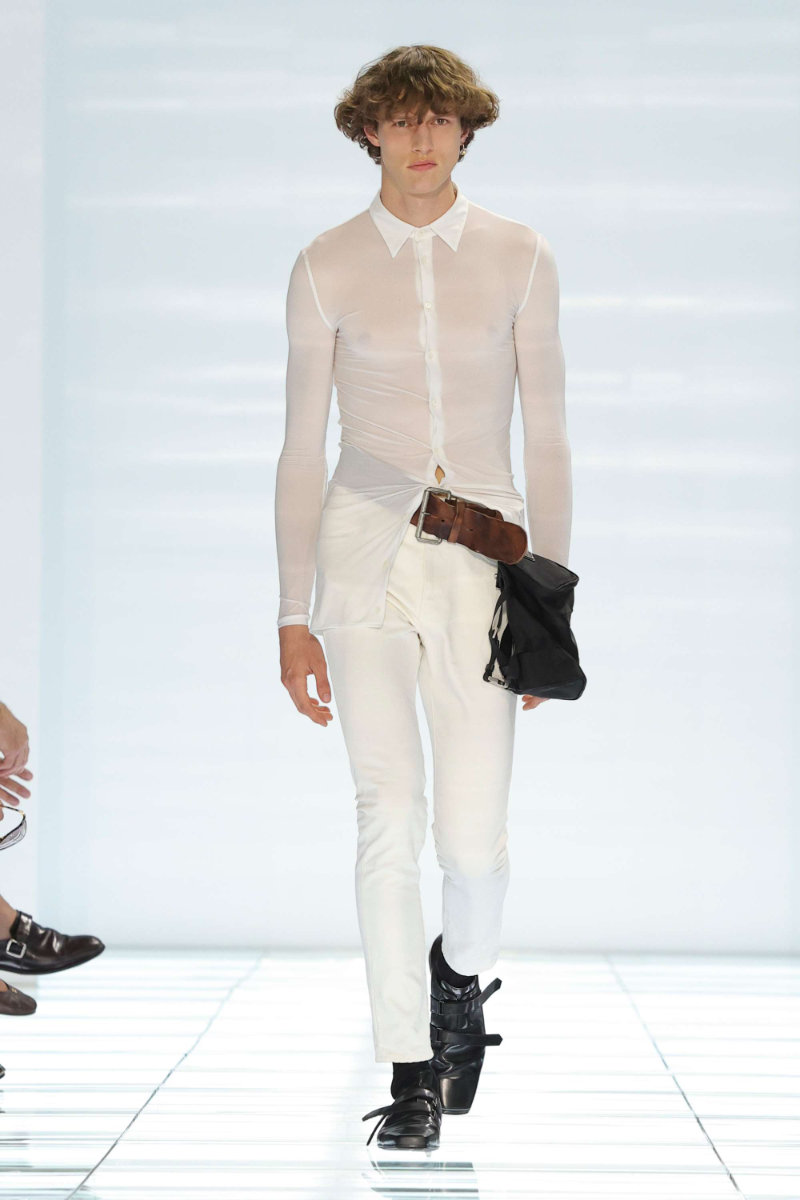
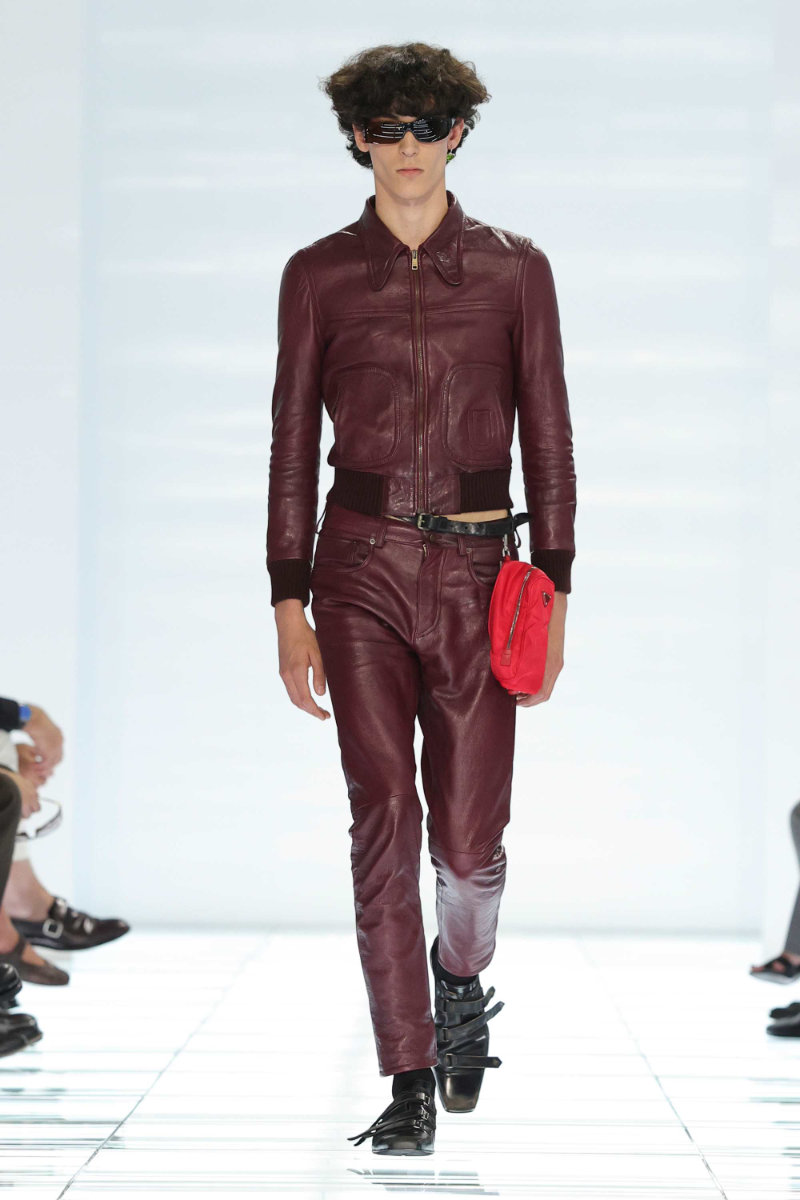
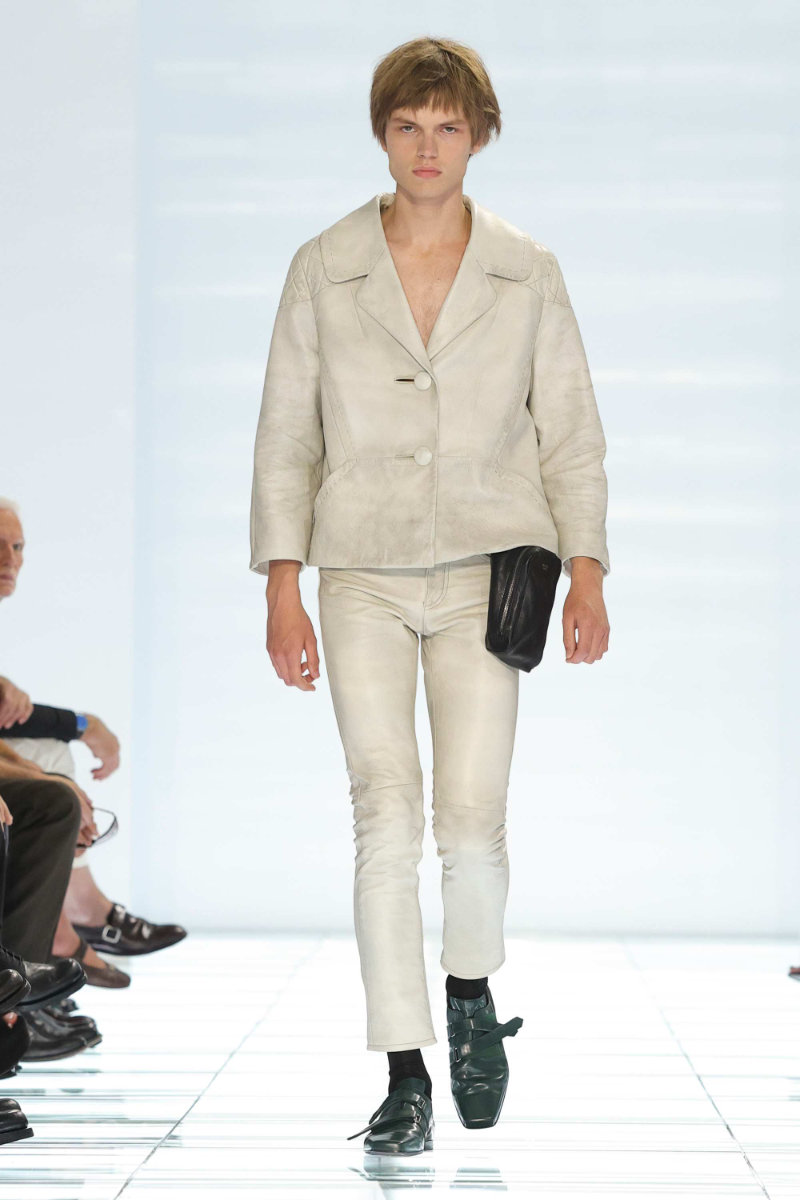
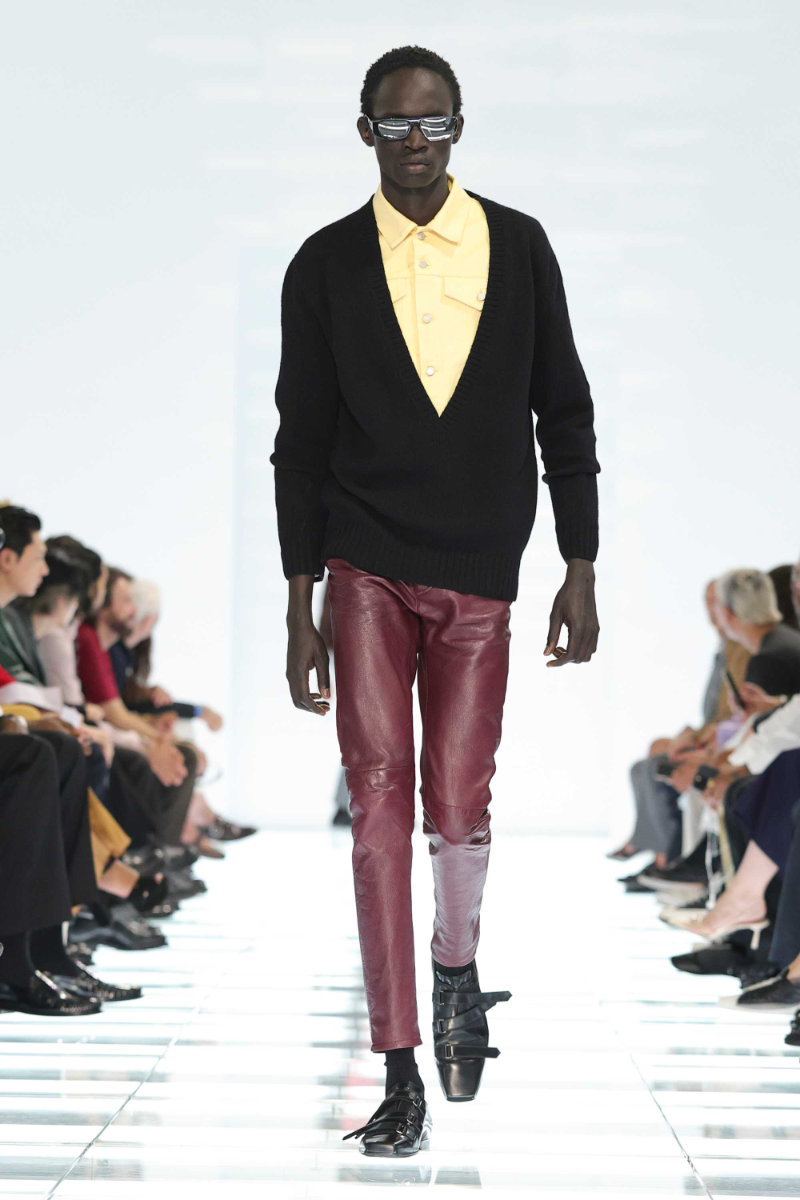
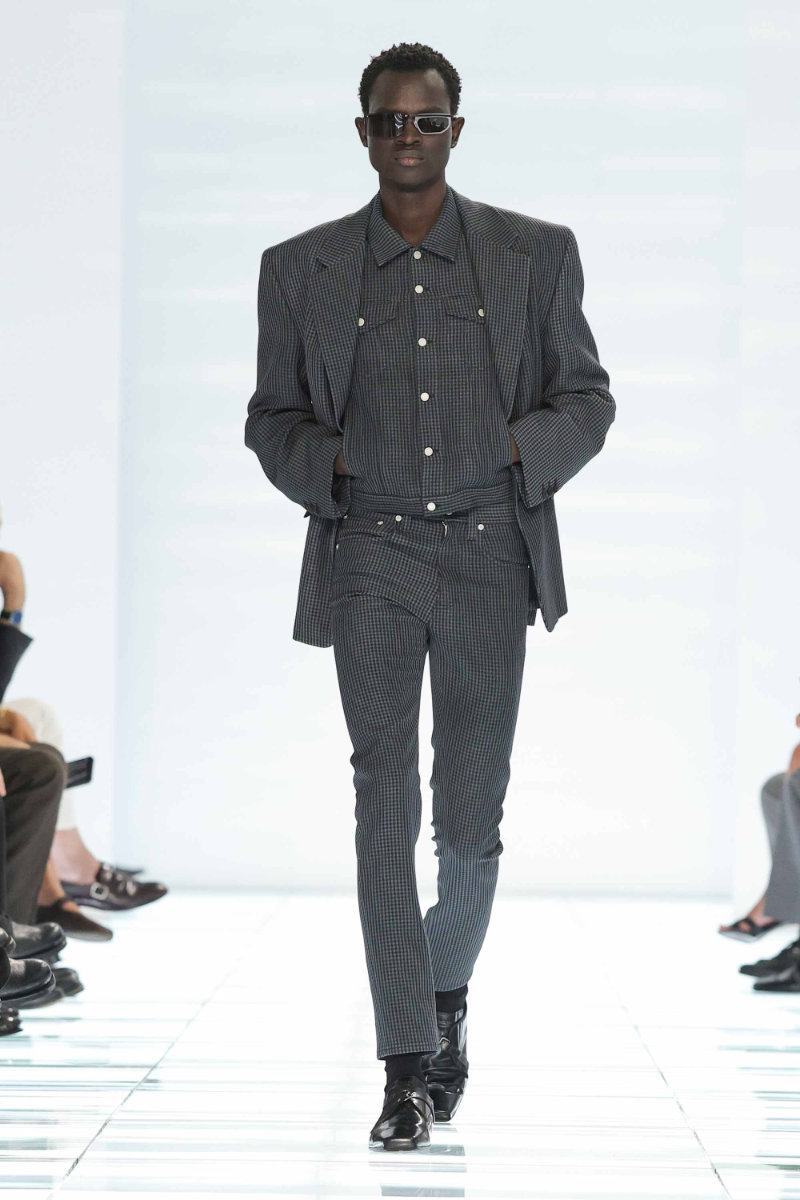
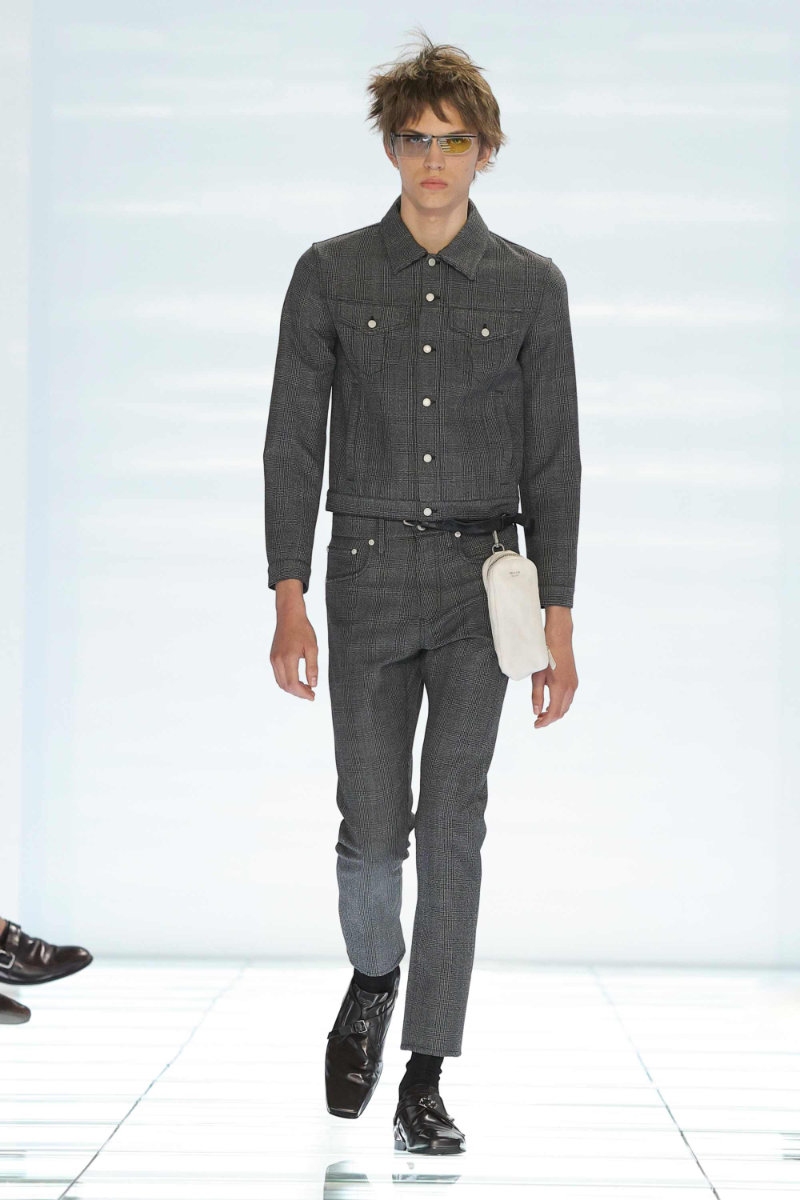
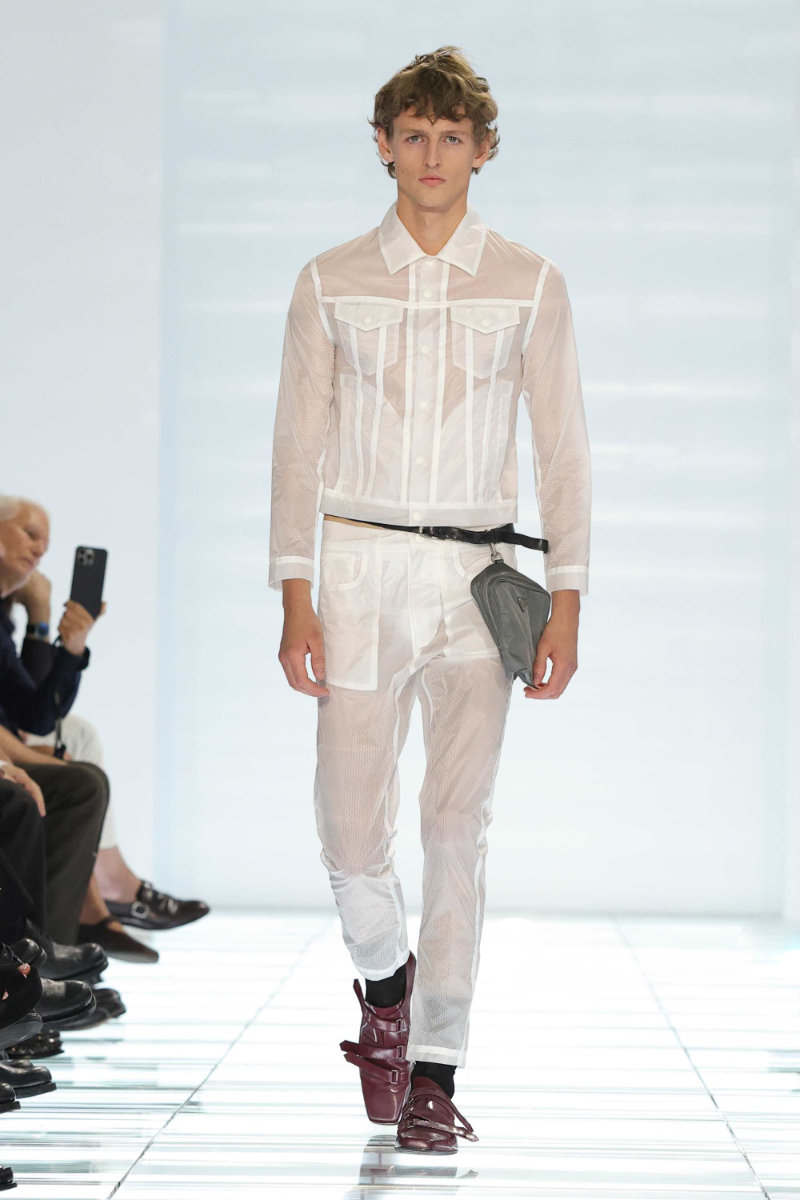
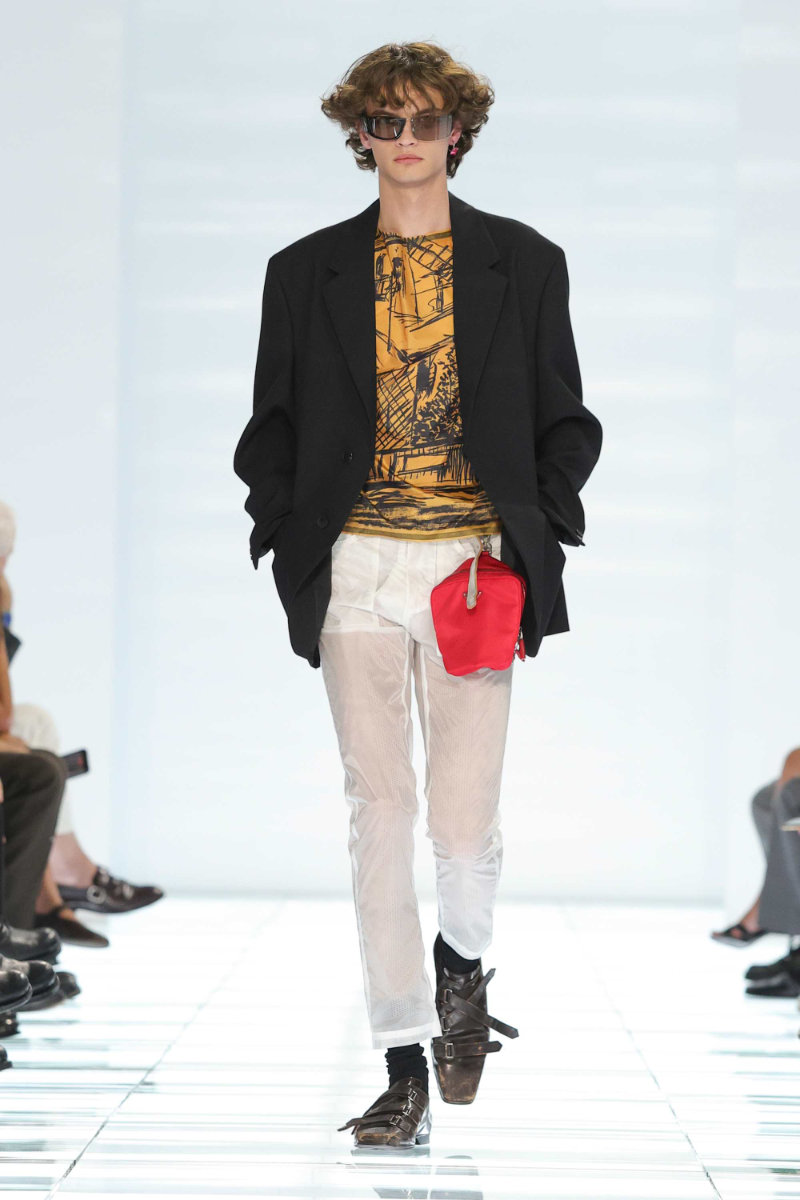
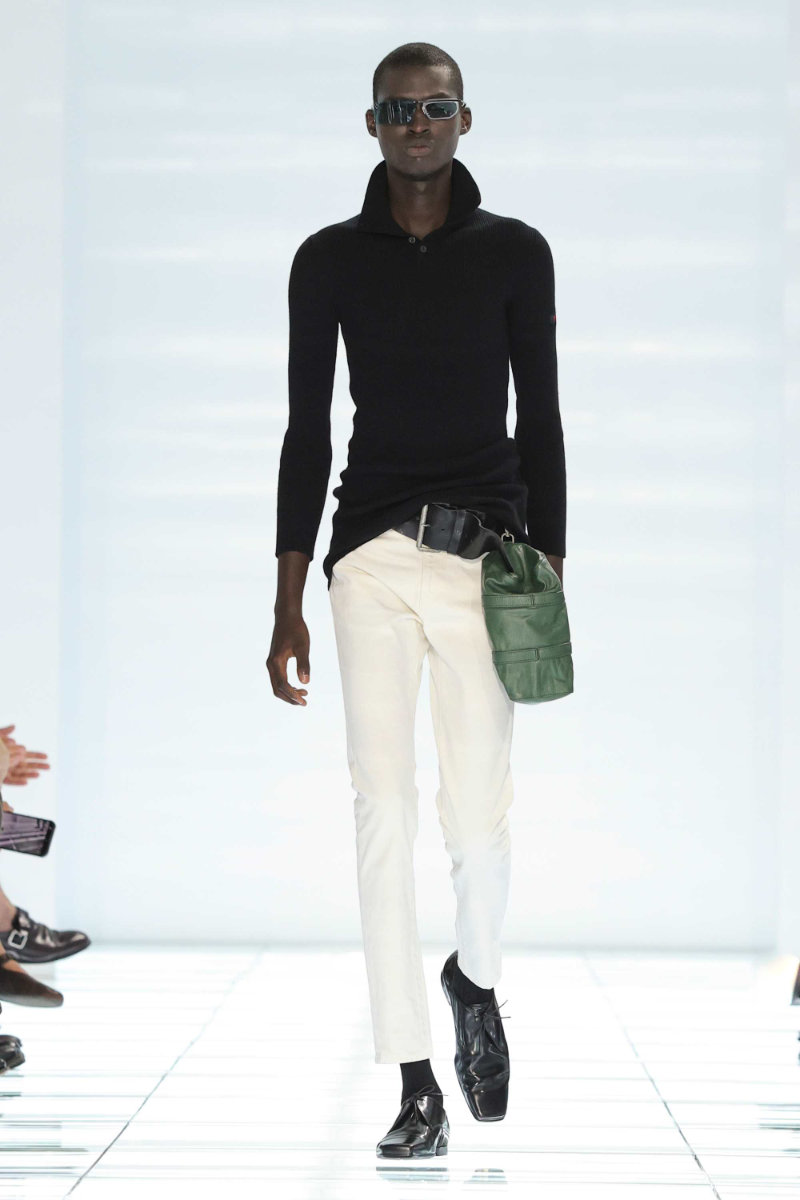
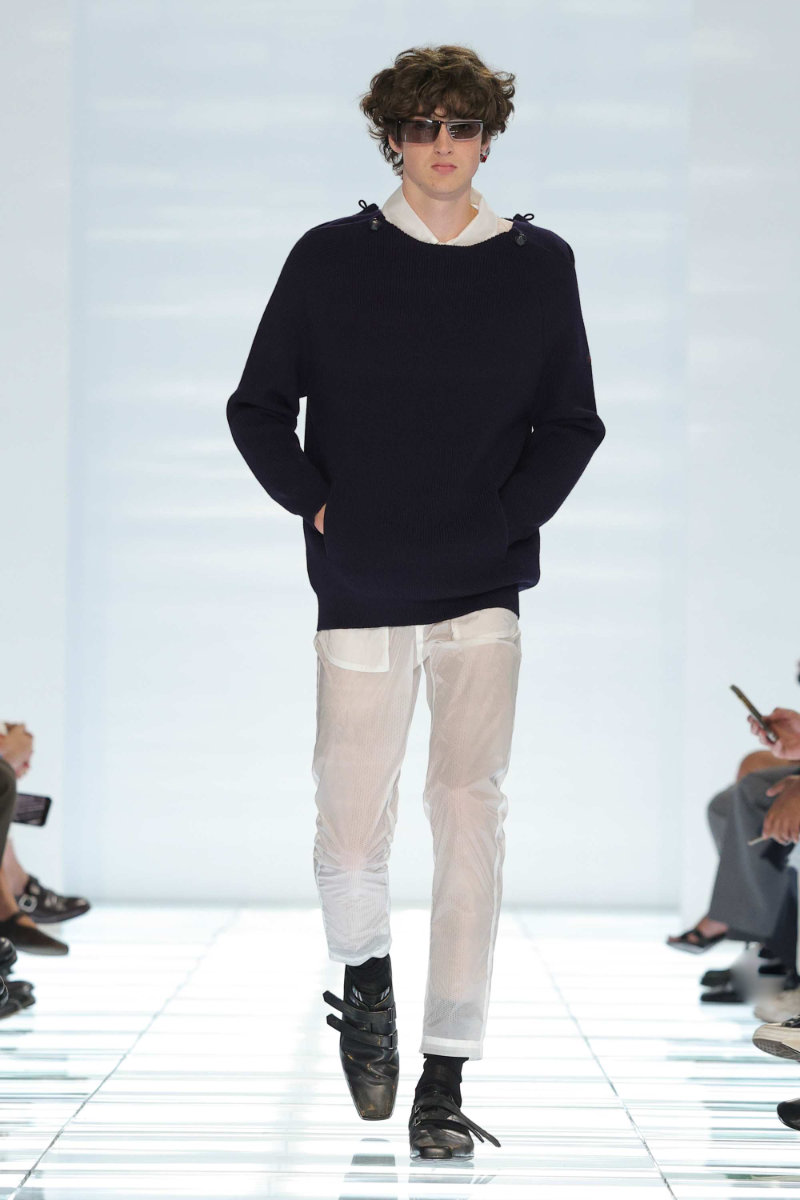
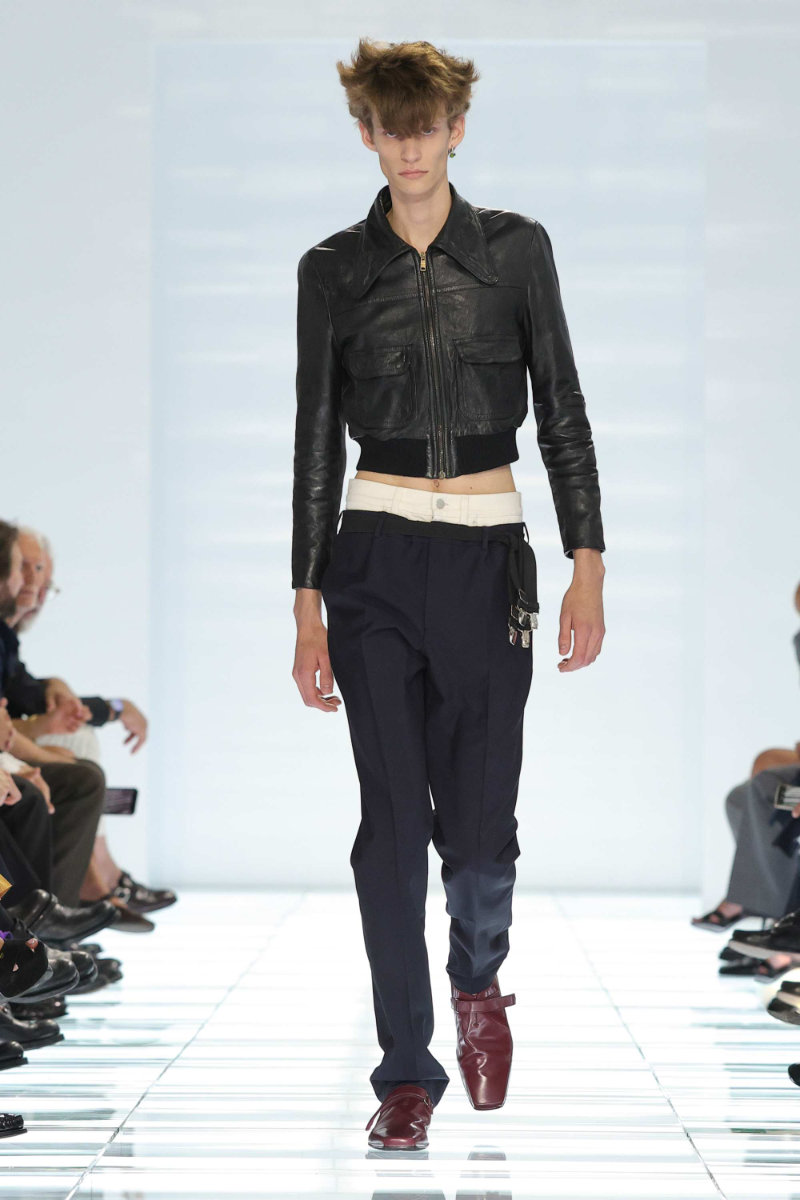
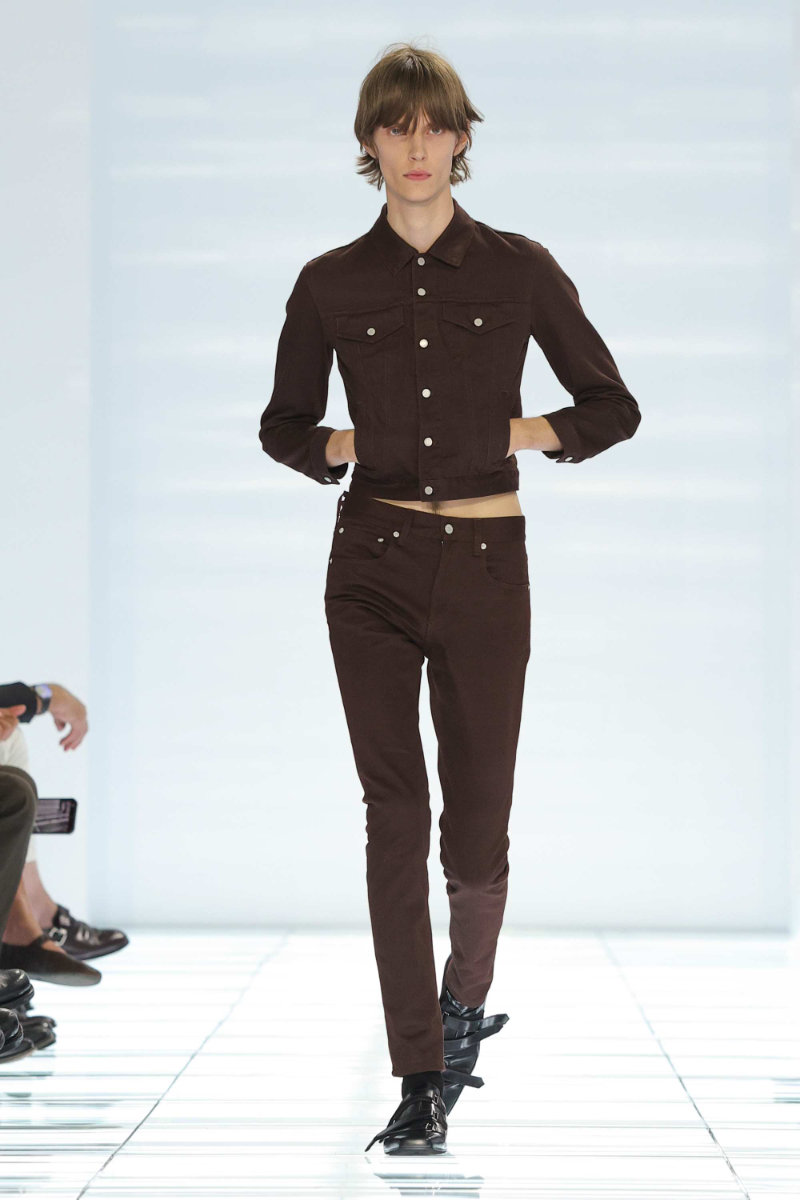
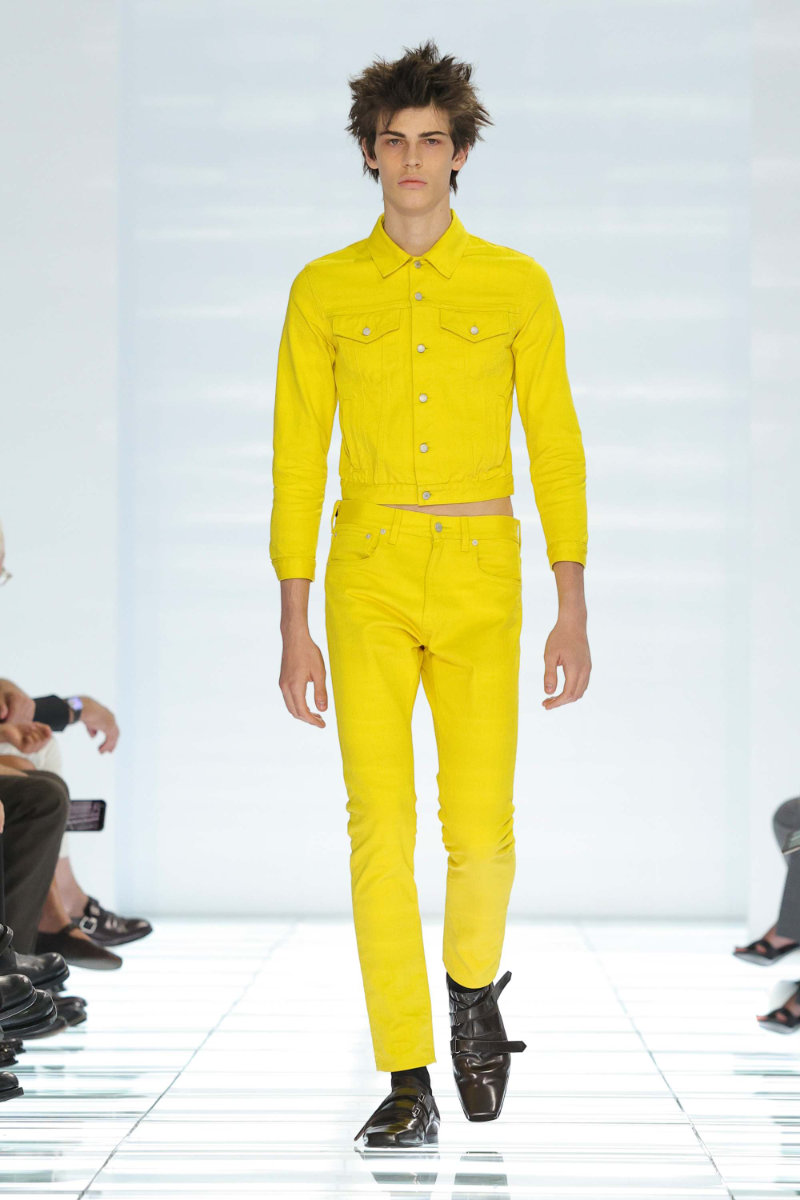
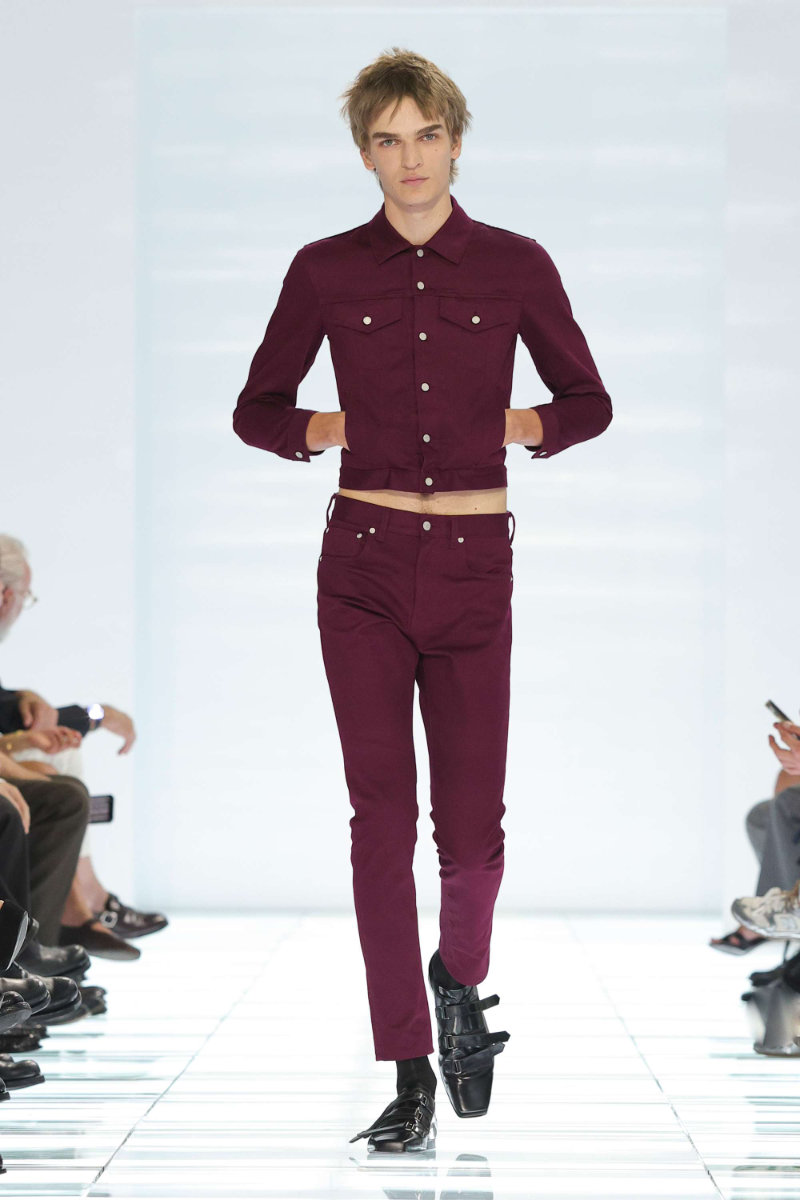
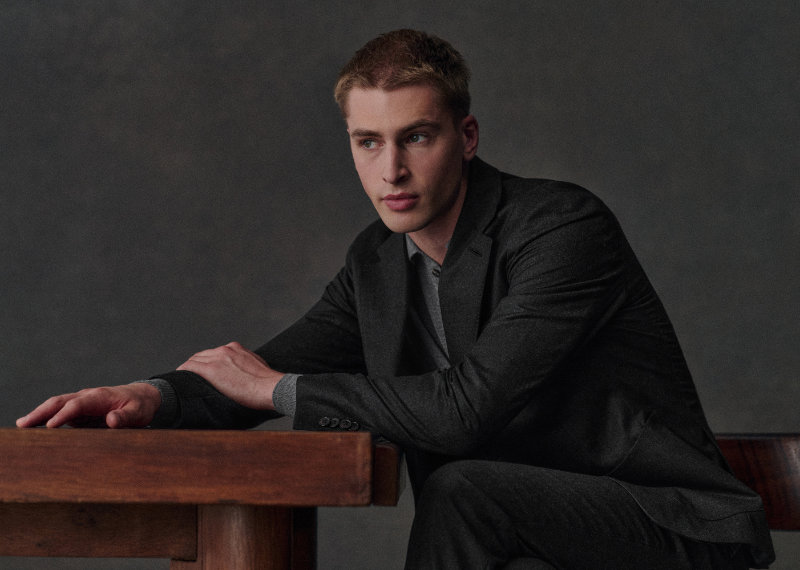
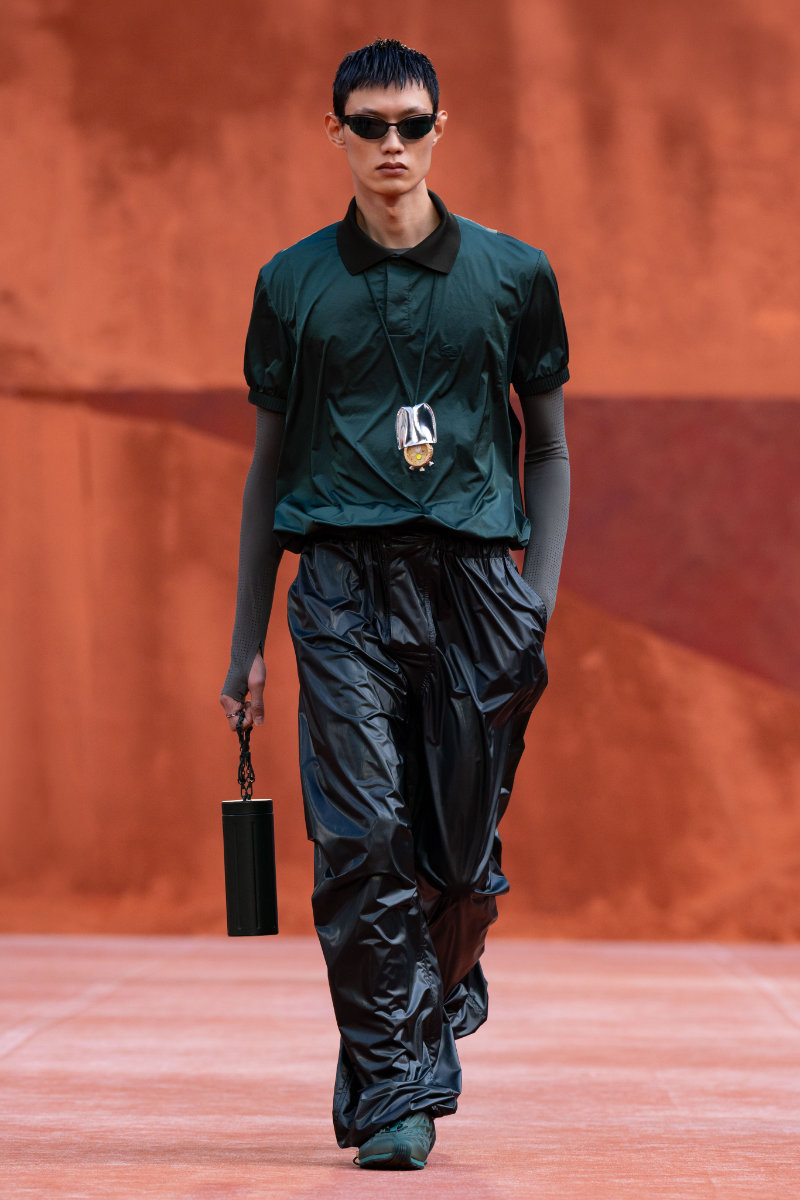
Silhouette arrives first, tightened and immediate. The return of the skinny trousers is not framed as nostalgia nor quotation, but as a decision of control. Variations unfold across nylon that clings without weight, drier tailored iterations, and sharper formal readings that retain a constant pull against the body. It is not about retrospection; it is about pressure. And once the trousers narrow, everything else stops negotiating. Shirting drops closer to the torso, occasionally slipping into sheer territory without insistence, while knitwear adheres without excess volume, and jackets remain contained, structured, almost disciplined, punctuated by elevated pockets that read less as detail and more as architecture.
A subtle discomfort emerges in how exact the proposition feels — not severity, but recalibrated proportion. What once read as balance now registers as concentration, as if familiar garments were being tested against a new set of physical expectations. The body becomes the reference point rather than the silhouette itself.
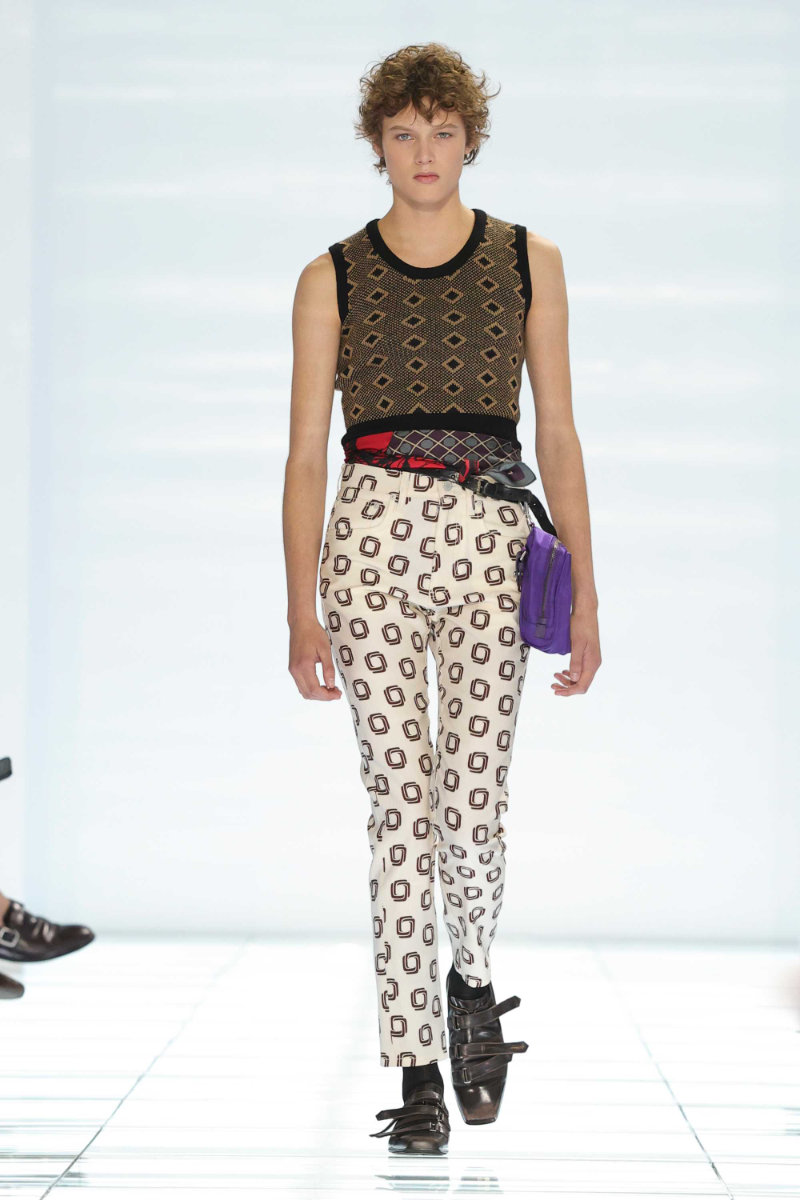
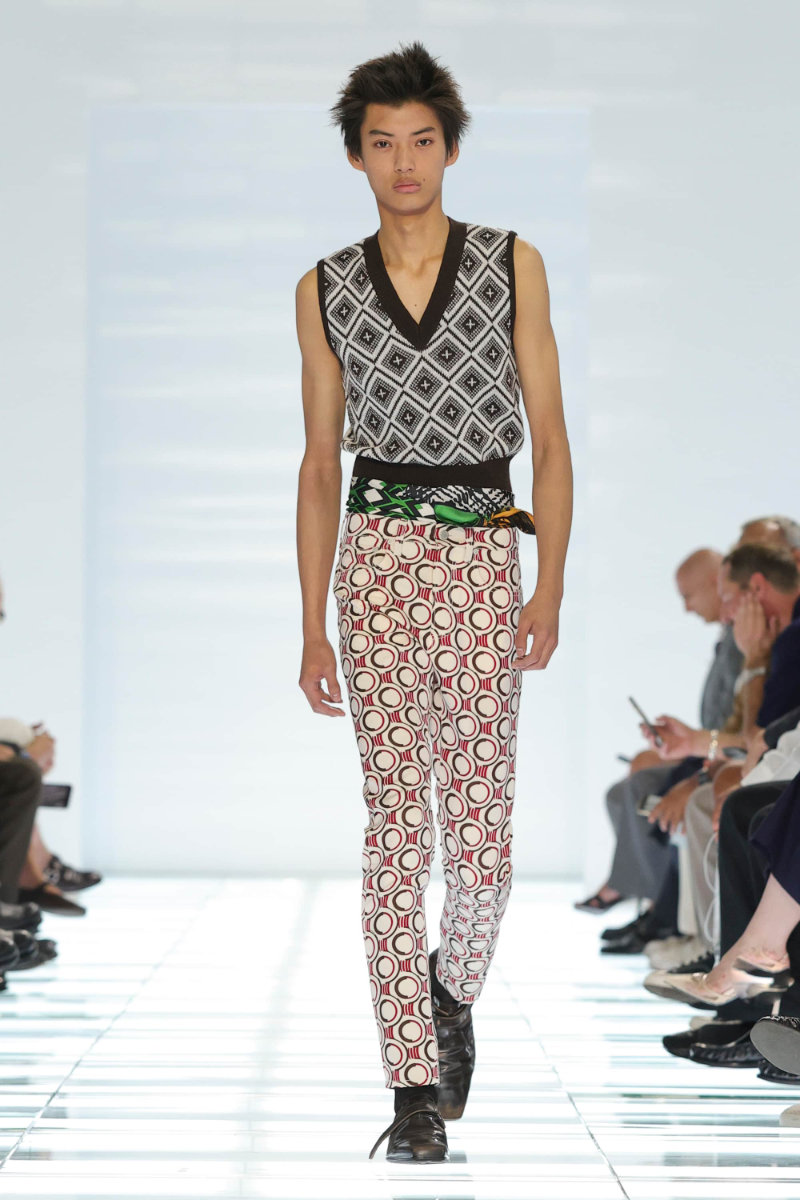
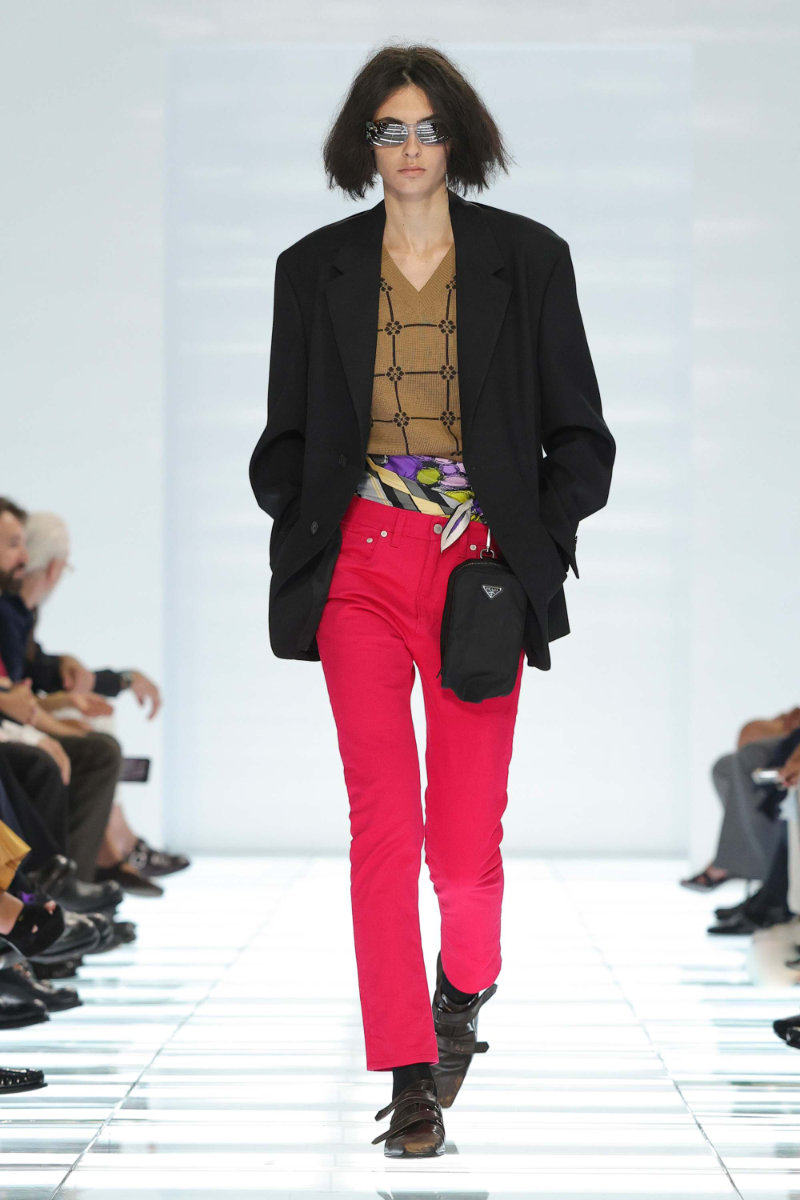
Disruption arrives through print, introduced without hierarchy. Graphic bursts, pop inflections, and echoes of an earlier Prada language from the 2010s break the continuity of an otherwise tightly held system. They do not decorate; they interrupt, loosening the grip of precision just enough to prevent the collection from settling into uniformity.
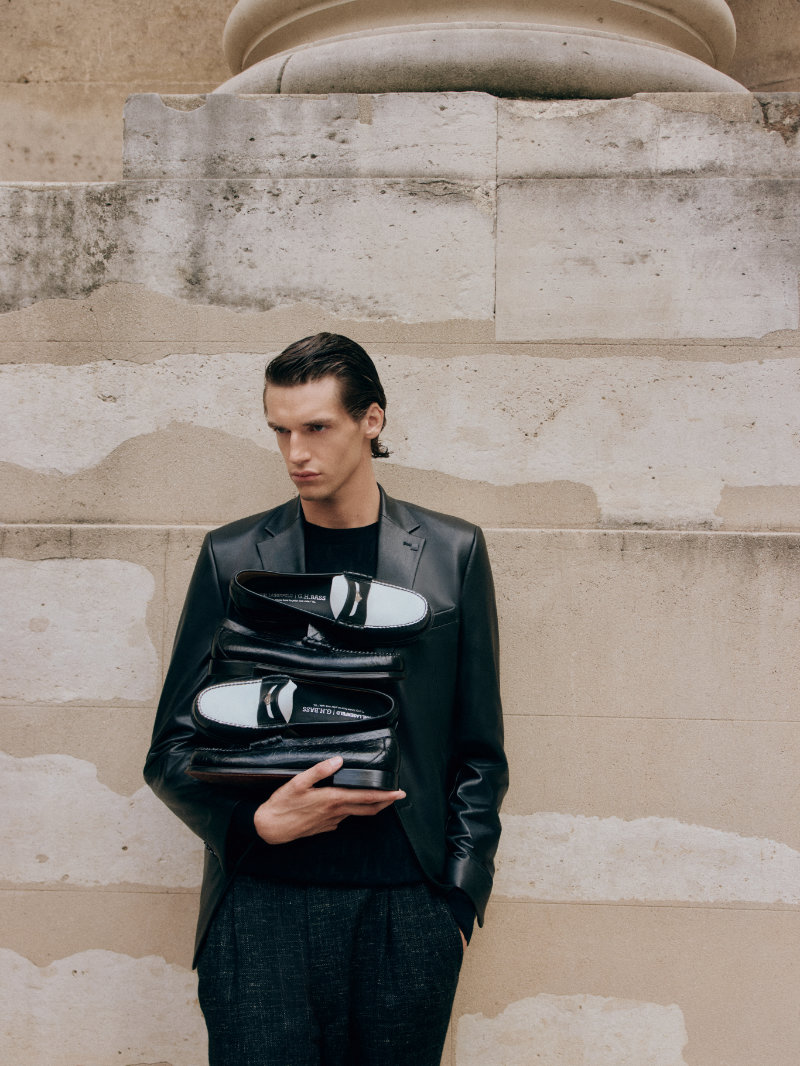
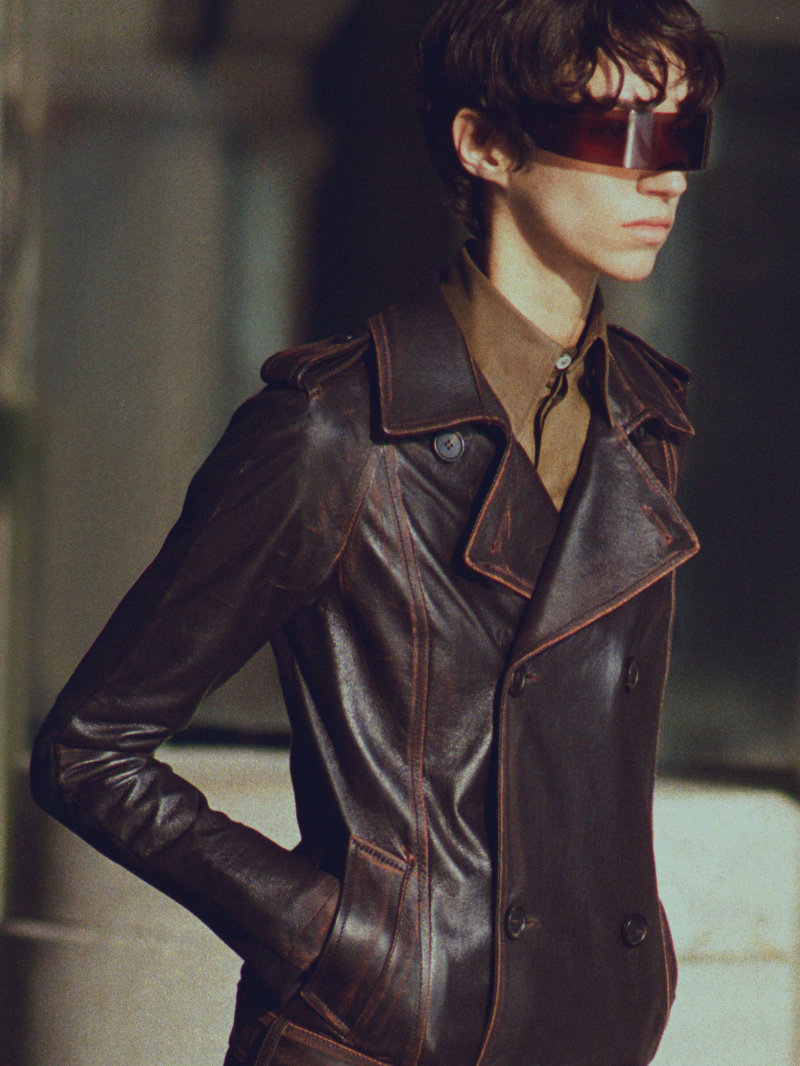
Accessories extend that same instability in smaller gestures. Elongated toe shoes subtly alter the rhythm of movement, oversized belts operate as structural anchors integrating leather and nylon pouches into the silhouette, and asymmetric eyewear refuses alignment altogether, unsettling any assumption of symmetry as default.
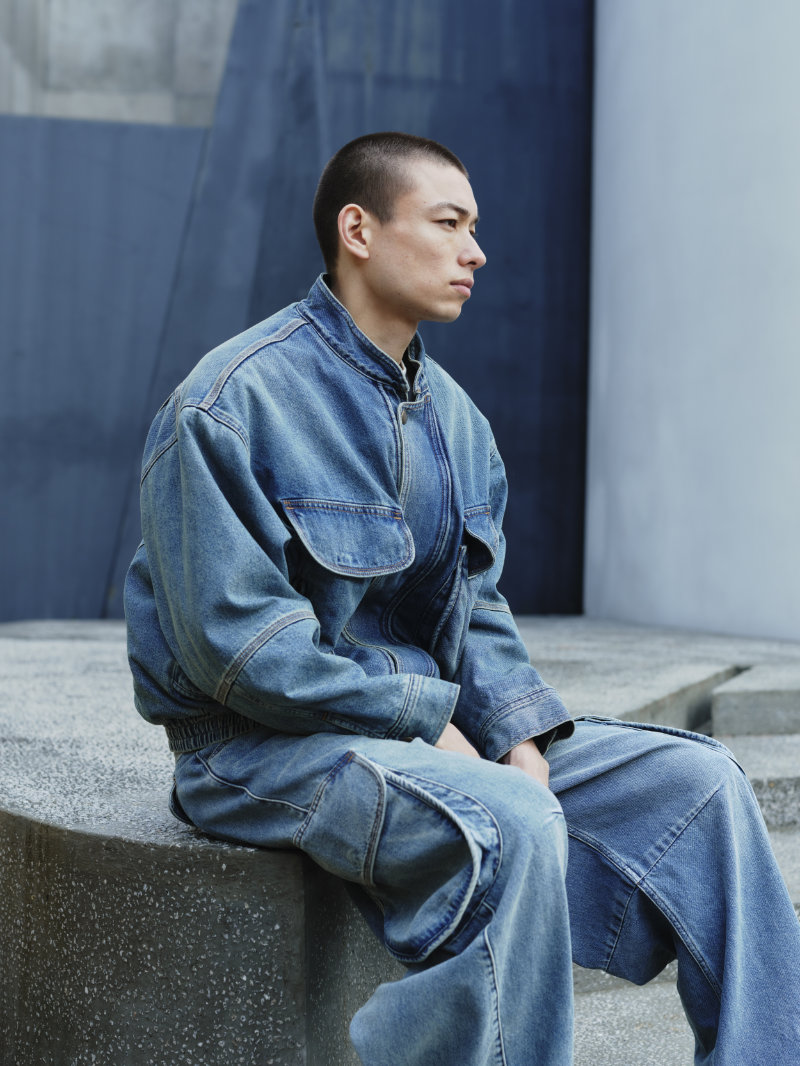
What remains is not a shift in direction but an intensification of pressure. Denim, shirting, knitwear, tailoring — all familiar codes remain intact, yet none occupy the space where instinct expects them to sit. Prada does not propose novelty through invention; it tightens the familiar until it behaves differently.
In that recalibration, recognition briefly fails, and attention sharpens in response. That moment of hesitation, almost imperceptible, is where the proposal finds its register.
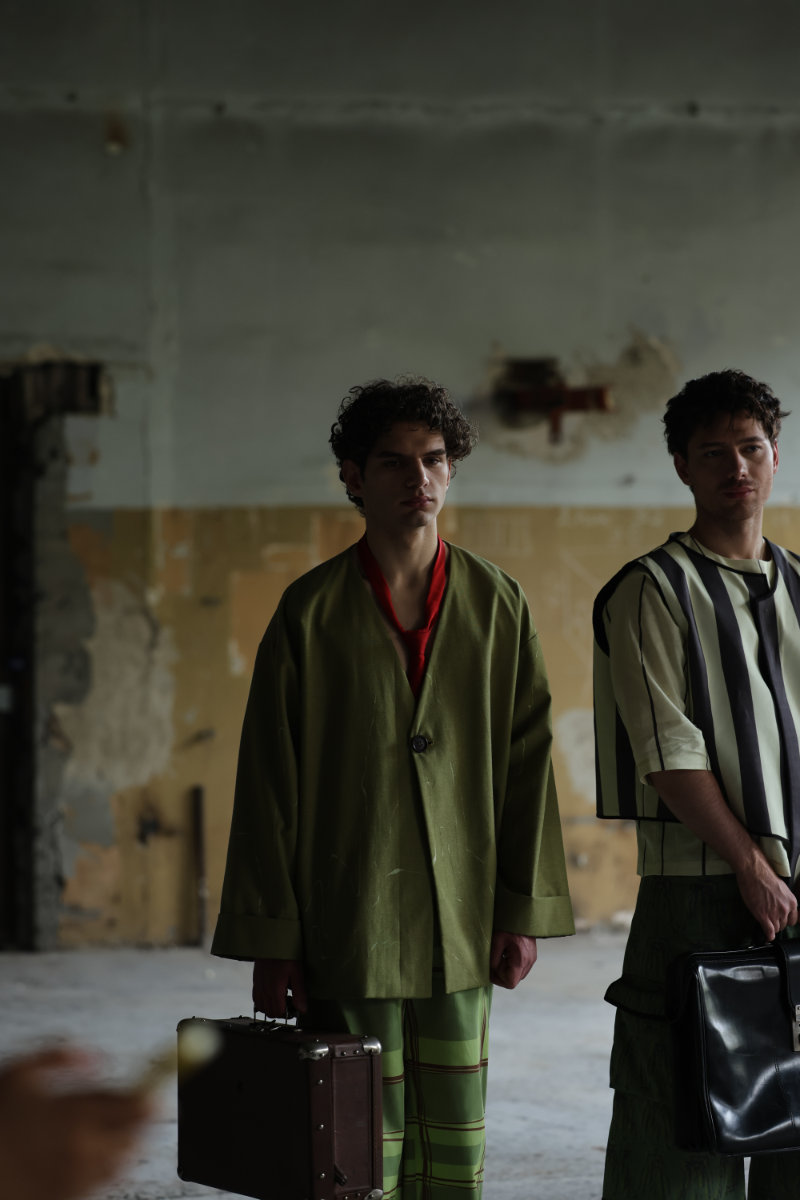
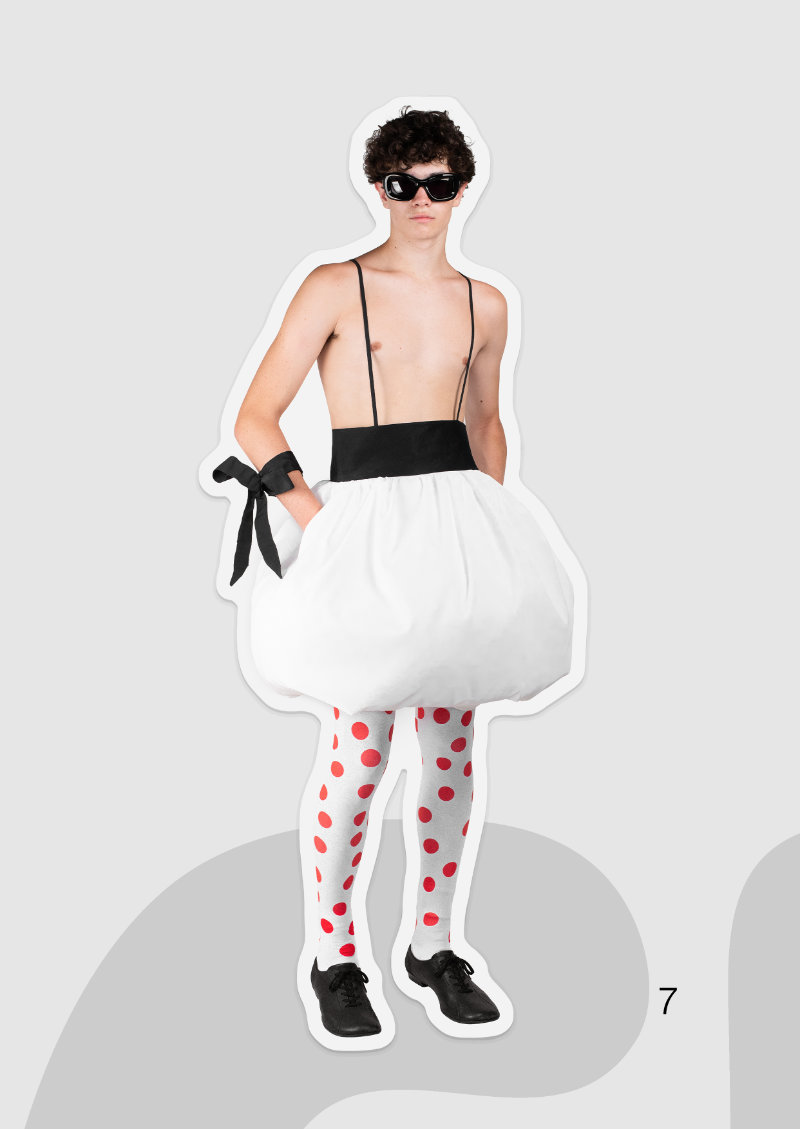
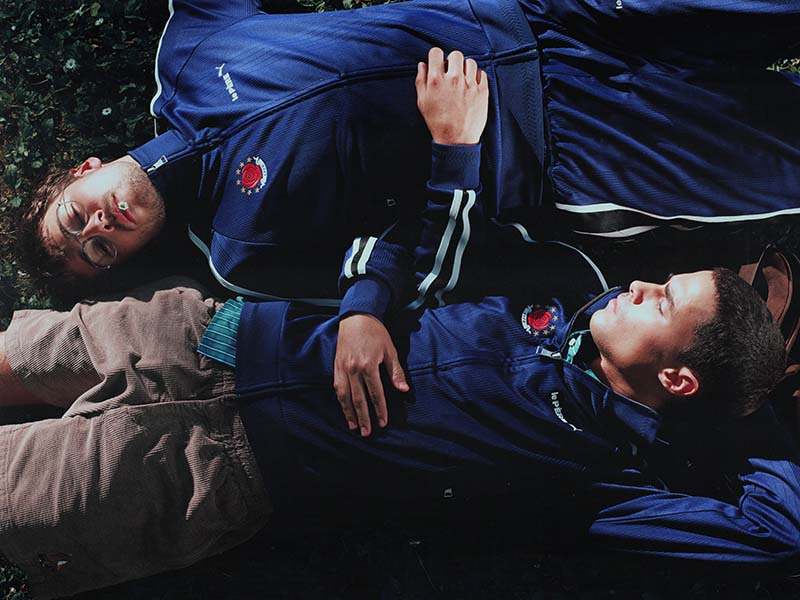
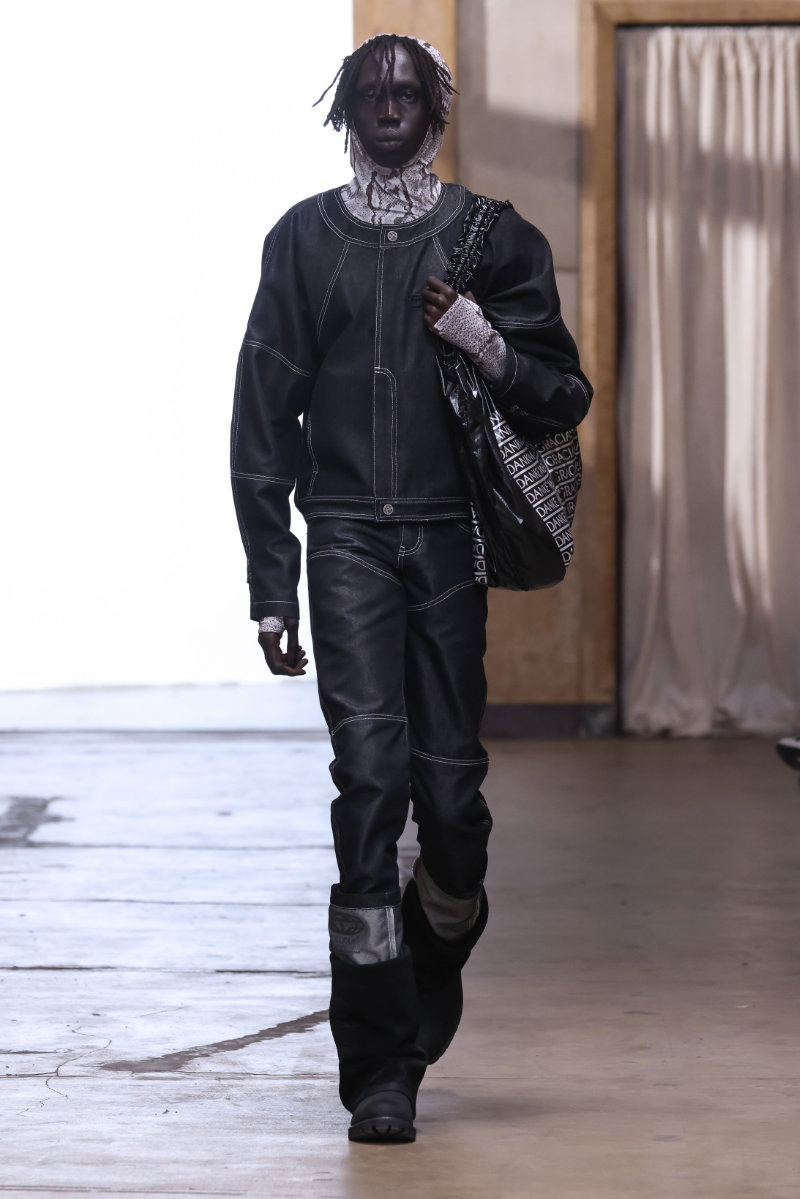
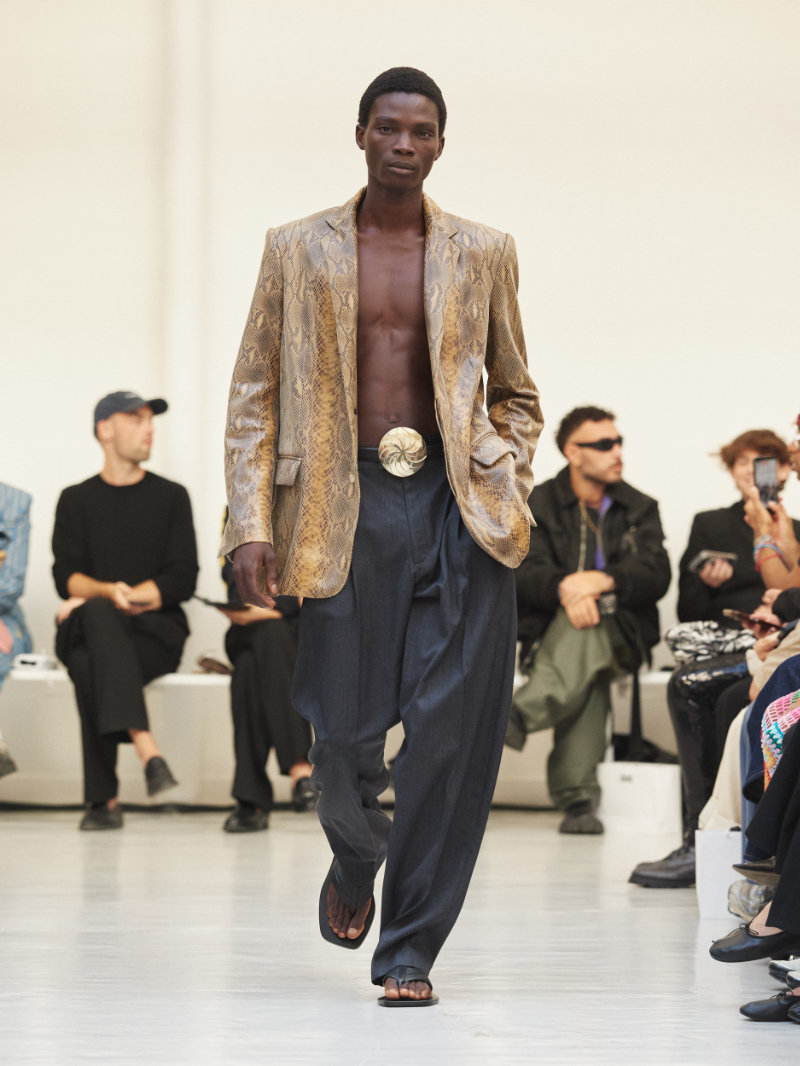
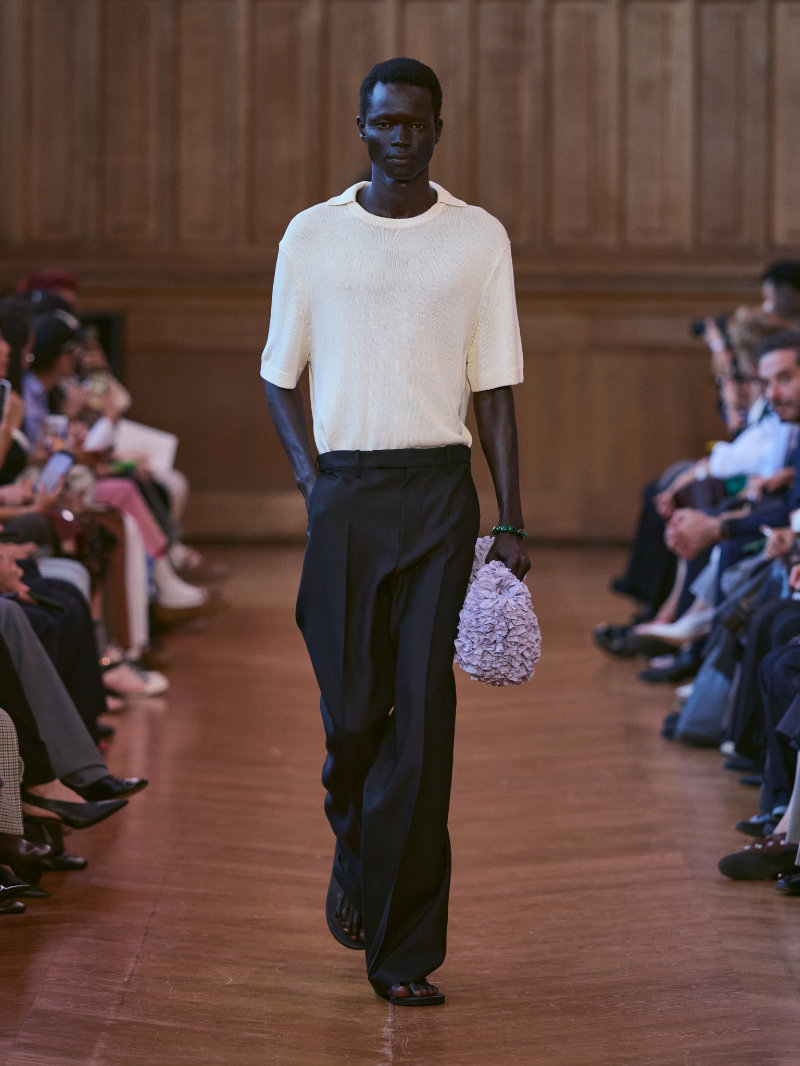
Check out the best looks from Prada’s Spring/Summer 2027 collection below: