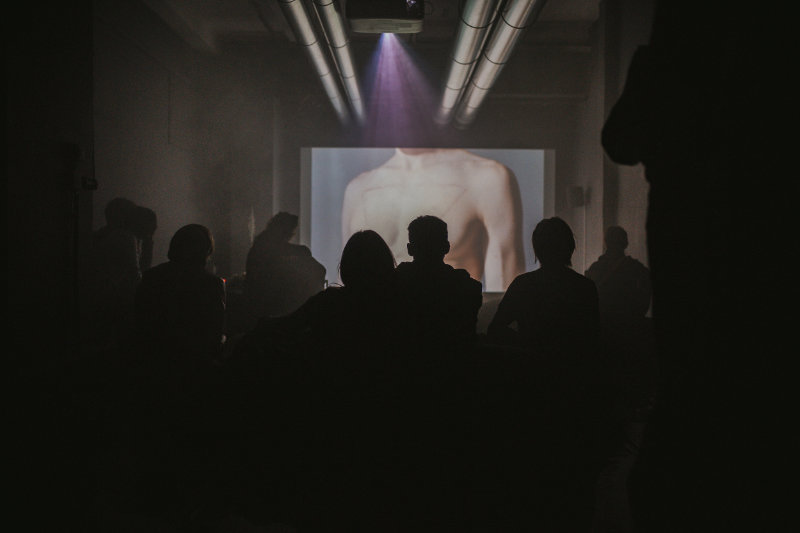
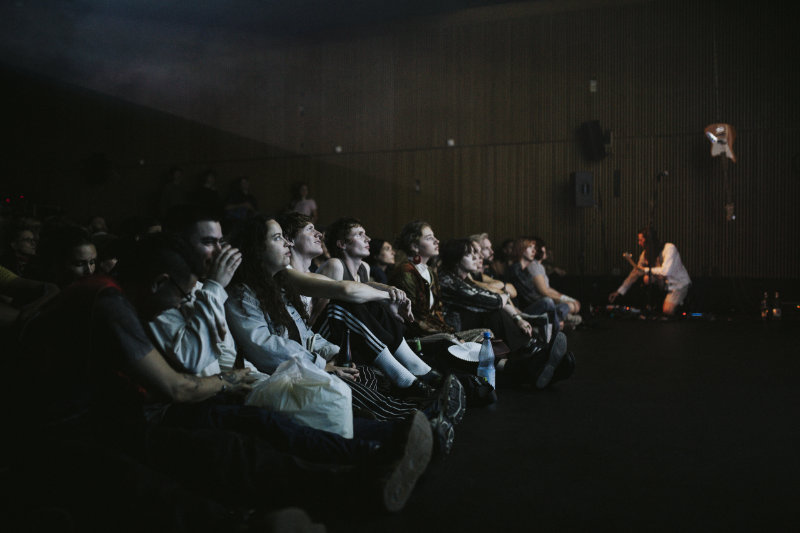
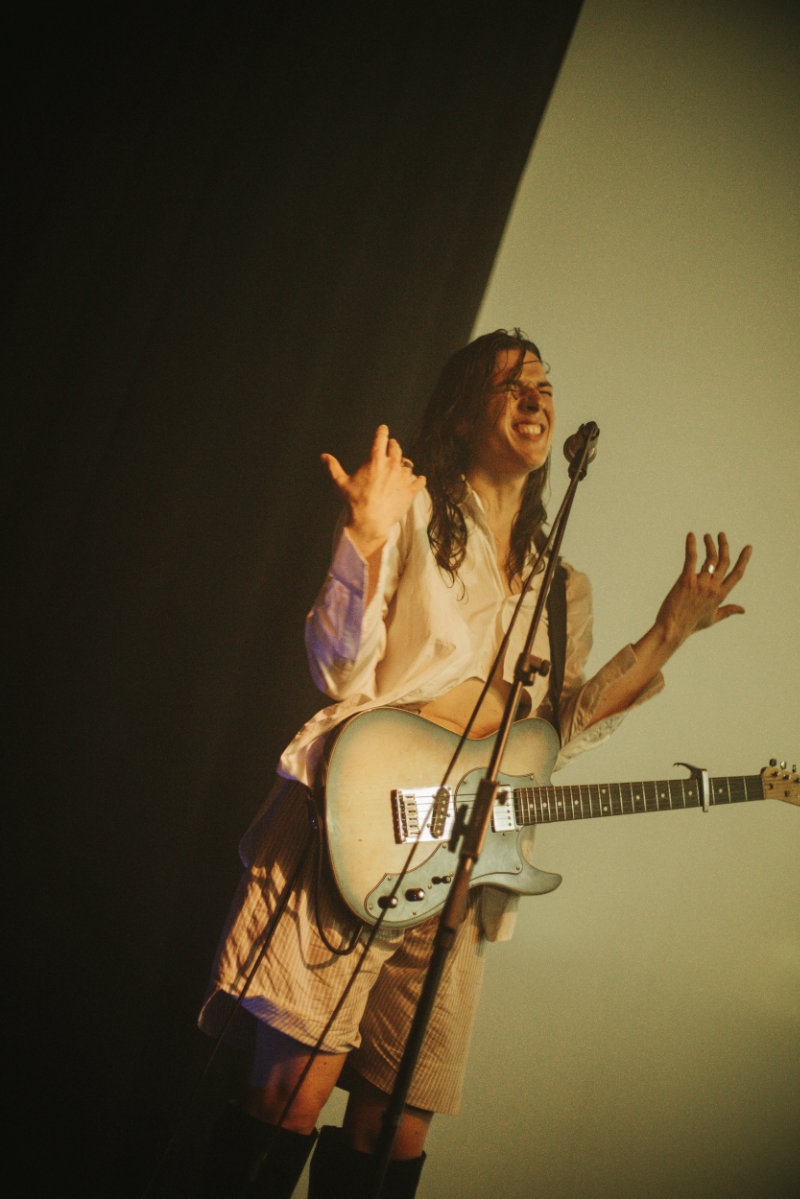
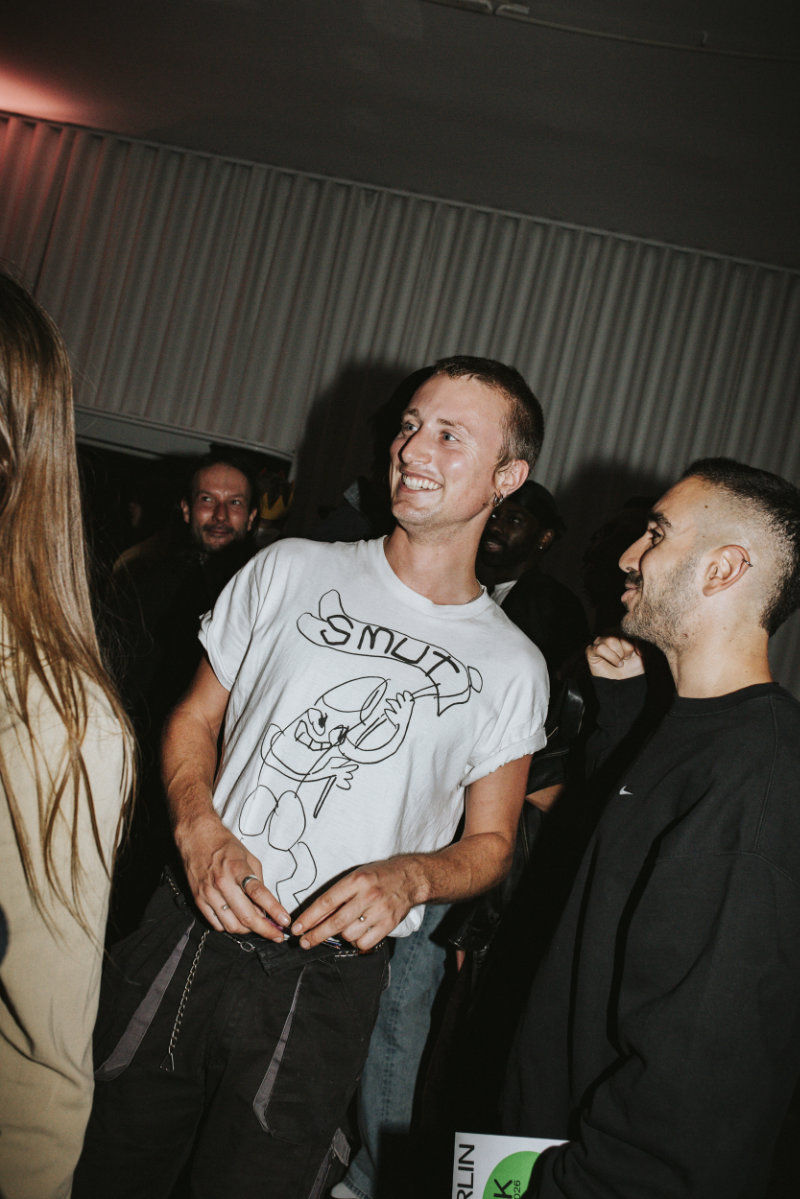
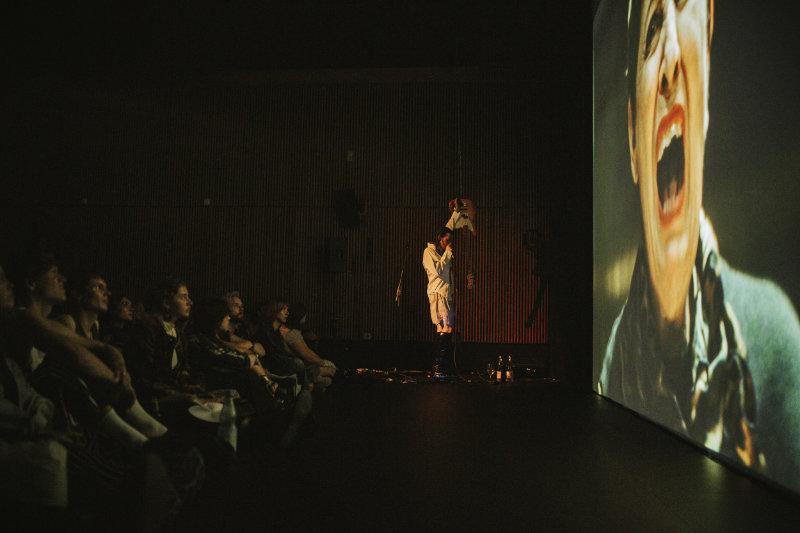
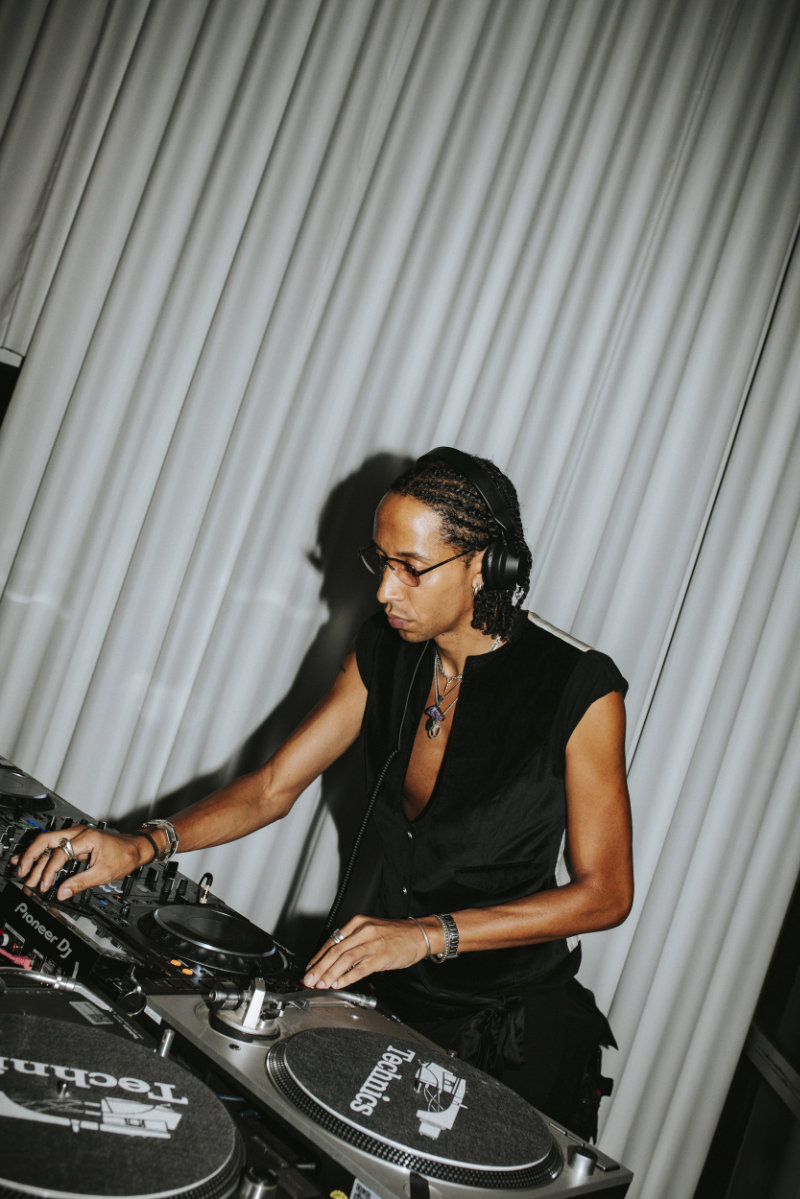
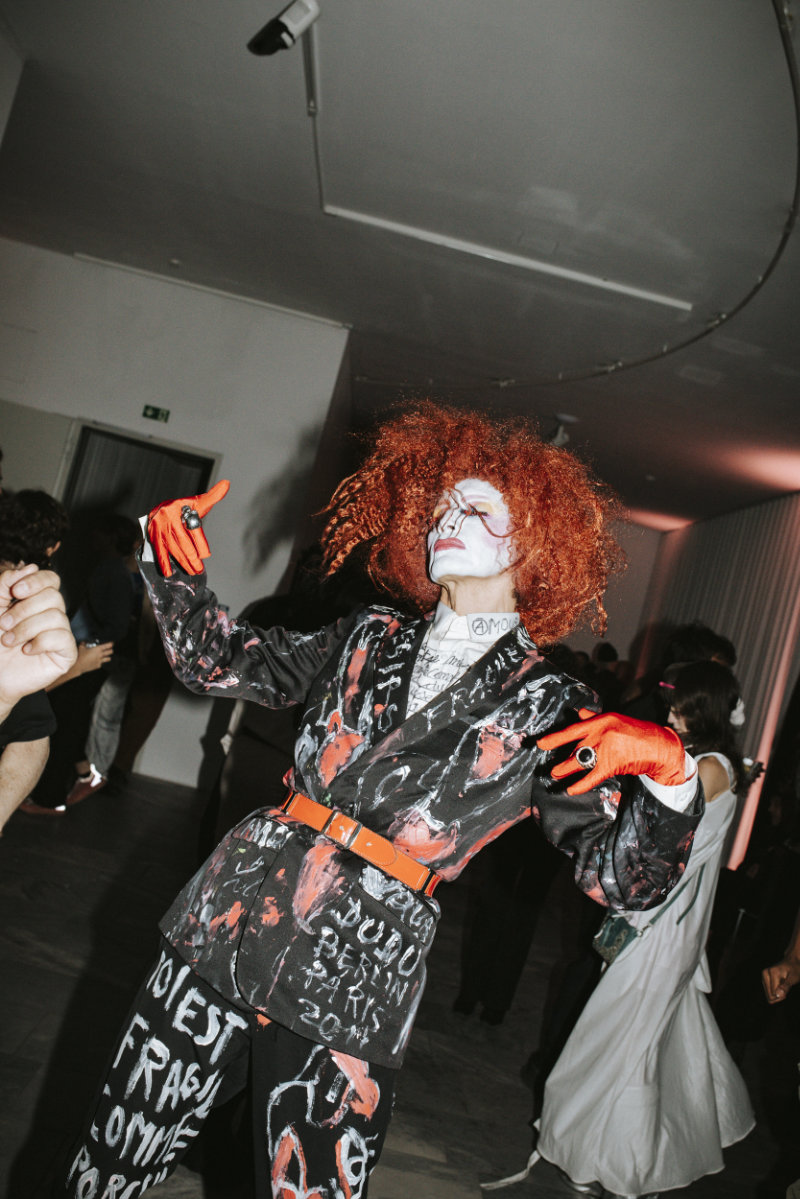
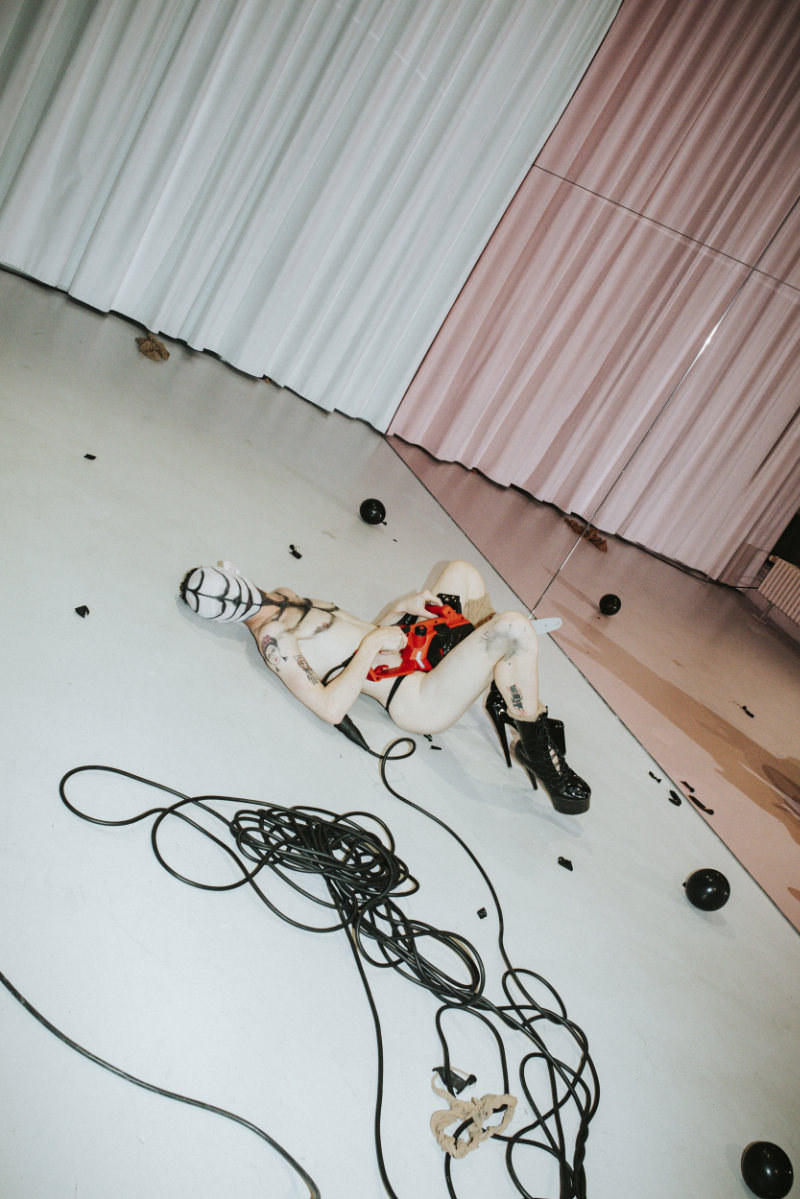
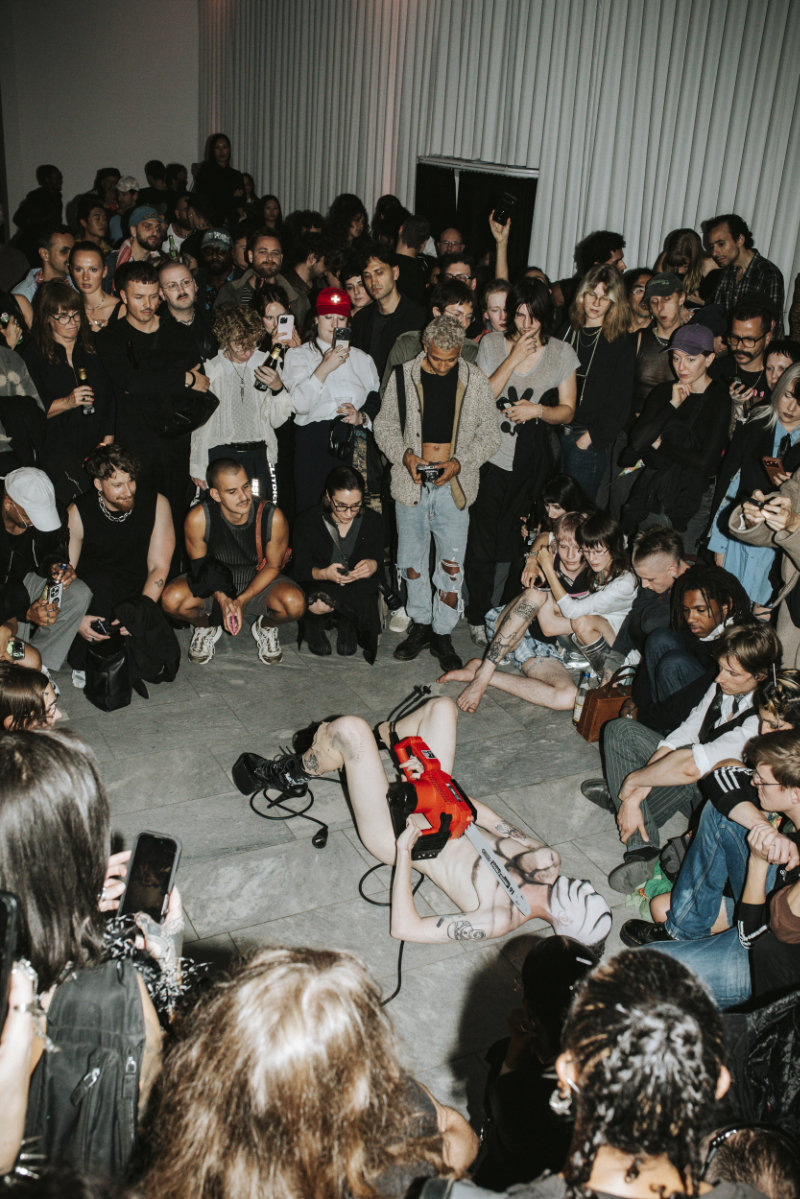
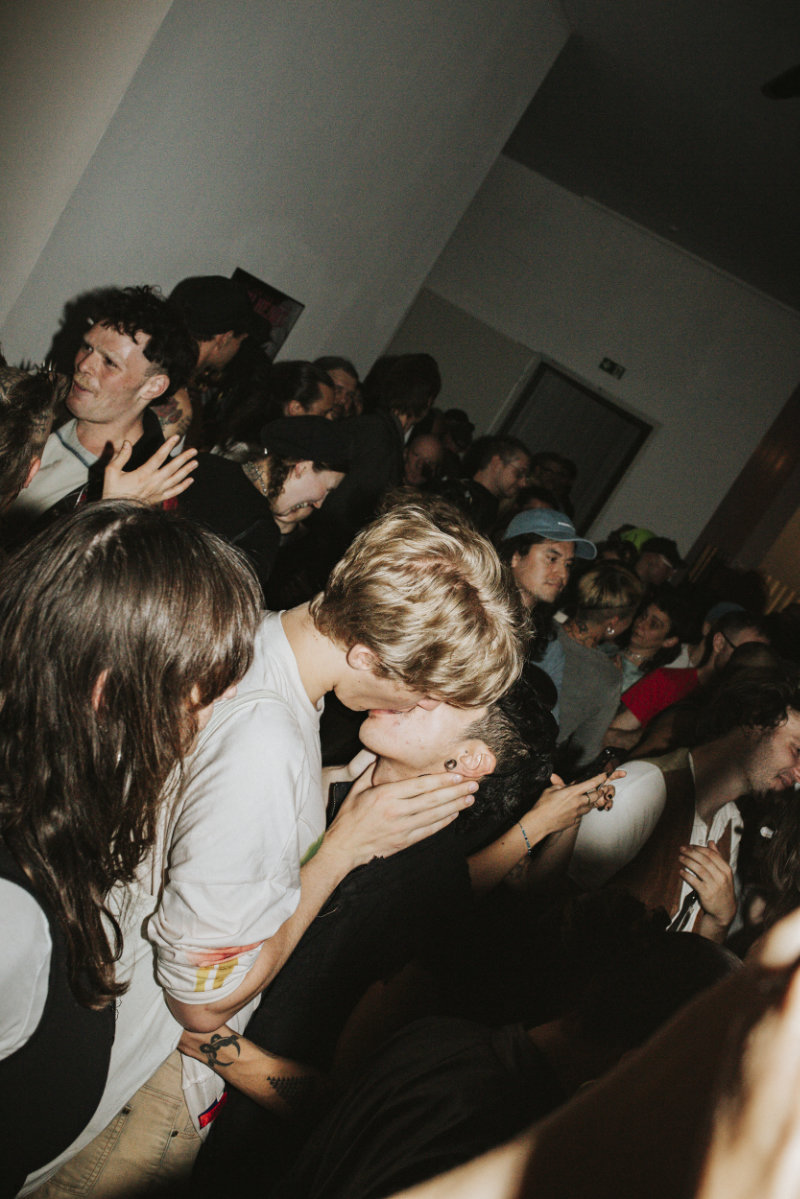
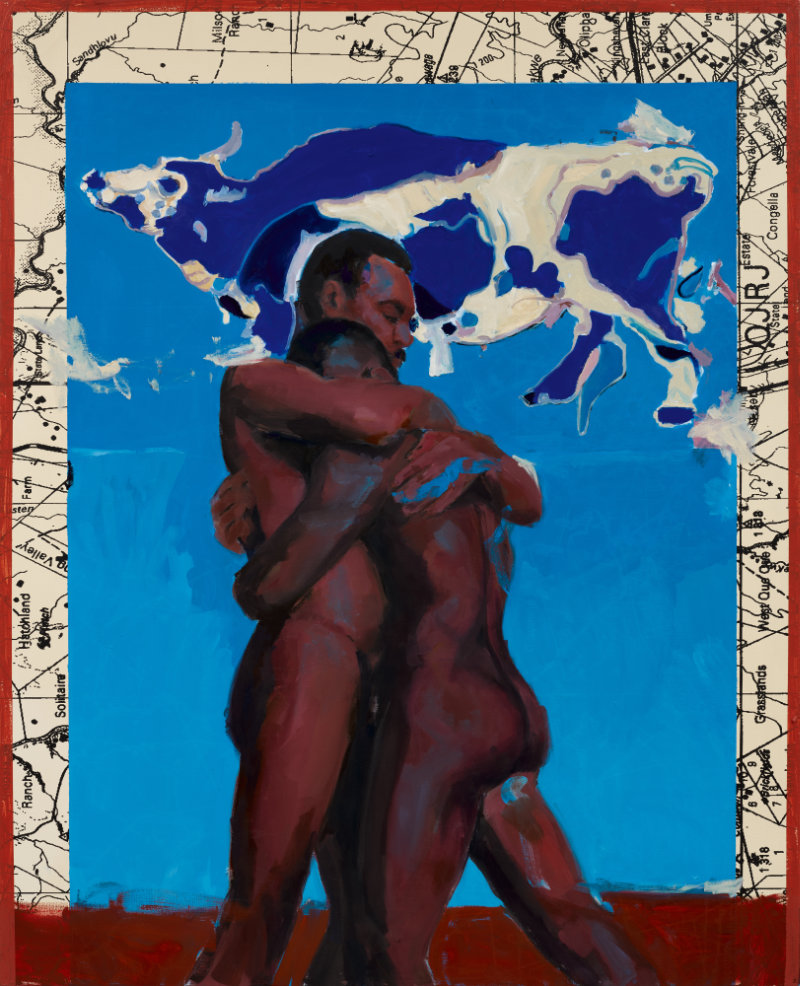
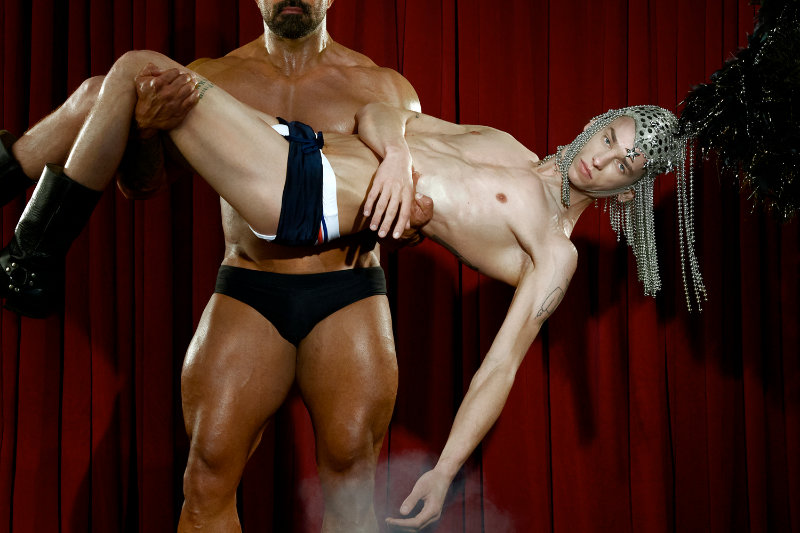
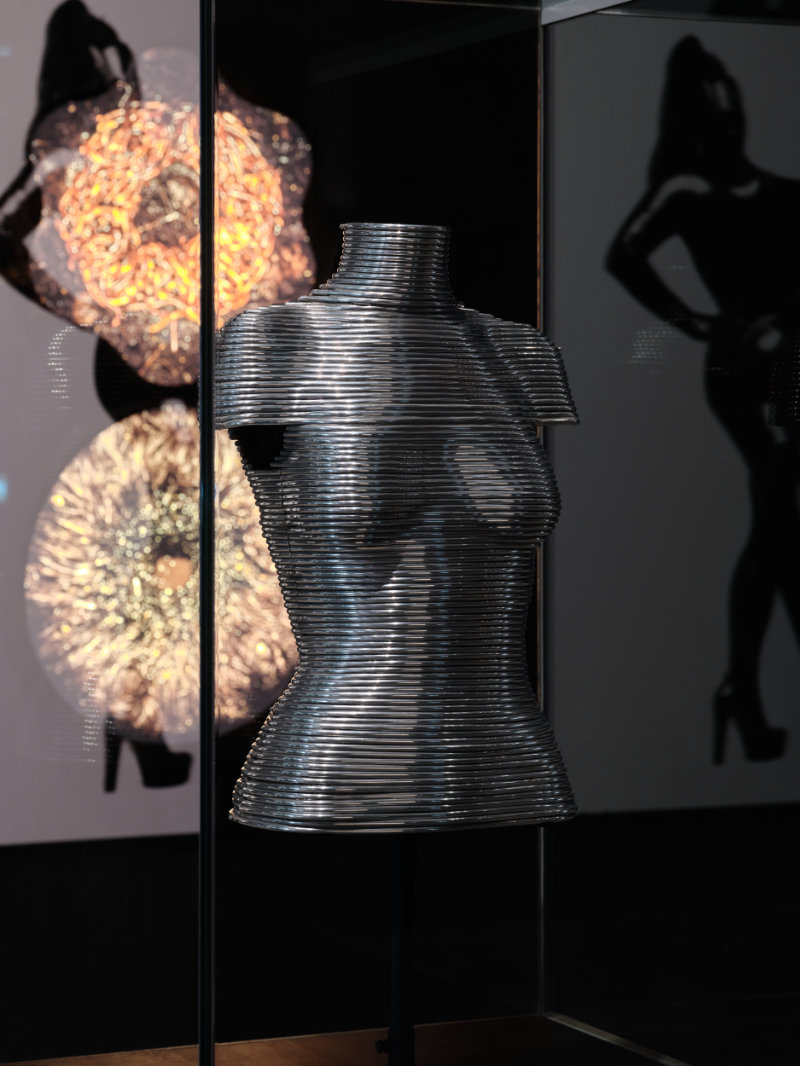
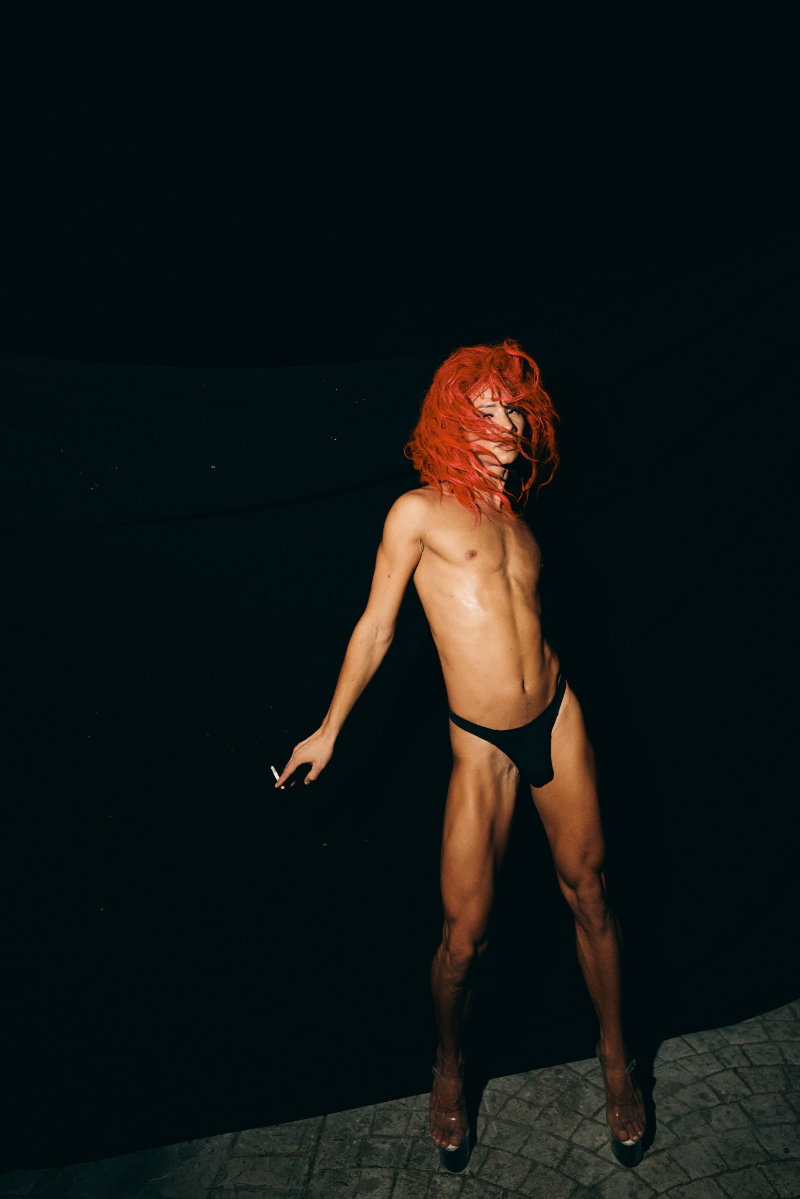
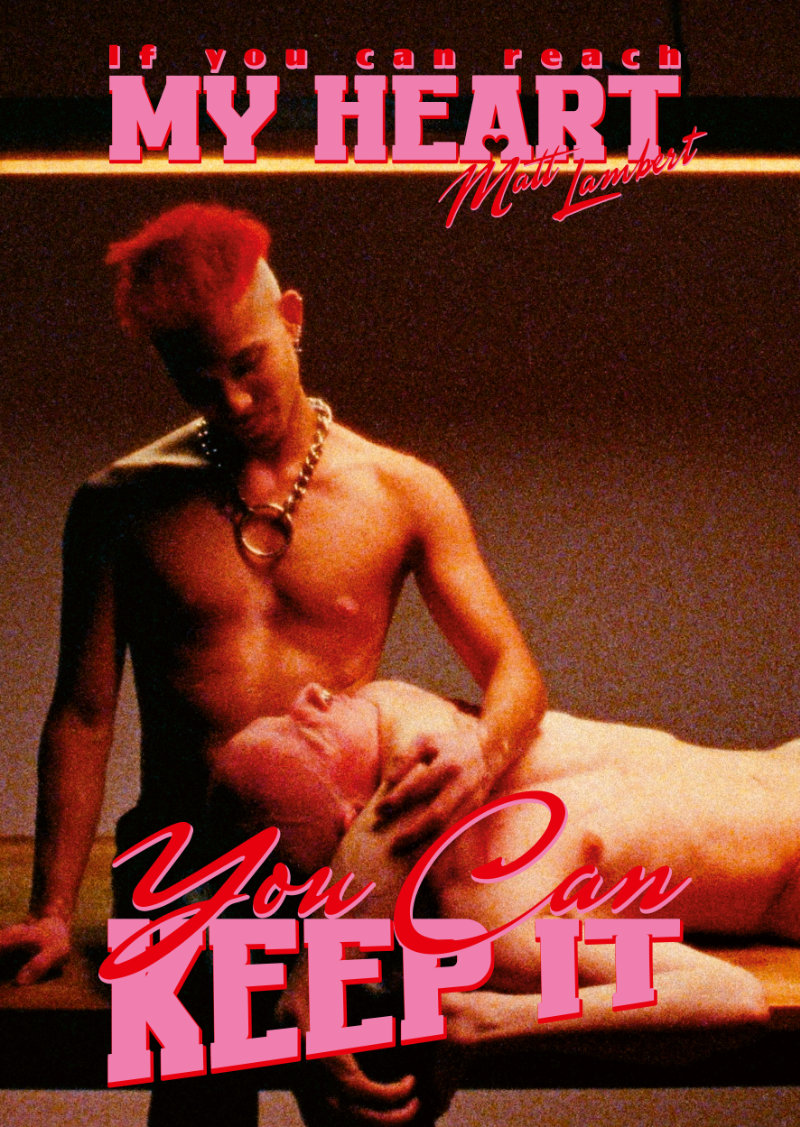
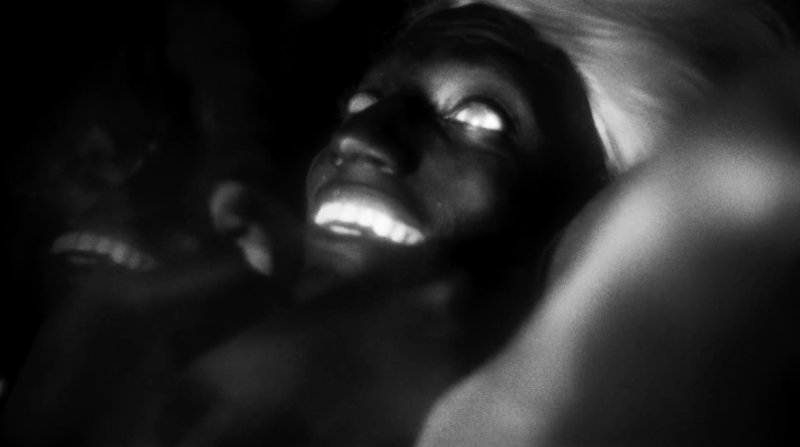
Last week, Berlin-based filmmaker and multidisciplinary artist Matt Lambert opened IF YOU CAN REACH MY HEART YOU CAN KEEP – BERLIN ARCHIVES 2011–2026 at the Julia Stoschek Foundation, bringing 15 years of his Berlin practice together across four rooms to coincide with the opening of Berlin Art Week. Part retrospective, part living archive, the exhibition sees film, video, performance and collaboration, with live performances and DJs woven throughout the presentation and a live-scored durational remix of Lambert’s films by Trace Polly occupying the main cinema. Expanding on his sixth photobook, IF YOU CAN REACH MY HEART YOU CAN KEEP IT, released in 2025, the exhibition delved further into his early Berlin experiments while placing a body of work made over the last decade and a half into conversation with the city that has shaped so much of his practice.
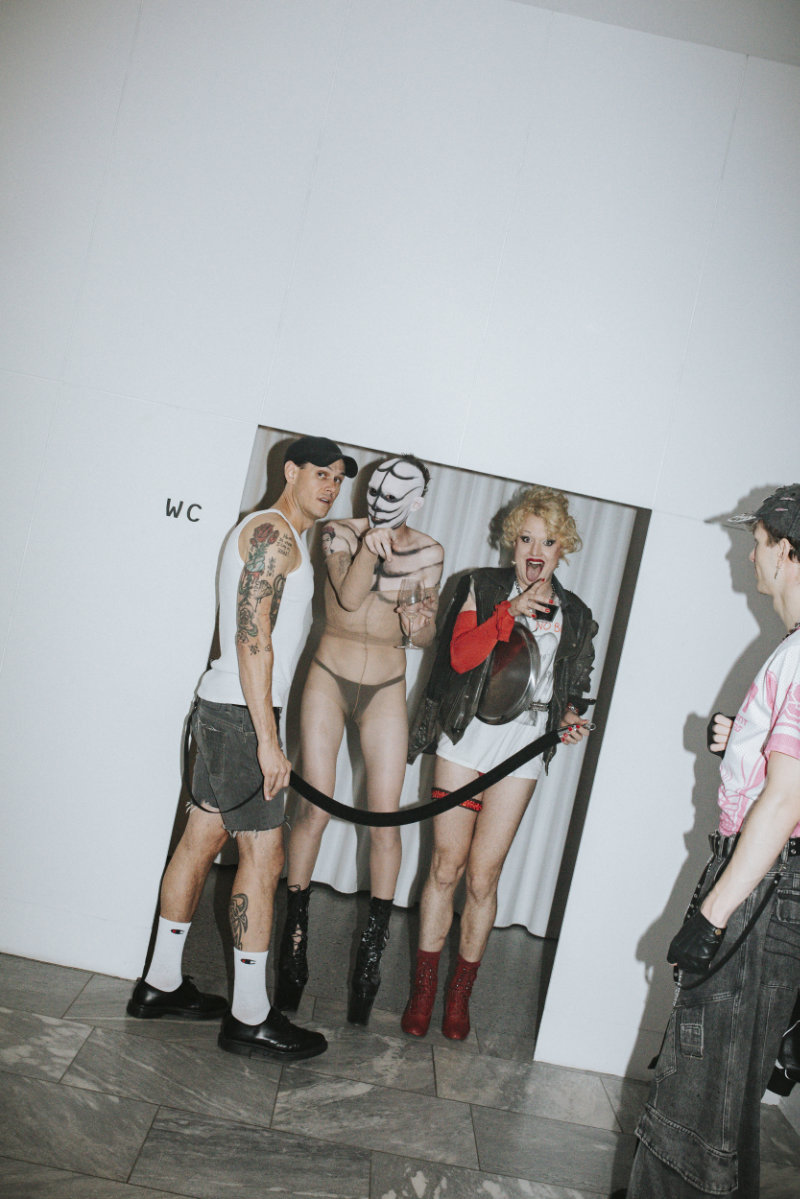
Born in Los Angeles and having begun his artistic life between London and New York, he is now firmly embedded in Berlin’s cultural landscape, where his work continues to shifts between underground communities, institutional spaces and the spaces in between. His collaborators range from Mykki Blanco, Peaches and Honey Dijon to Vaginal Davis, Michele Lamy, David Hoyle and Rick Owens, while his ongoing SISSY SMUT series at the Volksbühne reflects his interest in creating spaces where performance, sexuality, history and nightlife can exist alongside one another. In this conversation, Lambert talks about his Berlin years, the archive as a living thing, queer memory, collaboration and what we choose to carry forward.
Do you remember the first time you picked up a camera? What were you trying to capture in those early images and films?
I somehow was working at an Insurance Company in LA when I was in high school and used to do commercial property visits to check for fire hazards, etc., and I had a pedometer and a Polaroid camera and would steal tons of film to shoot my friends over the weekends. It wasn’t about photography, but probably more about trying to understand people and tribes.
What was missing from the images, films and stories you were seeing around you when you first began working? Was there something you felt compelled to document because you weren’t seeing it represented elsewhere?
I honestly just started to understand this; looking back, it was an impulse to dismantle and observe the violence and fear I had growing up in LA, and then later as a way to work through my own sexuality. Only later starting to understand I was authoring and understanding myself by externalizing it through others.
Who or what were your earliest influences: filmmakers, photographers, artists, musicians, writers, subcultures or simply people around you? And which of those influences do you still recognize in your work today?
It’s always been people around me, and my work was the first way to connect and collaborate with them. Growing up in LA in the 90s, subculture was the culture. I’ve always been pulled toward scenes and people who’ve found different ways to express and exist, who look at the world through a more honest and direct lens. The worlds we build in film and on stage are echoes of what we dream up in the kitchen, alternate realities and worlds, and finding the poetry in the unmasked moments in between.
You’ve now spent around 15 years collaborating with and participating in Berlin’s cultural and queer underground. Looking back, what do you think the city gave you as an artist that you couldn’t have found elsewhere?
Space to figure it out for myself. Working outside of most of the institutional paths here, life has become the thing that the work reacts to.
Your recent work, particularly Eldorado, has involved looking backwards into Berlin’s queer history. What is it about the Weimar era that continues to pull you in, and why revisit it now?
I’m writing a movie now on the theme, so it’s a big topic for me at the moment. I’ve become obsessed with the continuous thread of energy we share with our queer ancestors. How our sense of love, lust, longing, connection, and disembodiment are one thread of energy with breaks and bumps, but one that continues as a single thread.
Your new exhibition brings together 15 years of film and video work across four rooms, while also going deeper into some of your early Berlin experiments. Was there anything you discovered in your own archive while putting the exhibition together that surprised you?
I’ve been on a loop in some ways, carving out these liminal spaces with characters to find unmasked moments that are true to them. In doing so, I was able to dig into the mask I’ve created. What became an ongoing celebration of people I’ve seen as prophets, friends, and lovers now lived in me.
“IT WAS YOU TIL IT WAS ME” brings together archival and unreleased material, with Trace Polly performing in a durational, looping series that live-scores the film. What made you want to approach your own archive through performance?
For the past few years, I’ve been doing a series at Volksbühne theatre in Berlin called ‘Sissy Smut’. We’ve been blurring the lines between screen and stage, creating experiences that live in the room for a fleeting moment. Last year, I scored my film ‘Klappe’ with a live choir, a chance to rethink the work and present it in a more intentional way. I met Trace recently when she performed with my dear friend MJ Harper in Paris at an event hosted by GMBH. Trace’s presence, heart and ability to lift moments into something bigger than the room felt like the right person to ask to interpret the world. She created a 17-minute live score for the film that we looped 5 times in a durational soundtrack that evolved and collapsed over time.
The exhibition also includes a darkroom cinema screening a selection of your uncensored films, accompanied by a smell-scape created with RAER Scents. What interests you about bringing other senses into a film exhibition, and how does scent change the way we remember an image or a place?
In addition to live-scoring, I’ve also been really excited by scent’s ability to transport and/or ground you. In past performances with Michèle Lamy and MJ Harper, we’ve worked with custom scents to change the dynamic and time of the room. For this show, I worked with RAER to create 3 scent worlds, from something holy and grounding to a new dawn to the echo of a darkroom after a long weekend.
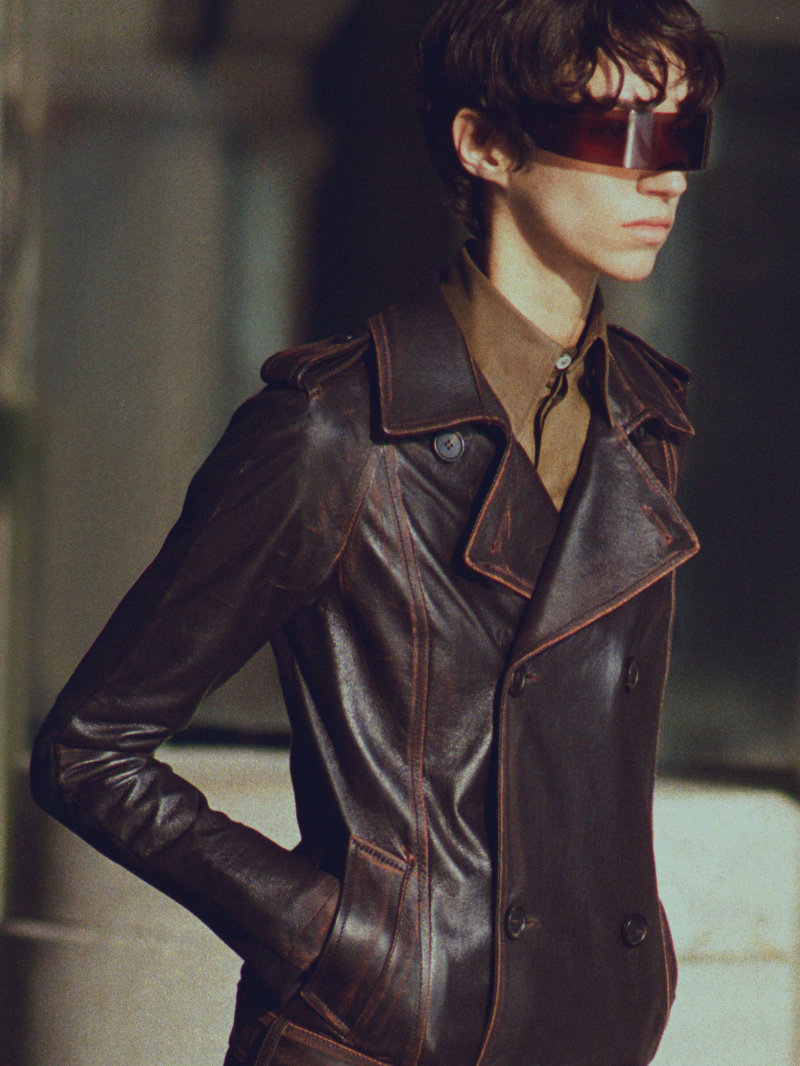
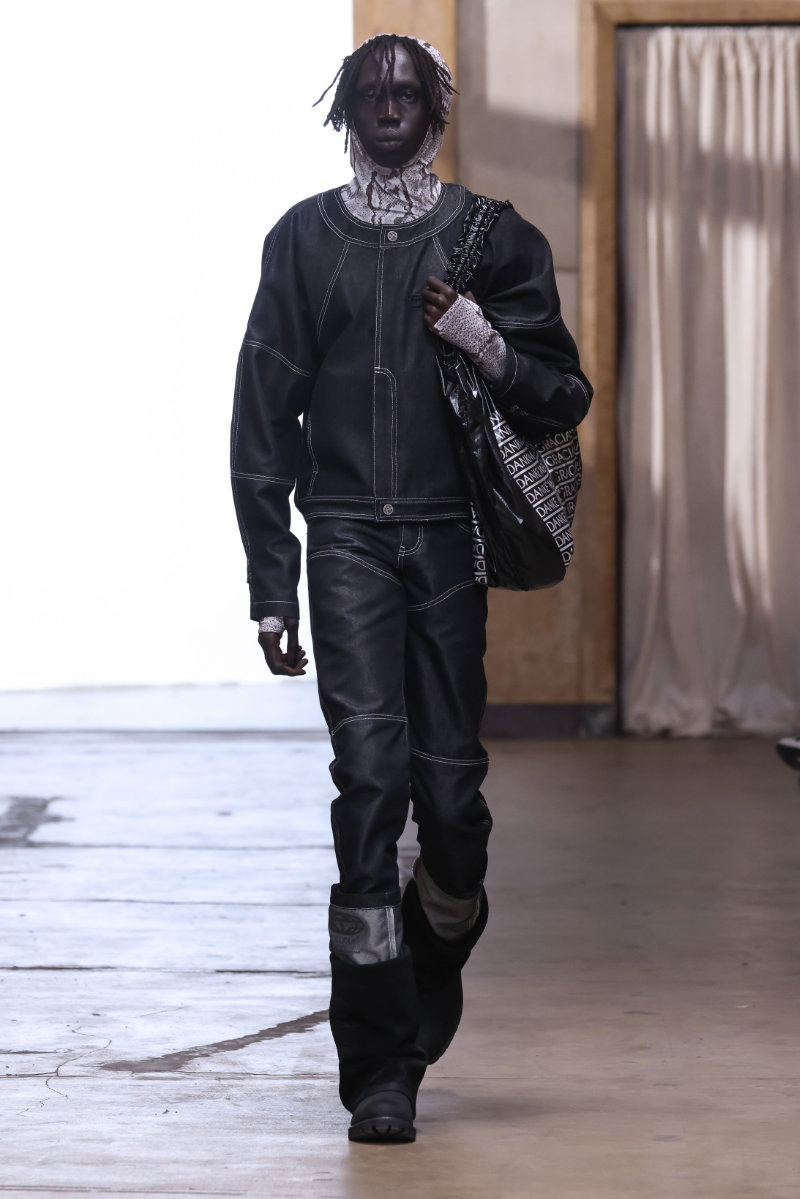
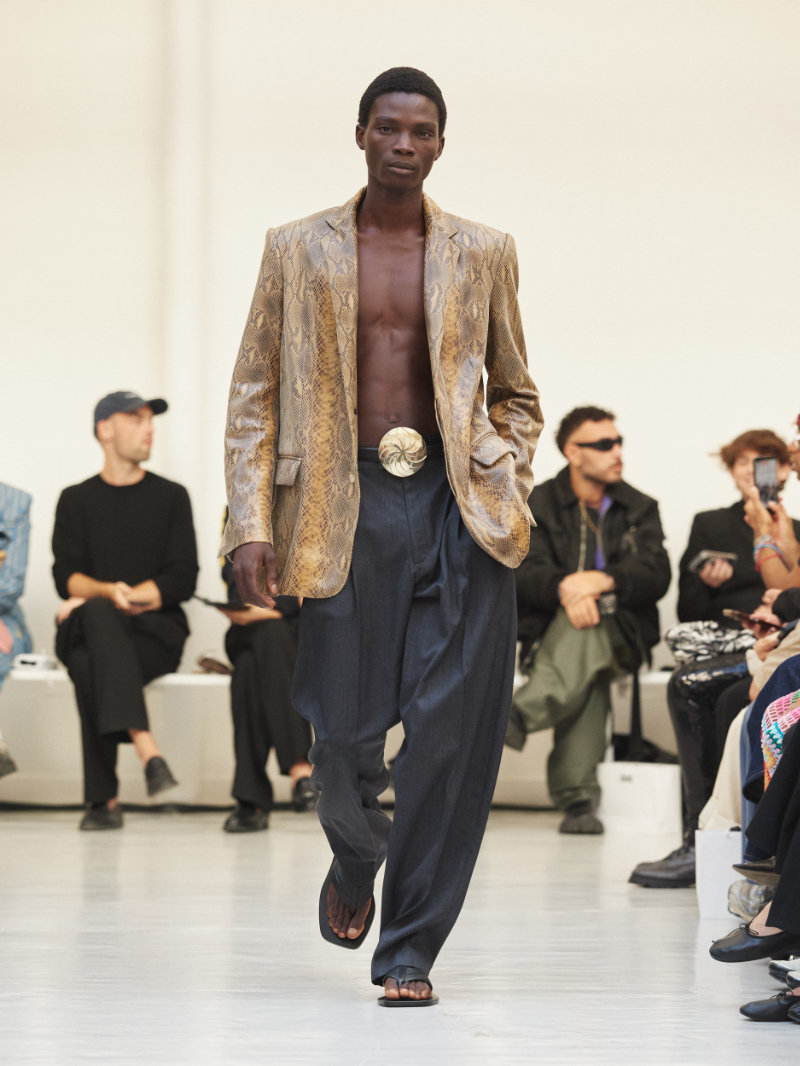
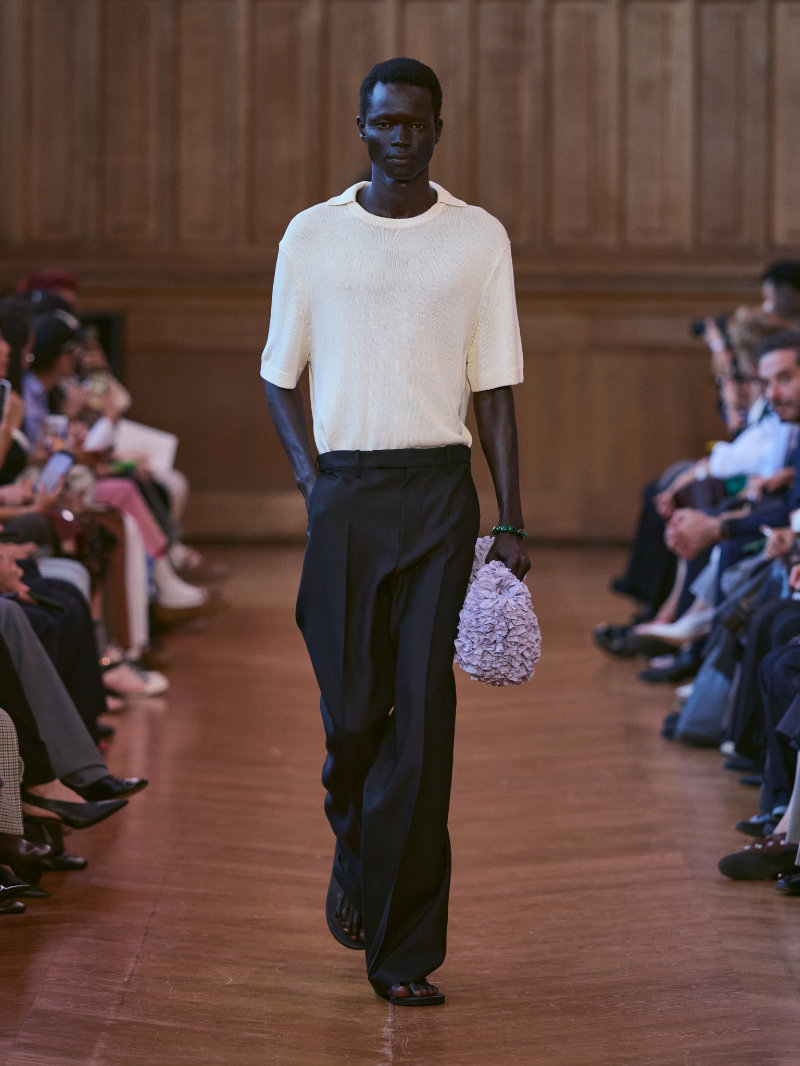
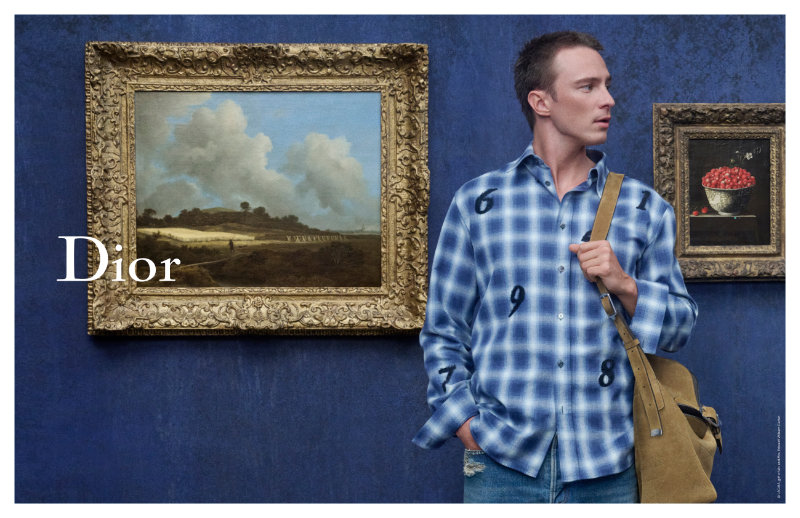
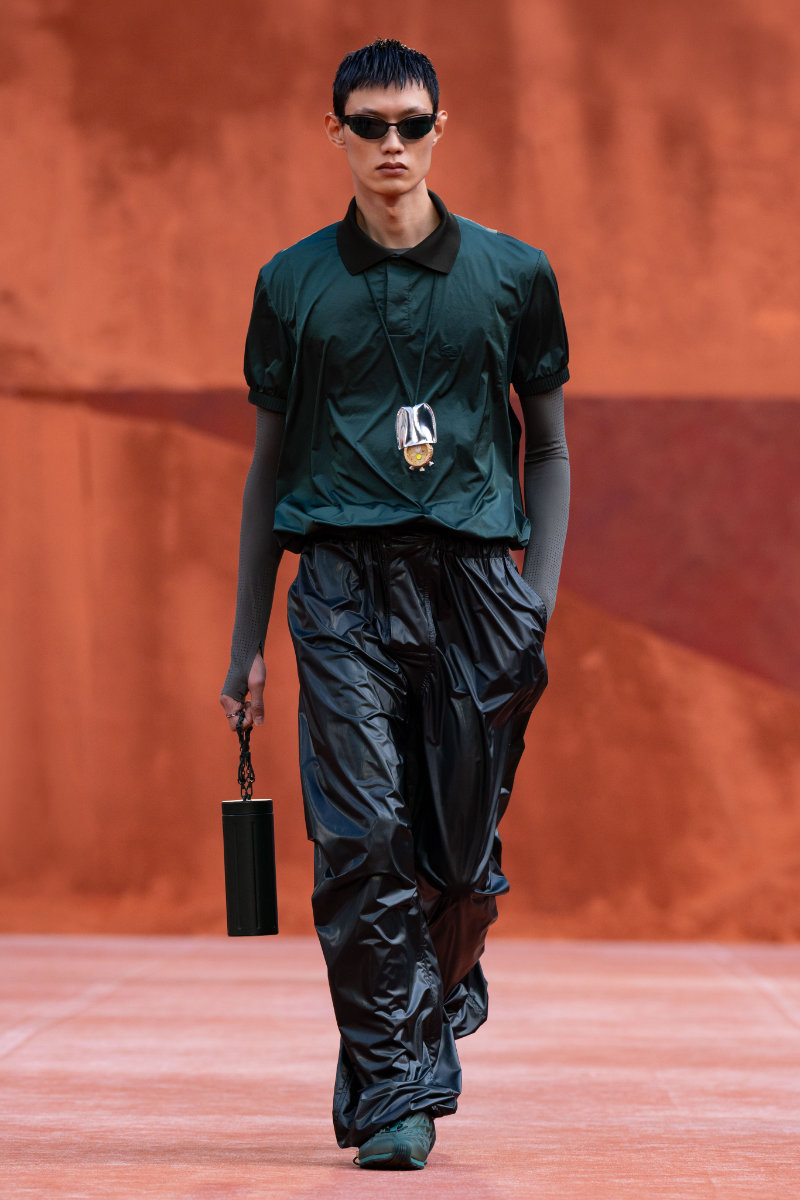
As we are a fashion magazine, I want to bring up the subject. You’ve collaborated with designers ranging from Rick Owens and Comme des Garçons to Palomo Spain, Ludovic de Saint Sernin and Stefano Pilati. Before you begin a collaboration, what are the important conversations you want to have with a designer? What do you need to understand about their vision before you can translate it through your own lens?
I suppose it often starts with figuring out what attracts us to each other and where that intersection is. With fashion commissions, I often have a lot of freedom, but there’s no sense in making something that only I’m into. It’s different each time; when it works, it’s a shared journey into both of our worlds and finding our intersections. Start with a shared feeling.
You’ve worked across very different scales, from major fashion houses to designers with much more independent or underground practices. Does the way you approach a project change depending on the world you’re entering, or are you ultimately looking for the same kind of creative relationship?
When the collaboration is a good one, it usually starts with a feeling, and then format and medium soon follow. The right connections tend to start with some shared view of the world and humanity and taste.
Finally, what is the most important thing a camera has taught you?
For a long time it taught me how to erase myself. Now it’s about being more present.
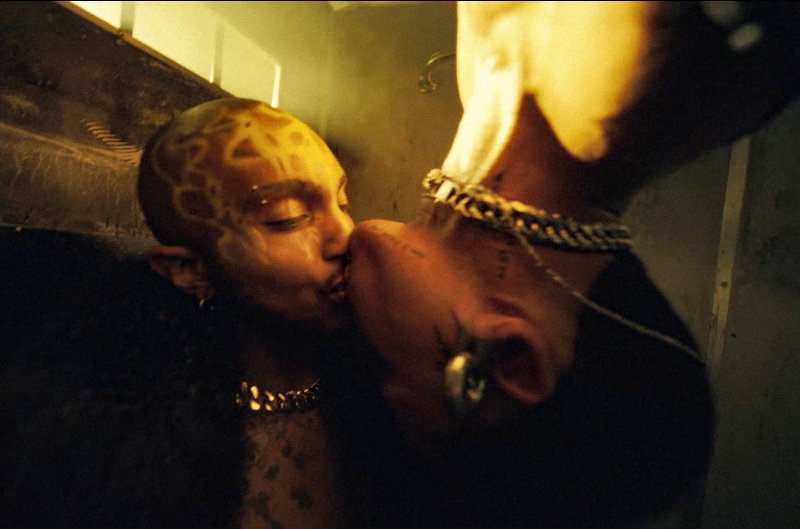
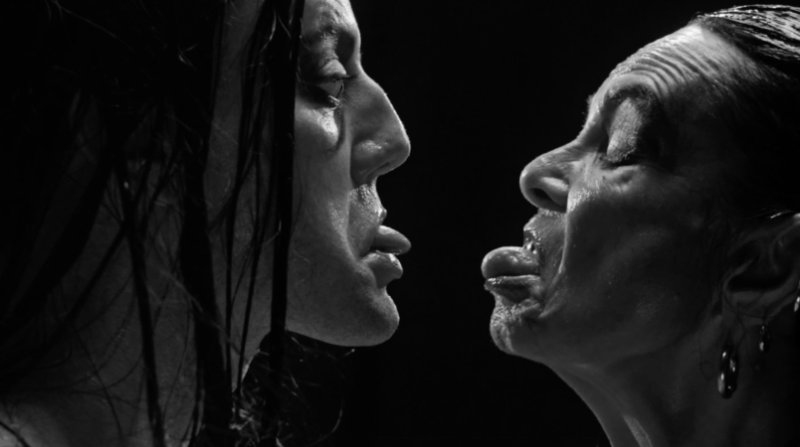
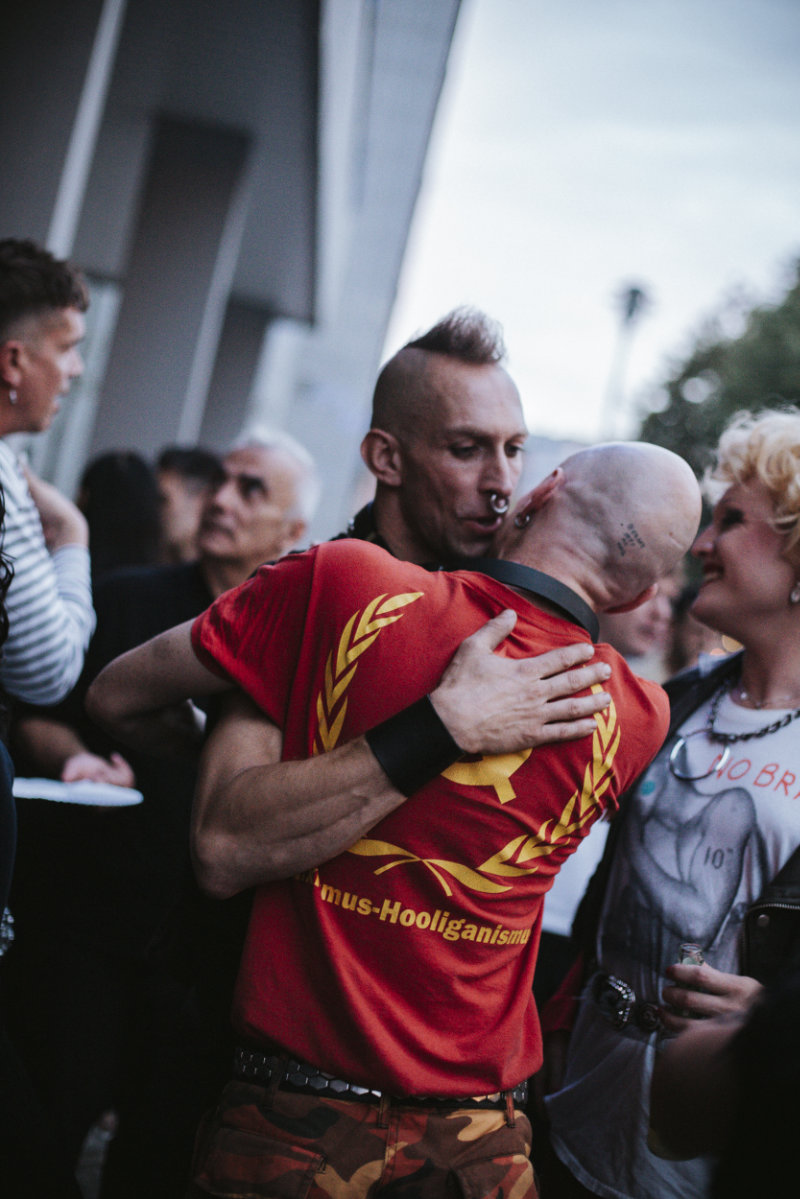
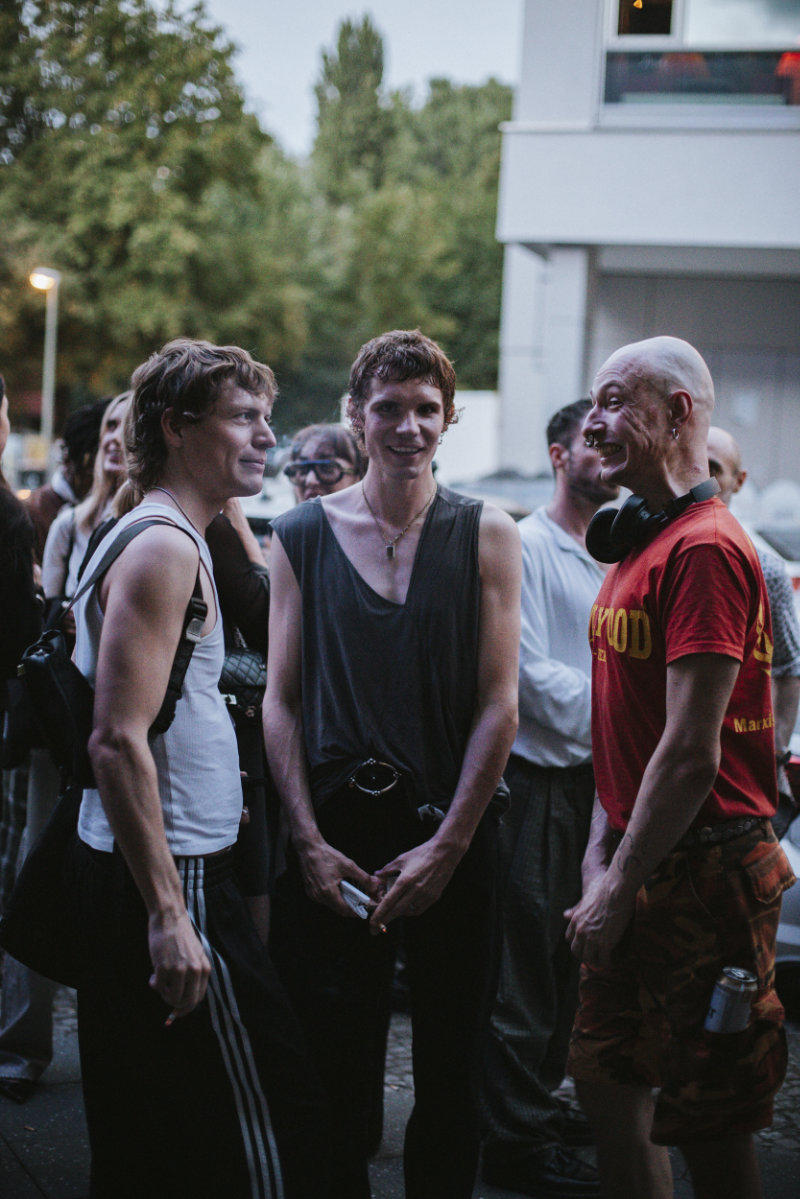
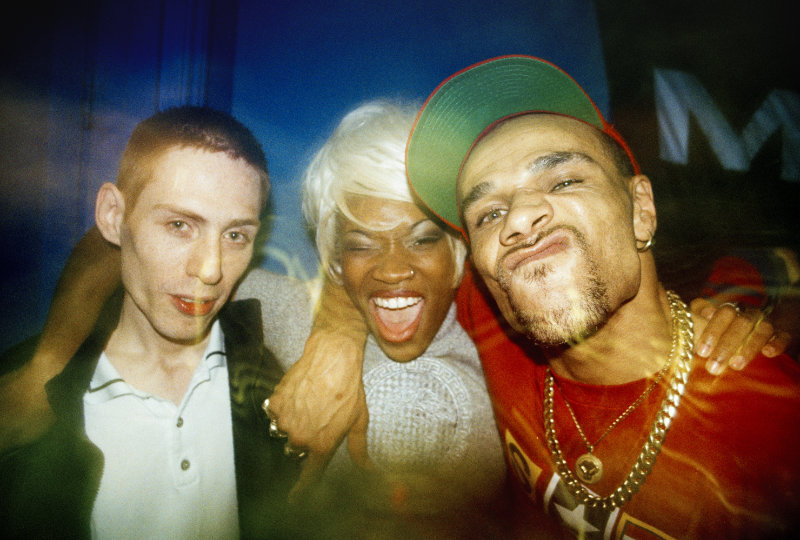
Check out more photos from the event below: