When Mercedes-Benz Bucharest Fashion Week returned for its fourth edition, from October 13 to 17, 2026, it did so with a fuller programme than before. Designers from Romania and beyond joined buyers, journalists, and industry professionals in Bucharest for five days dedicated to fashion. The event had recently entered the official Milano Fashion Week calendar, and it used that momentum to keep the local fashion scene tied to the global industry, this time by putting fashion in conversation with contemporary art and the city’s cultural heritage. Runway shows on the official calendar were staged in the Throne Hall of the National Museum of Art of Romania, with other events and private presentations taking place at iconic venues including the Odeon Theatre and the Bucharest National Opera.
Not everything happened on the catwalk. The edition set aside room for initiatives that connected fashion to business, education, and designers at the start of their careers. Brands and international buyers met through a showroom organised in partnership with the Italian Trade Agency. Design in Dialogue, Fashion Talks, and the Next Generation | Fashion Talent Award, developed with Polimoda, made space for exchanging ideas and for supporting new talent. A new chapter came with the launch of the Fashion Art Division, inaugurated by The Body, Elsewhere, an exhibition curated by Charles Moore that introduced another way of looking at how fashion and contemporary art connect. The result was an edition where creative work and the growth of the industry moved closer together, restating the event’s commitment to Romanian and regional design.
I came to Bucharest for the first time for this edition, and it left an impression. For a fashion week that is still quite young, it is put together with real professionalism, the venues are beautiful, and the line-up of designers is genuinely varied. My only note is that menswear was represented by very few designers, and I hope to see that grow in the years ahead.
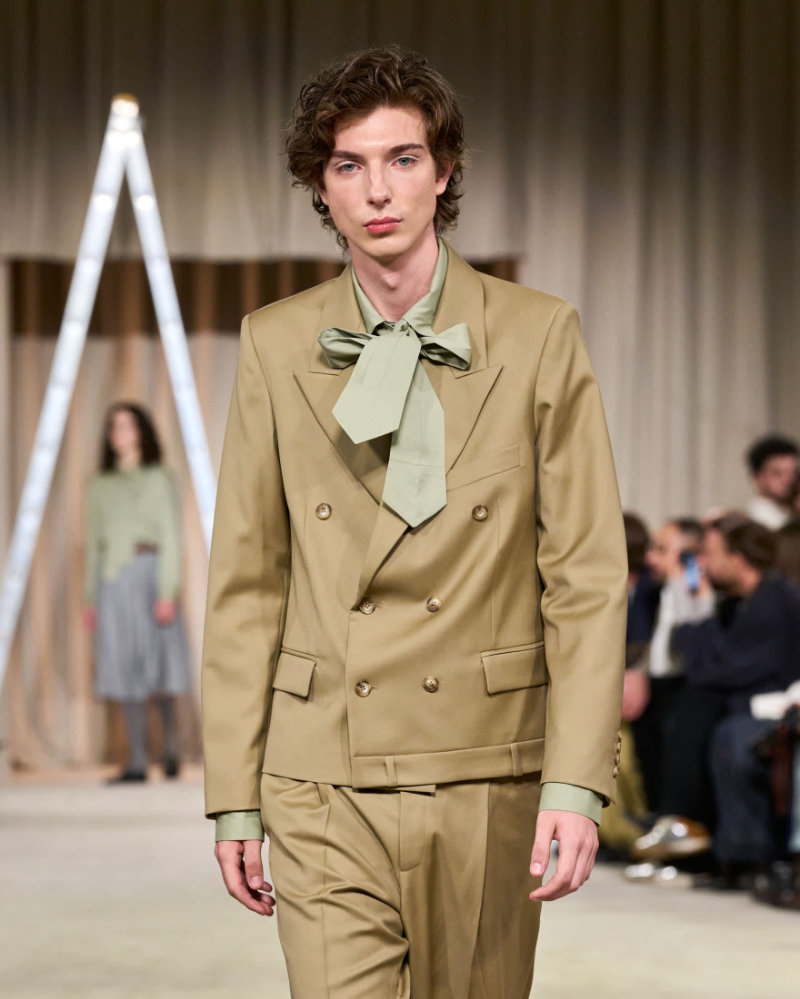
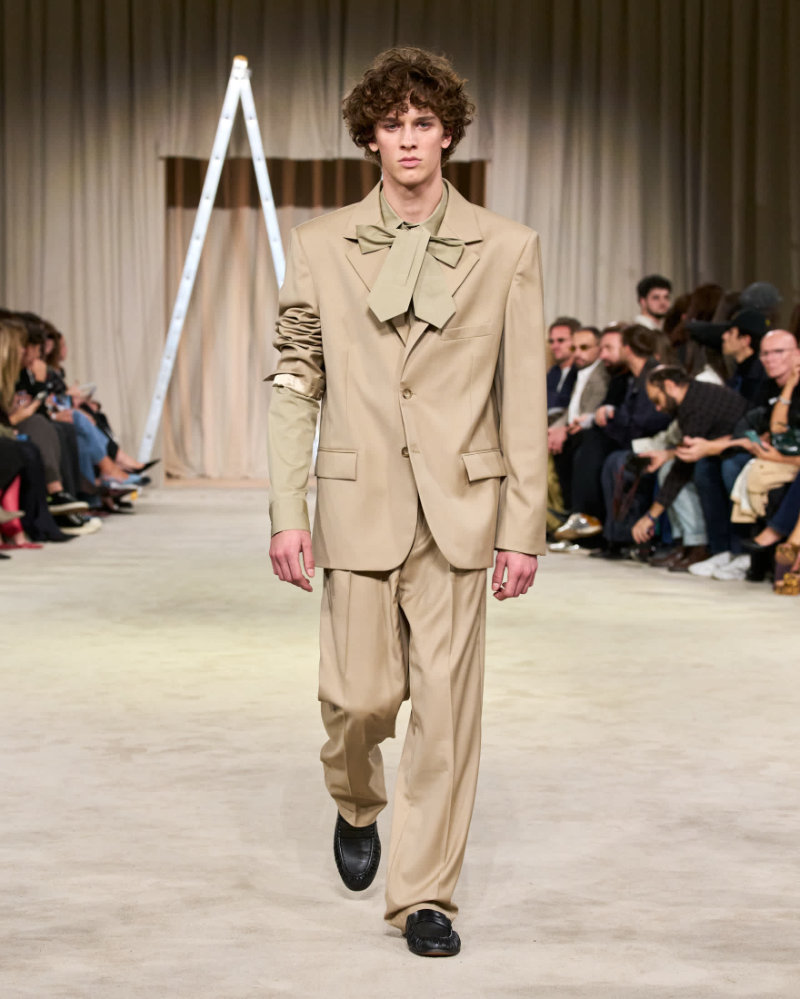
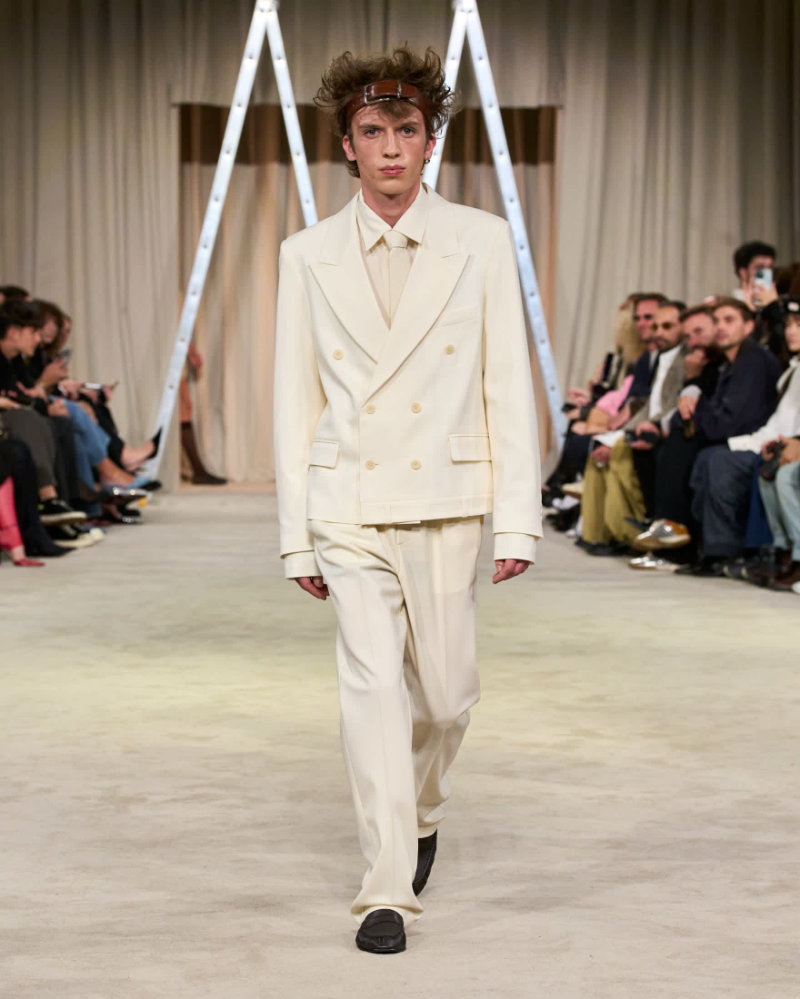
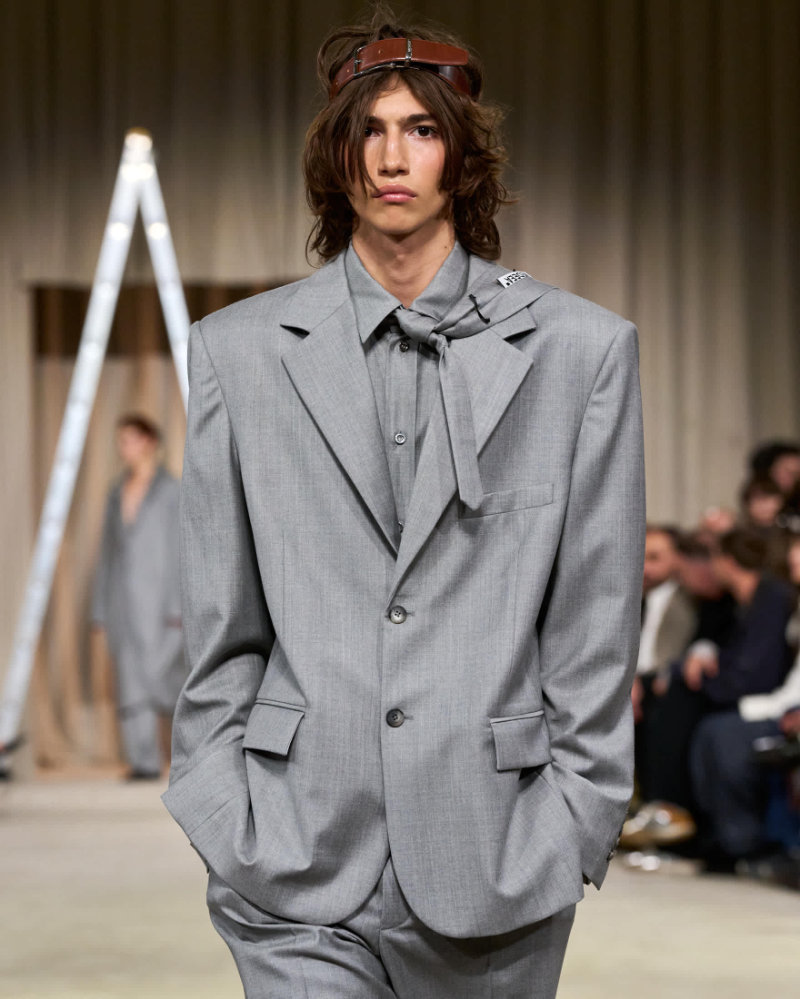
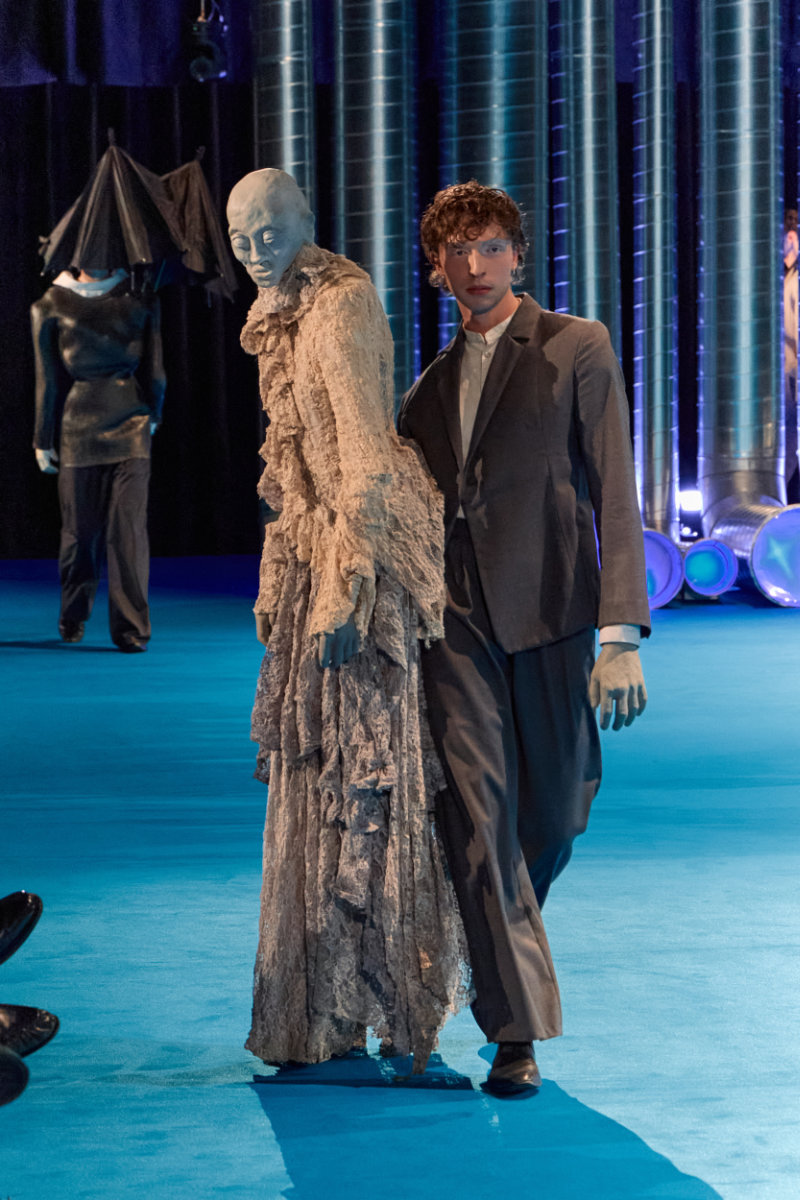
Ten emerging Romanian designers took part in the Next Generation | Fashion Talent Award, developed with Polimoda. They worked around the theme X-IDENTITY, using sculptural silhouettes, experimental volumes, and unconventional material combinations. Diana Grigorescu, a master’s student at the University of Art and Design in Cluj-Napoca, won with I’ll Be Your Mirror, a collection that looks at where workwear and formal dressing meet through a genderless approach. The rest of the group was Ariana Stanciu, Andrei-Ioan Petculescu, Cristiana-Coca Nedelcovici, Vlad Tălmaciu, Andrada Negru, Alexia Ilco Luca, Ioana Andrada Demian, Ioana Maria Cotfas, and Anamaria Vișovan. Andrei-Ioan Petculescu was the only designer to show a full menswear collection.
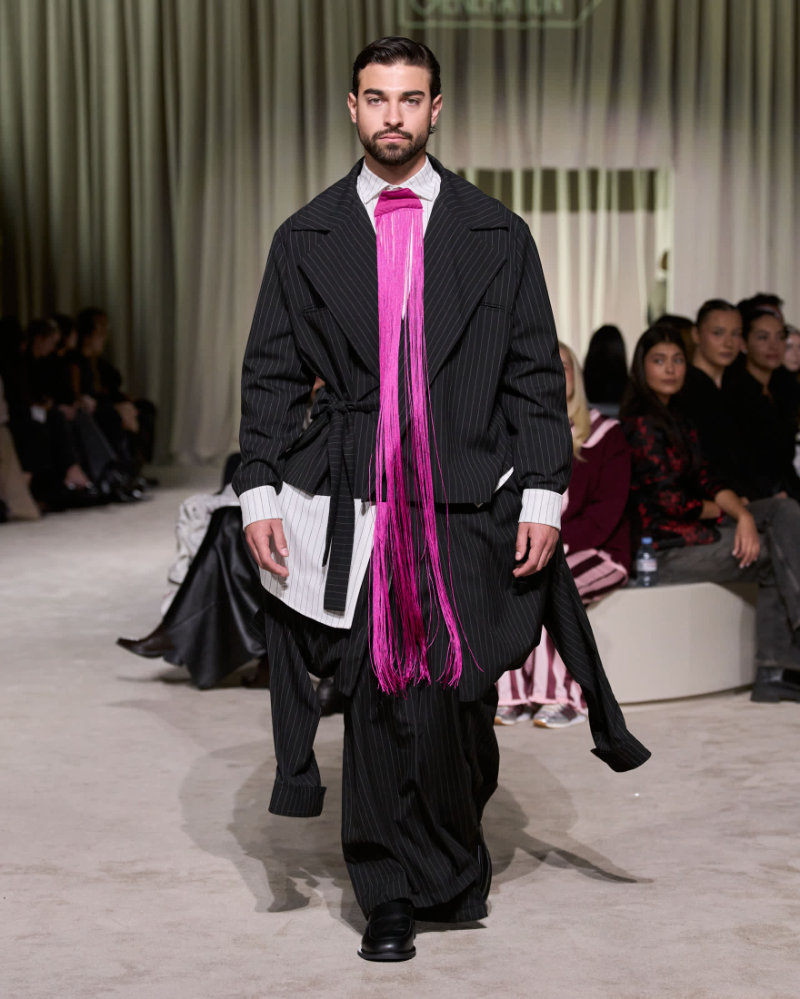
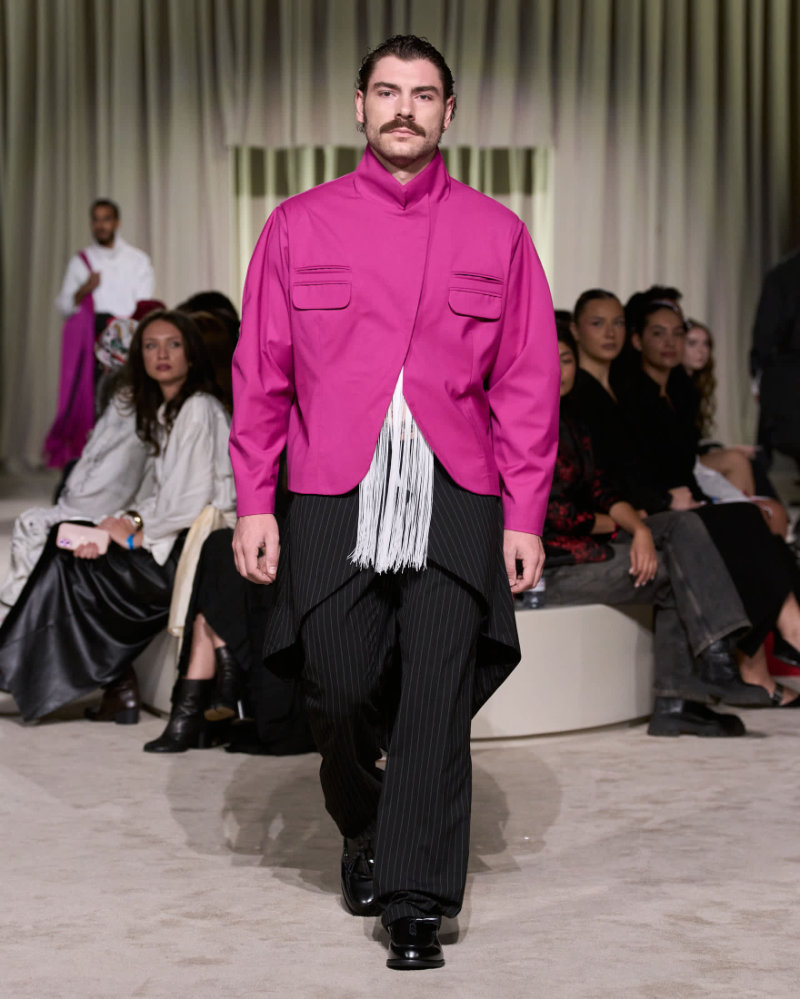
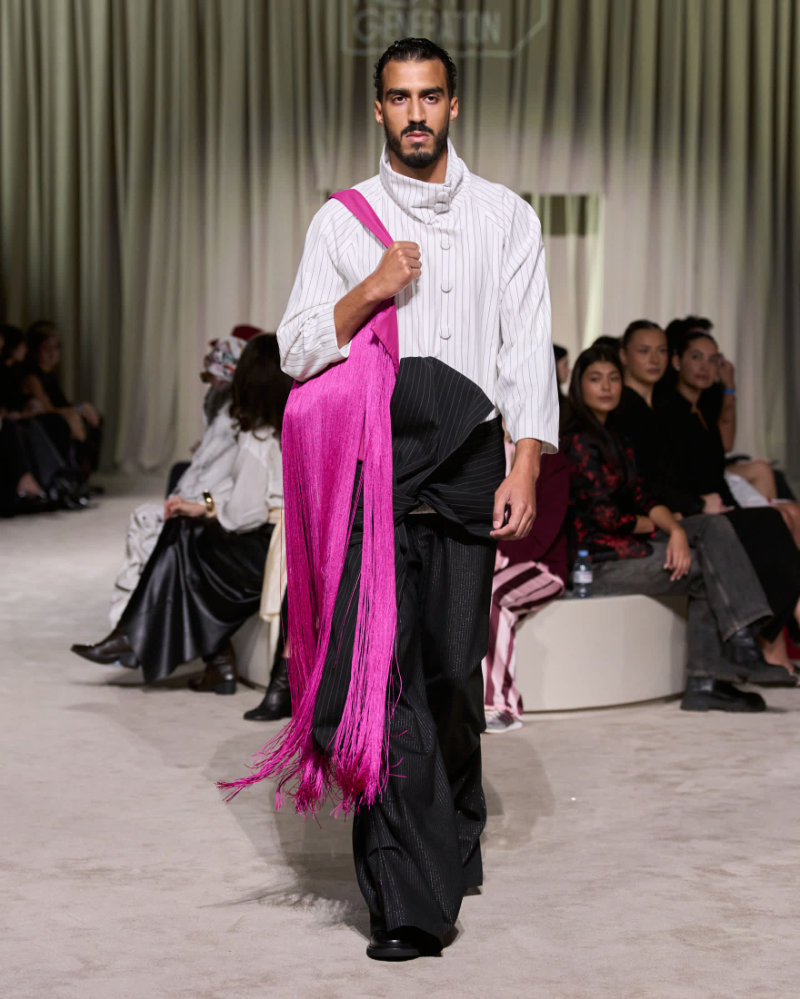
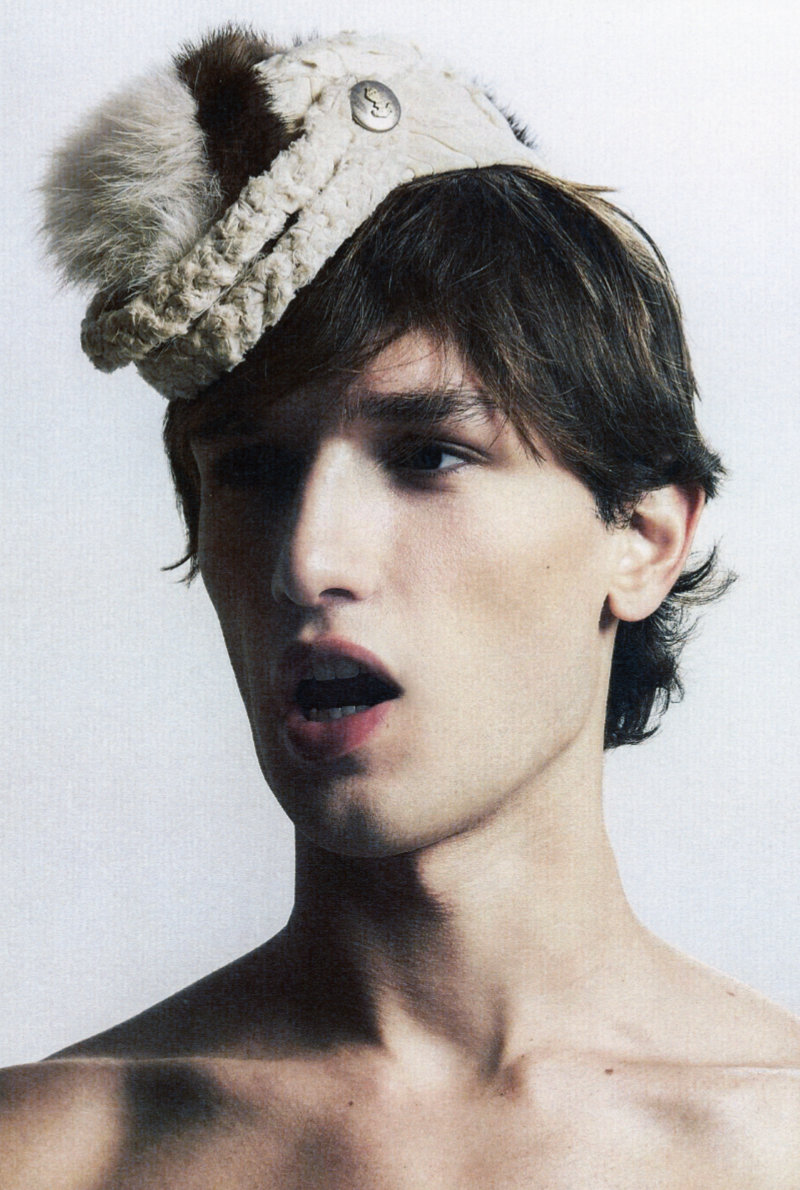
Elite Concept took the Garden of Eden as its starting point for Affair in Eden. The collection set innocence against seduction and vulnerability against strength, and pictured paradise not as a perfect place but as somewhere to find yourself.
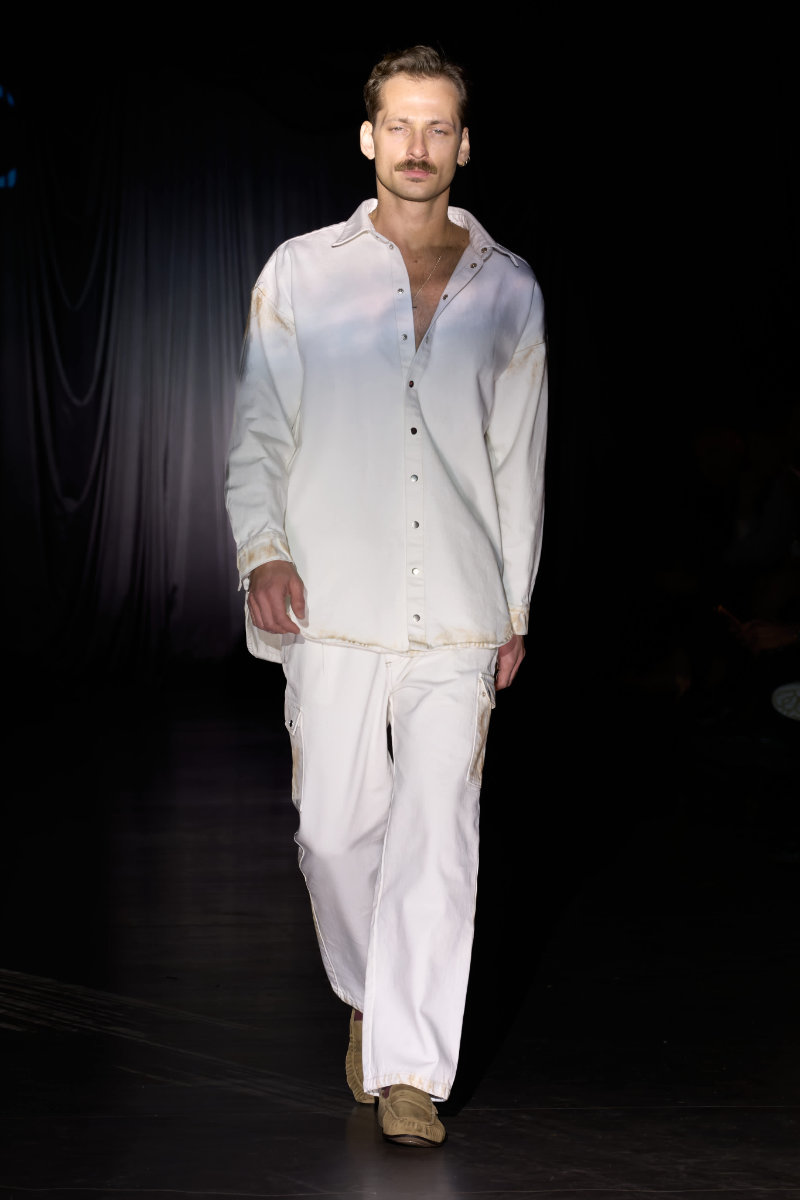
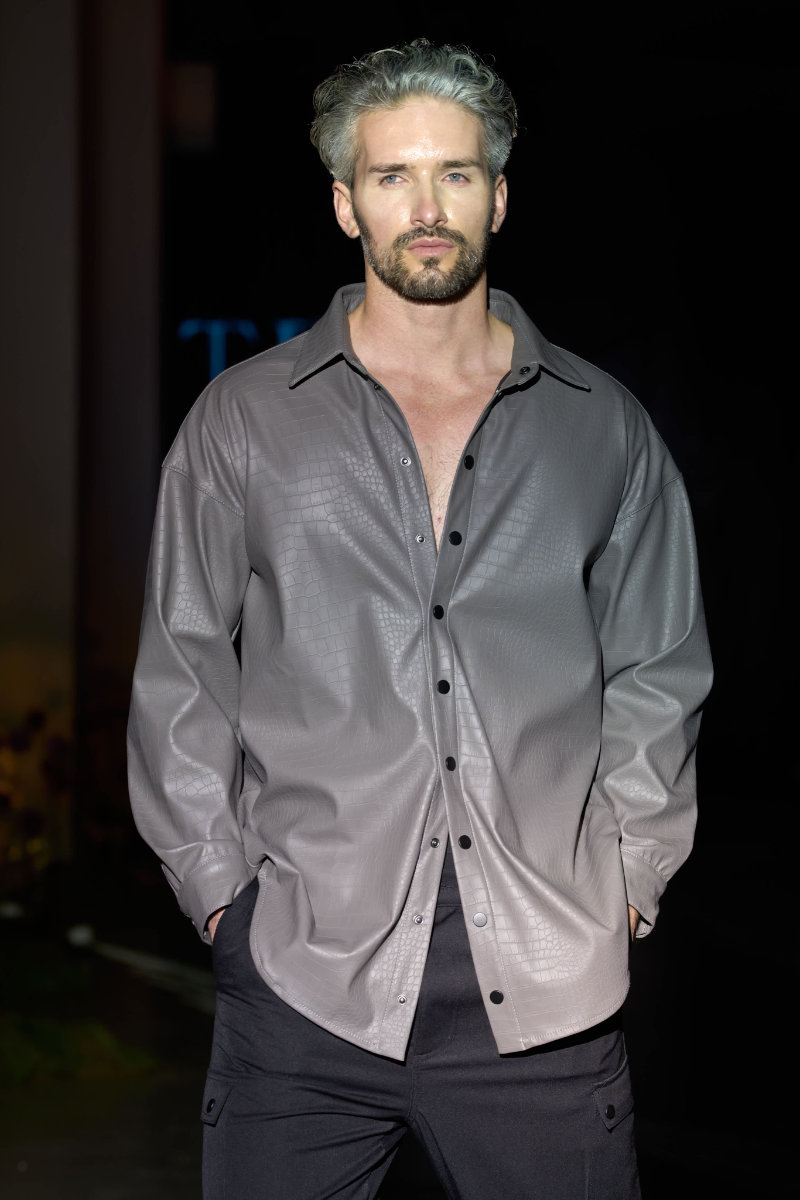
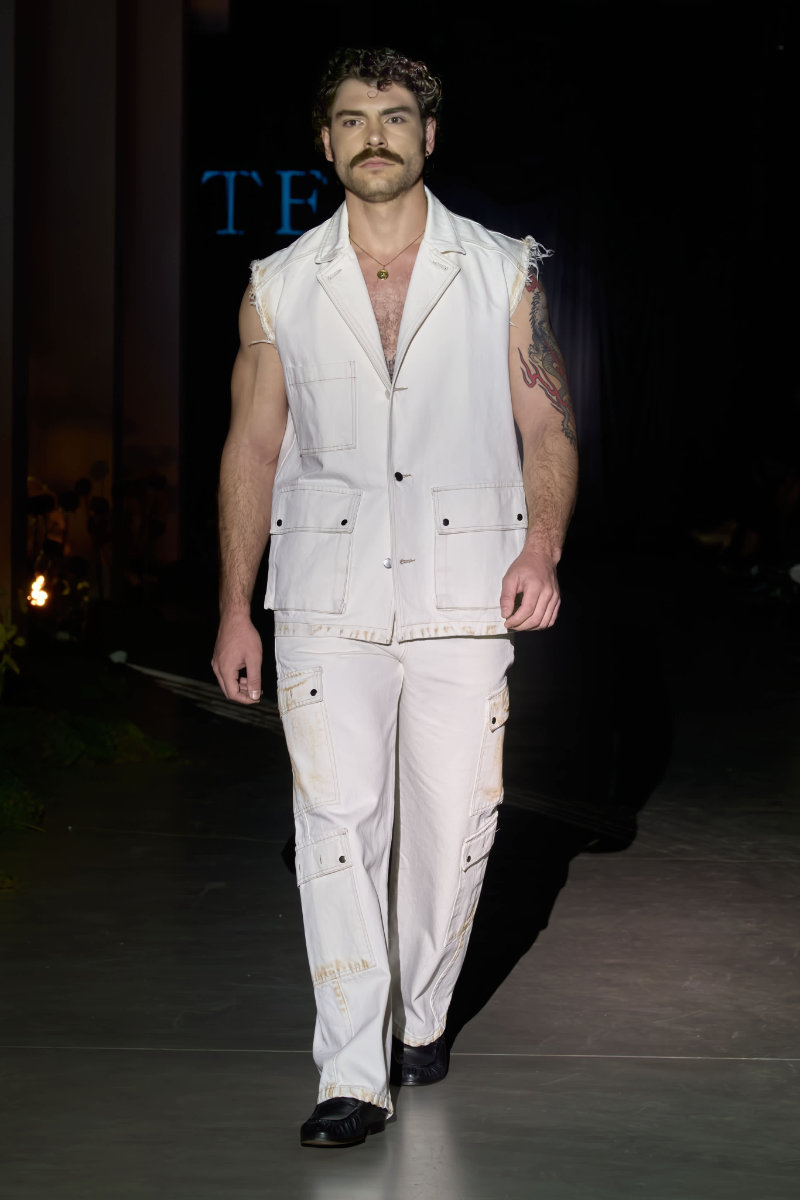
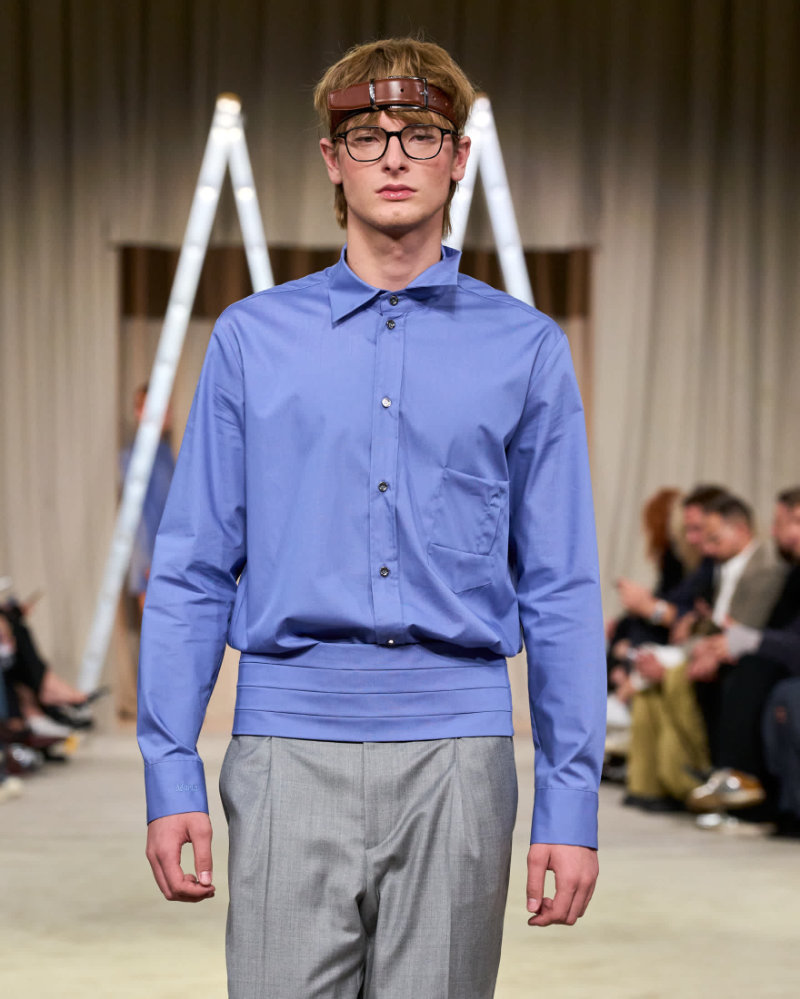
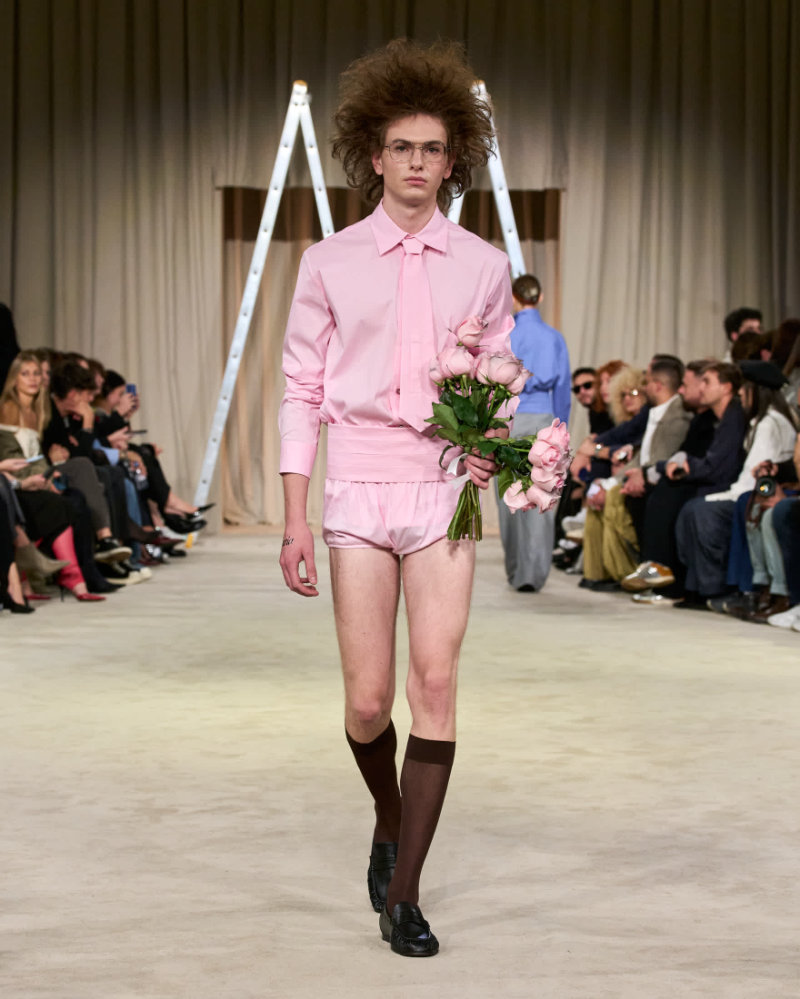
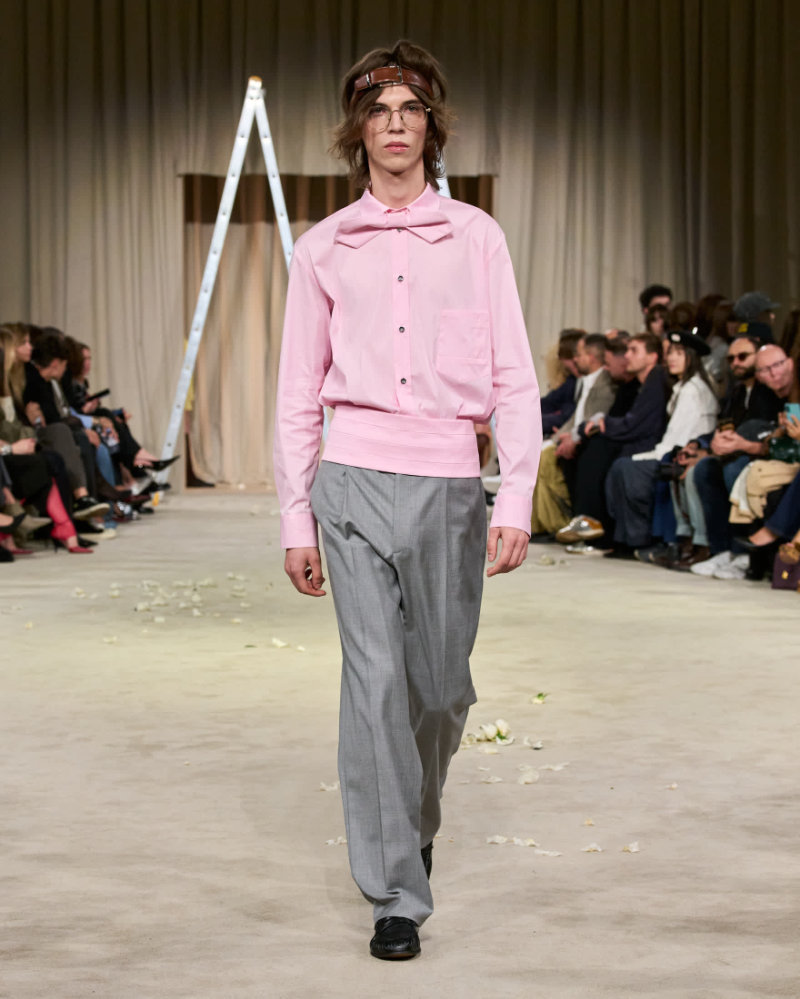
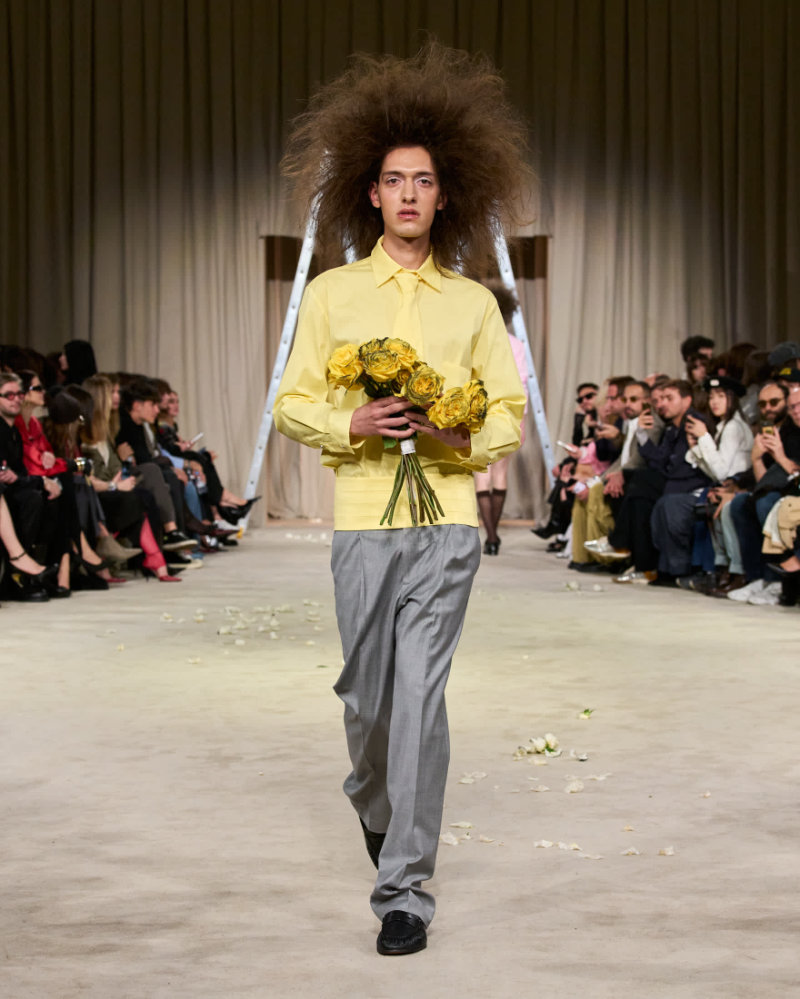
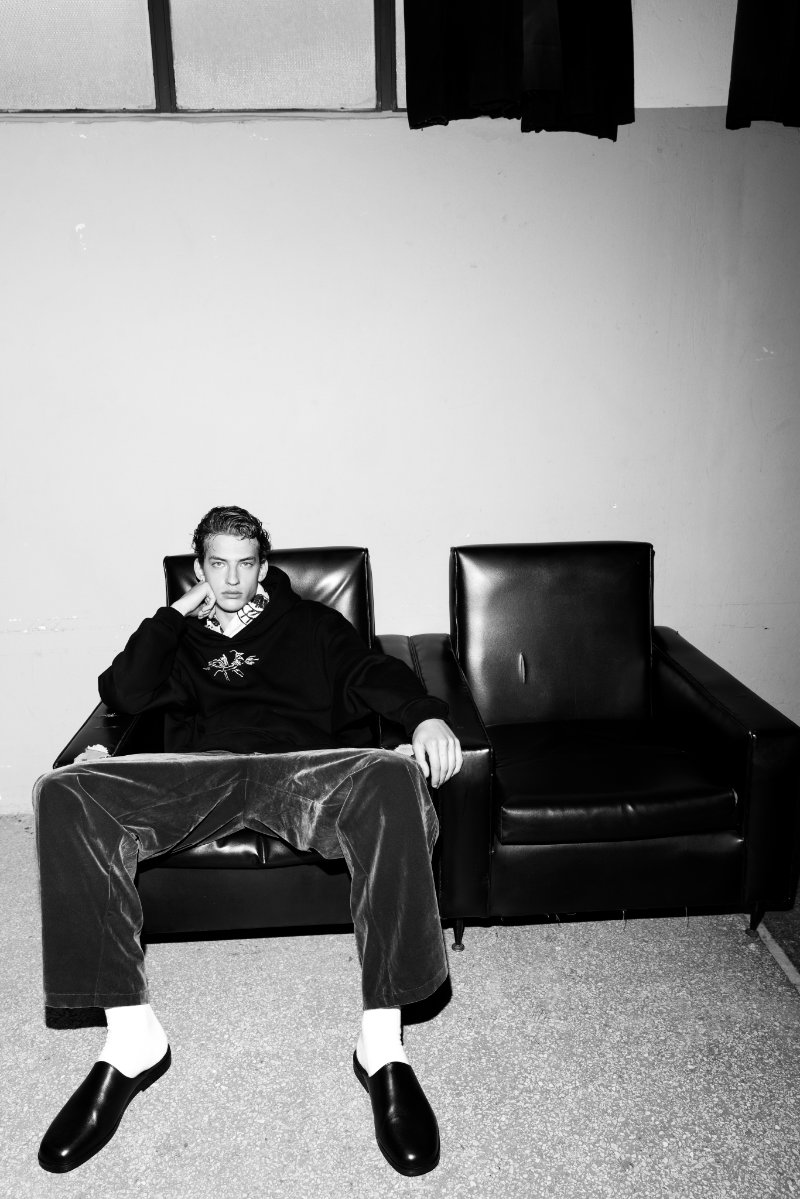
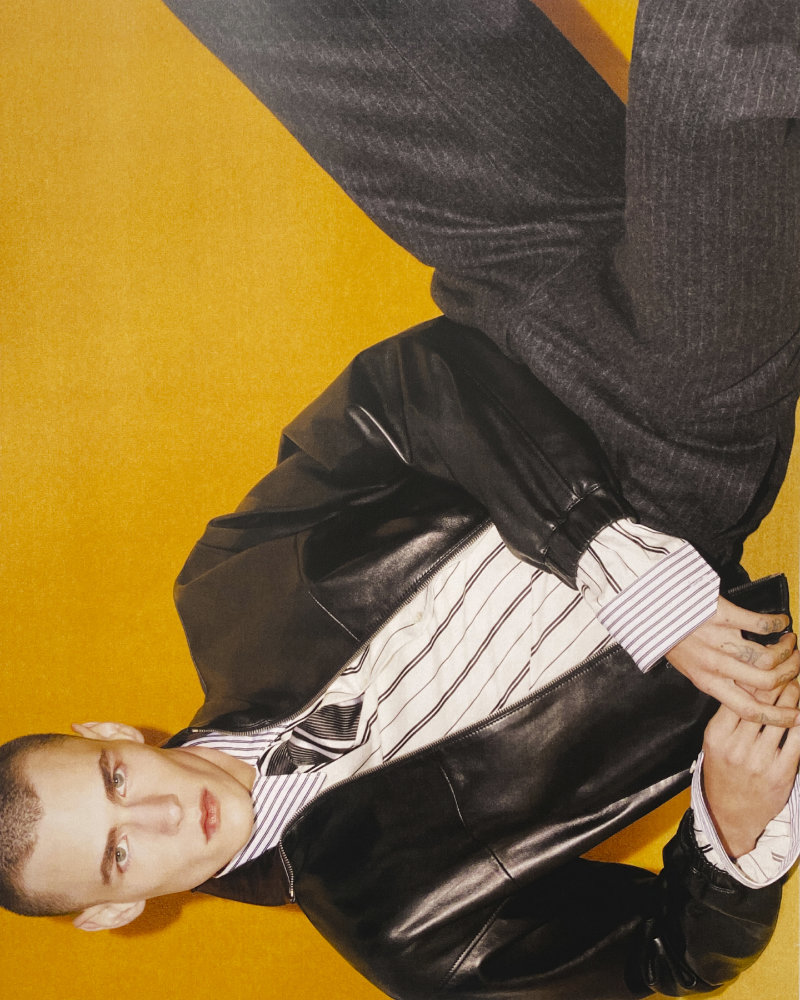
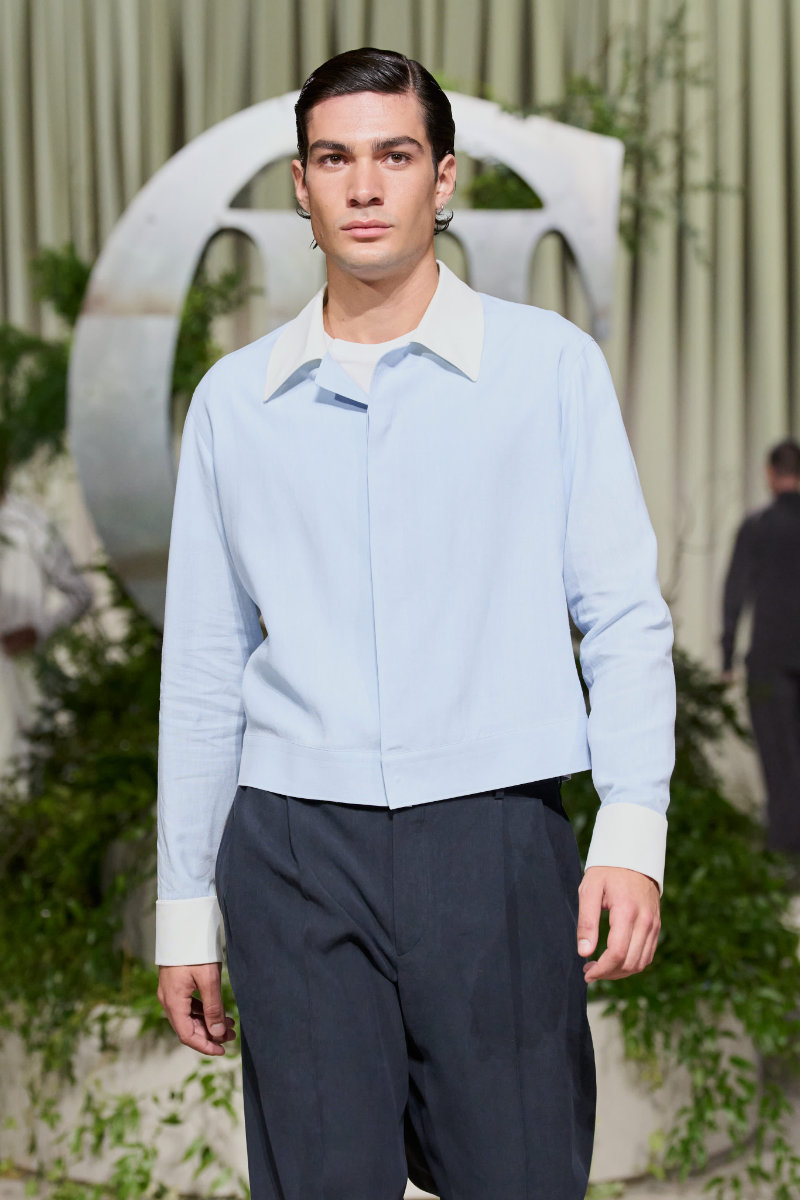
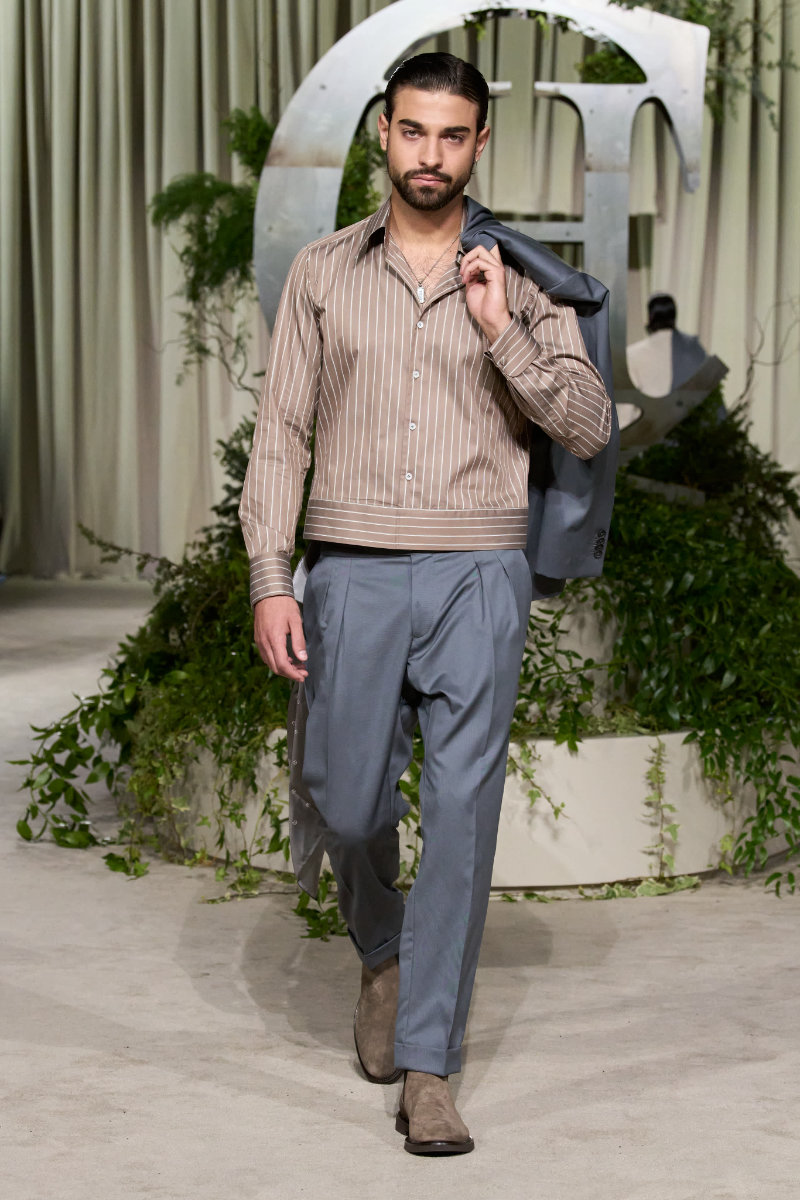
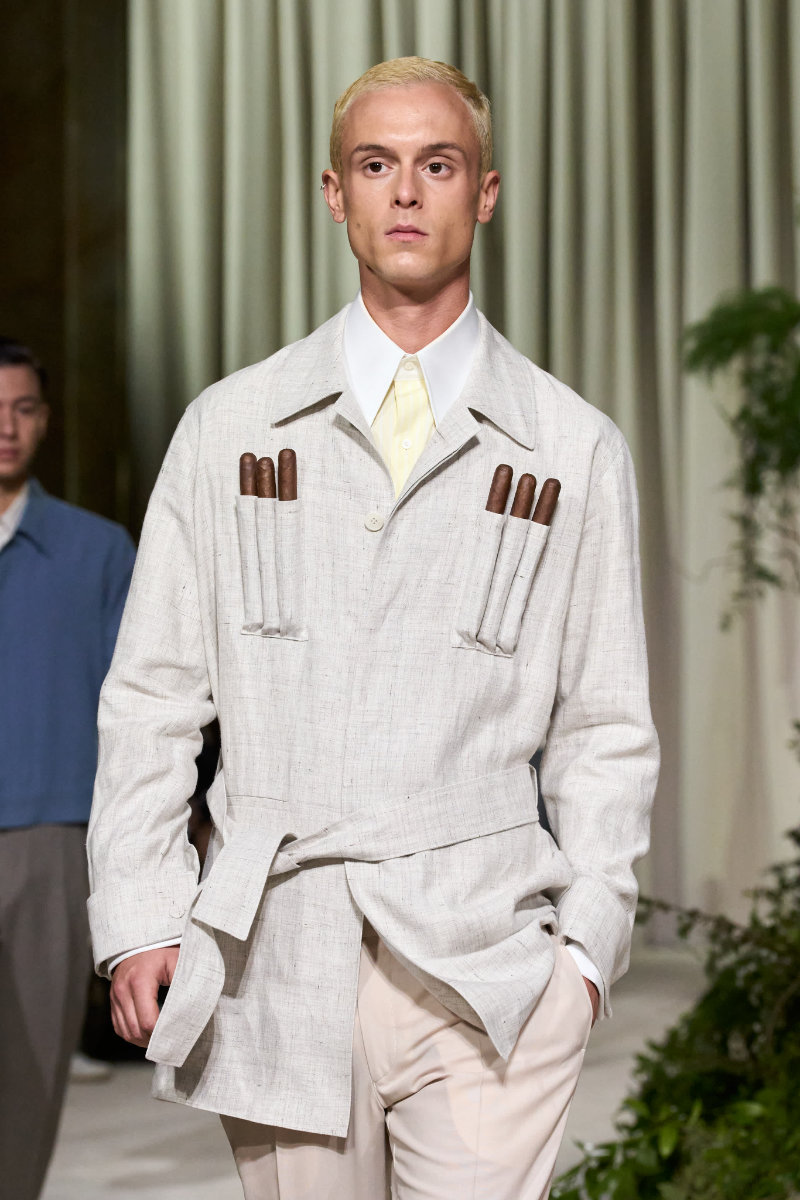
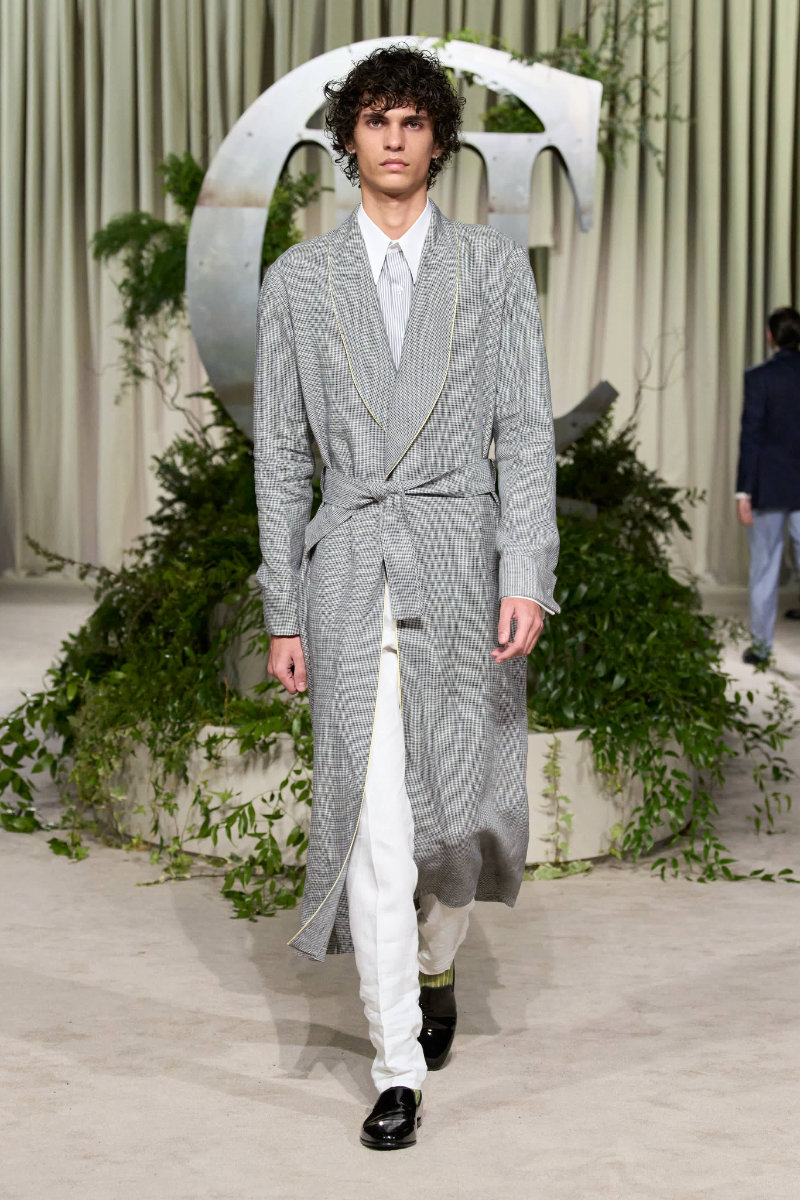
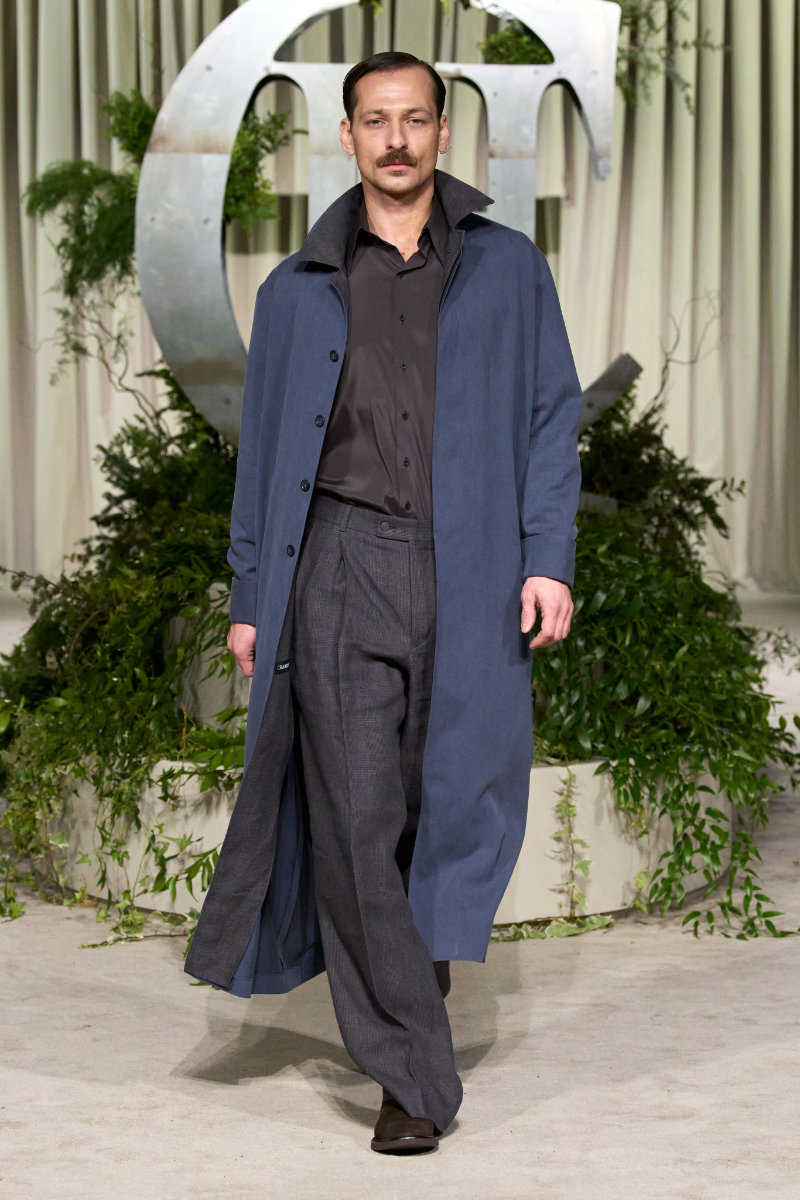
Chariot built its SS27 collection around the shirt, a piece central to the brand’s identity, as a way into rethinking the menswear wardrobe. Volume and proportion were adjusted slightly, and deep back pleats and double cuffs joined by specially designed cufflinks showed the brand’s attention to construction. Silk, wool, and carefully chosen fabrics gave fluidity to silhouettes defined by precise tailoring, and the collection kept the codes of masculine elegance while treating them with ease and naturalness.
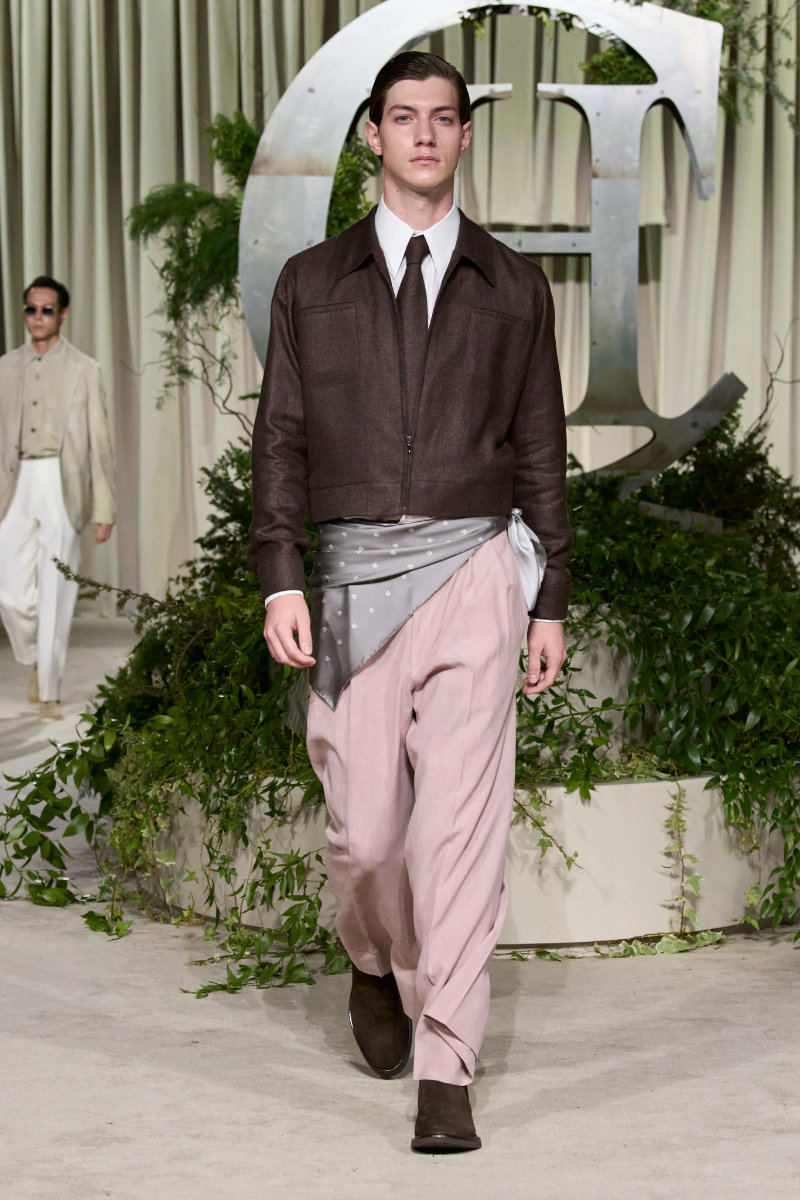
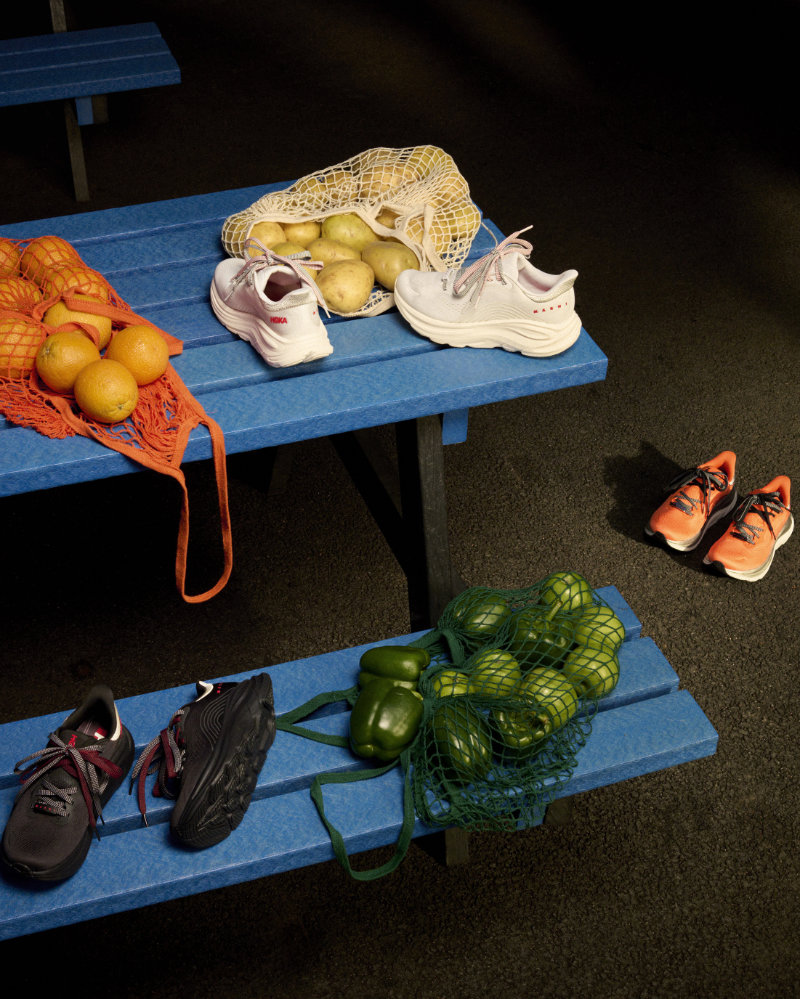
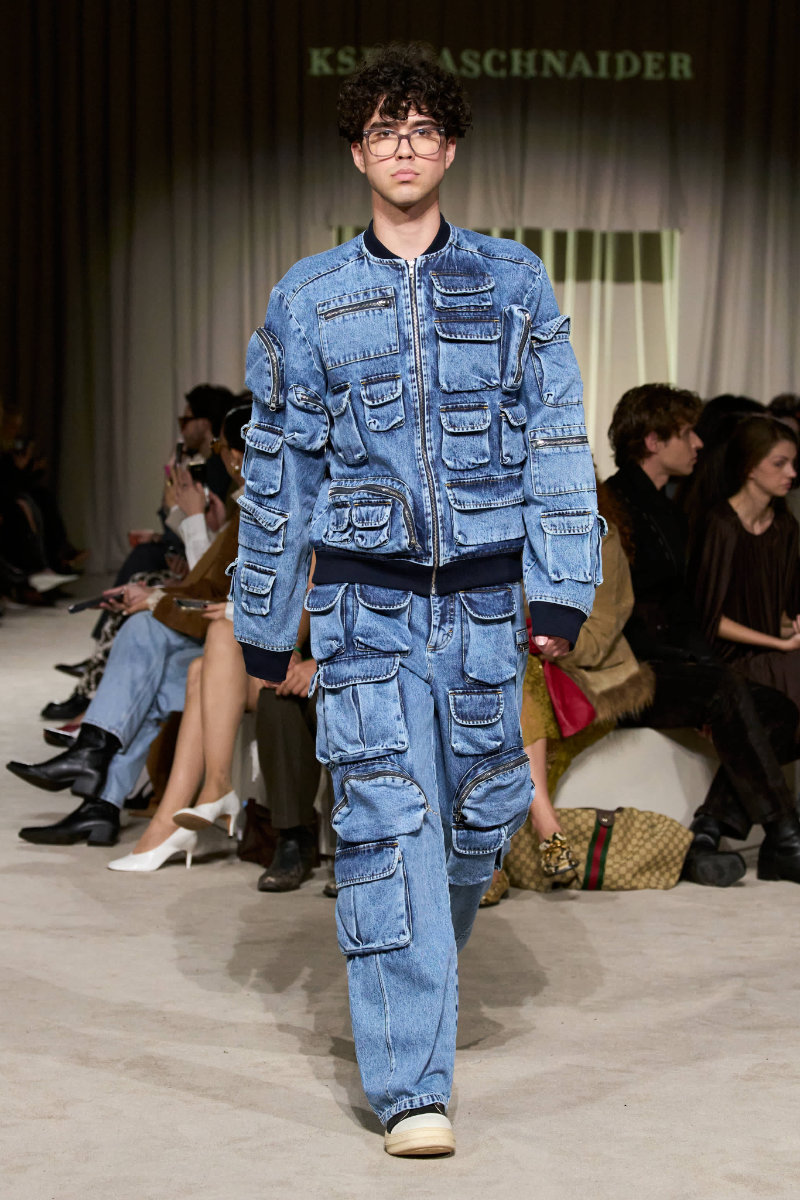
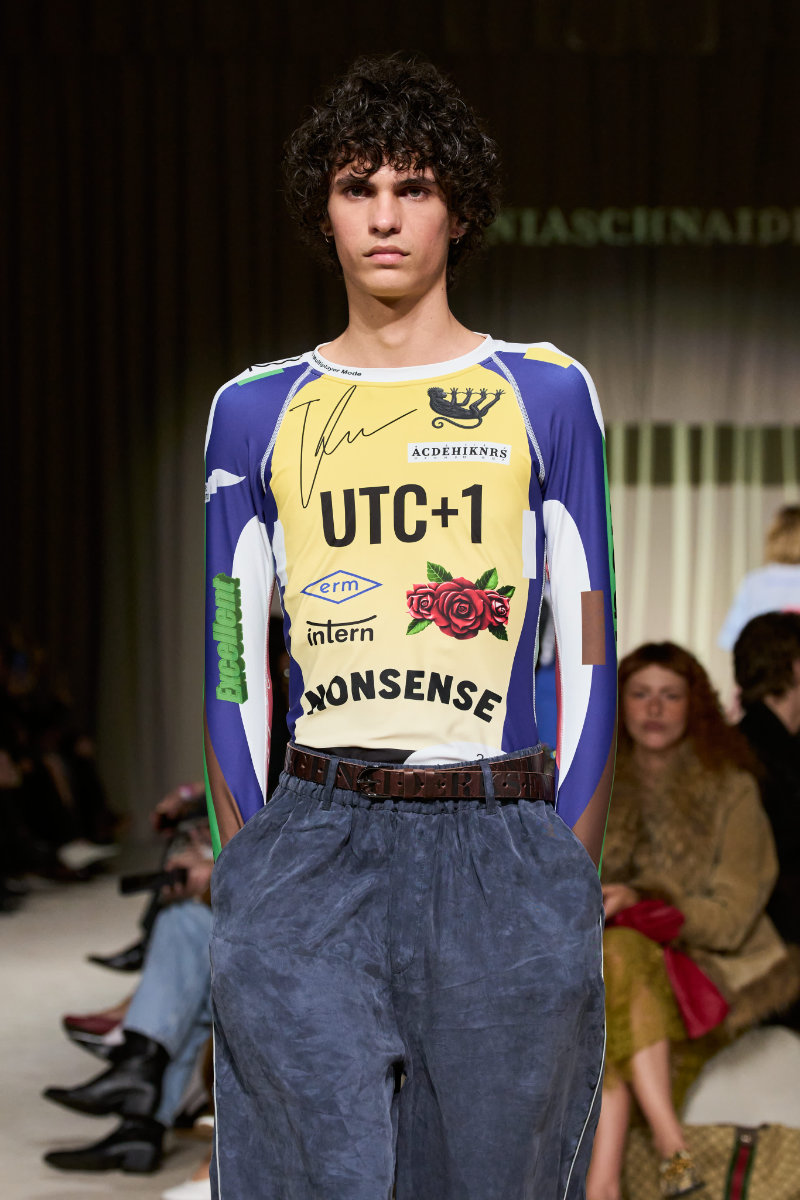
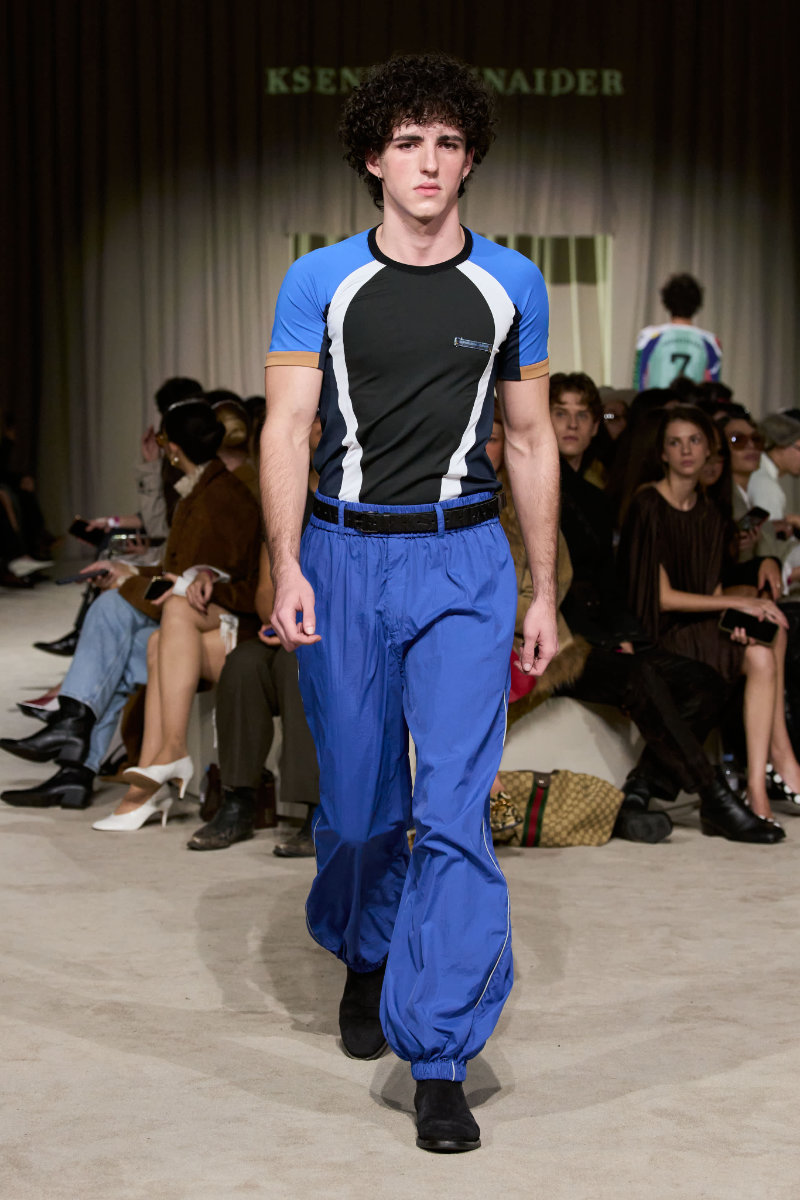
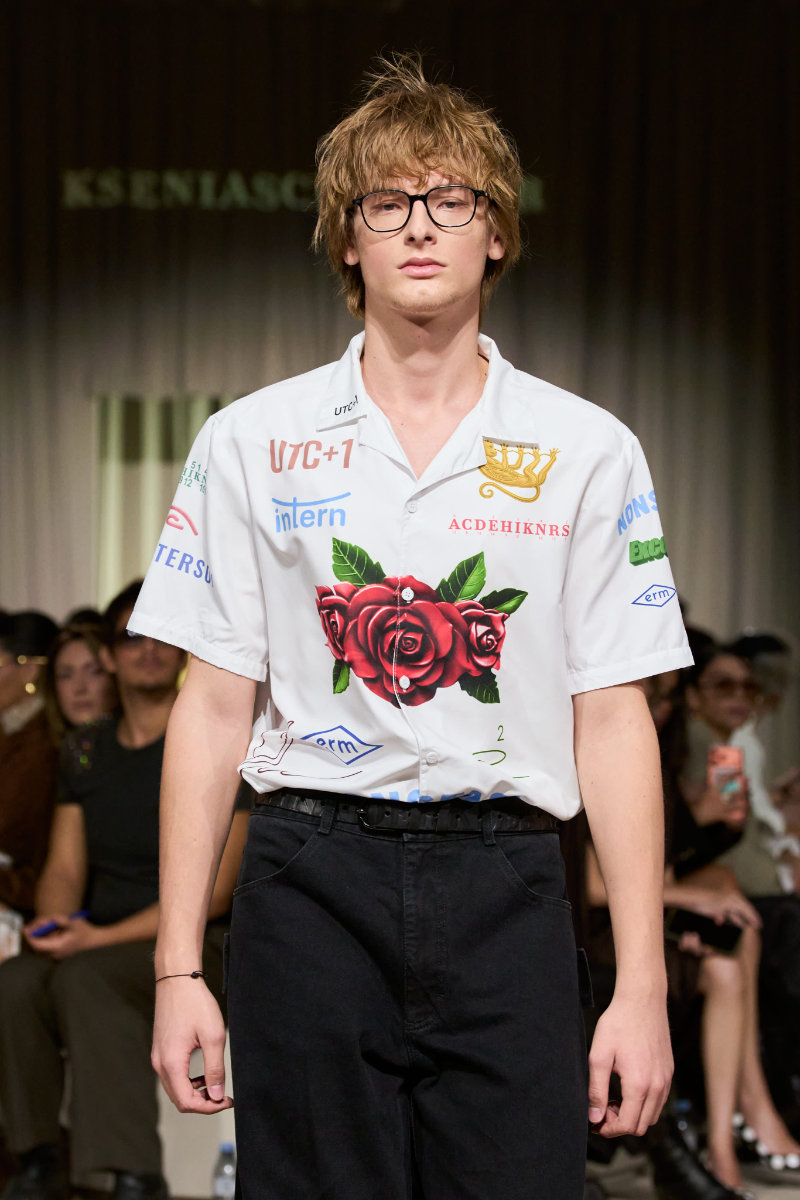
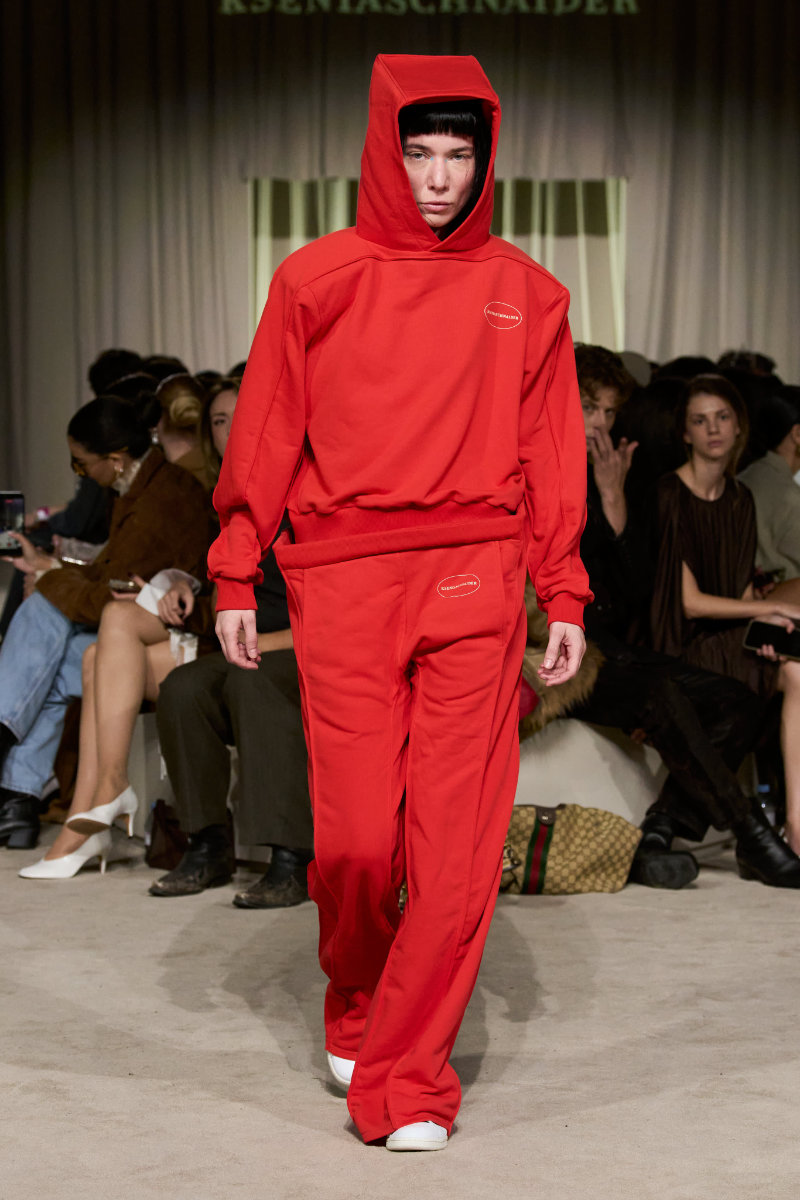
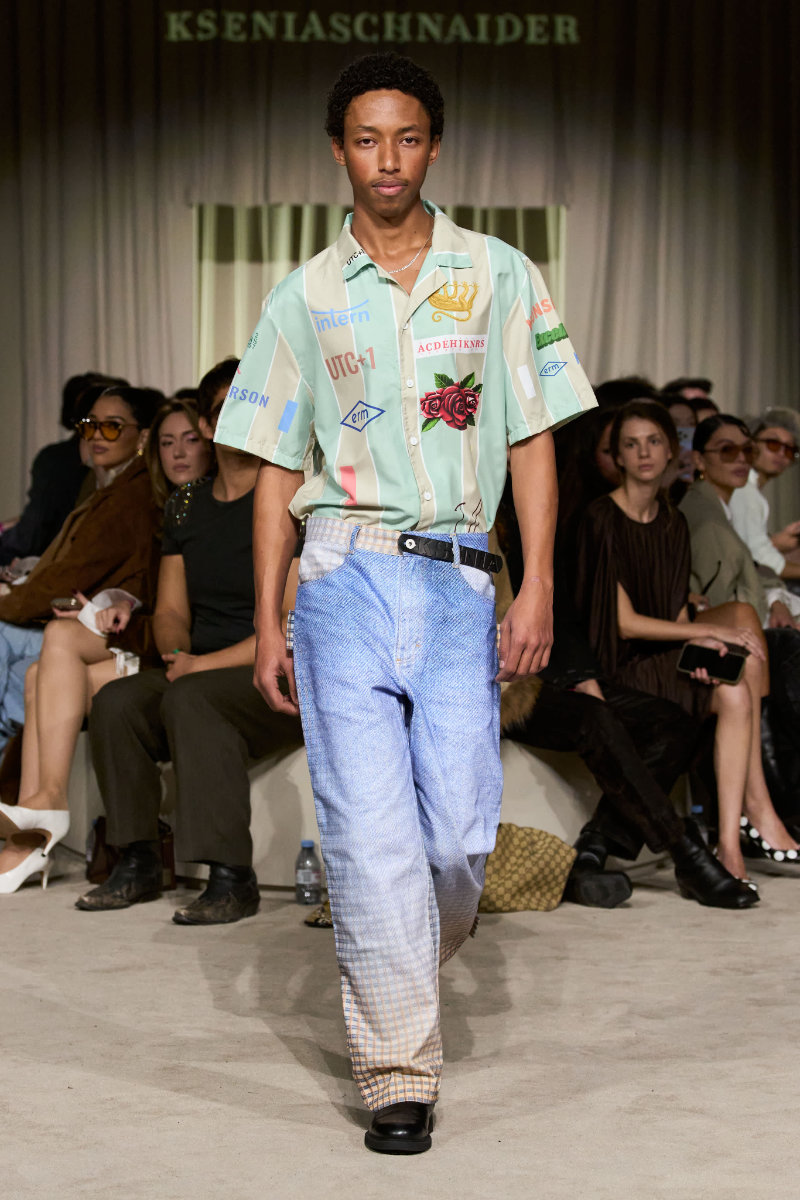
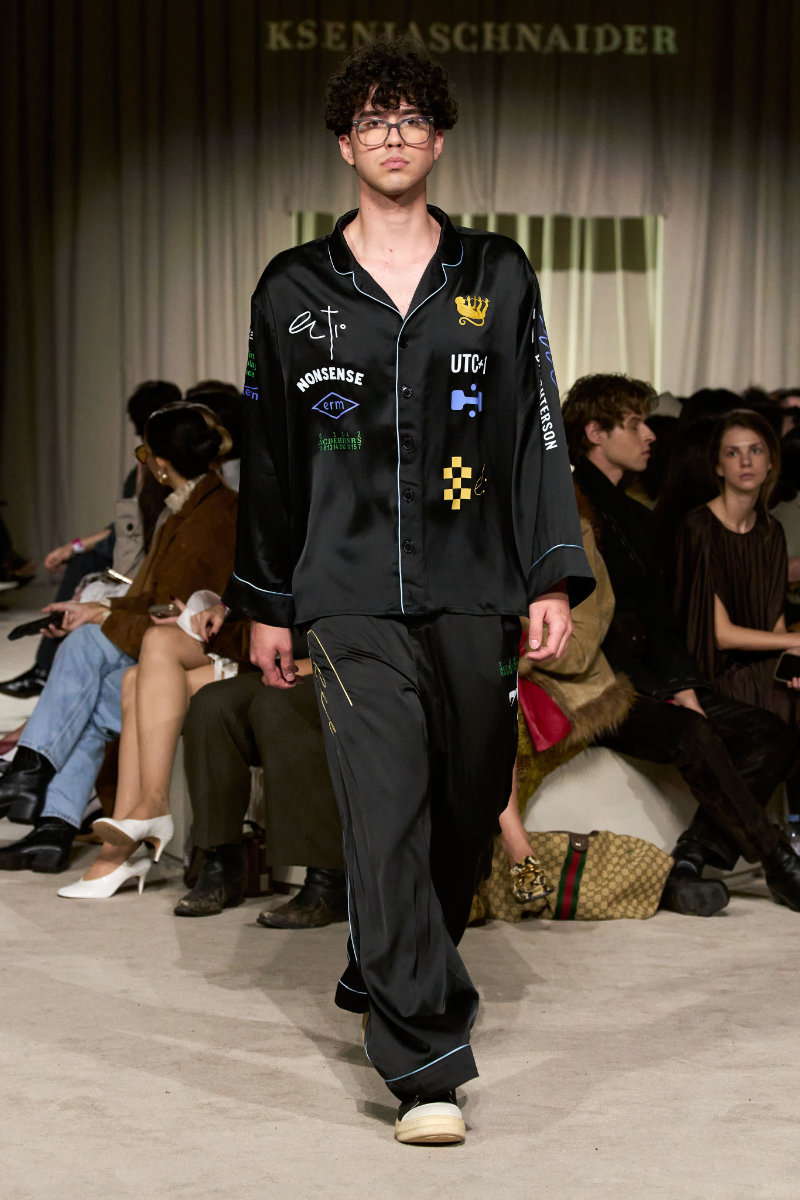
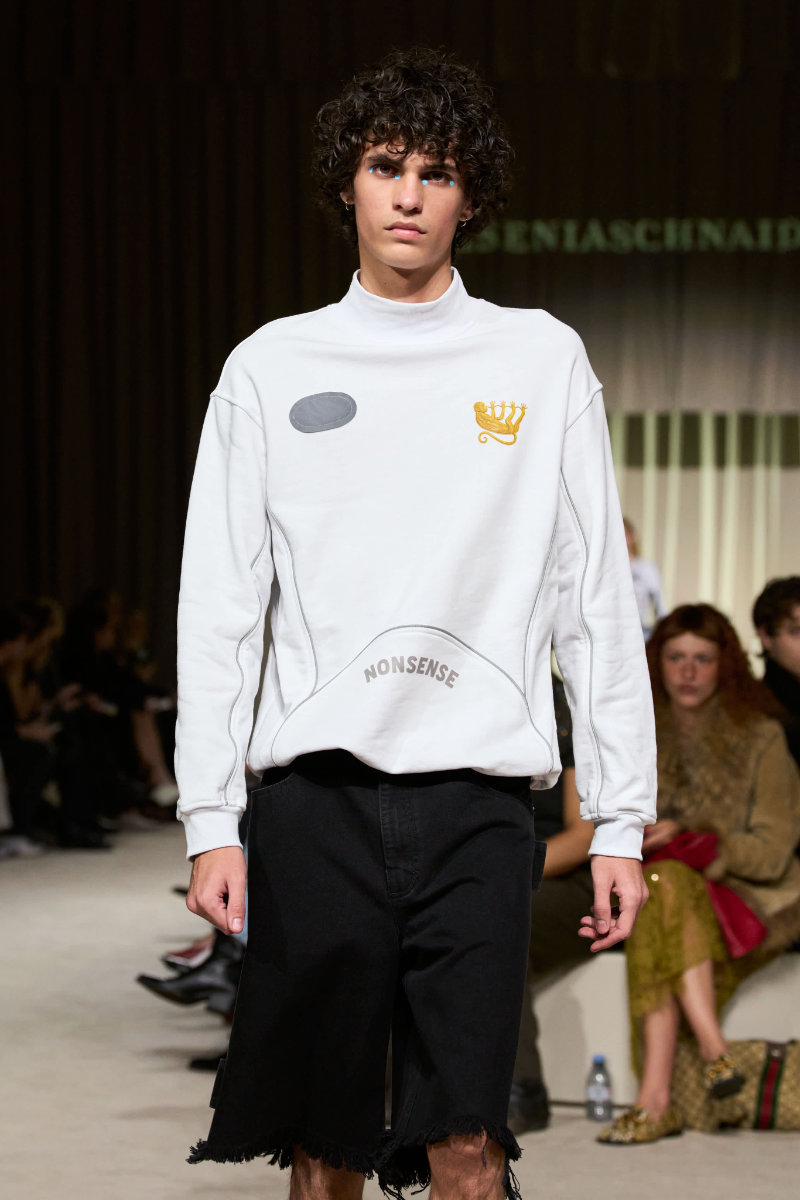
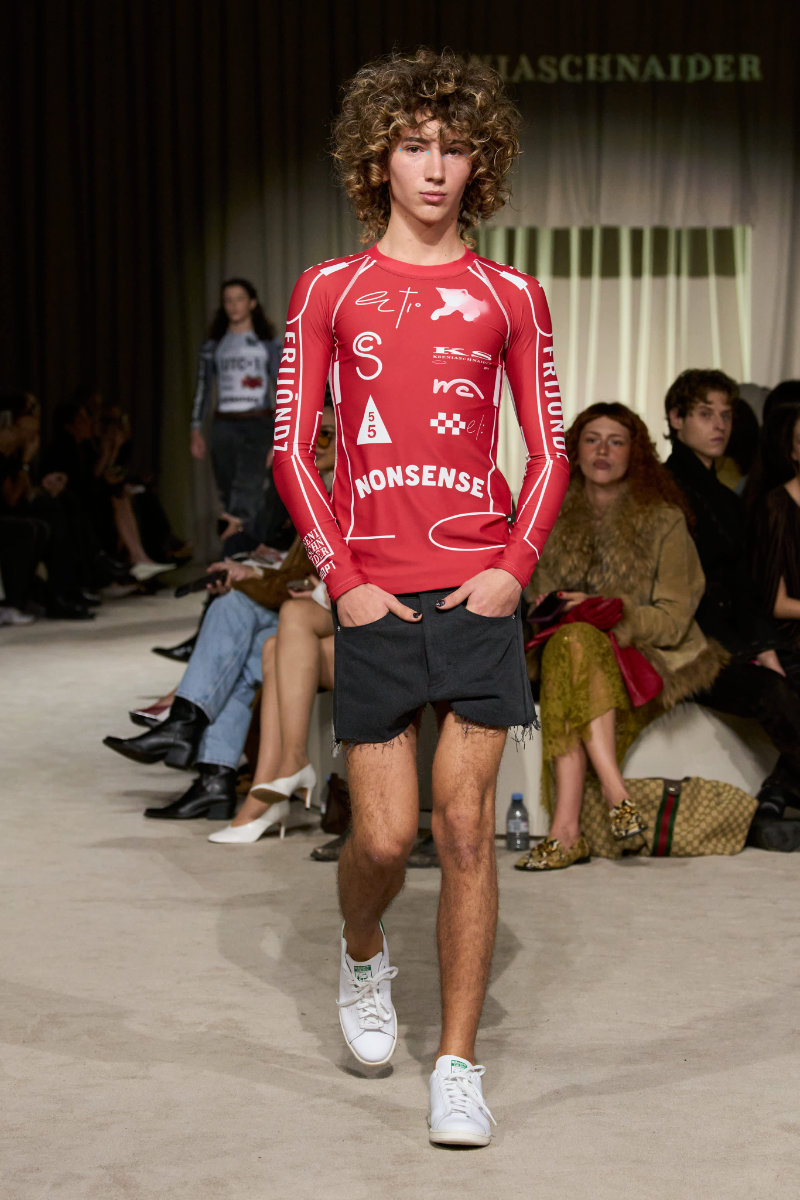
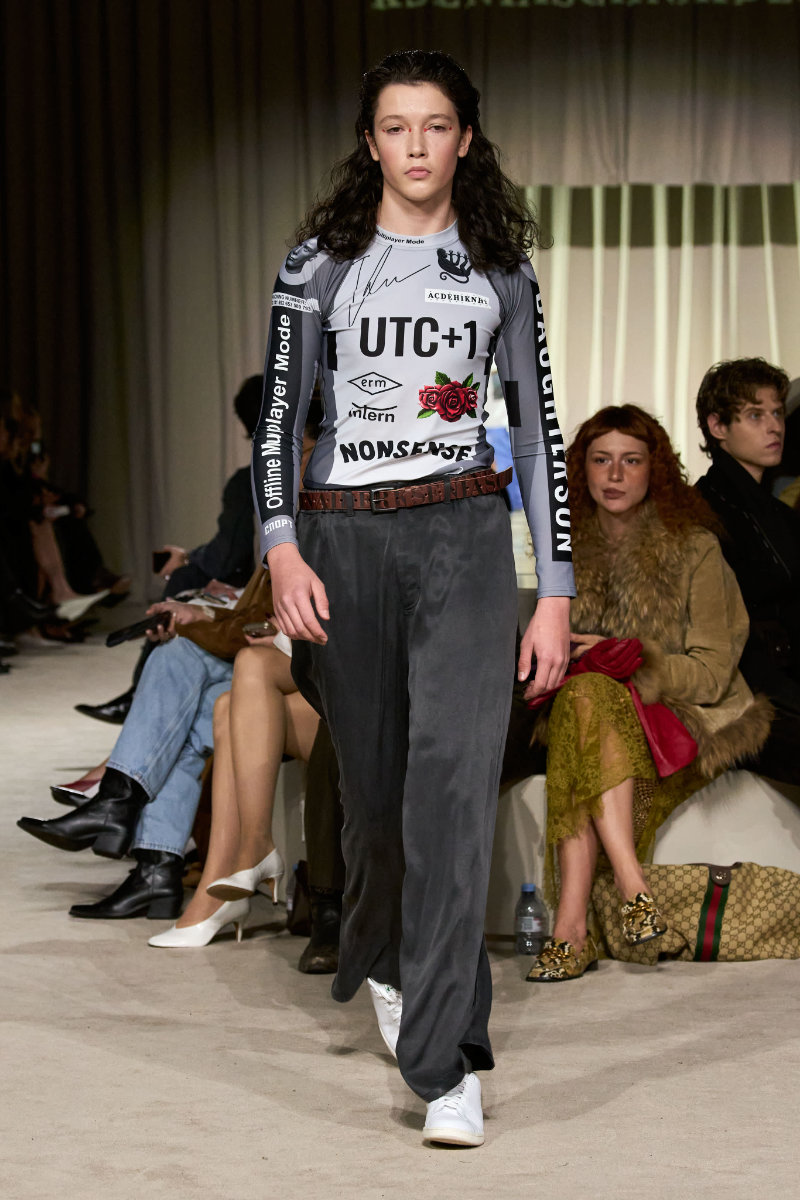
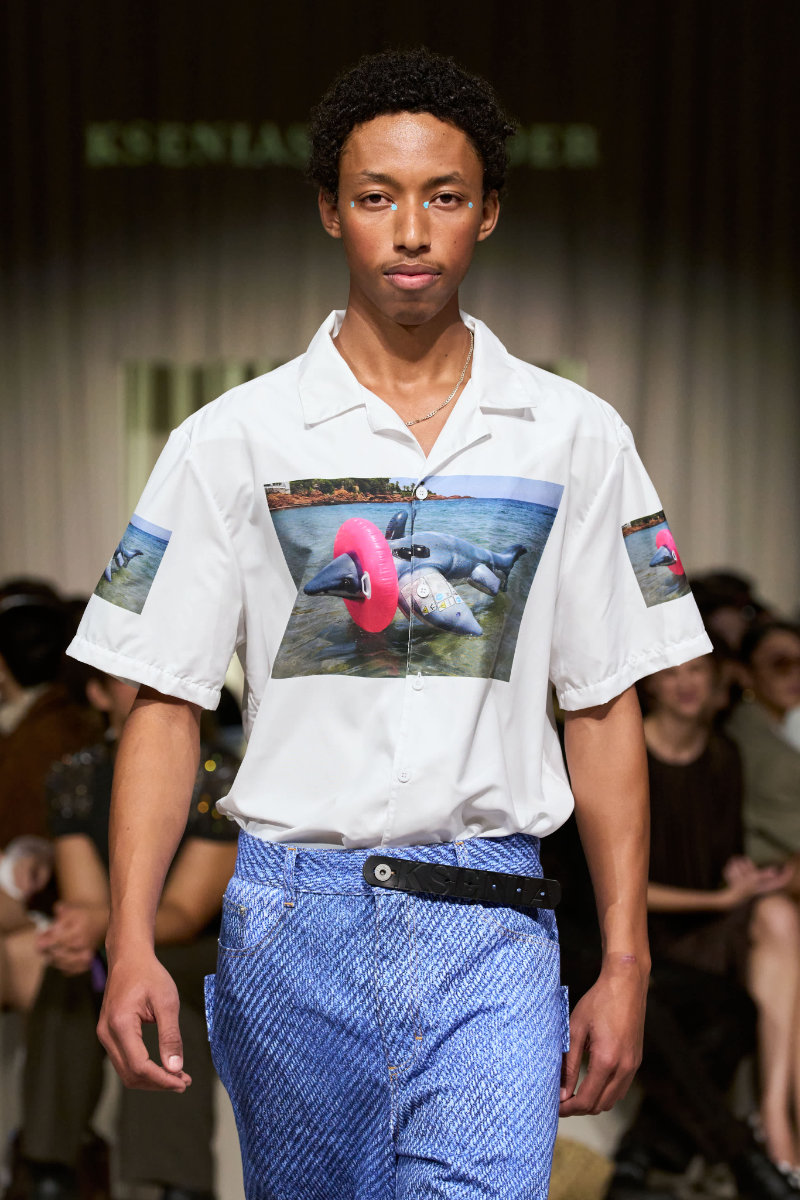
At KSENIASCHNAIDER, UTC+1 was the first season under Anton Schnaider’s creative direction. The collection centred on belonging, mobility, and identities that keep changing. Football jerseys, racing uniforms, and the graphic codes of sportswear were reworked through fictional logos, numbers, and symbols with ambiguous meanings. The idea of walkwear, made for people always on the move, came through in functional garments, multiple pockets, and experimental details. The collection was produced in the brand’s Kyiv atelier and included six looks developed with Lee Cooper.
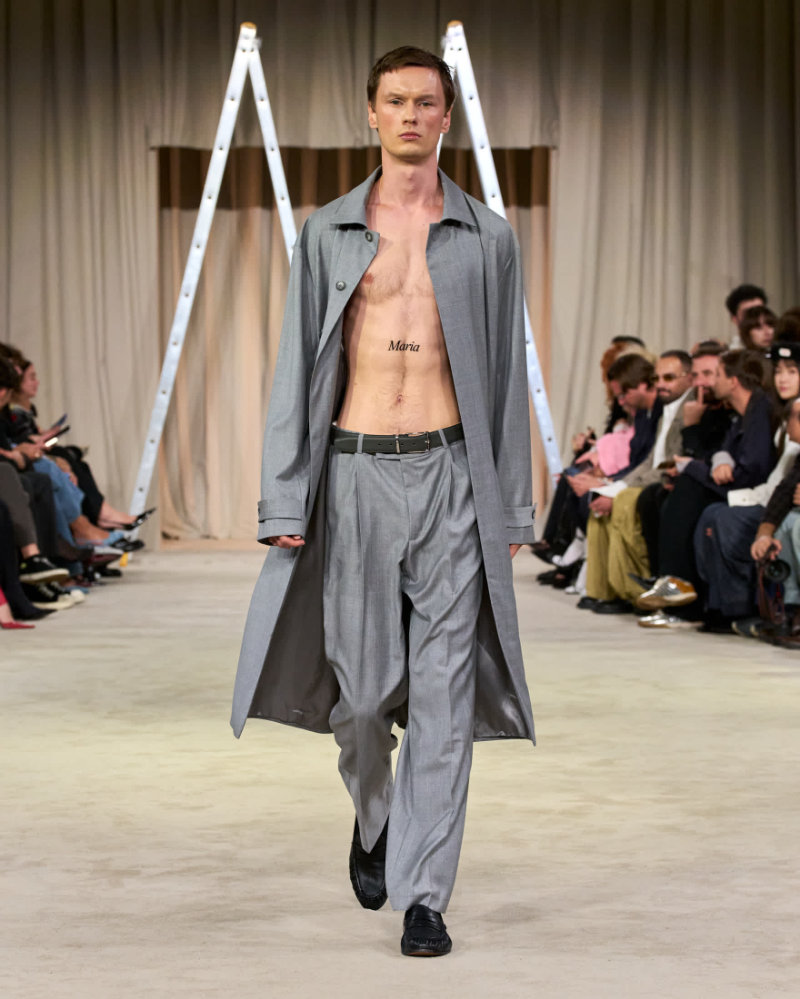
MEDEEA‘s Every Woman Is a Maria looked at the feminine image as both a personal and a collective symbol, drawing on a reference attributed to Helmut Lang and on the meaning of the name Maria. Designer Medeea Maria Ene continued reworking the silhouette by deconstructing classic menswear elements, pairing precise tailoring with rigid and fluid materials.