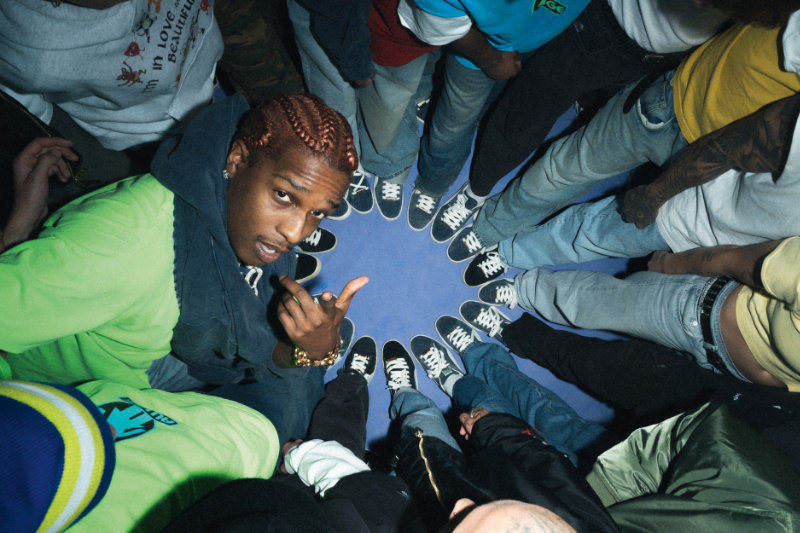
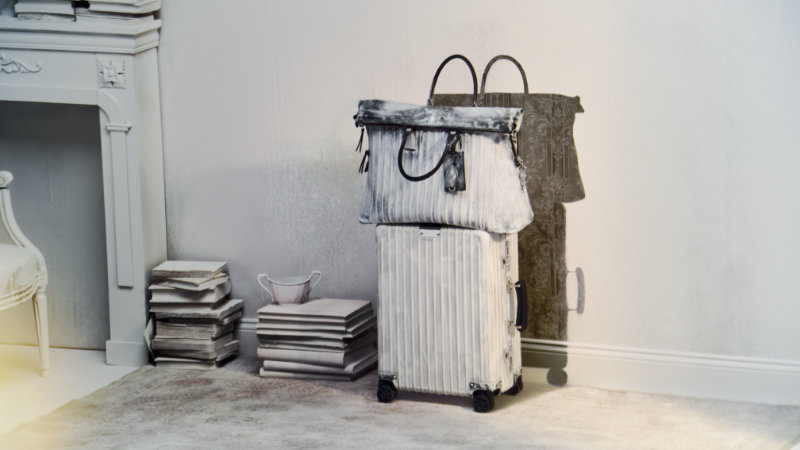
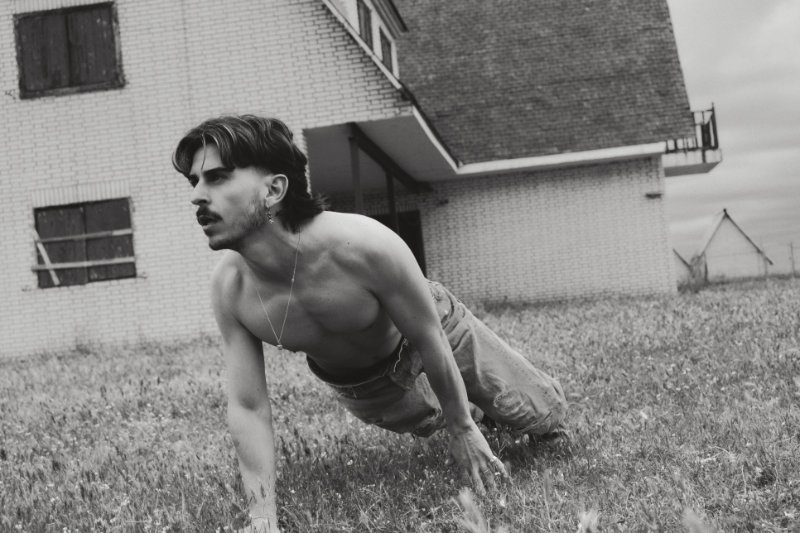
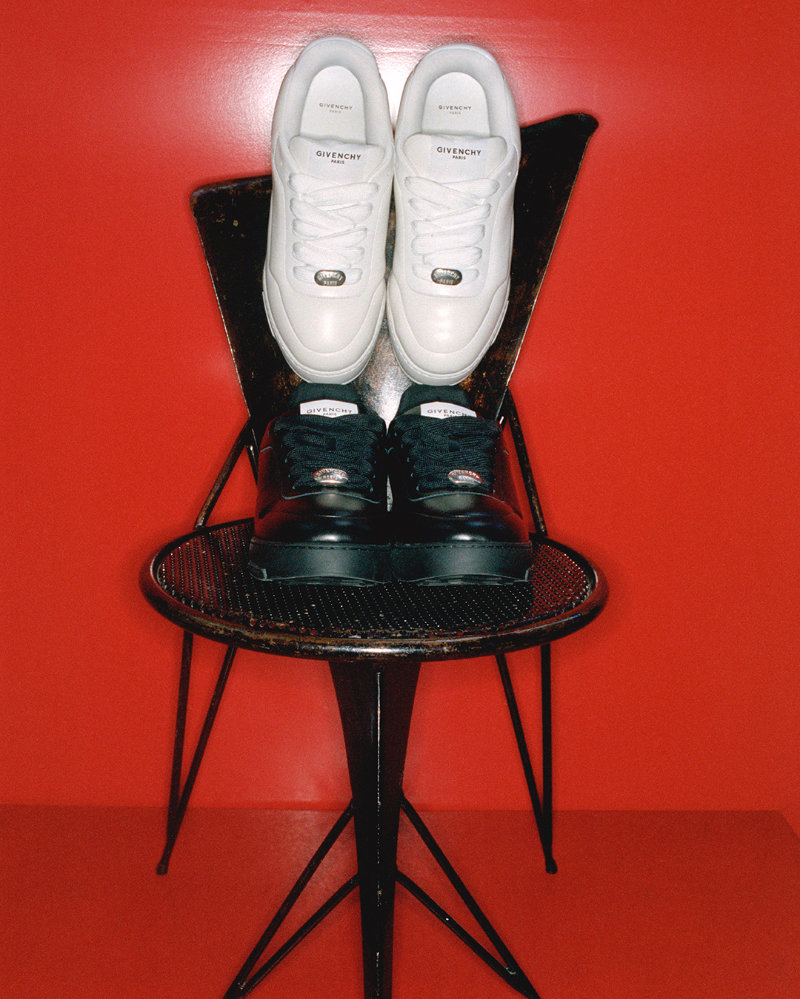
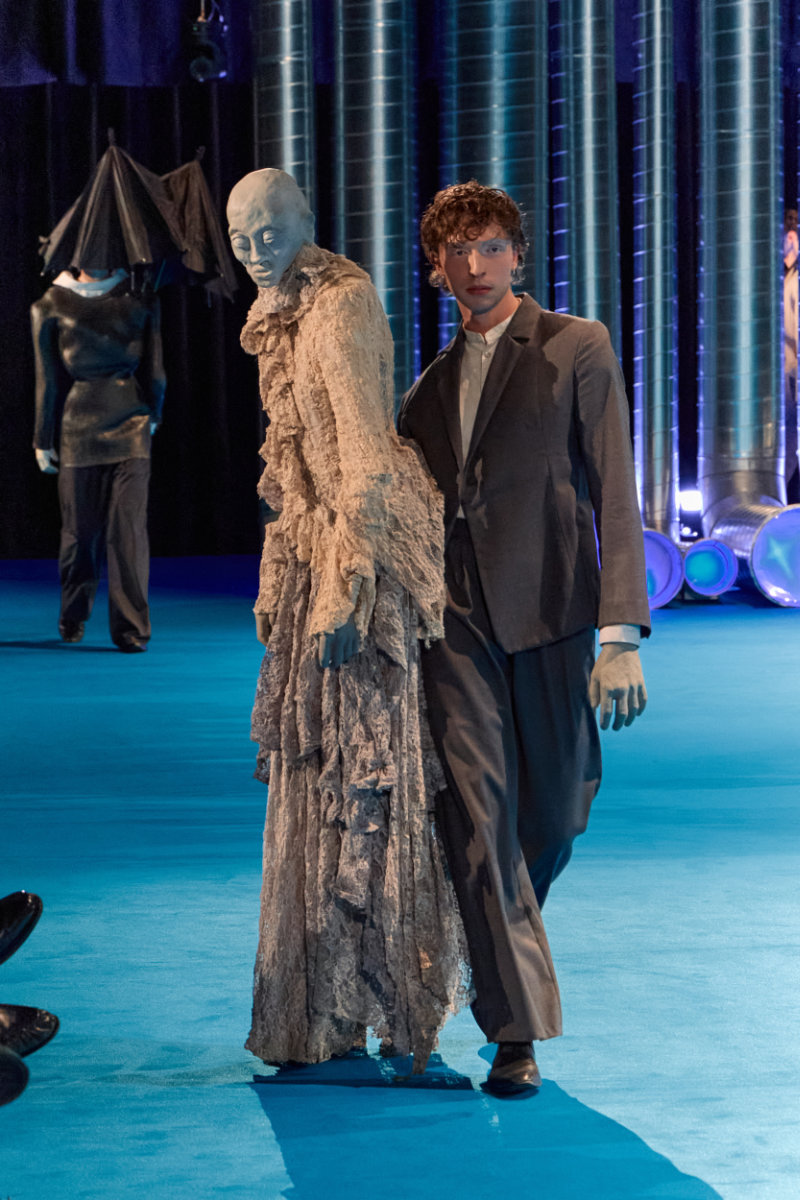
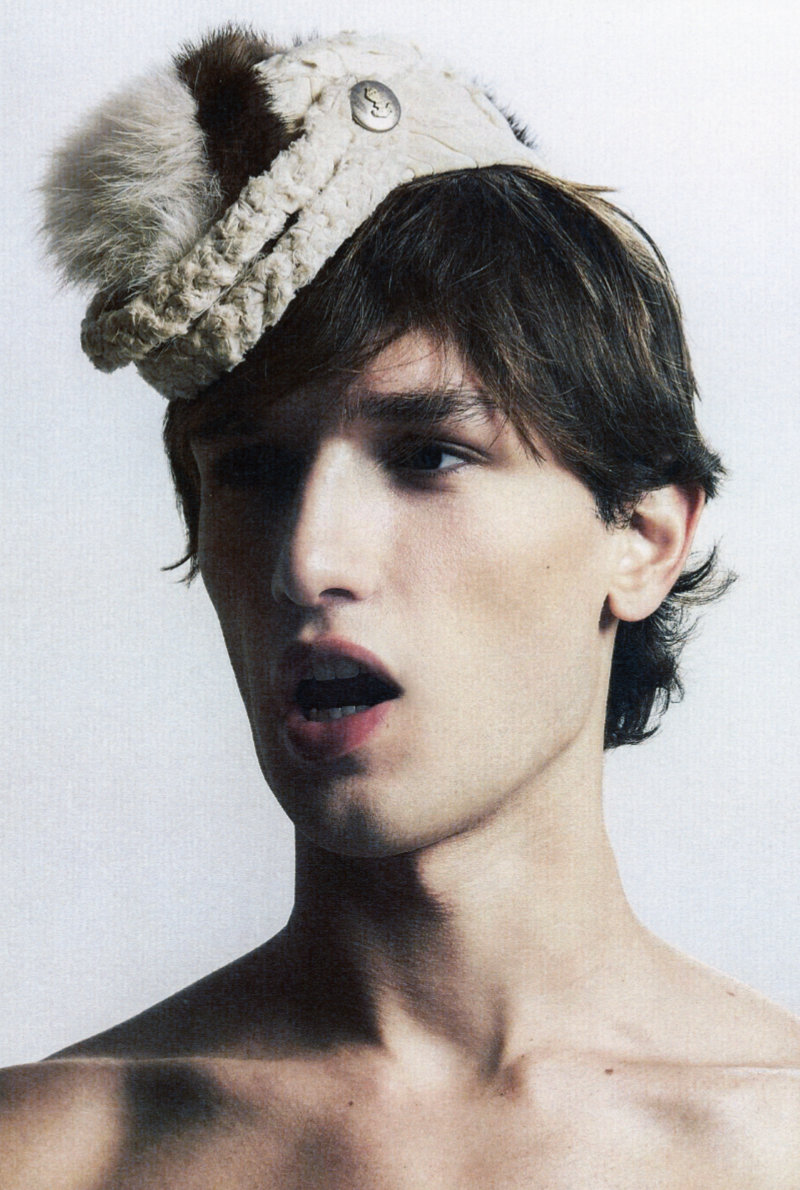
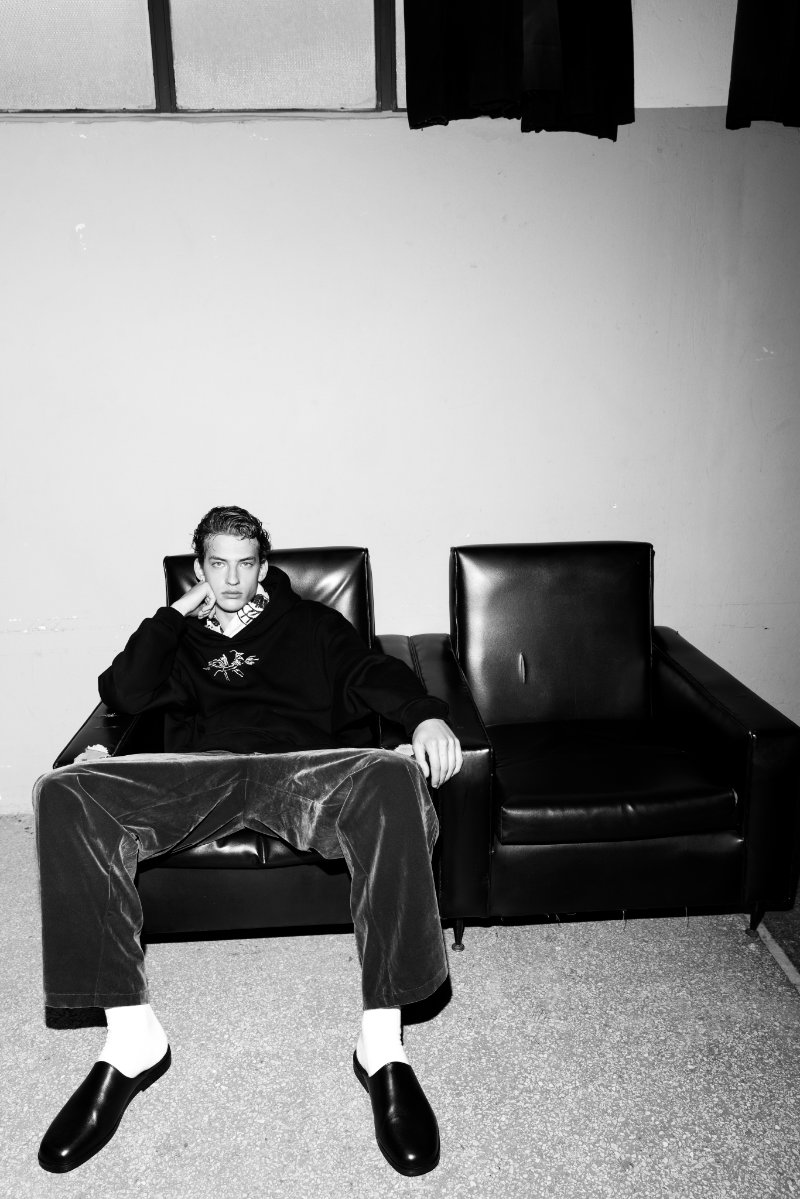
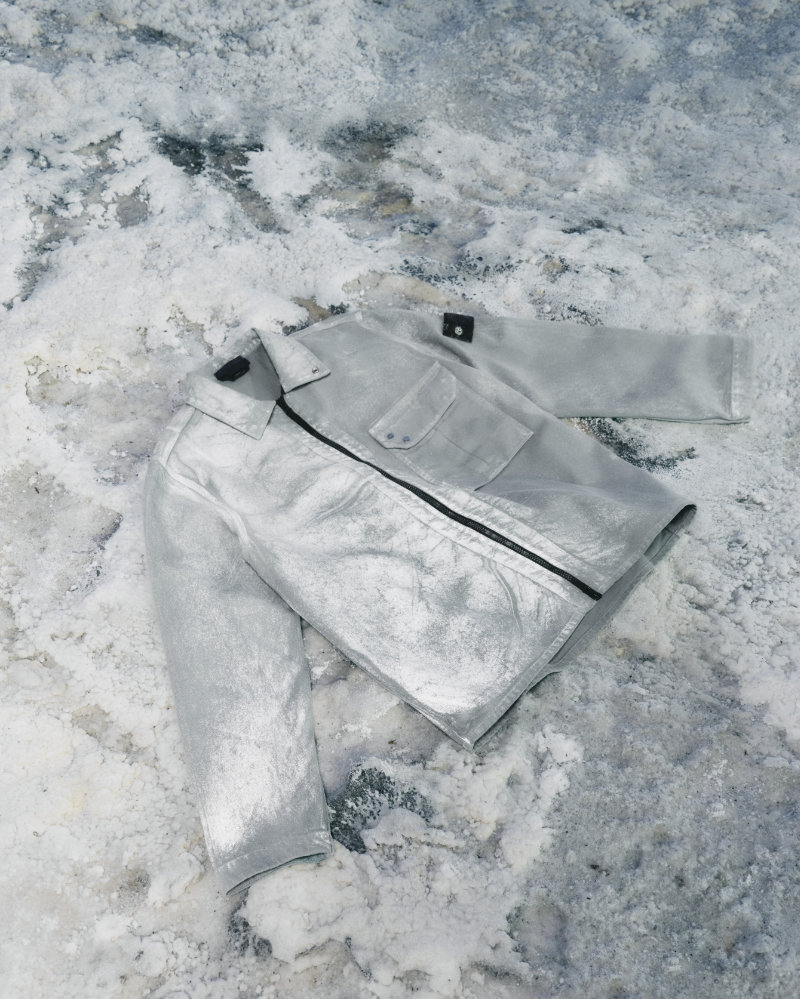
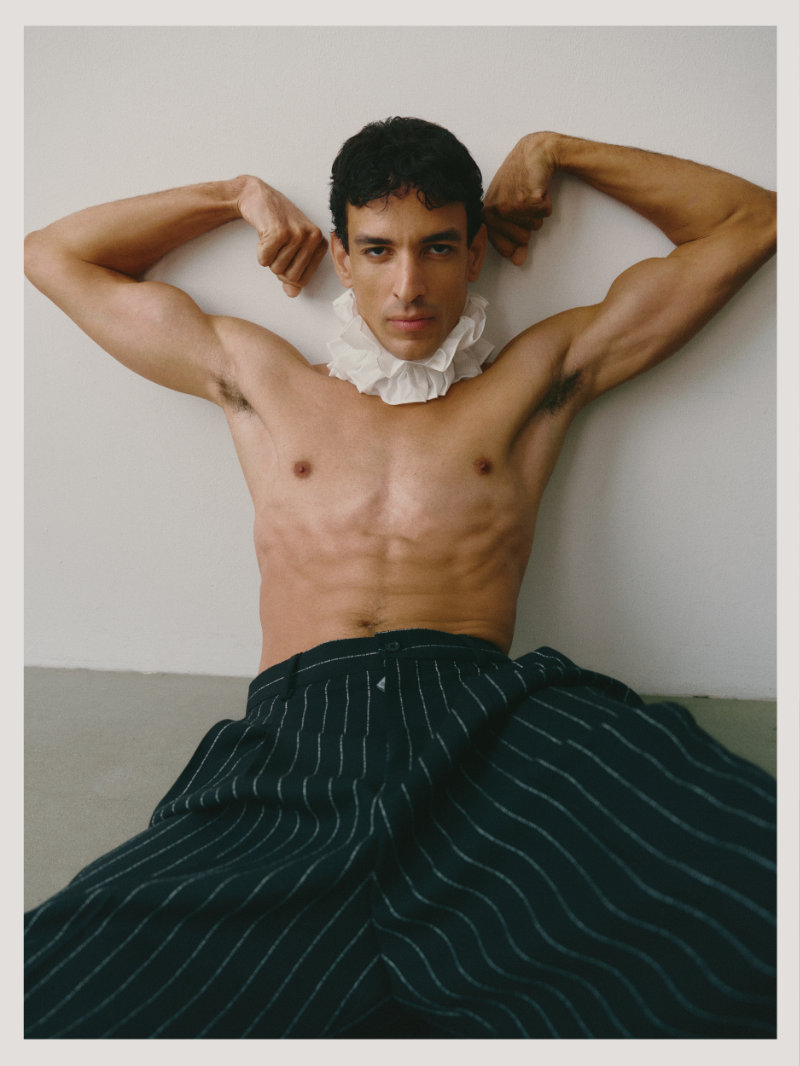
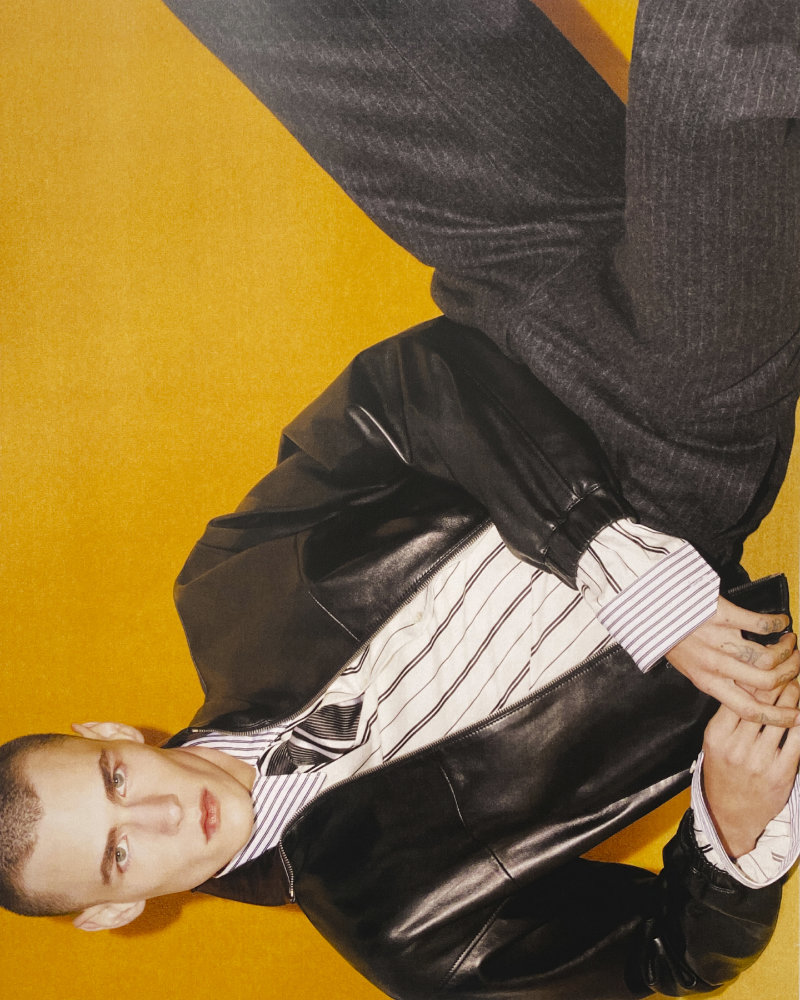
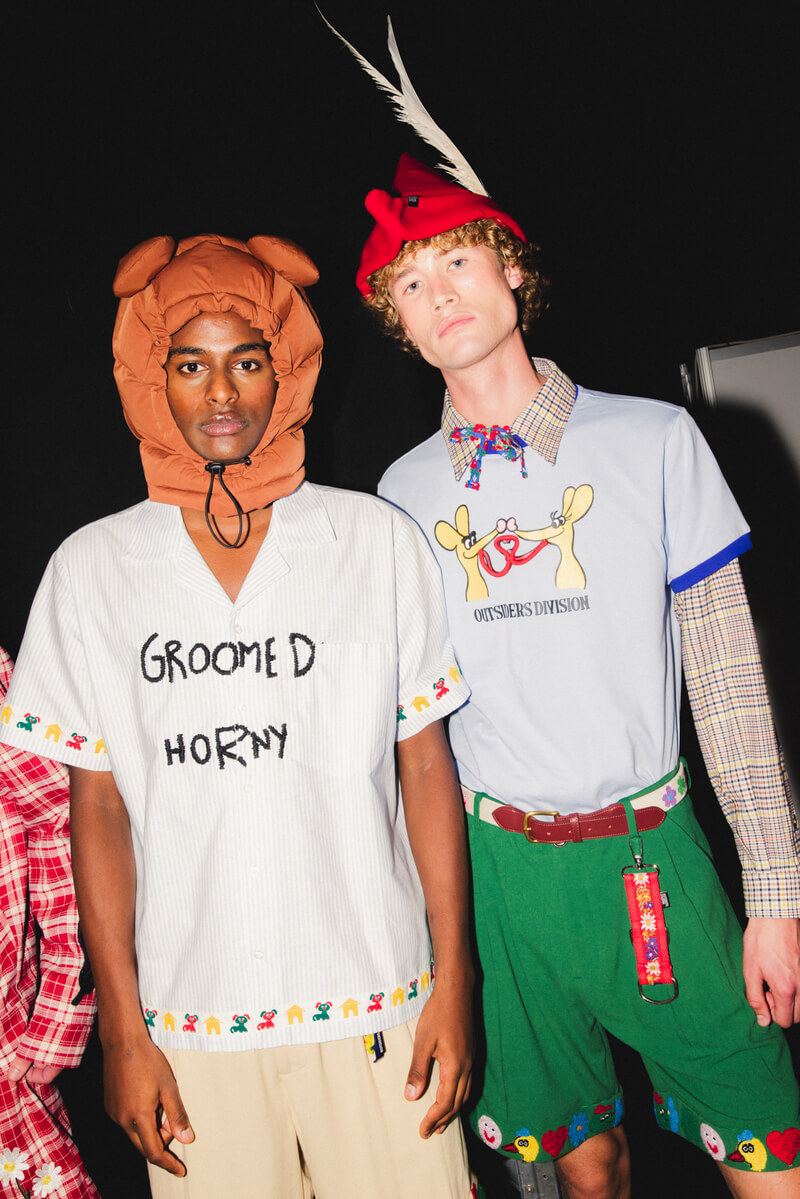
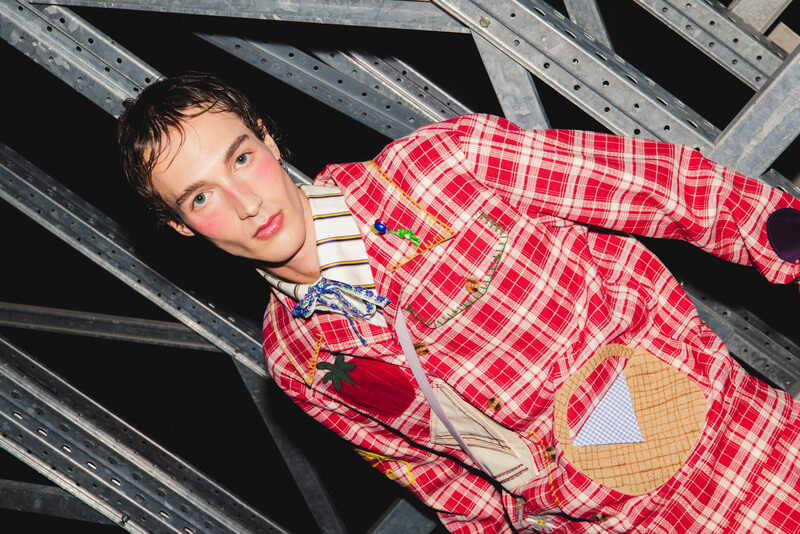
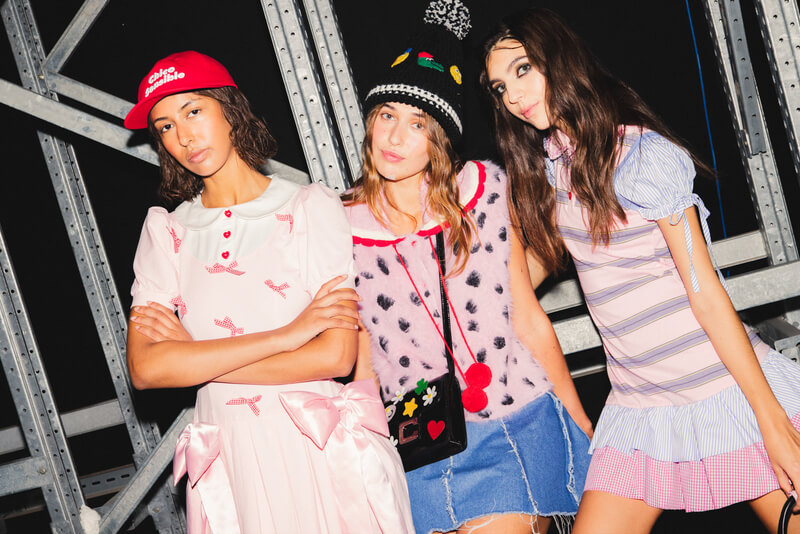
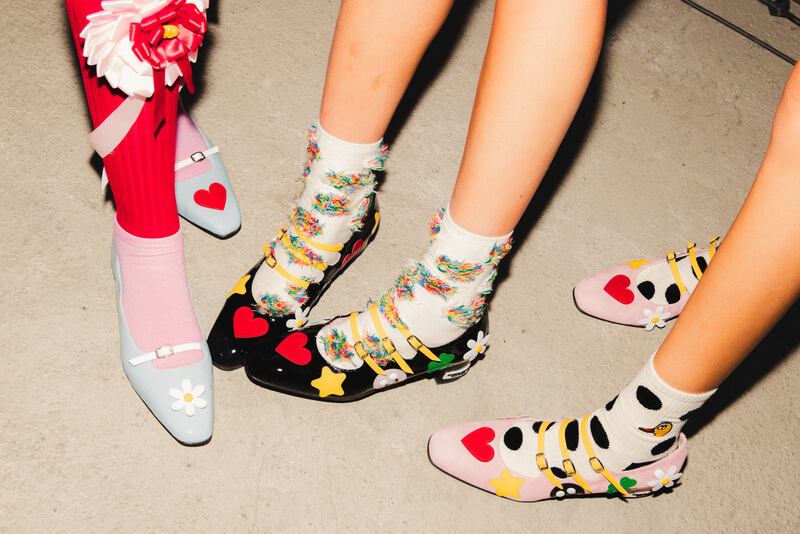
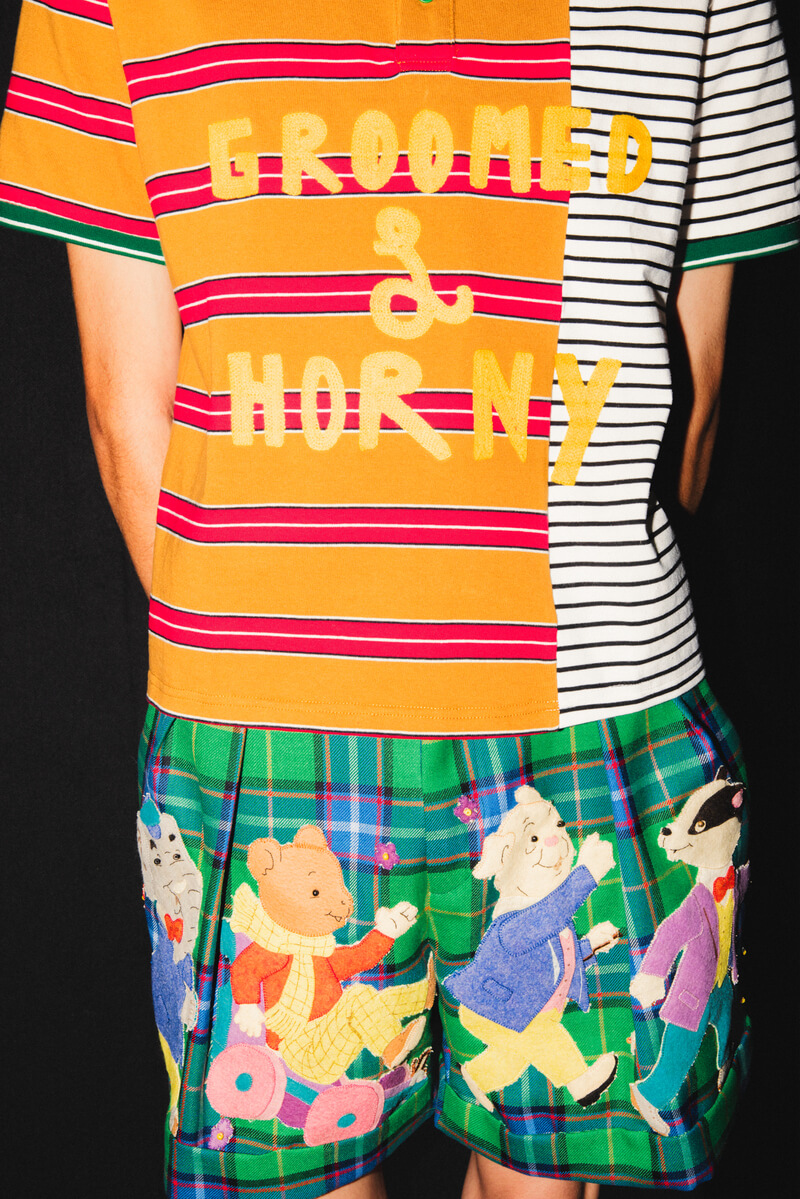
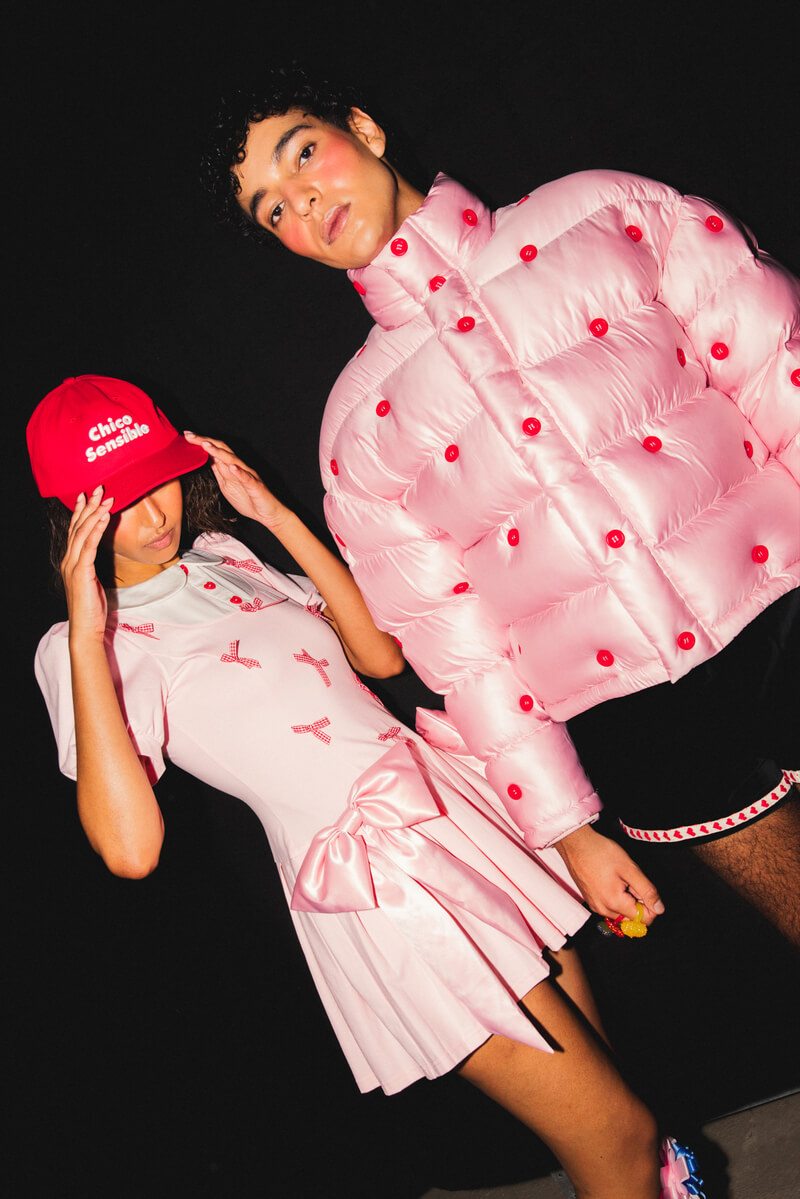
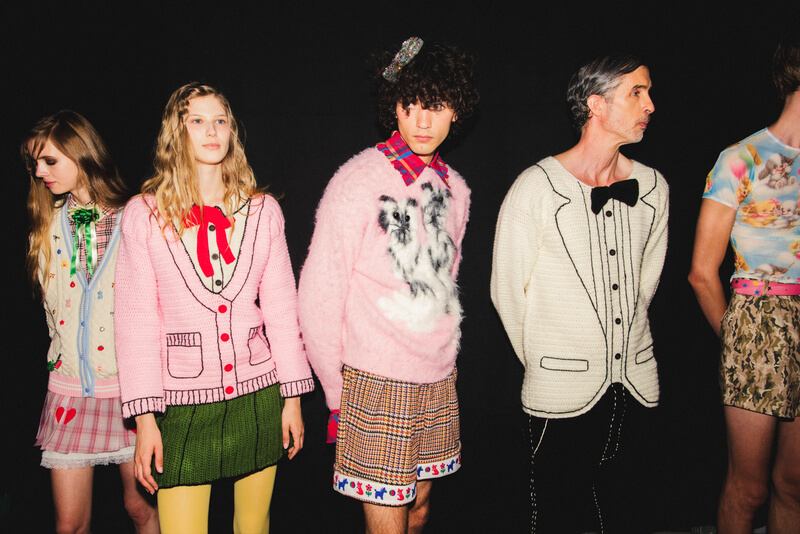
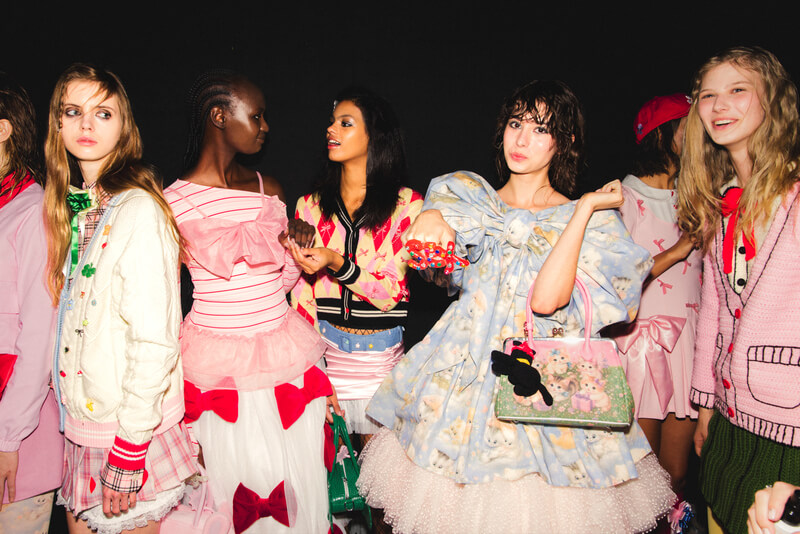
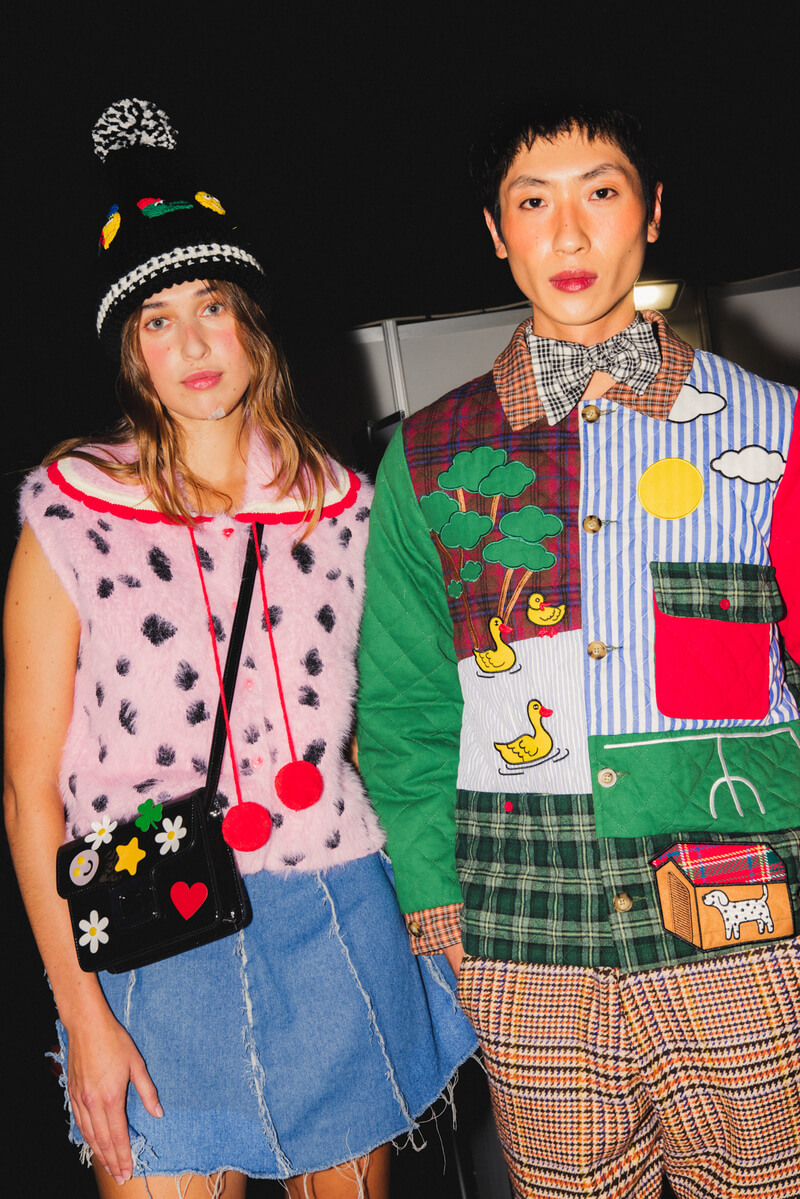
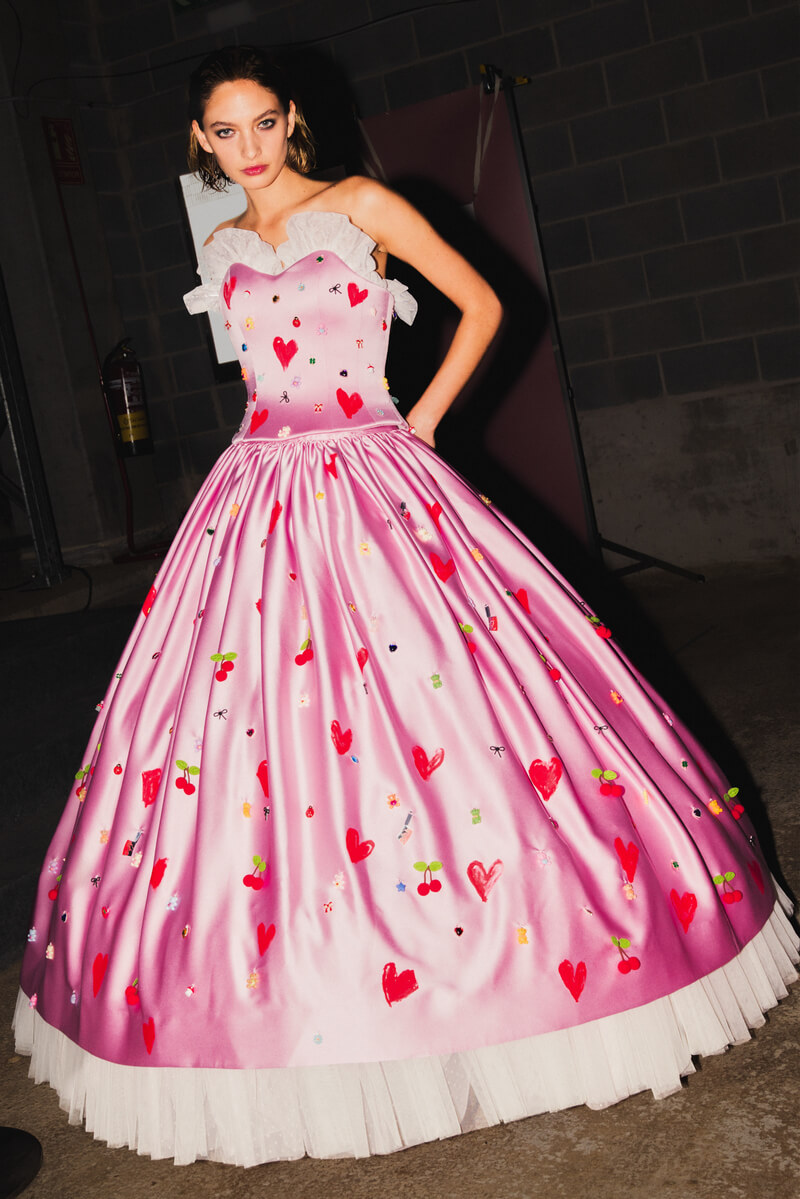
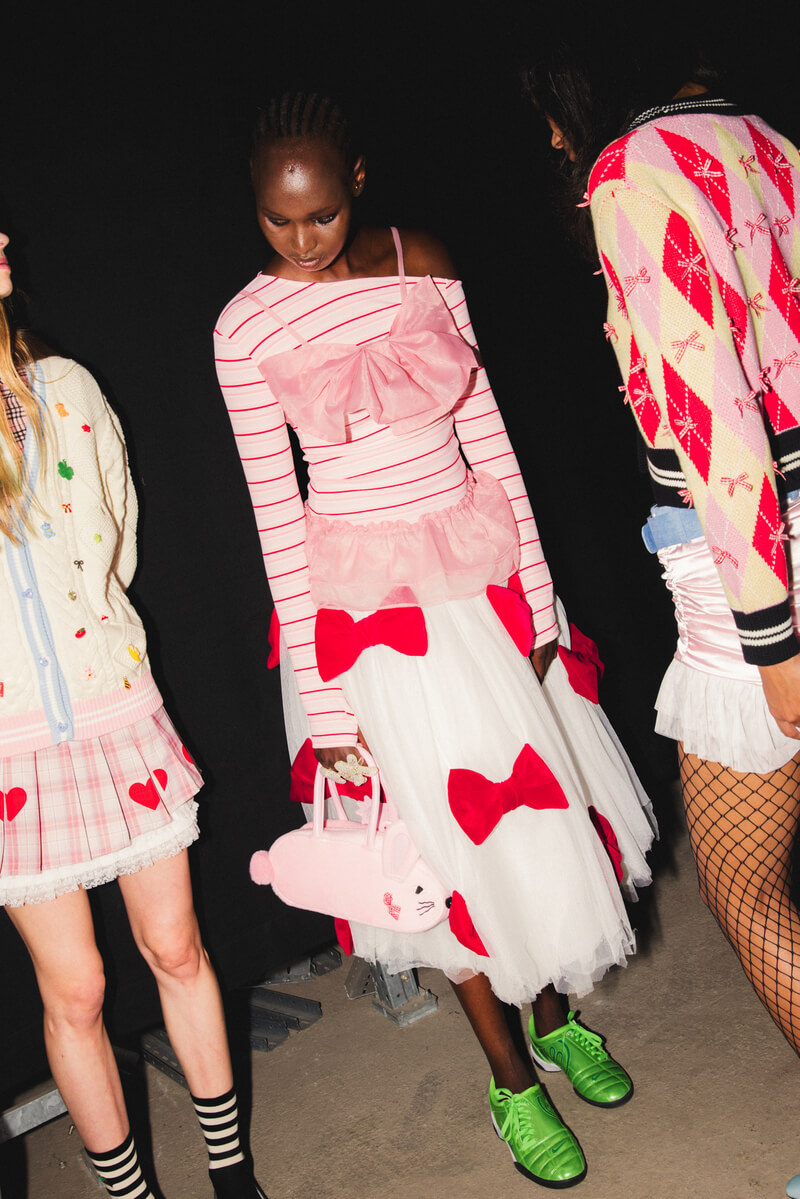
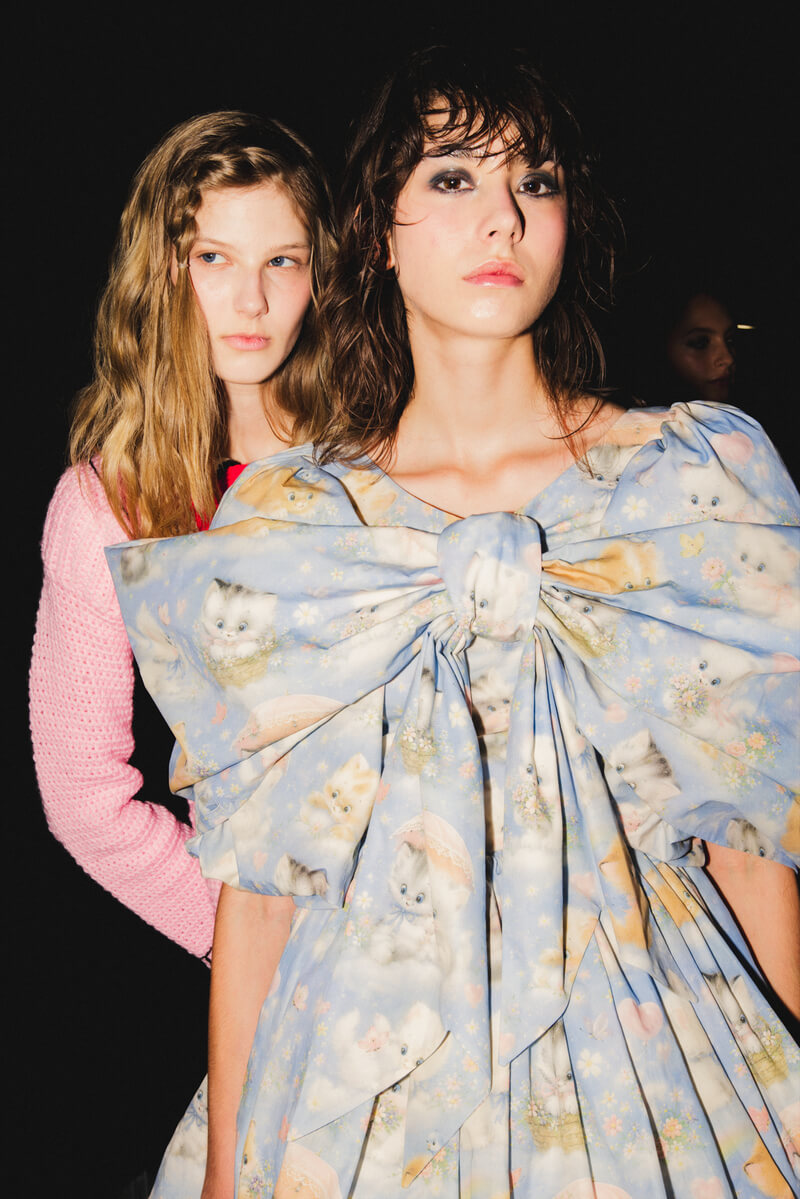
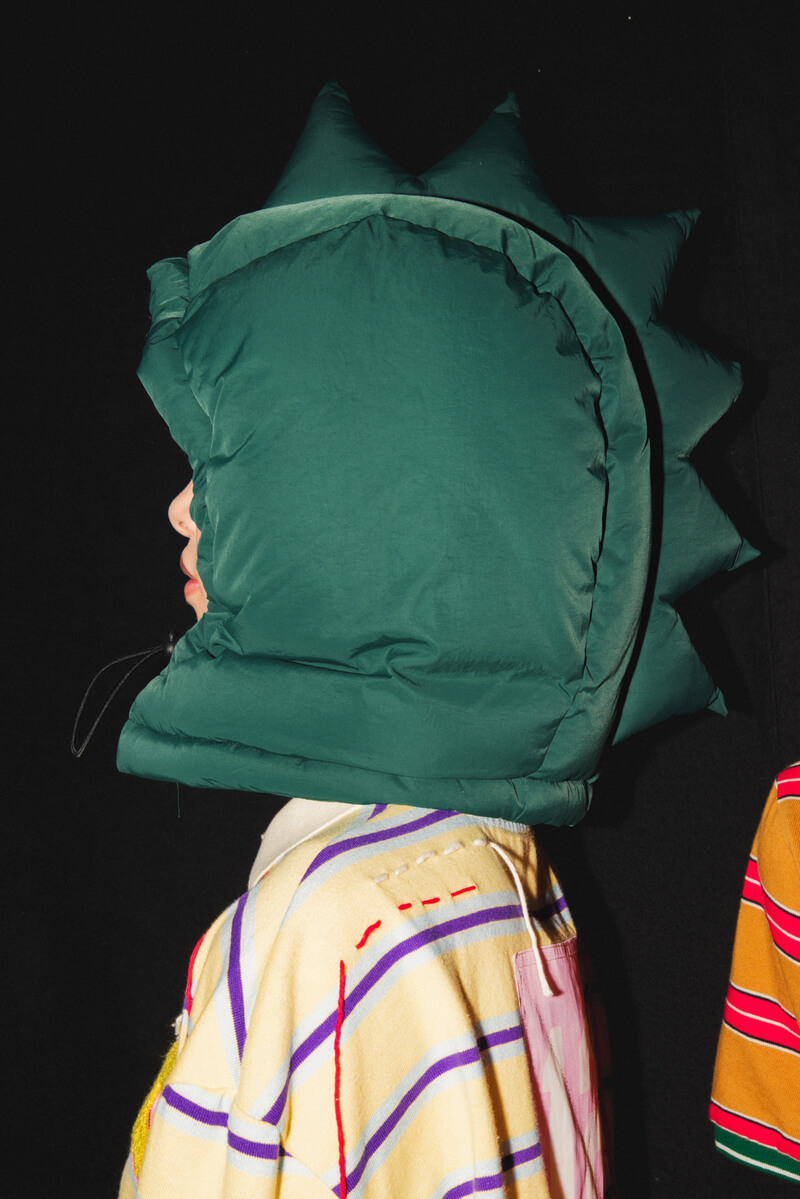
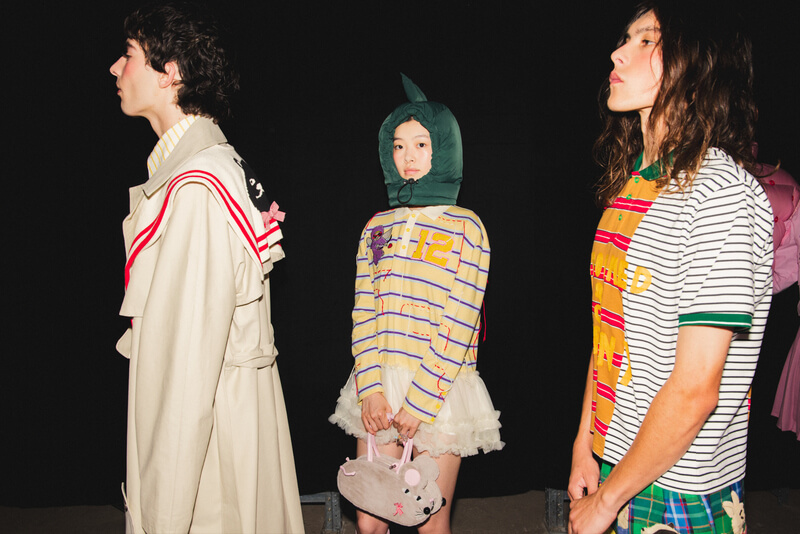
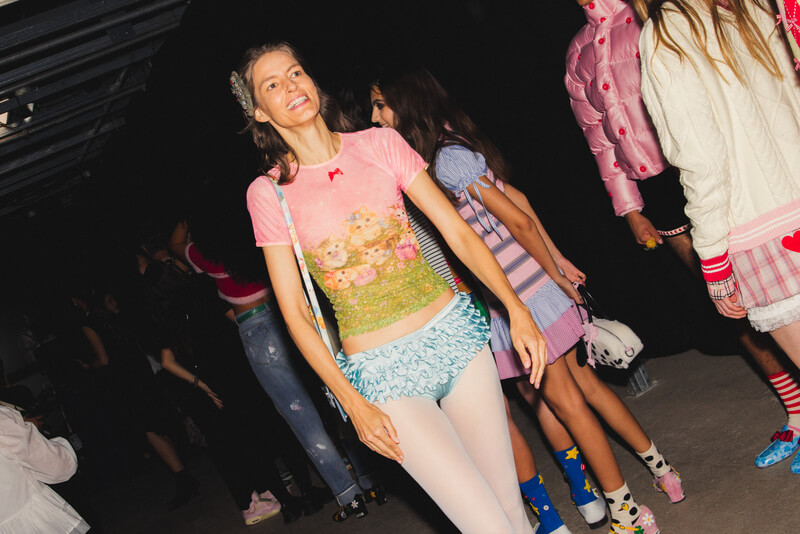
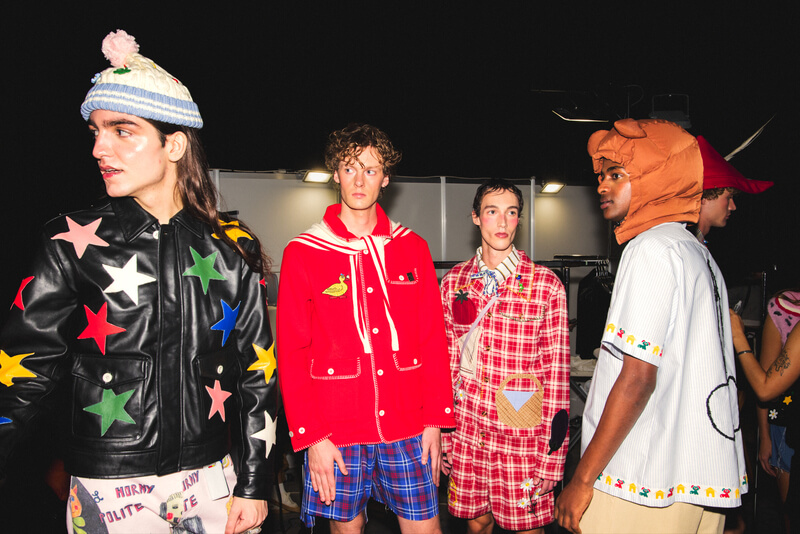
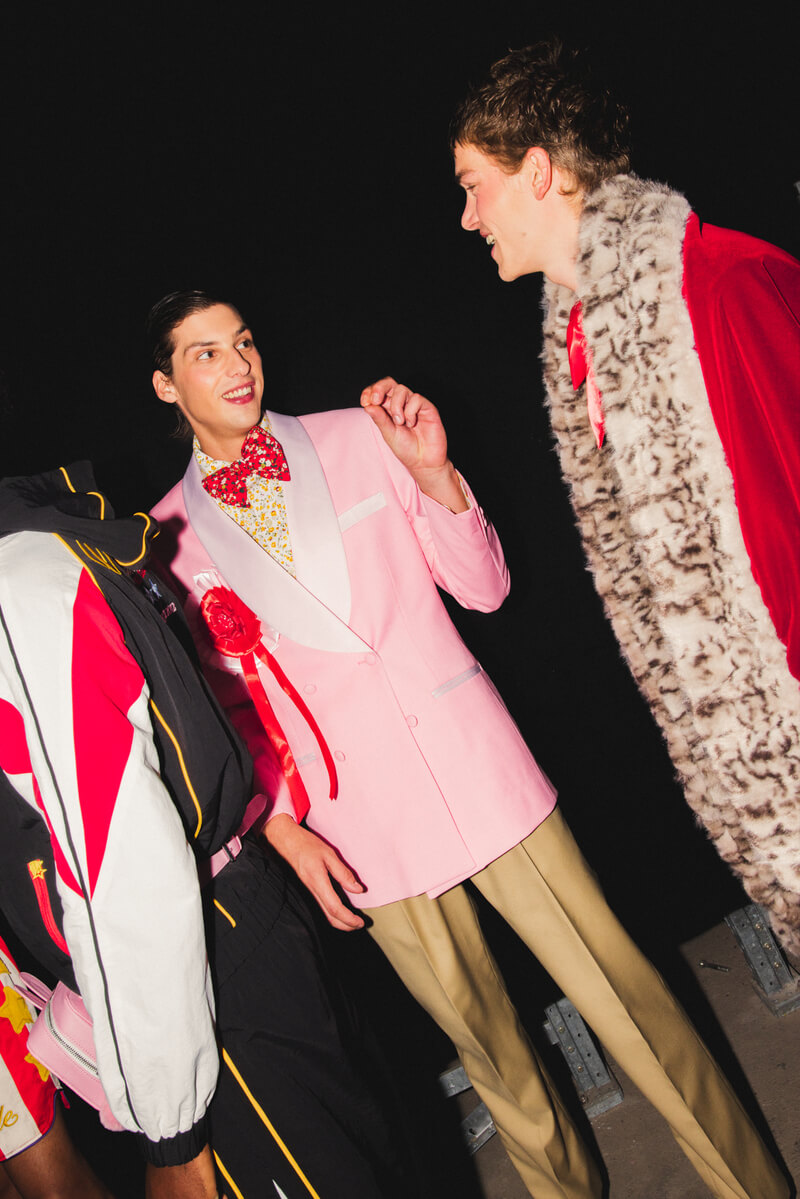
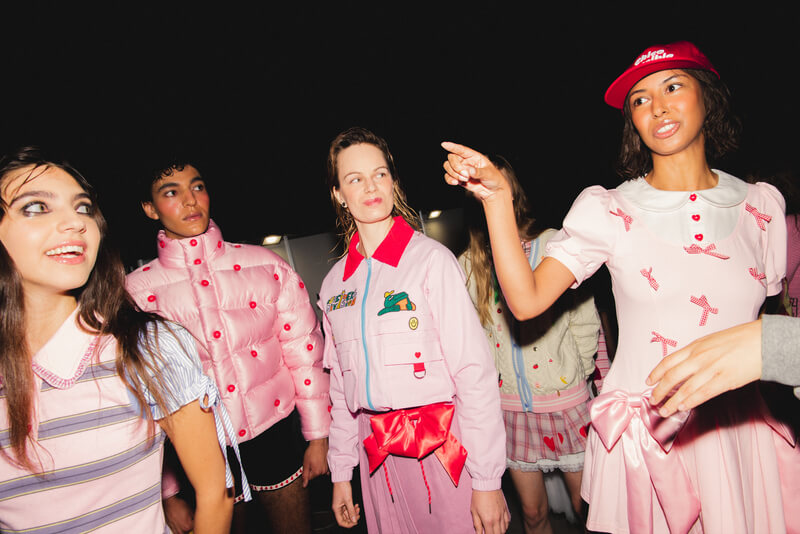
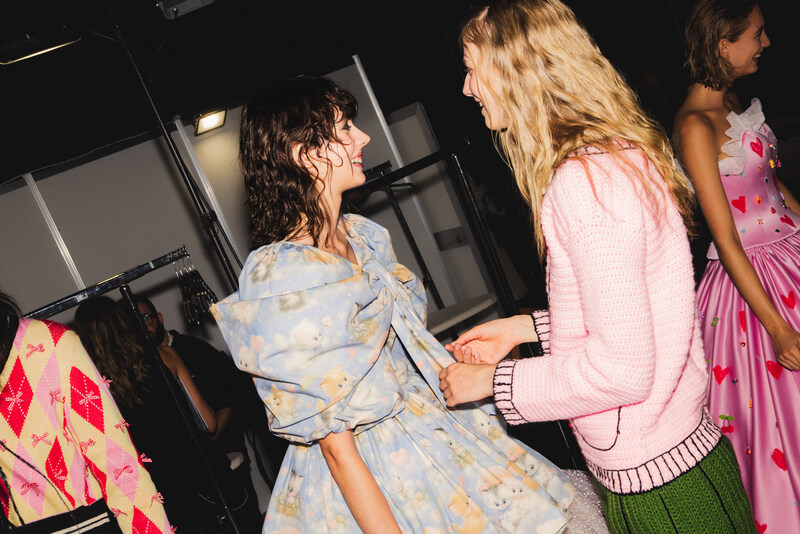
Colourful, playful and just a little bit wrong in all the right ways, Outsiders Division returned to 080 Barcelona Fashion with ‘Groomed and Horny’, a new chapter in the ever-evolving universe of creative director David Méndez Alonso. Since launching the brand in a Barcelona art gallery in 2012, the multidisciplinary artist has built a world where childhood imagination collides with adult contradictions, where preppy meets punk and where getting dressed is less about following the rules than finding new ways to break them. Guided by the motto “Adults who haven’t grown up” and a fascination with the beauty of imperfection, Outsiders Division has turned colour, emotion and irreverence into its own visual language.
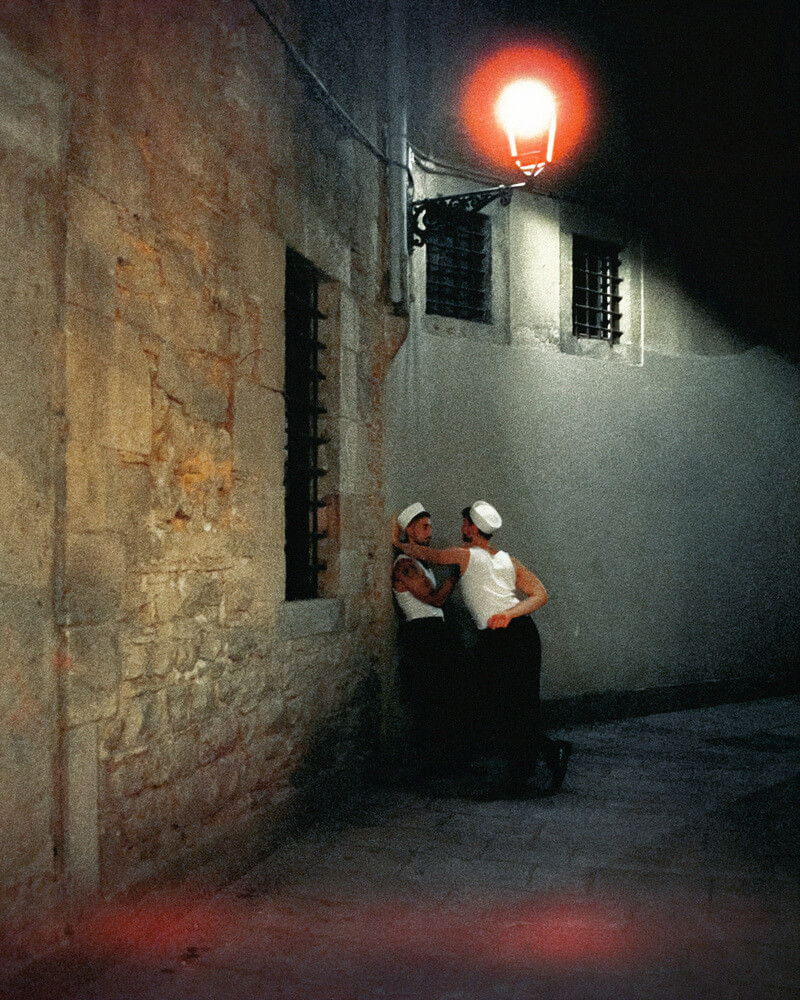
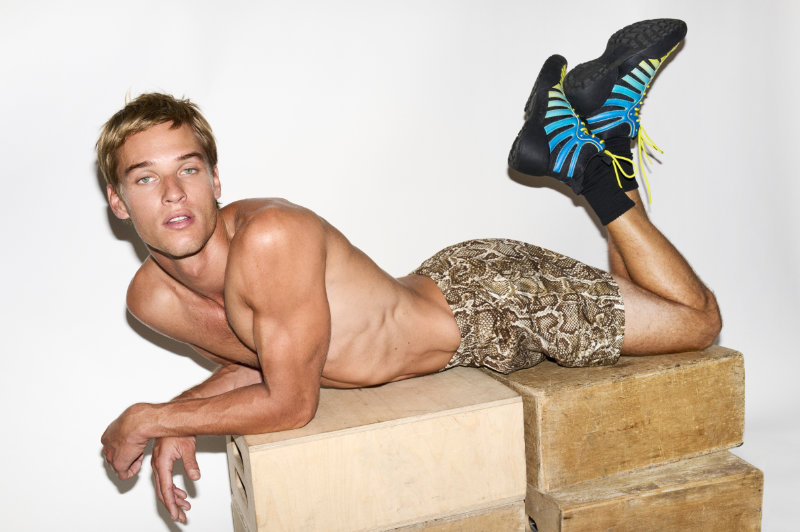
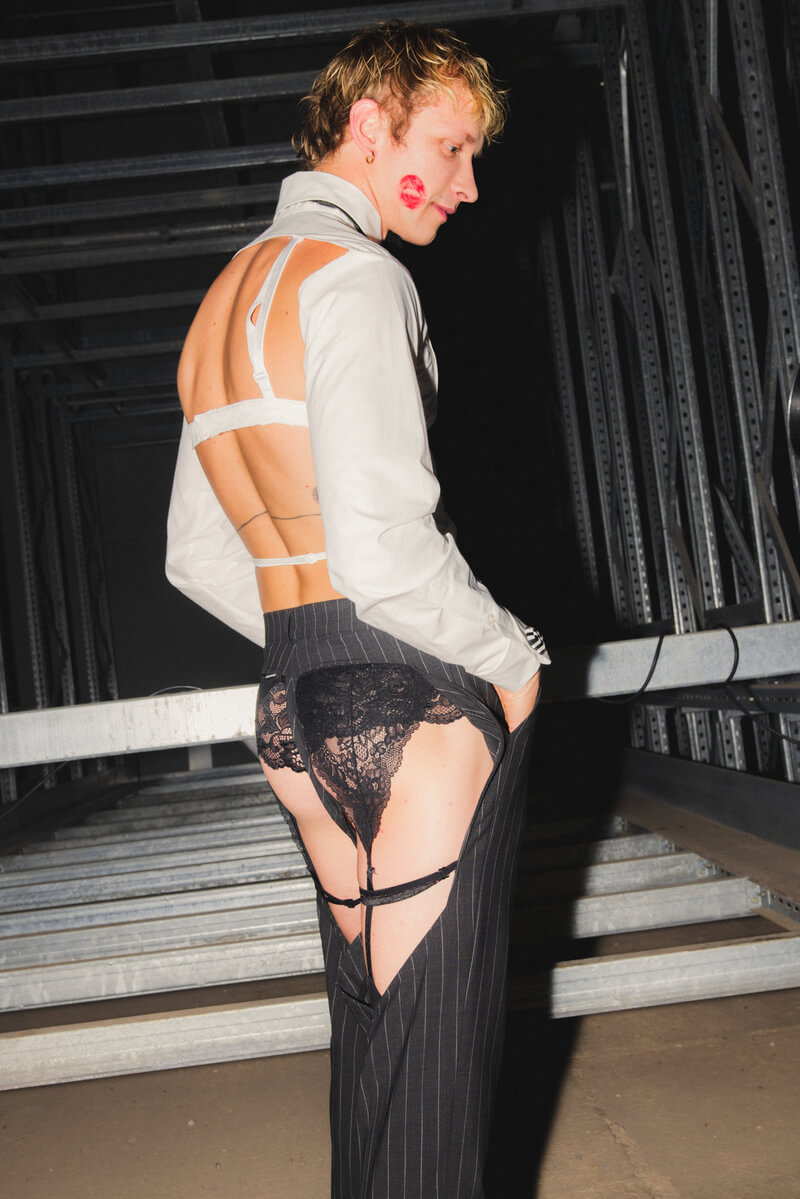
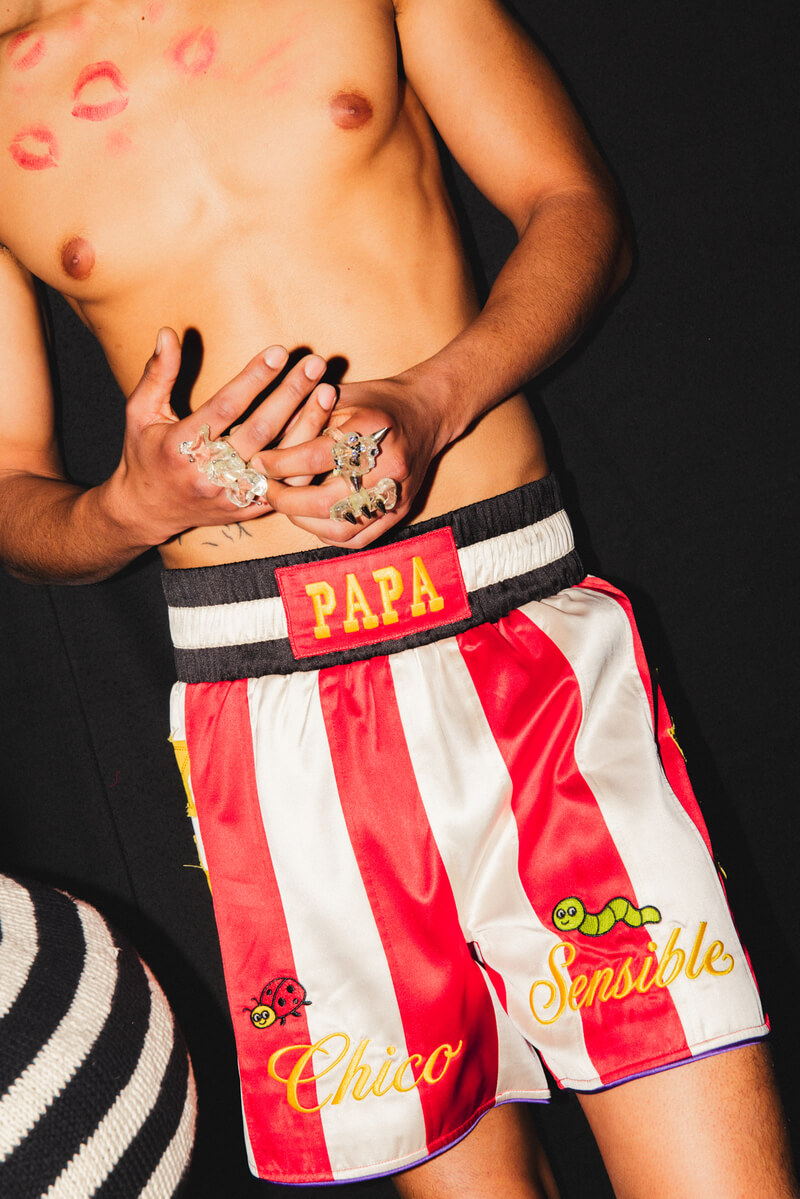
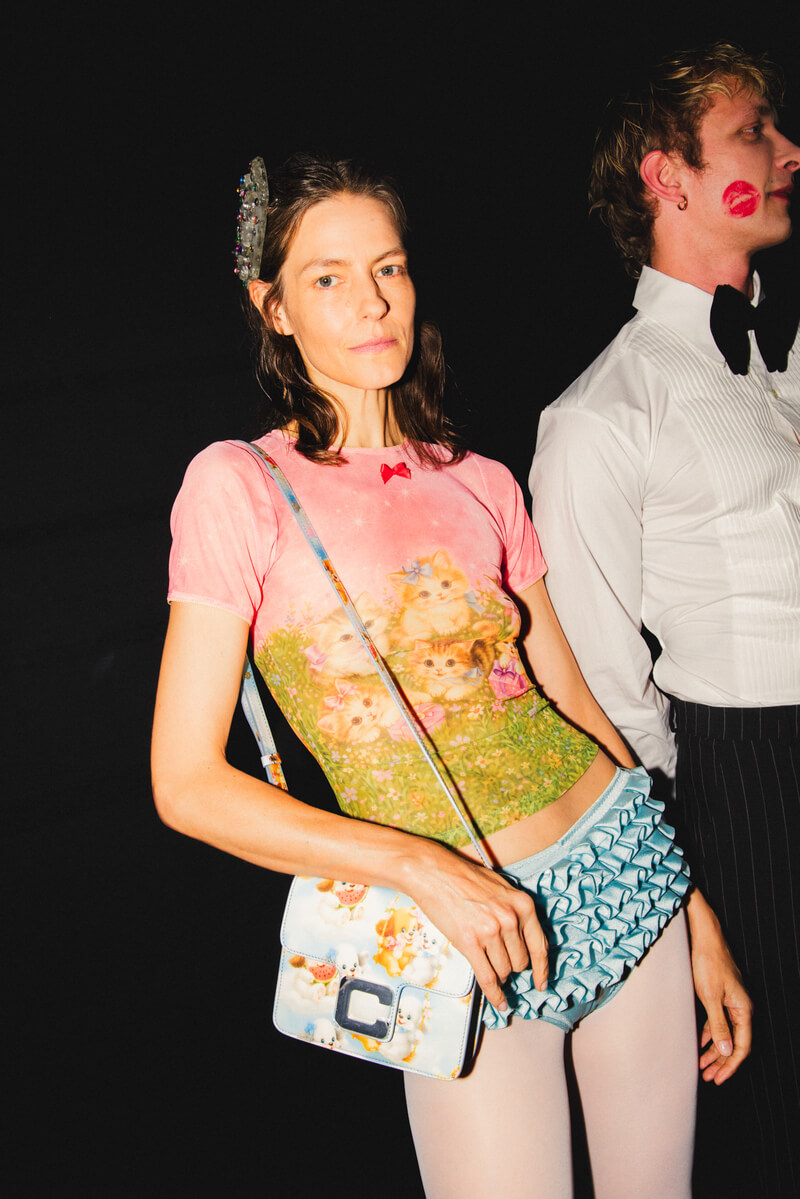
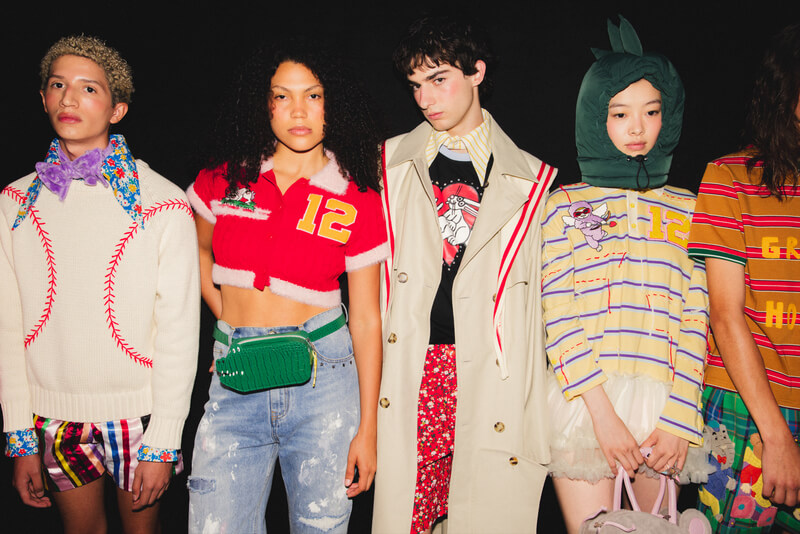
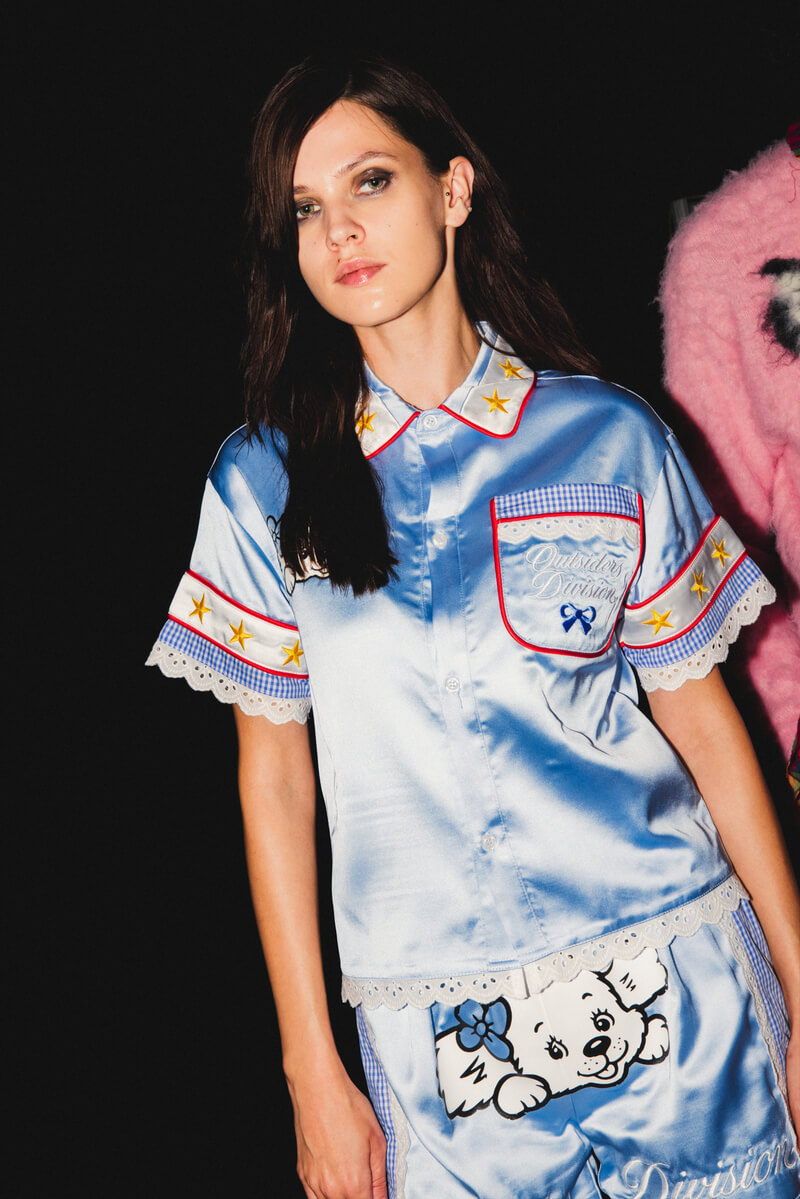
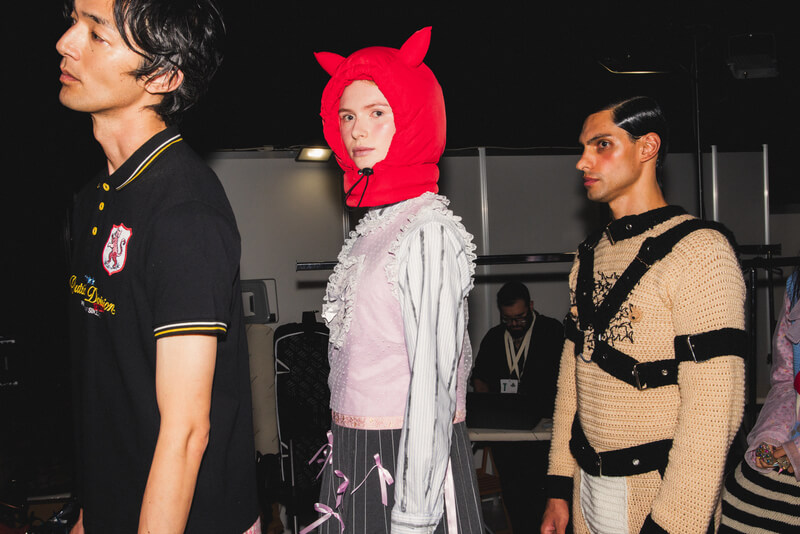
But what happens when the characters who have always inhabited this universe begin to grow up? With this new collection, David imagines them stepping into a fictional adolescence – that awkward, exhilarating in-between stage when innocence starts rubbing shoulders with desire, experimentation and suddenly, being perceived by others becomes a big deal. Inspired by the visual codes of a sex club, the collection introduces tighter silhouettes, provocative graphics and a more physical attitude, pushing the brand’s familiar playful aesthetic into unfamiliar territory without losing its sense of humour.
Rather than abandoning the childhood-inspired universe that has defined its previous collections, the label allows it to evolve into something messier, more self-conscious and perhaps a little more uncomfortable. After all, growing up rarely means leaving your contradictions behind; sometimes, it simply means finding new ways to dress them up.
To know more about this new chapter, we caught up with David Méndez Alonso to talk about the absurdity of identity, the creative freedom of not taking yourself too seriously and what happens when your inner child discovers the pleasure of making a scene.
Your latest collection, ‘Groomed and Horny’, imagines the characters of Outsiders Division entering a fictional adolescence, full of contradictions, curiosity and discovery. Where did this idea come from, and why were you interested in exploring this stage of life through fashion?
I was interested in adolescence as a time of discovery: who you’re attracted to and how you want other people to see you, even though you still haven’t got a clue about anything. It’s a pretty absurd stage of life, in the best possible sense. I wanted to imagine what would happen if the characters of Outsiders Division, who are like children trapped in adult bodies, started experimenting with their identity, sexuality and appearance.
The collection explores themes such as identity, attraction, the body and the desire to experiment. How do you translate these concepts into garments without losing the humour and irreverence that define the brand?
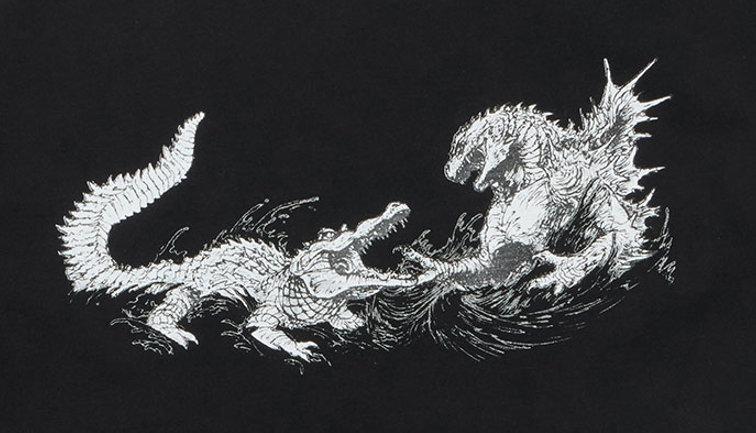
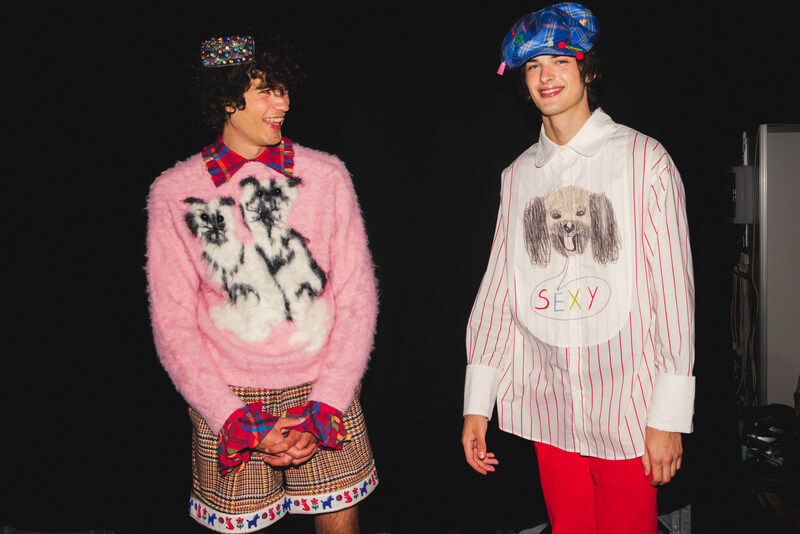
For me, humour is a way of talking about serious things without turning them into a manifesto. I’m not interested in making clothes that tell you how to think, but in creating pieces that spark curiosity, make you smile or even make you feel a little uncomfortable. For this collection, we’ve worked with provocative graphics, references to desire and a more physical attitude, but always within our own universe, which has something of a cartoon quality to it. I like the idea that a garment can be both attractive and ridiculous at the same time. Ultimately, identity is also about that: a mix of things that don’t always fit together, which we try to disguise while getting dressed in the morning.
Outsiders Division was founded in 2012 in an art gallery in Barcelona. How has your creative universe evolved since then, and which aspects of your original identity remain unchanged?
We started out in a much more art-oriented space, making only caps, without really knowing where any of it would lead. Over the years, we’ve learned how to build a collection, develop products and better understand what it means to have a fashion brand. But our motivation remains pretty much the same: to make things that entertain us and don’t seem too obedient. We’ve evolved technically and in the way we understand the business, but we still believe a brand doesn’t have to behave like a perfectly grown-up company. Outsiders Division remains a place where we can allow ourselves to act like idiots while maintaining a certain level of professional seriousness.
You describe yourselves with the slogan “Adults Who Haven’t Grown Up”, and your aesthetic combines preppy and punk references, pop culture and subcultures. What interests you about contradiction, and how does it become a creative tool?
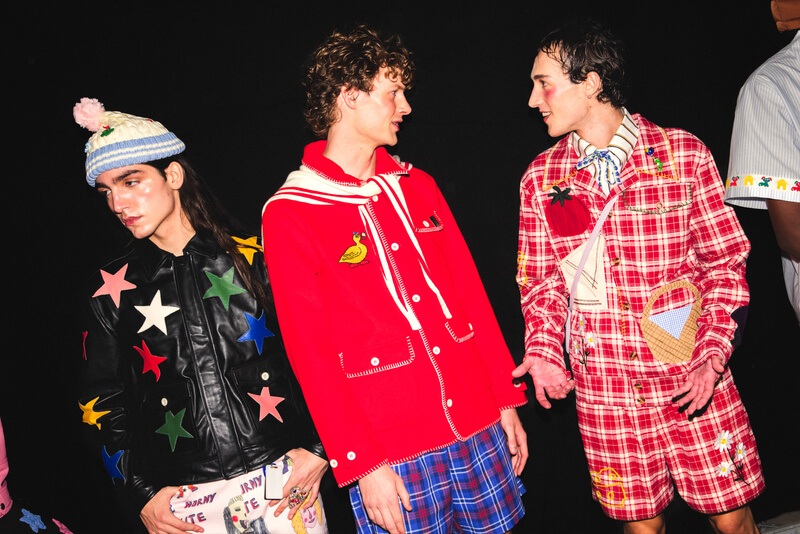
I get pretty bored when everything is too coherent. In real life, nobody is just one thing: you can be polite and rude, sensitive and selfish, sophisticated and tacky within five minutes. I’m interested in bringing that contradiction into clothing. Combining something that looks proper with something completely out of place creates a tension I find much more interesting than a perfect look. Preppy style has very clear rules, while punk is, in part, about questioning them; putting the two together is almost like a little family argument. I think Outsiders Division exists precisely in that space, in the conflict between wanting to fit in and wanting to mess everything up.
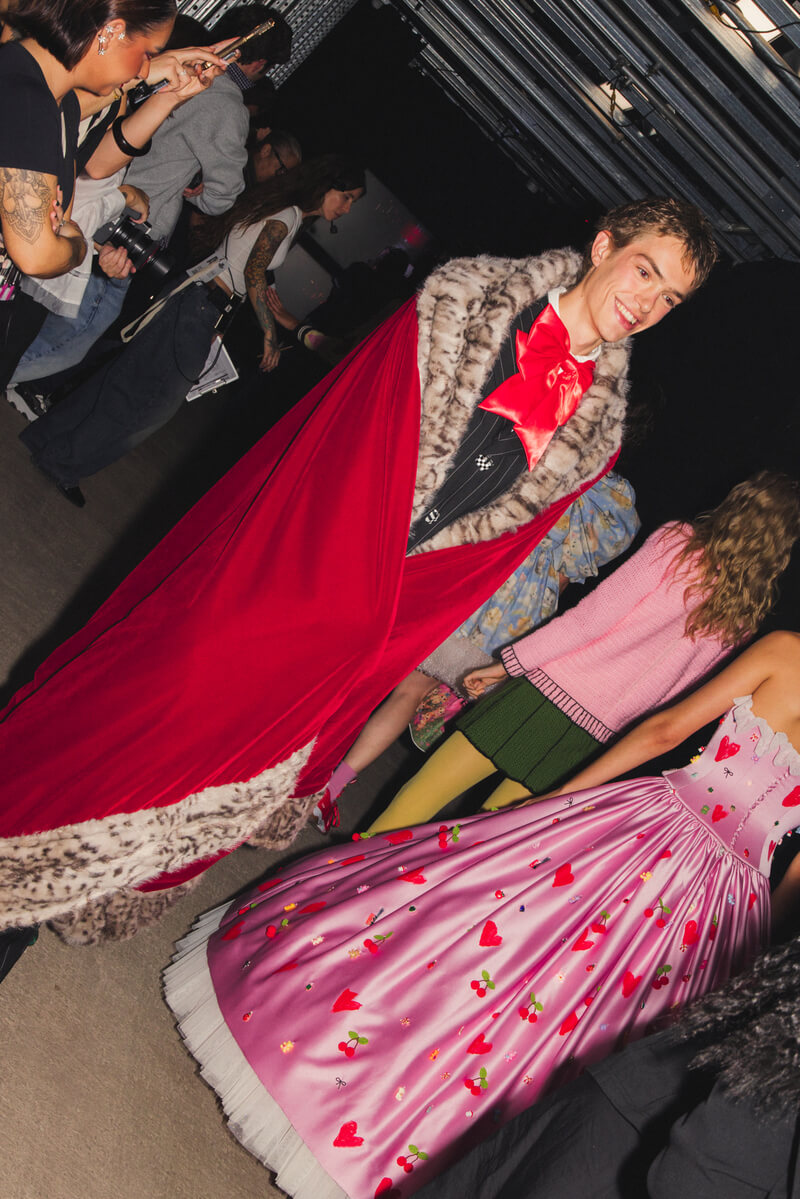
Colour, imagination and artistic references are central to your work. How do you build your visual universe, and which artists, movements or elements of popular culture are currently feeding your creativity?
My mind works largely through accumulation. I can find an idea in a film, an old drawing, a toy, a school uniform or an image that has absolutely nothing to do with fashion. I’m really interested in pop culture, cinema, illustration and those images that stay with you from childhood, even when you don’t quite know why. I also like bringing together references that, in theory, shouldn’t belong together and finding a new way of looking at them. I don’t usually start by thinking about a trend or a commercially viable colour palette. I’d rather build a little world and then ask myself what kind of clothes the characters living in it would wear.
The collection introduces tighter silhouettes, provocative graphics and a more physical attitude than some of the brand’s previous offerings. How have you worked with these new codes, and what do they allow you to explore that you hadn’t addressed before?
We wanted to change the way clothes relate to the body. We’ve worked with tighter silhouettes and more defined proportions, moving away from some of the oversized volumes that had been part of our visual language. There’s something about wanting to be attractive, wanting to get noticed and starting to become aware of how other people perceive you. I thought it would be interesting to explore that teenage insecurity through clothing. Sometimes, changing a few centimetres in a silhouette completely changes a garment’s personality.
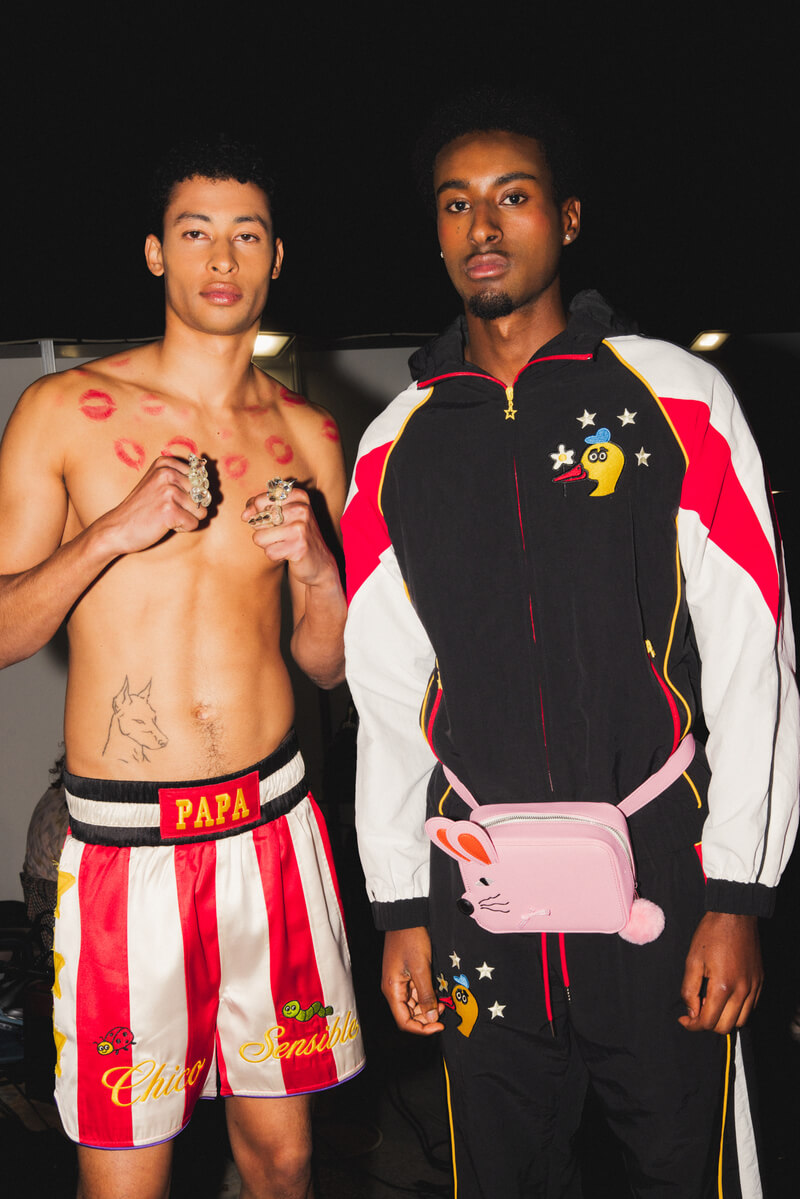
Your work often starts from the idea that fashion can be a space for play, experimentation and escape from conventions. What role do humour and imagination play in questioning established norms?
Humour allows you to question things without having to stand in front of them holding a protest sign. You can laugh at a rule, exaggerate it or take it to a point where it stops making sense. Fashion is full of rules about how we should dress according to our age, gender, body or social position. Who decided all that? And why do we keep following those rules?
At Outsiders Division, childlike innocence coexists with a more adult, rebellious and transgressive perspective. How do you maintain that balance without one dimension cancelling out the other?
Honestly, I don’t try too hard to balance them. I think the fun lies precisely in letting them coexist in a slightly uncomfortable way. Innocence can be very strange, and provocation can be incredibly naive. A seemingly childish drawing can conceal a fairly adult idea, while a sexually provocative image can become almost comical when you take it out of context.
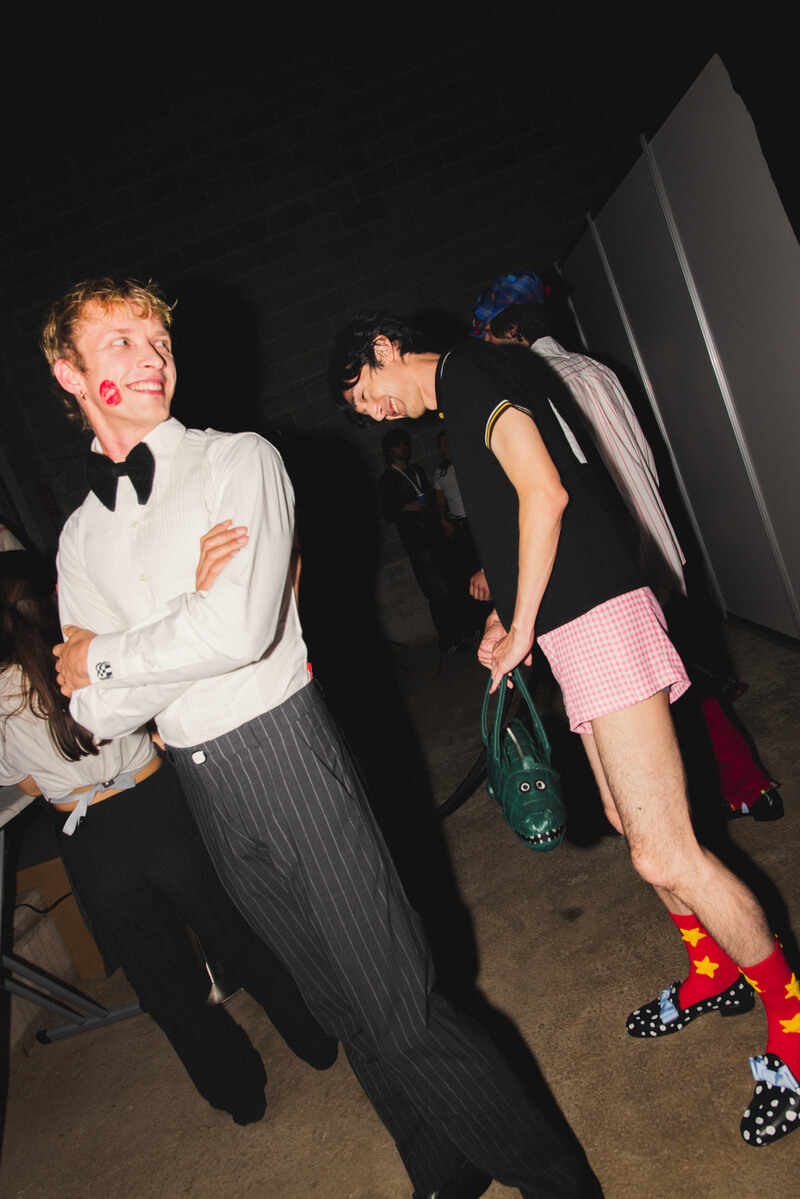
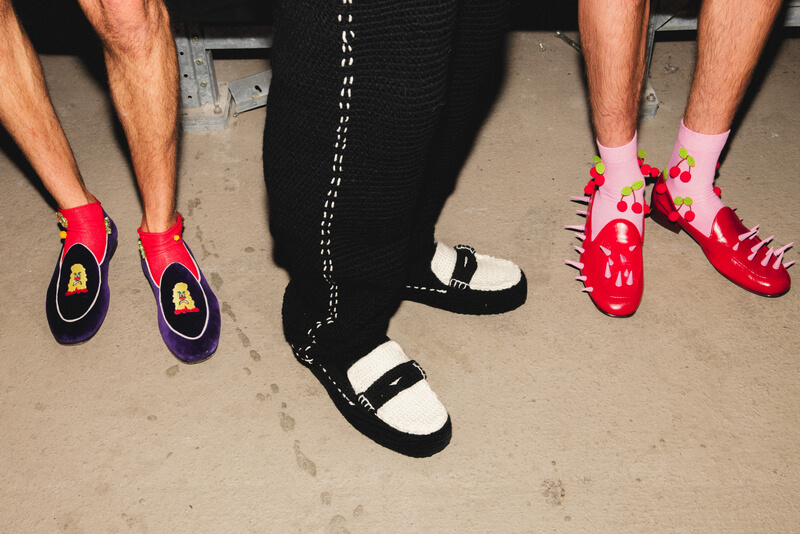
The brand works with artisans and revives manual techniques and crafts that have gradually fallen into obscurity. How important is craftsmanship to your creative process, and how does it interact with your free-spirited, experimental visual universe?
Craftsmanship allows us to take our ideas into a much more material and human realm. I’m interested in working with people who have mastered a technique and can bring something to the table that we couldn’t achieve simply by designing a garment on a computer. I also like that manual processes take time and that not everything can be done instantly. Our visual universe can be pretty absurd, but behind it there are many hours of work, testing and development. I don’t see craftsmanship as something that necessarily has to be traditional or solemn; it can also be a tool for creating things that are strange, fun and completely unexpected.
You present your collections at 080 Barcelona Fashion, a platform that brings together different approaches to contemporary fashion. What does being part of this context mean to Outsiders Division, and how does your work engage with Barcelona’s creative scene?
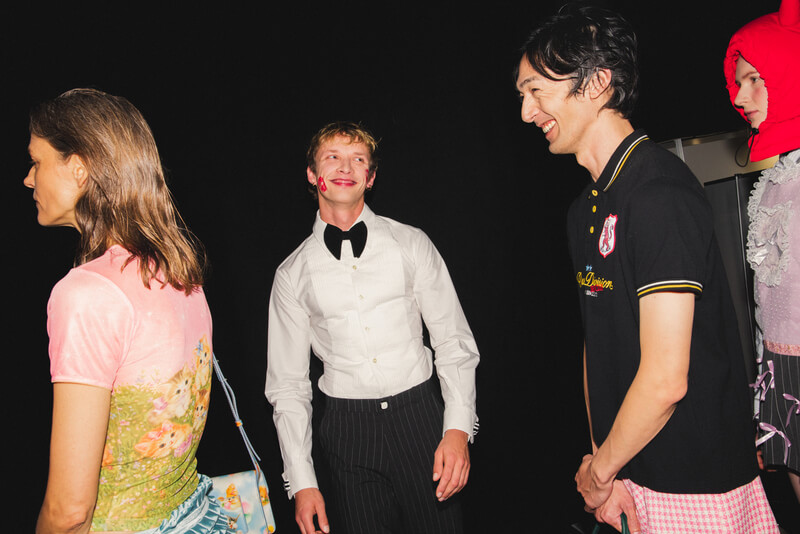
Barcelona is where we’ve built the brand, so being part of its creative scene has a special meaning for us. It’s an opportunity to develop something that goes beyond clothing: the music, casting, staging and narrative. I like the idea that every runway show becomes a small extension of the Outsiders Division world.
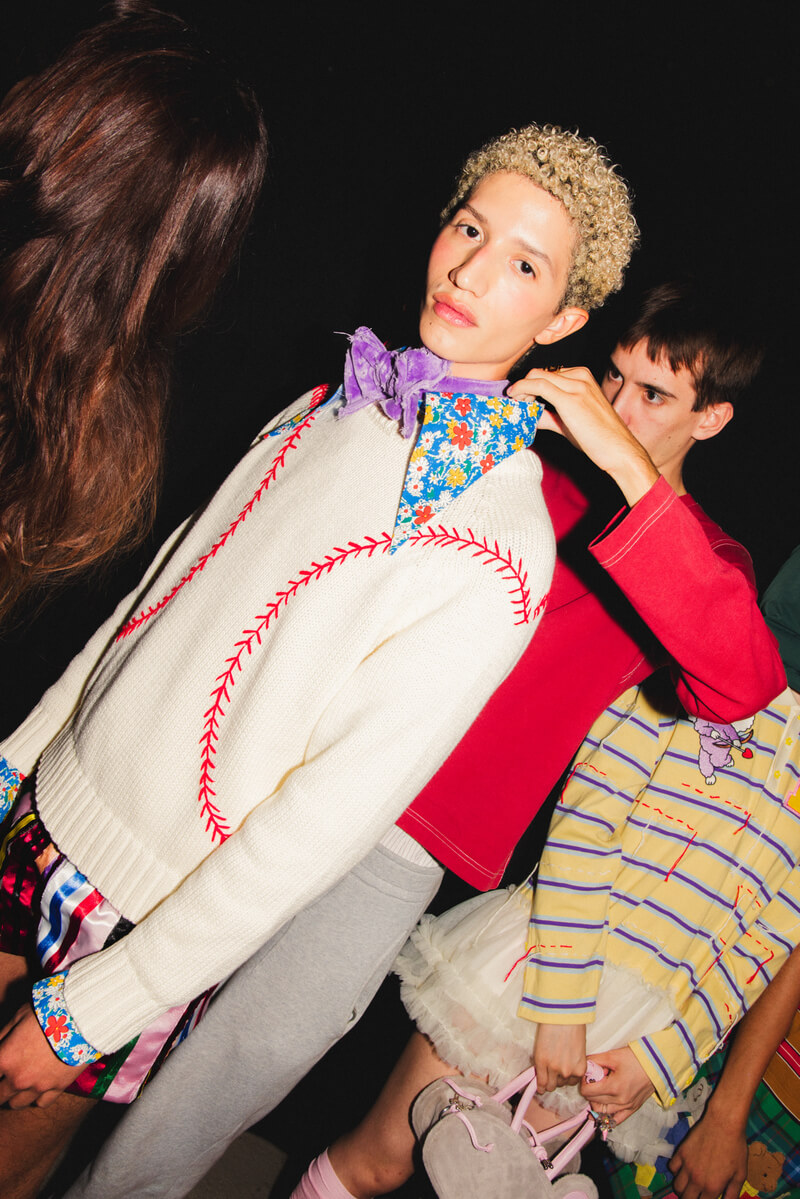
In an industry that often imposes very specific trends, seasons and codes, how do you protect your creative freedom and ensure the brand remains true to its own universe?
It’s complicated because a brand also has bills to pay, clothes to produce and products to sell. We don’t live in an artistic bubble, even if we’d sometimes like to. But I try to make sure commercial decisions aren’t the only thing determining what we do. If we start designing exclusively around what will sell or what everyone else is doing, we risk becoming just another version of something that already exists. For me, a brand’s identity is built by making decisions that aren’t always the most obvious ones. You also have to accept that not everyone will understand or want what you do. That’s fine. It’s much worse to try to please everyone and end up not even liking yourself.
If fashion is a way of exploring who we are, what would you like people to discover about themselves when they wear Outsiders Division? Where would you like to take your creative universe in the future?
I’d like people to discover that they don’t have to choose just one version of themselves. You can be innocent and provocative, elegant and tacky, shy and exhibitionistic. We don’t have to resolve all our contradictions to feel comfortable with who we are.
As for the future of Outsiders Division, I want to keep building a world that isn’t completely defined, not even to us. I like the idea that each collection allows us to discover something we didn’t know we wanted to do. As long as we remain curious, I think we’ll have a reason to keep going.
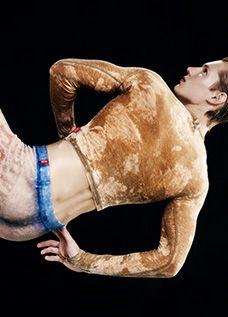
Photography by Ángela Ibáñez for FUCKING YOUNG!