Grammar of Forms Exhibition: Dior’s New Couture at the Rodin Museum
by Adriano Batista
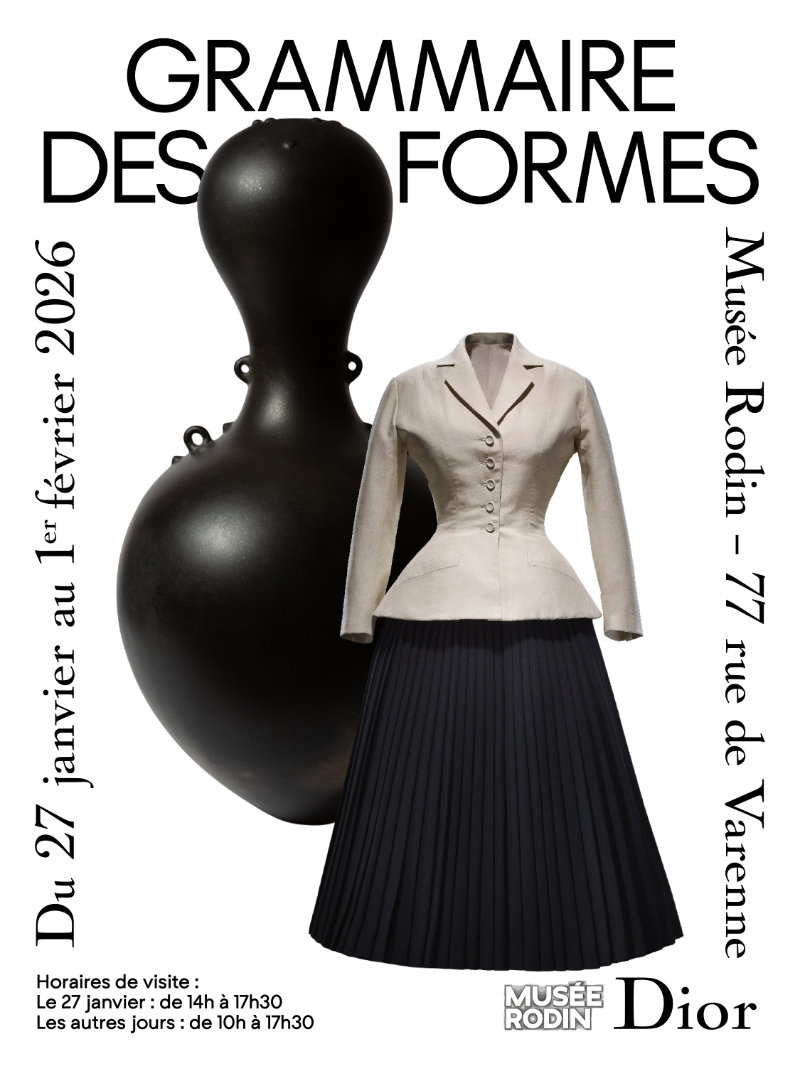
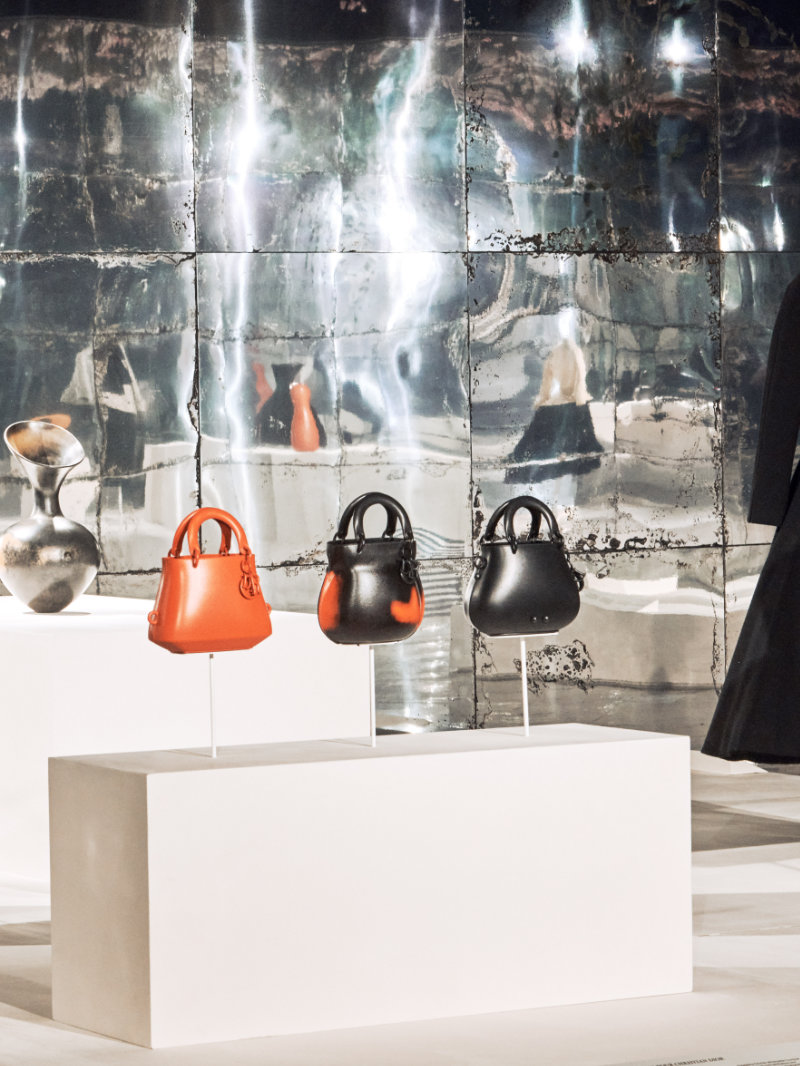
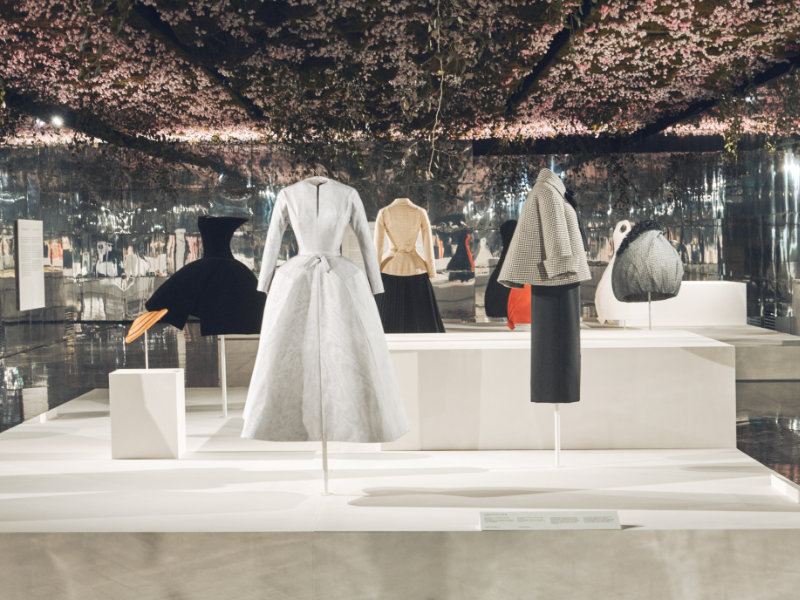
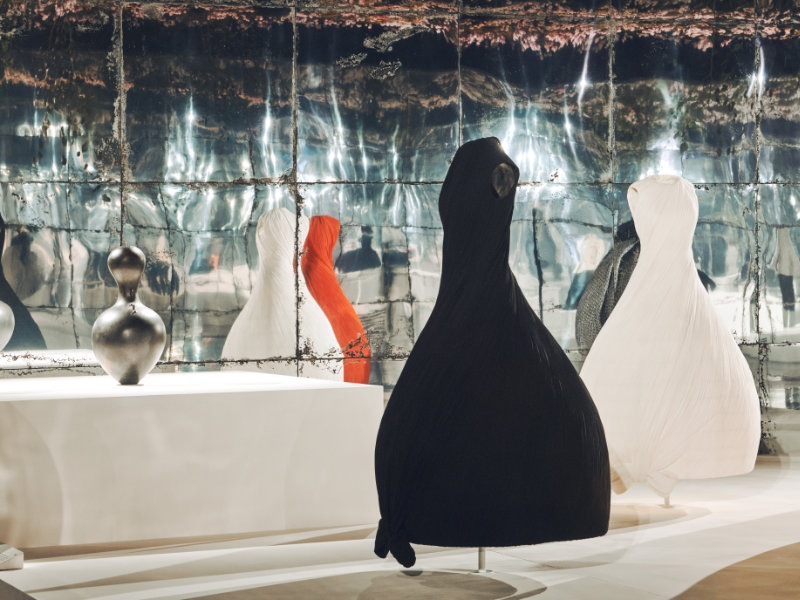
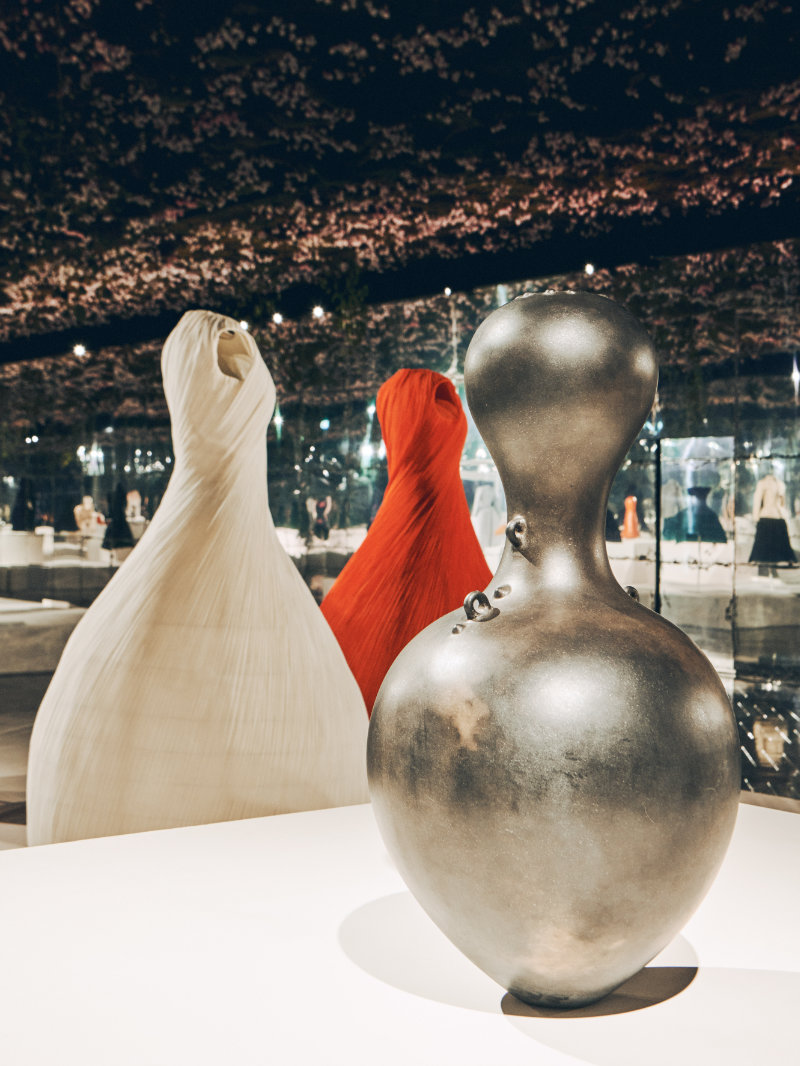
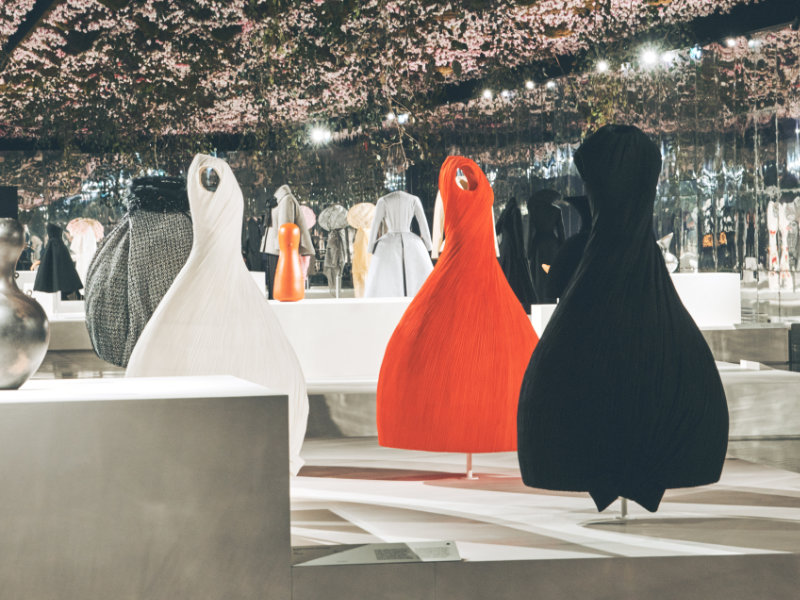
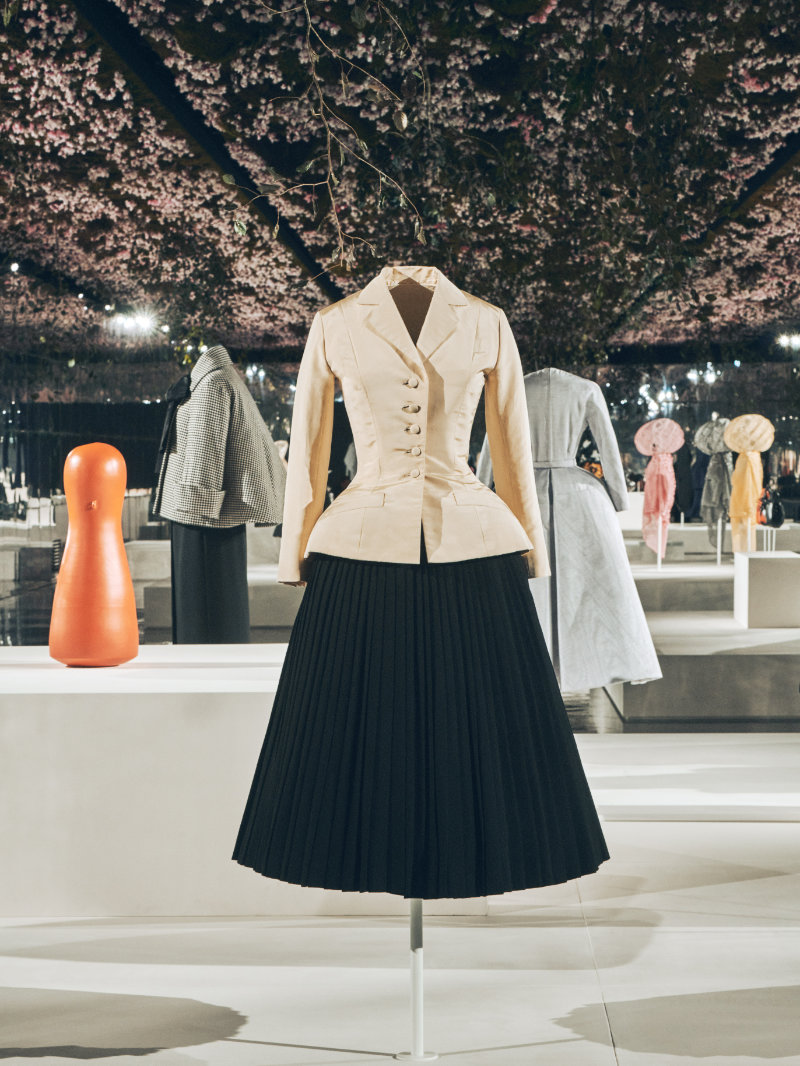
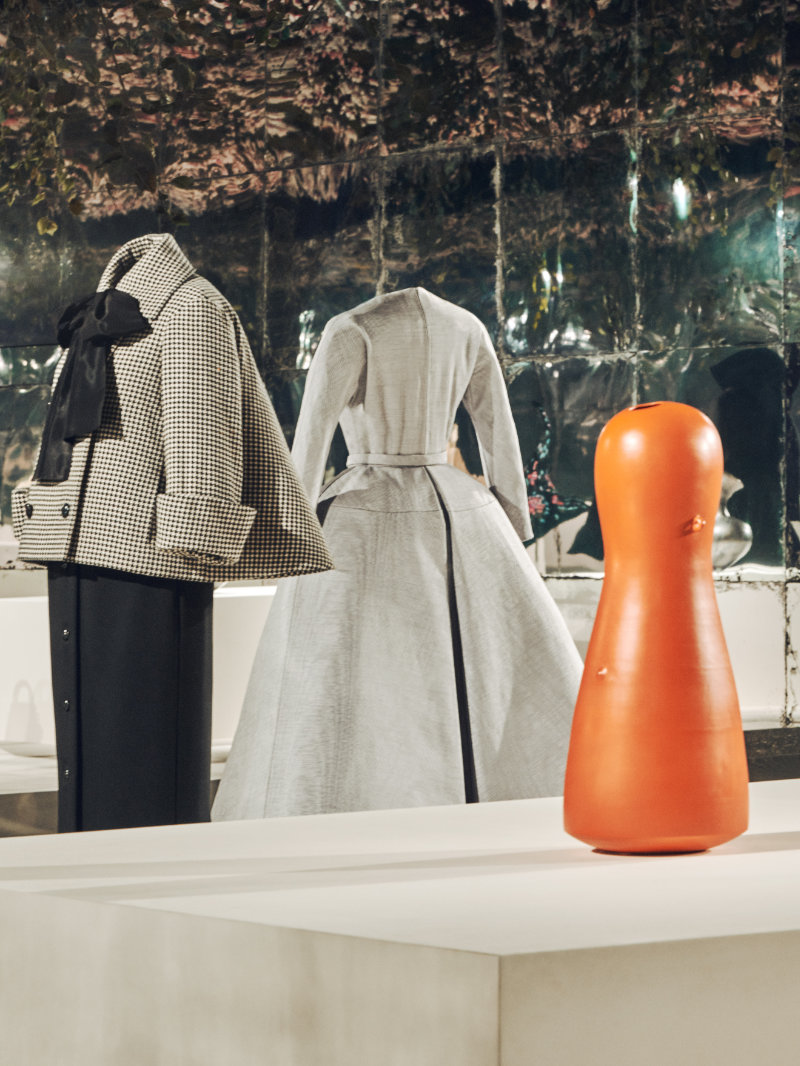
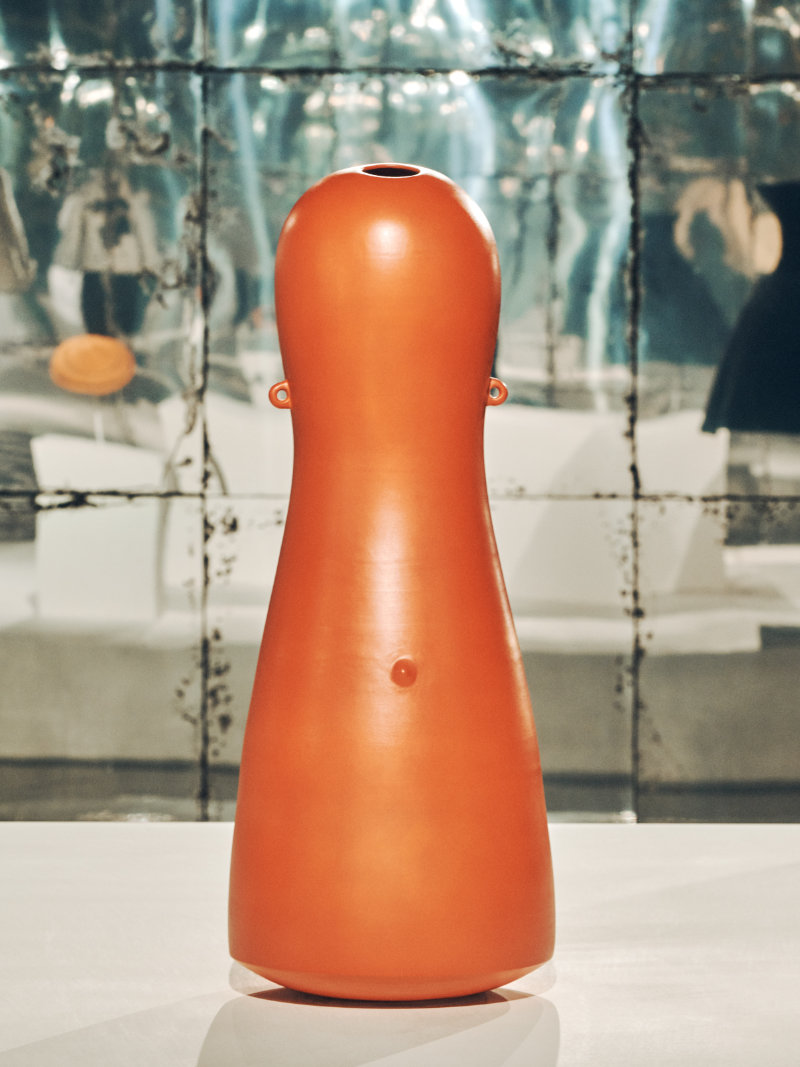
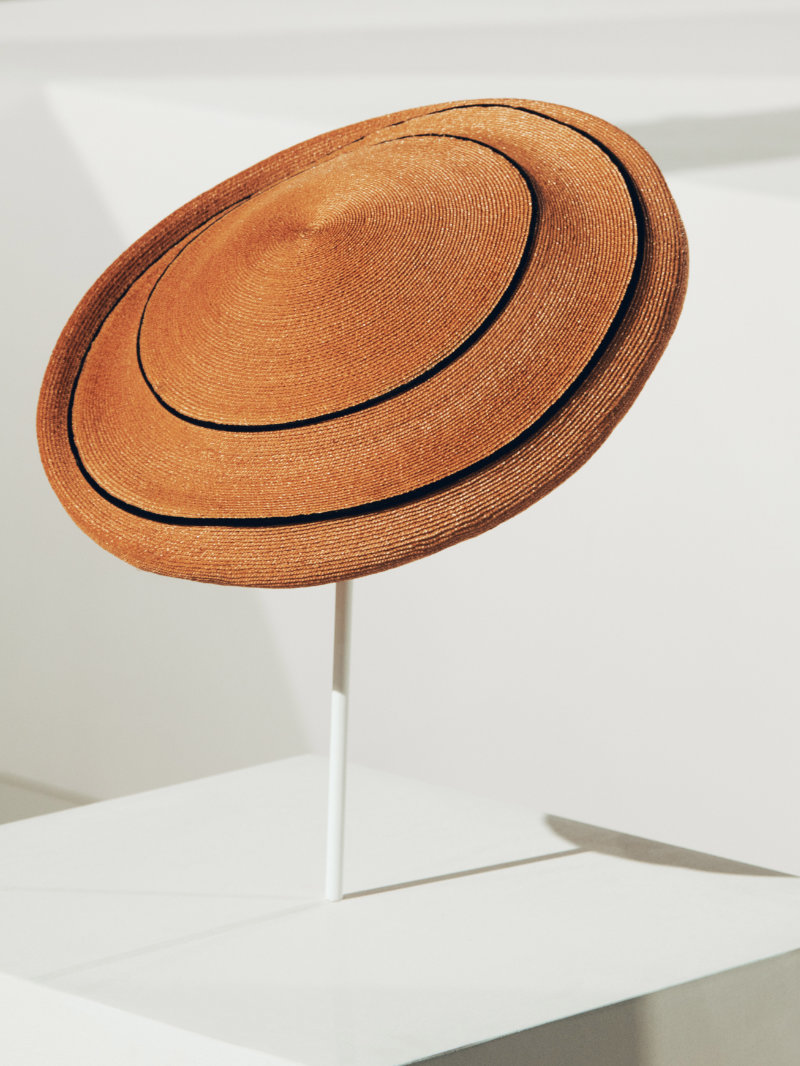
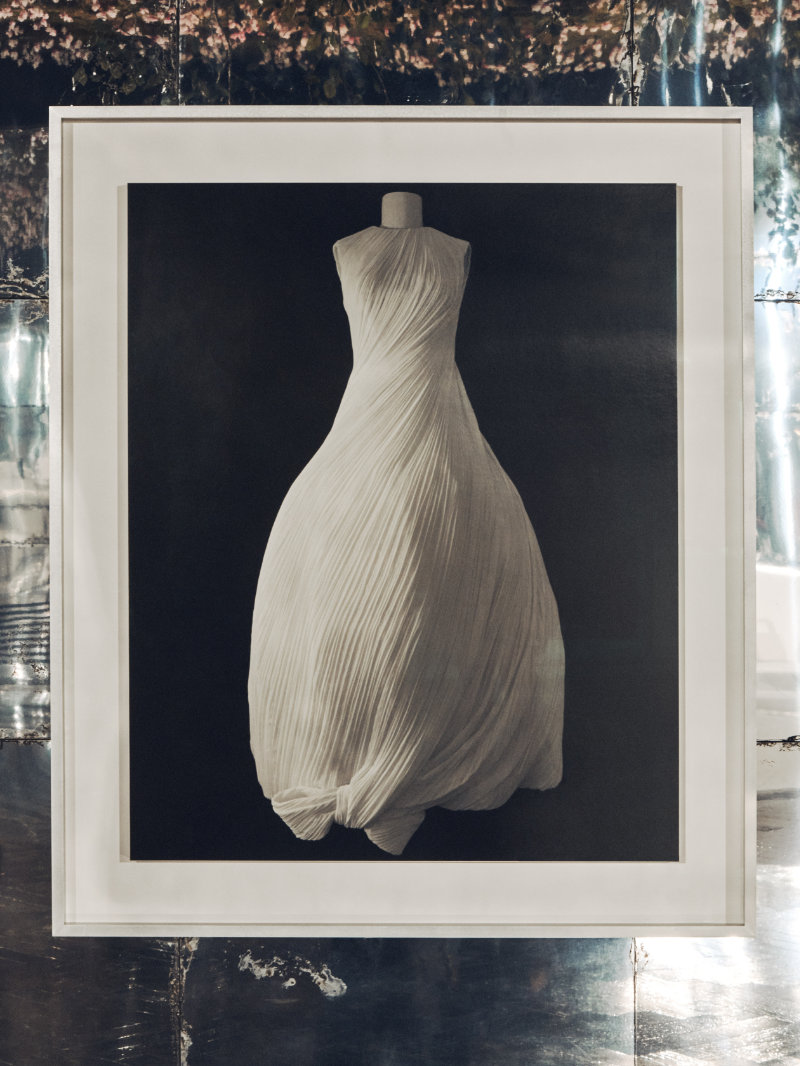
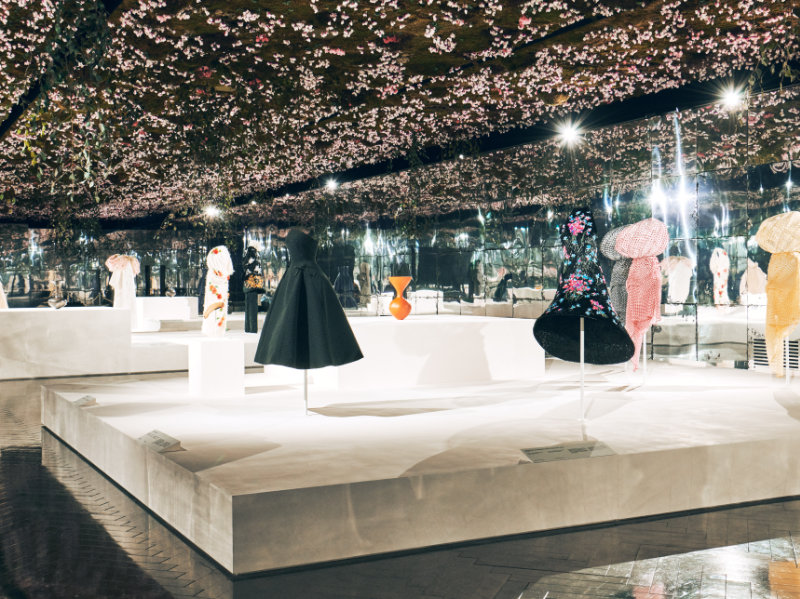
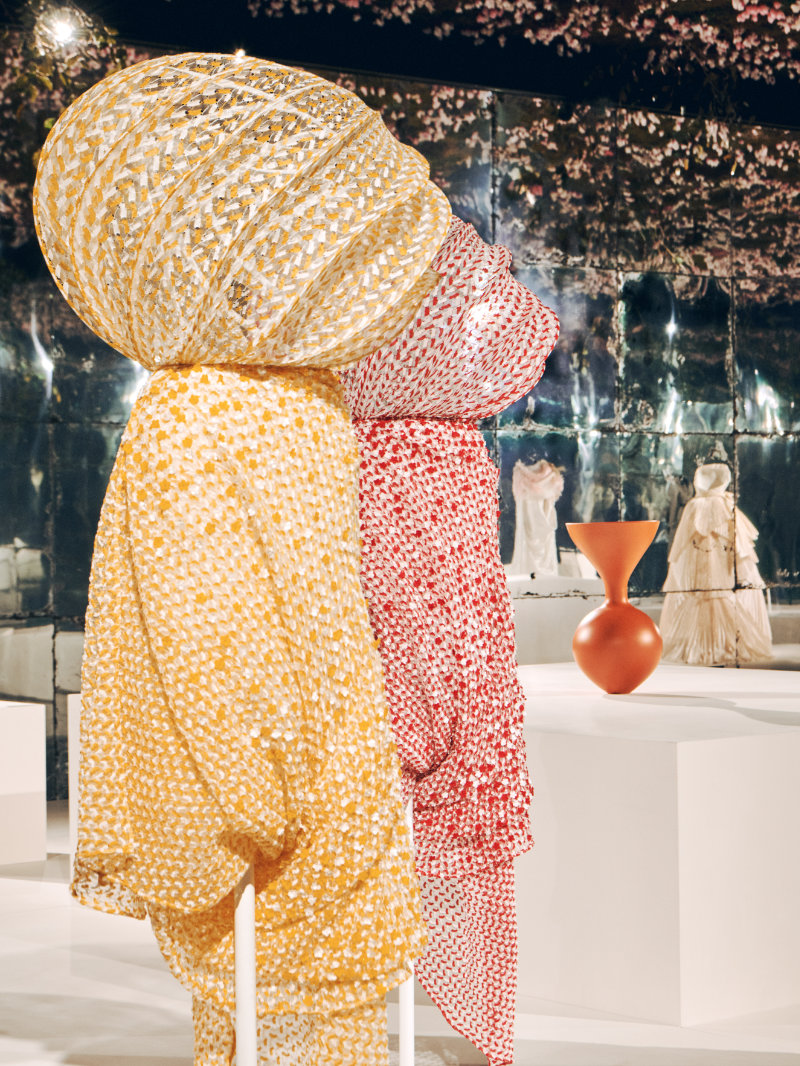
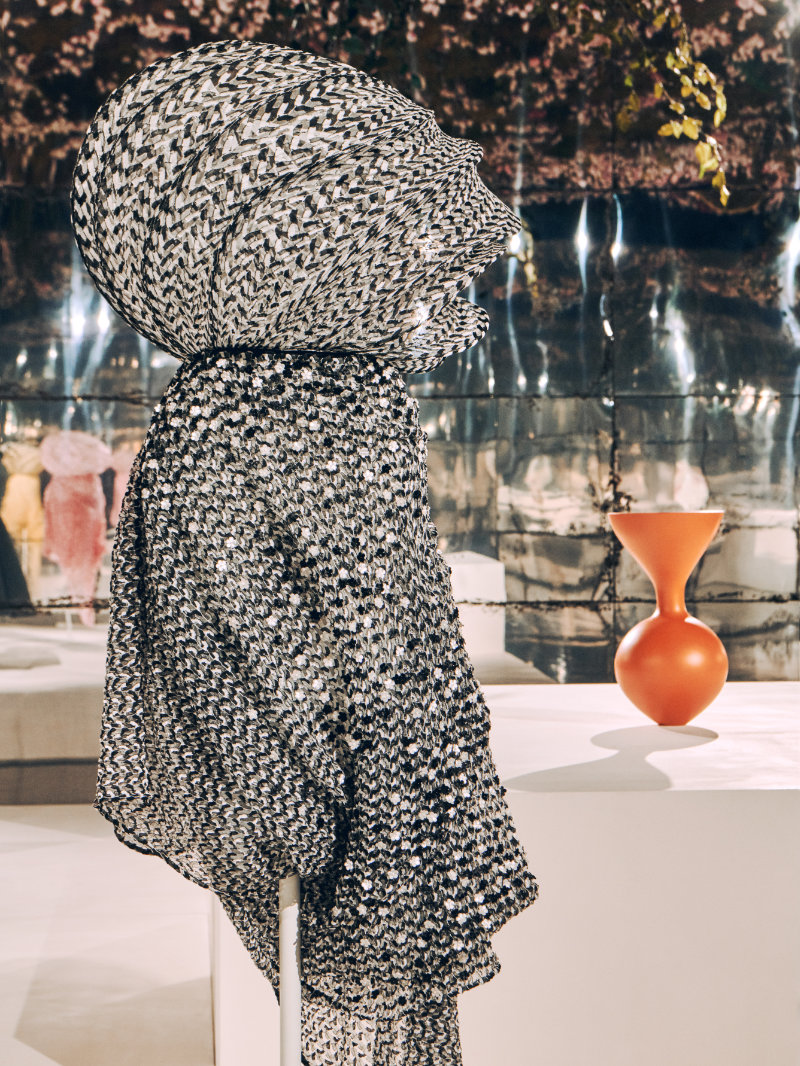
The “Grammar of Forms” exhibition at the Rodin Museum presents a specific idea. It frames Jonathan Anderson’s debut haute couture collection for Dior as part of a continuing conversation. The show places his new looks alongside historic pieces by Christian Dior and ceramic sculptures by Magdalene Odundo. The connection is not thematic, but formal. It traces a shared focus on shape, material, and the human hand.
The historic Dior garments establish a foundation. They demonstrate couture’s core tools: proportion, structure, and the inventive use of material. Each silhouette represented a shift in its time. Anderson’s work responds to this inheritance directly. He takes these familiar codes and re-examines them, using new materials and contexts to propose a different kind of relevance for today.
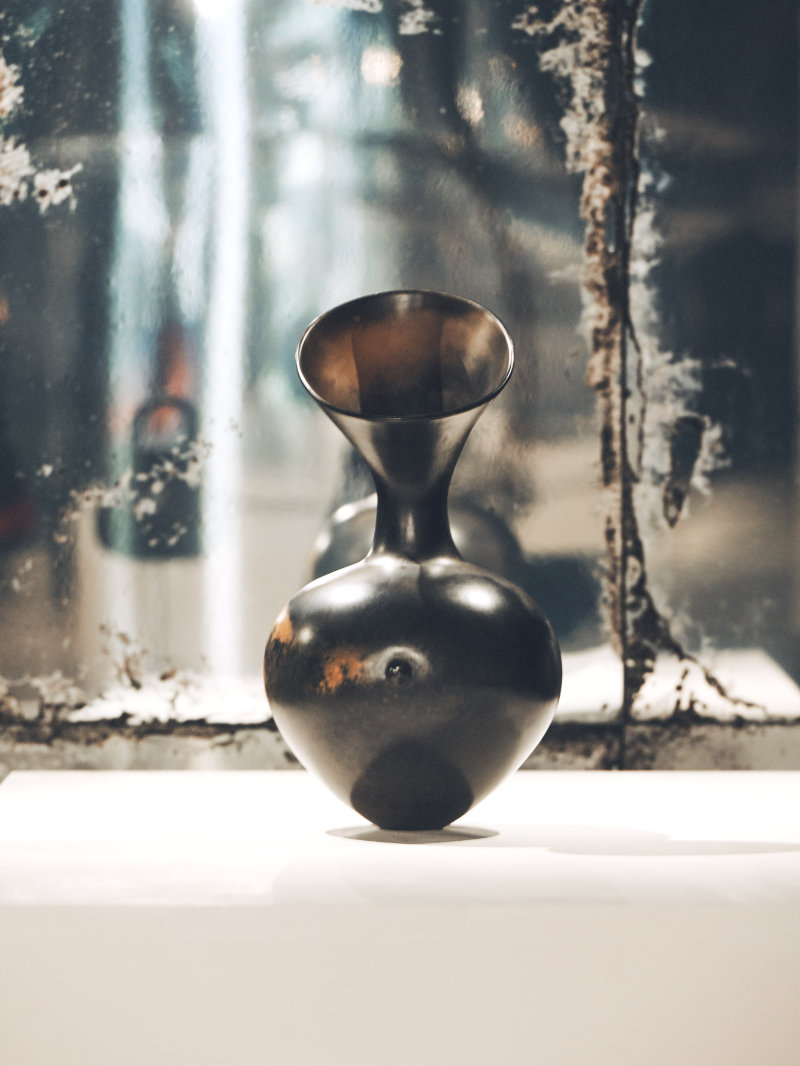
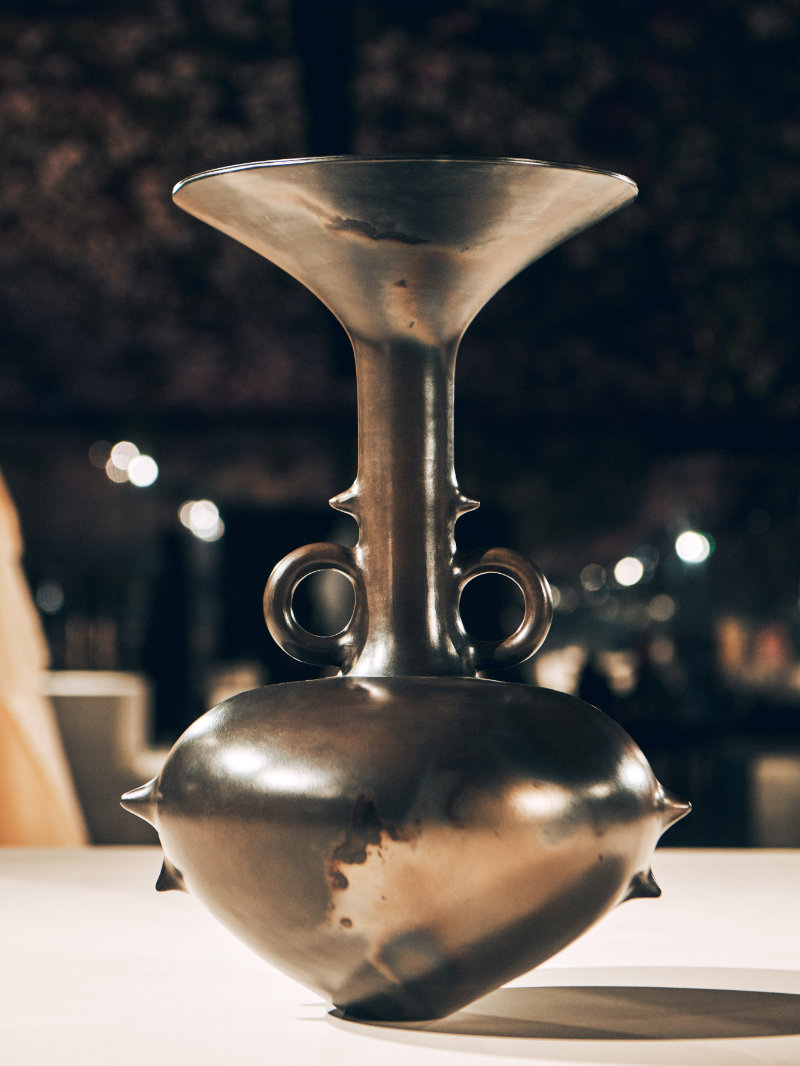
The inclusion of Magdalene Odundo’s pottery provides a crucial perspective. Her hand-built clay vessels, which echo the human form, offer a way to see couture differently, as a kind of sculptural poetry. Anderson draws from her work. The exaggerated tensions in his silhouettes find a parallel in her balanced forms. The refined surfaces of her ceramics are echoed in his collection’s intricate embroideries and handmade textiles.
Together, these objects (whether a dress from 1947, a clay vessel, or a new couture gown) speak to a common value. They celebrate the profound investment of time. They highlight a dedication to craft knowledge, a fragile chain that is strengthened each time a maker shapes cloth or clay. The exhibition suggests that couture, at its best, is not just fashion history, but an active, evolving form of making, connected to other artistic acts that redefine beauty.

Henrik Vibskov FW26 Backstage!
Patta drops its SS26 collection along with a film featuring Zaylevelten
Inside Yerevan Fashion Week, where Armenia’s ancient heritage meets its emerging creative scene.
Kiko Kostadinov and ASICS SportStyle have announced the LYASA FF II, the latest chapter in their ongoing collaboration and the fourth tabi iteration.
On the fourth floor of a small flat in the heart of Paris, a group of young Parisians gathered for a private event: to discover and try on Nicola Indelicato’s new Fall/Winter 26-27 capsule collection.
Aimé Leon Dore has released the second delivery of its Fall/Winter 2026 collection, exploring military and workwear references through a New York lens.
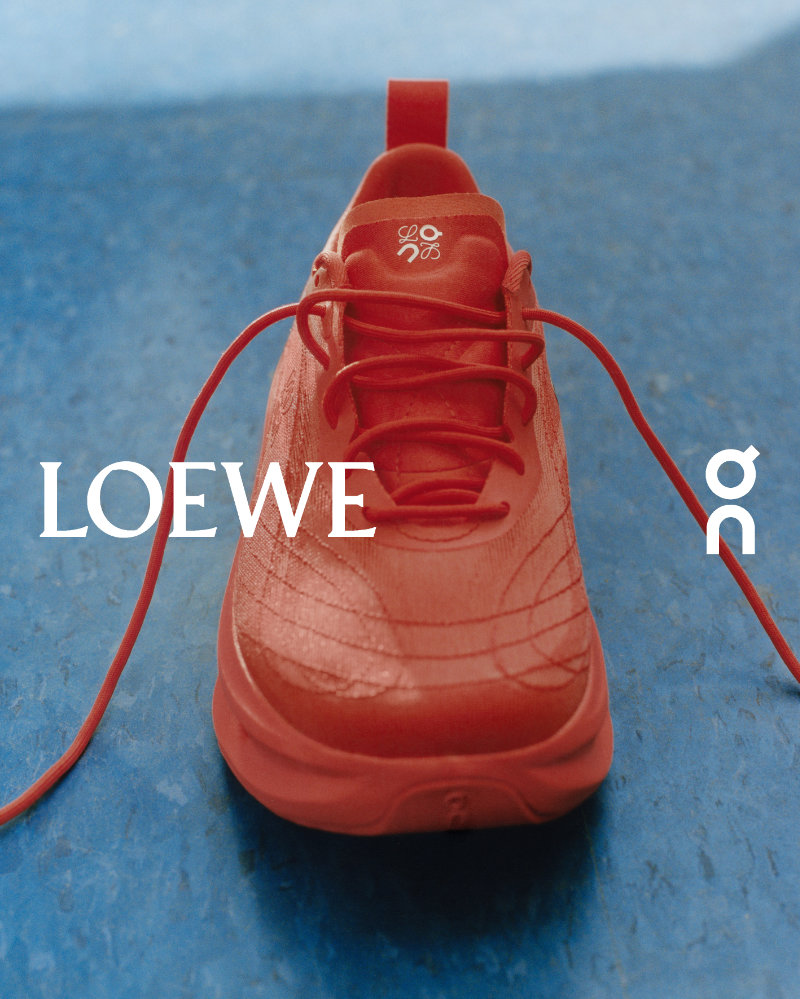
Loewe and On unveil their Fall/Winter 2026 collection, exploring the connection between art, movement and outdoor performance.
Sangue Novo wrapped its first phase at Lisbon Fashion Week with ten proposals and five finalists moving forward to present new collections at the next edition.
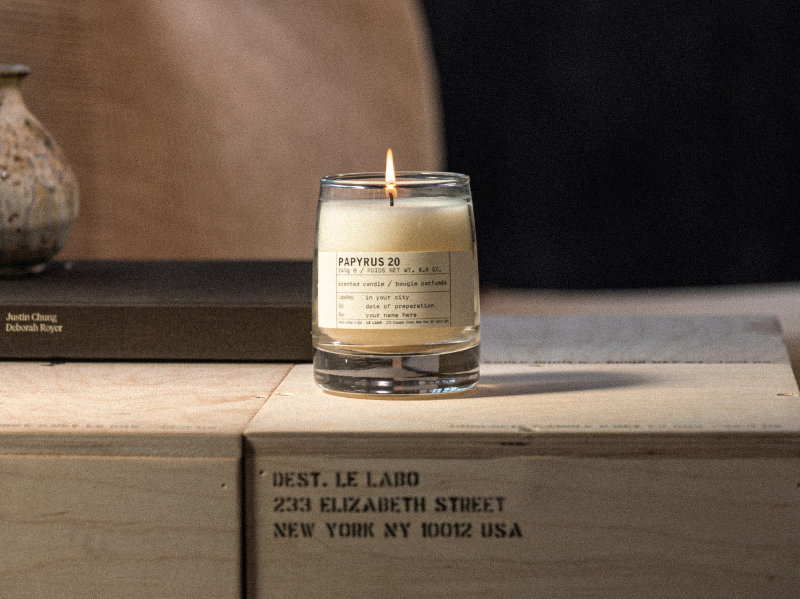
“Papyrus 20 is our ode to that ancient desire, and to fragrance as an archivist of the ephemeral.”
Armen Galyan of Man in Town on leaving fashion styling for independent design, building a proudly Armenian menswear brand, and finding inspiration in the quince.
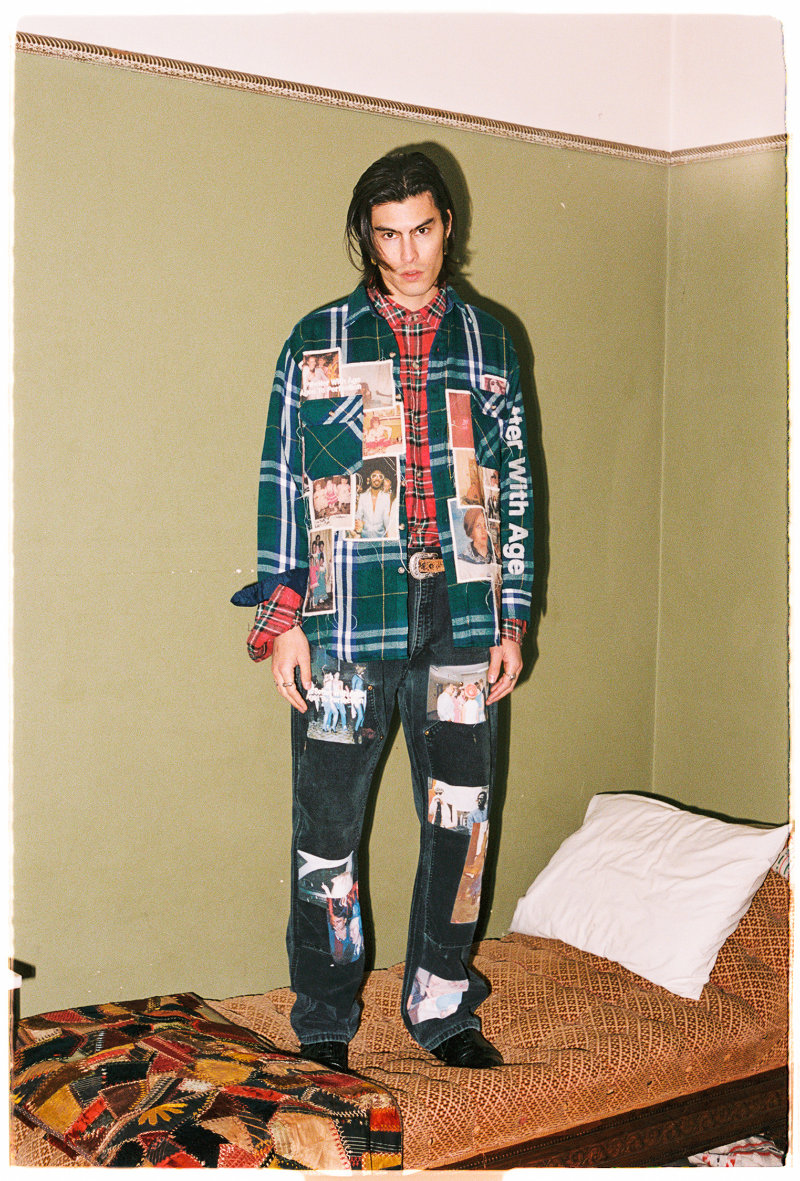
Better With Age has introduced its FW26 collection, Stolen Art, an expanding and evolved seasonal direction grounded in the brand’s ethos of historical preservation and textile upcycling.
The LOEWE FOUNDATION has announced that the 10th edition of the LOEWE FOUNDATION Craft Prize will take place in Milan during Milan Design Week in 2027.
Photographer Yago Barbosa went backstage at Lisbon Fashion Week to capture our favorite looks from designers Bárbara Atanásio, Çal Pfungst, Duarte Hajime, and Dino Alves.
Director Thomas Nuijten and photographer Dion Bal explore performing masculinities in a new project, featuring Levi Overvest, in an exclusive for Fucking Young!
Luís Carvalho showed Wildflower during ModaLisboa, continuing the universe of his previous collection with a focus on memory and how time reshapes what we remember.
Mestre Studio showed A Boy’s Dreams during ModaLisboa, a collection shaped by how memory softens lived experience into something closer to a dream than a record.
Adolfo Domínguez showed CROMA during ModaLisboa, a Spring/Summer 2027 collection built around a single question: what is colour, really?
Kolovrat showed Common Ground during ModaLisboa, a collection that looks back to where we come from.
From October 14 to 18, Regent’s Park will once again become one of the most exciting meeting points in the international art world.
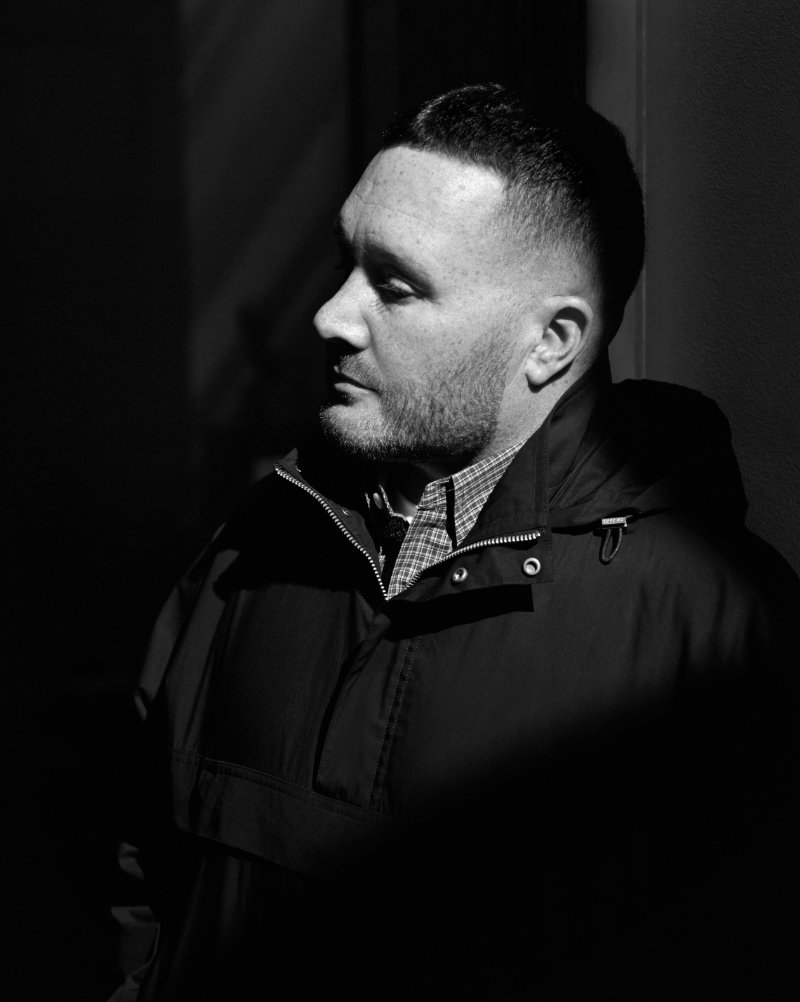
Kim Jones OBE has announced the launch of KIM JONES, his eponymous label and a major new chapter in his career.
Eva Mesropyan of Archeave Official wins the Fashion Scout Armenia Award 2026 at Yerevan Fashion Week.
Gardouch’s Spring/Summer 2027 collection continues the Anneaux de Saturne (Rings of Saturn) narrative, unveiling a lighter wardrobe of 31 looks.
Pigmentarium has introduced Paradiso Extrait, its first extrait de parfum, revisiting a fragrance that has become an essential part of the house’s collection.
Octobre Éditions celebrates ten years with a limited edition revisiting four iconic pieces in Harris Tweed, Japanese denim and Piedmontese wool.
Levi’s has introduced its Fall/Winter 2026 Blue Tab collection, the most sophisticated and exclusive expression of its denim universe.
With a warm, gourmand fragrance, the candle expands a collection rooted in botanical notes and evocative aromas.
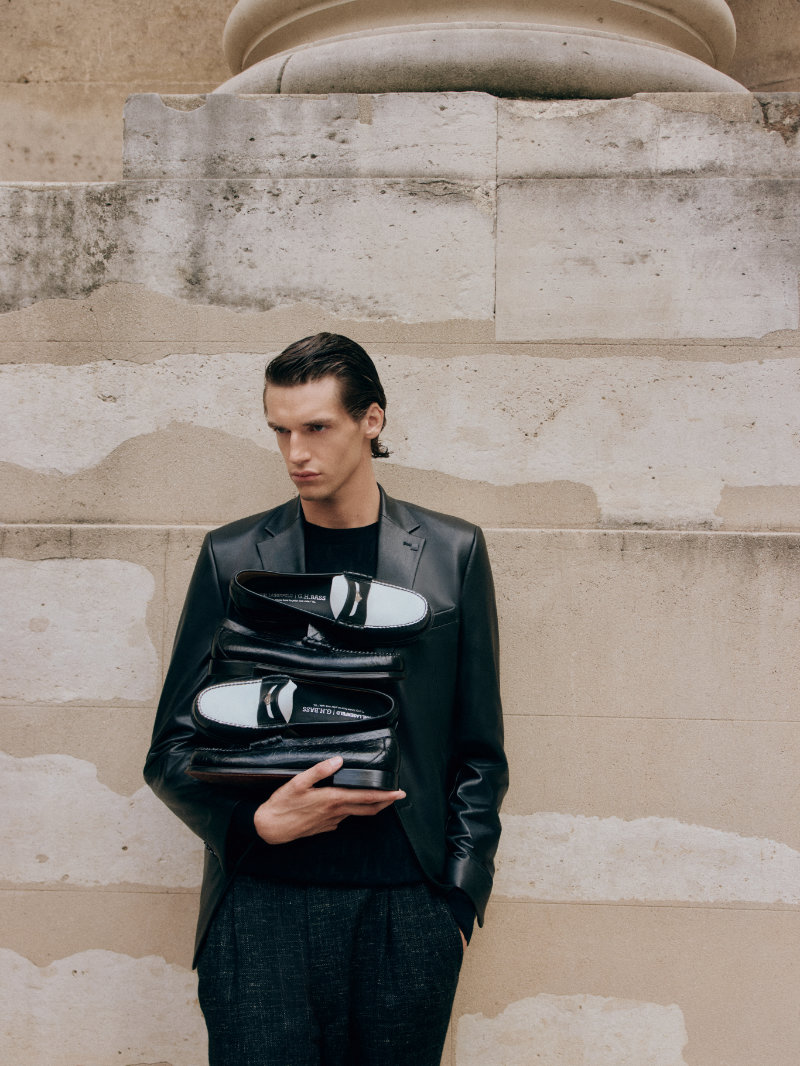
Karl Lagerfeld has announced a new footwear collaboration with G.H.Bass, marking the American brand’s 150-year shoemaking heritage and the 90th anniversary of its Weejuns penny loafer.
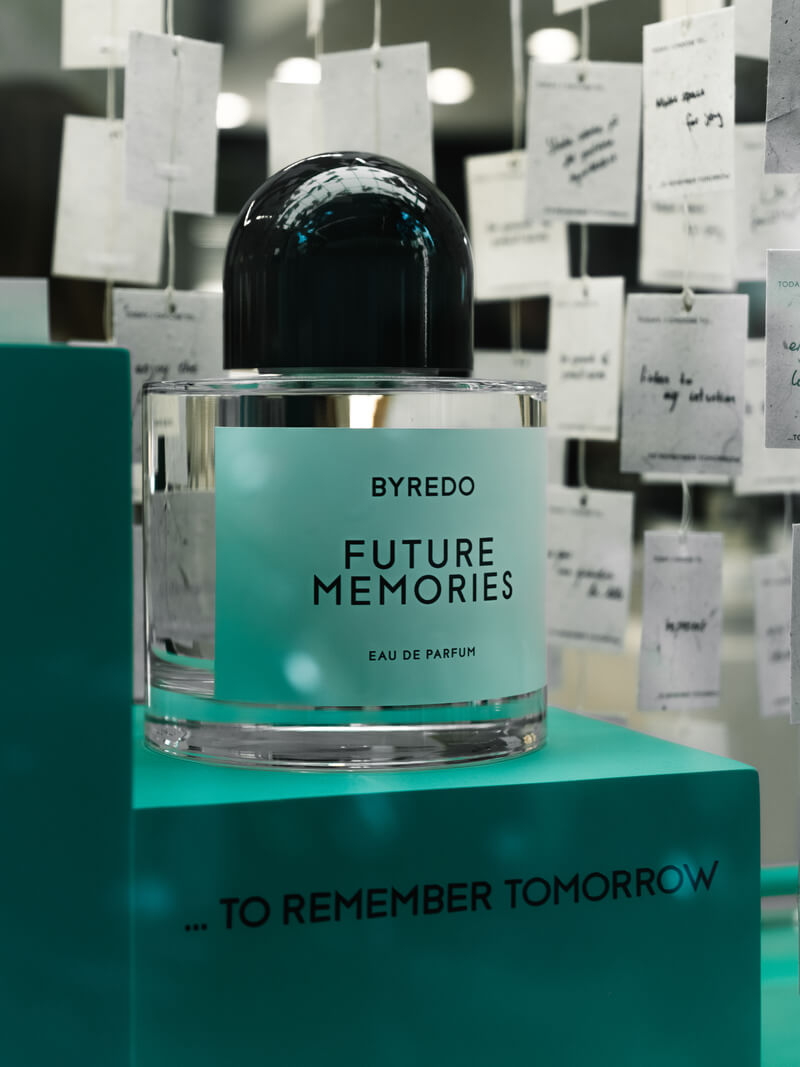
BYREDO reopens its Madrid boutique with a new visual identity, just as its latest fragrance, Future Memories, asks us to think about the moments we are living now and the memories they might become.
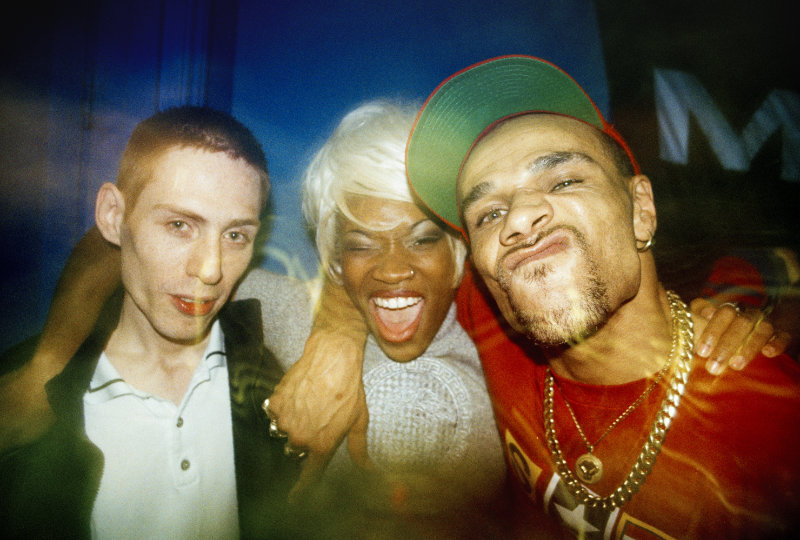
Discover The 90s: Art and Fashion at Tate Britain, bringing together art, fashion, photography and nightlife from 1990s London.
Milano Centrale: the archetypal train station. Arrivals, departs. People that come, people that go.
Rooted in slow summer days and timeless sportswear, the collection draws from football, rugby, bowling, and classic collegiate style.
There’s a difference between clothing made for a season and clothing that earns its keep over decades. EDWIN and Spiewak both understand that.