There is something about London that keeps bringing me back. As a Parisian, I never thought I would say this so easily, but I think I’m falling more and more in love with the city. Maybe it’s the freedom, the energy, the way people seem less concerned about fitting into one particular idea of cool. Or maybe it’s simply that I’m getting older and starting to appreciate things differently. Every time I come here, I recognise more faces, discover new places and feel a little more at home. And with Frieze London 2026 approaching, I’m reminded of why I love spending time here in the first place: the people, the conversations, and above all, the art.
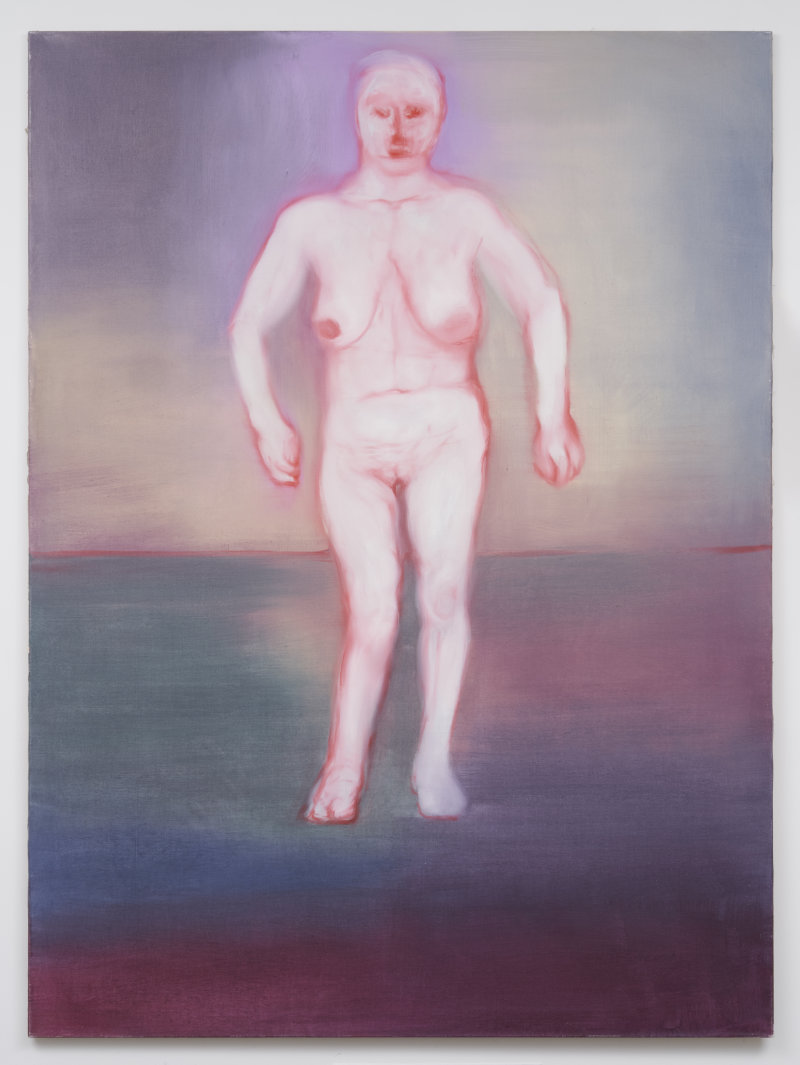
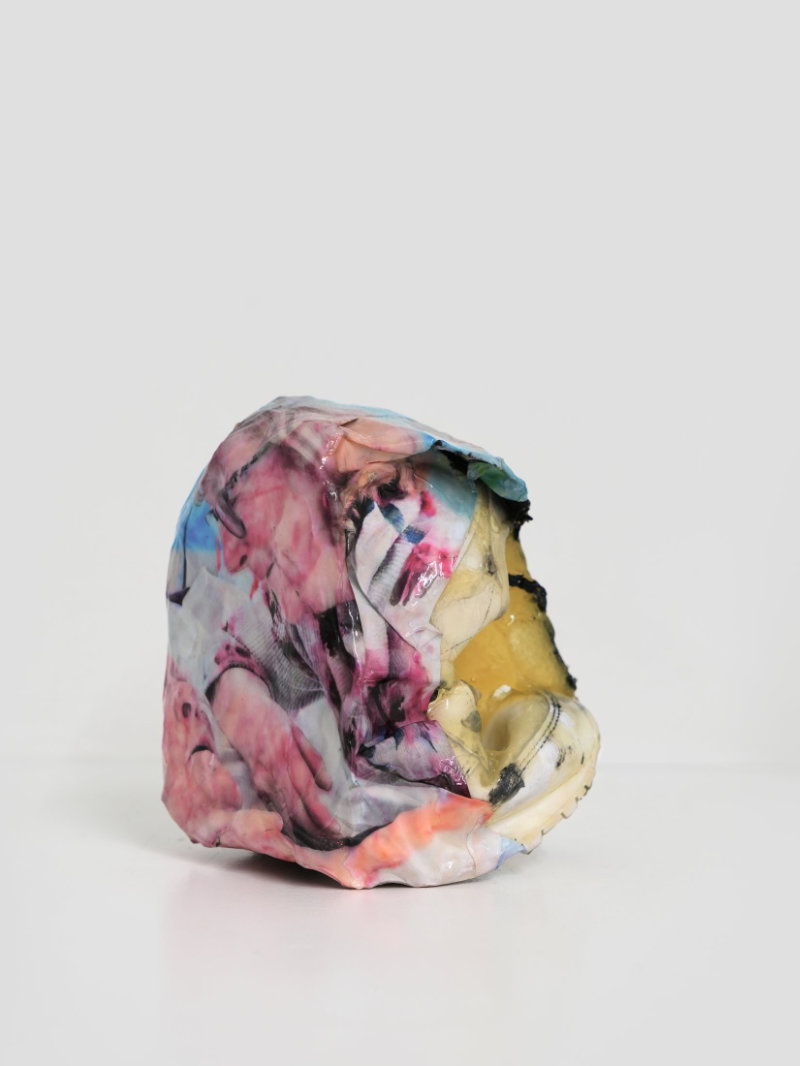
Miriam Cahn, ALTICH, 1974–2020. Courtesy of the artist and Galerie Jocelyn Wolff, Paris, and Meyer Riegger, Berlin. Photo: Heinz Pelz
From October 14 to 18, Regent’s Park will once again become one of the most exciting meeting points in the international art world. This year, Frieze London and Frieze Masters are bringing together almost 300 galleries from 48 countries and regions. Quite impressive, obviously. But what interests me most isn’t necessarily the scale of the event or the names on the guest lists. It’s the possibility of discovering something unexpected. The 2026 programme includes The Code Universe, curated by Carol Yinghua Lu, exploring mass culture and social transformation, while Frieze Masters introduces Queering Modernism, reconsidering the histories and identities that traditional art narratives have often overlooked. These are exactly the kinds of conversations I hope we can make more space for.
Of course, Frieze is also a social marathon. We all know how it works. One opening becomes three cocktails, someone invites you somewhere in Mayfair, you bump into someone you haven’t seen since Paris Fashion Week, and suddenly the evening is over. Don’t get me wrong, I love seeing familiar faces. There is something genuinely lovely about arriving in another city and realising you have your own little community there. But sometimes I wonder whether we spend more time saying hello to people than actually looking at what’s hanging on the walls. We go to an exhibition, take a picture, exchange a few kisses, and move on. Did we even look at the art? I’m not always sure.
And maybe that’s what I want to change for myself this year. To slow down a little. To enjoy the work without immediately needing to photograph it or explain it to someone. To stand in front of something for ten minutes, even if I don’t understand it. Especially if I don’t understand it. Because art isn’t supposed to be another thing we consume in between two appointments. It’s supposed to disturb us sometimes, make us curious, question our opinions or simply make us feel something. In a world where everything has to happen immediately, taking time to look has almost become a political gesture. And I find that quite beautiful.
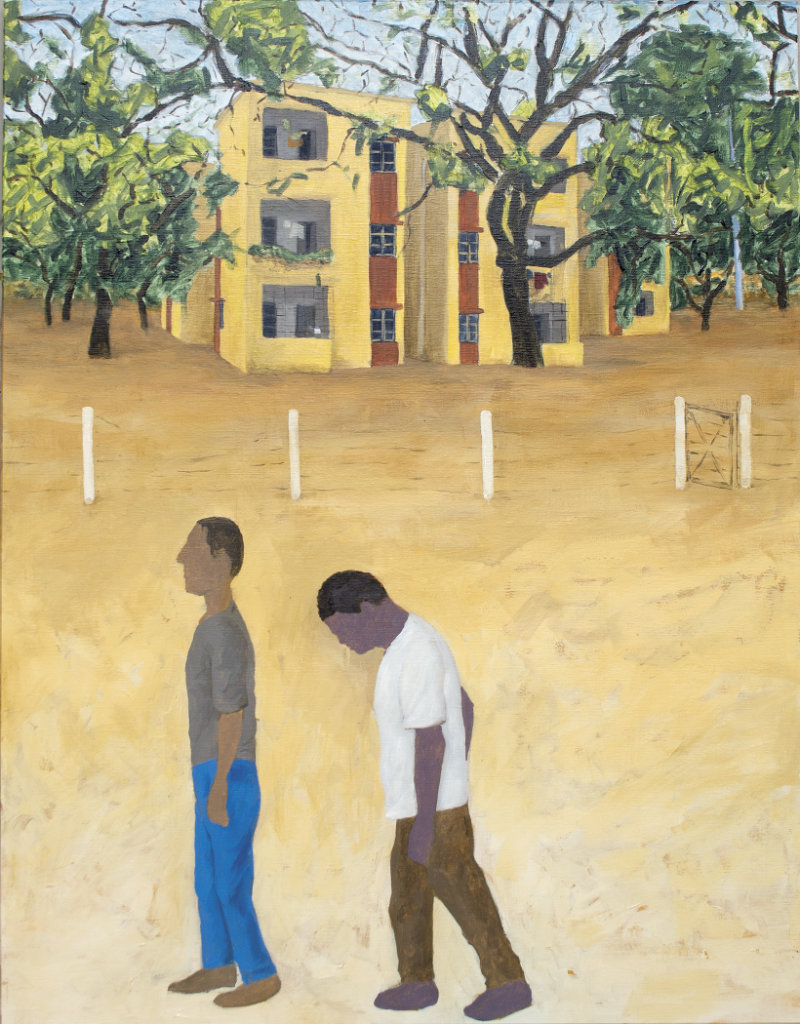
Sudhir Patwardhan, Two Friends Contemplating the Future, 2026. Courtesy of the artist and Vadehra Art Gallery
In 2026, this feels particularly important. We are living through a moment when politics, identity, technology and the way we communicate are constantly being questioned. We scroll through conflicts, elections, humanitarian crises and endless opinions as though they were all part of the same Instagram feed. Everything becomes content, and sometimes even our reactions feel automatic. Art can interrupt that rhythm. Not because every artist needs to make an explicitly political statement, but because art allows us to experience complexity without immediately choosing a side or producing a clever answer. At Frieze, projects like The Code Universe, alongside presentations by artists such as Dalton Paula, Marina Perez Simão and Albert Oehlen, remind us how many different ways there are to interpret the world. Art doesn’t have to solve our problems. But it can change the way we see them.
There is also something interesting about the contradiction of an art fair itself. We talk about freedom, resistance, identity and social change inside a space where artworks can cost more than most people earn in years. The art world is full of these contradictions, and pretending otherwise would be a little ridiculous. But perhaps that is exactly why we should keep asking questions. Who gets to make art? Who gets to buy it? Who gets invited into the conversation? And who is still standing outside? I love that Frieze Sculpture, running from September 16 to November 1 in Regent’s Park, remains free and accessible to everyone. Because art should also exist beyond collectors, VIP previews and champagne glasses. Culture becomes truly interesting when it reaches people who weren’t necessarily expected to be part of the room.
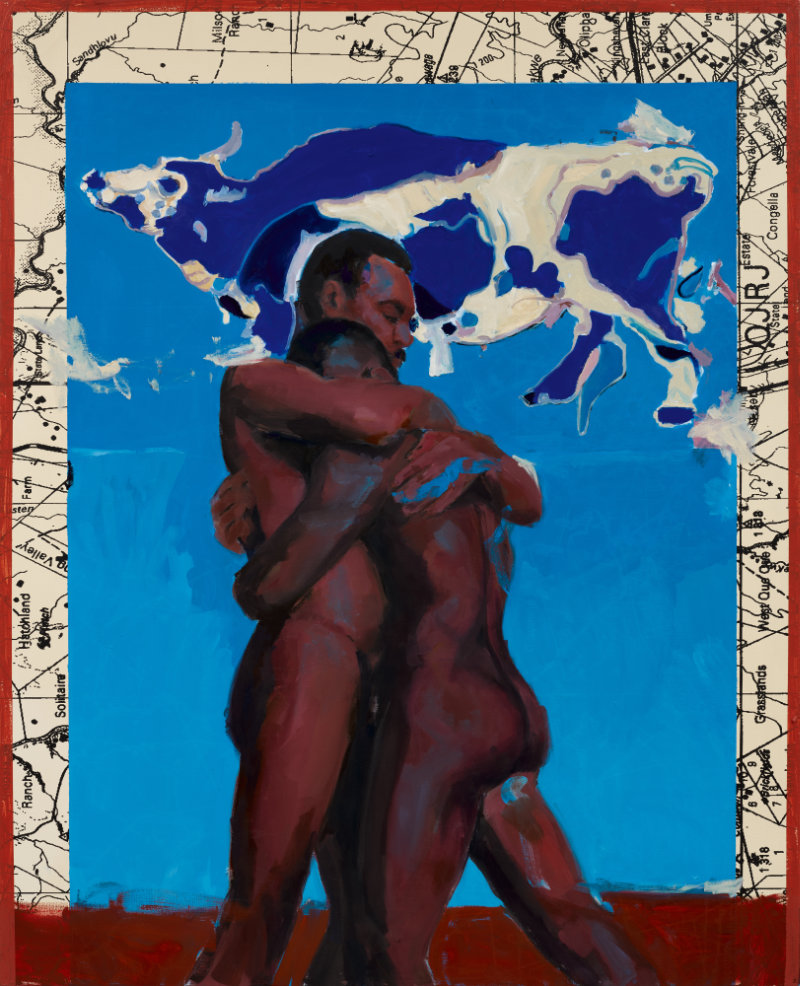
Kudzanai-Violet Hwami, Animus, 2025. © Kudzanai-Violet Hwami Courtesy the artist and Victoria Miro
So yes, I’ll be in London, probably running into friends, drinking a glass of orange wine somewhere, laughing too loudly and enjoying everything that makes Frieze Week so special. I’m Parisian, after all, and I will never pretend I don’t love a good social moment. But I’m also increasingly happy to spend an afternoon alone with the art, to meet people through genuine conversations rather than obligatory appearances, and to leave an exhibition with more questions than answers. Maybe that’s what London is teaching me: to be curious without needing to perform curiosity. In 2026, when everyone seems desperate to be seen, perhaps the most interesting thing we can do is simply take the time to look.
More information HERE.