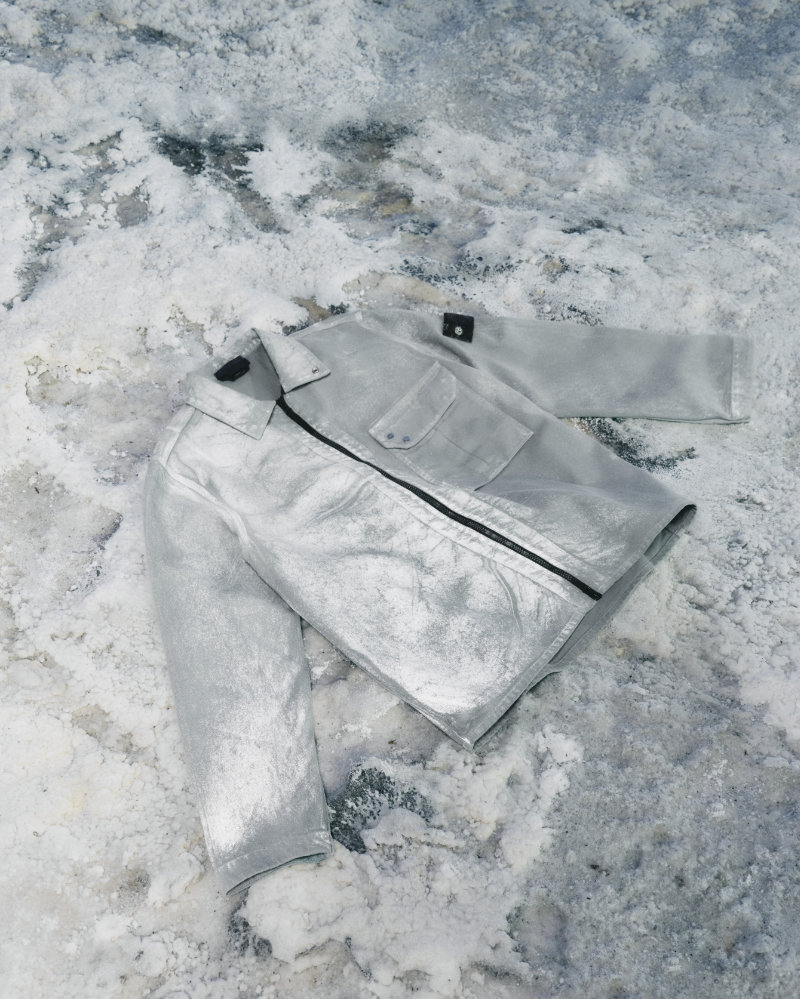
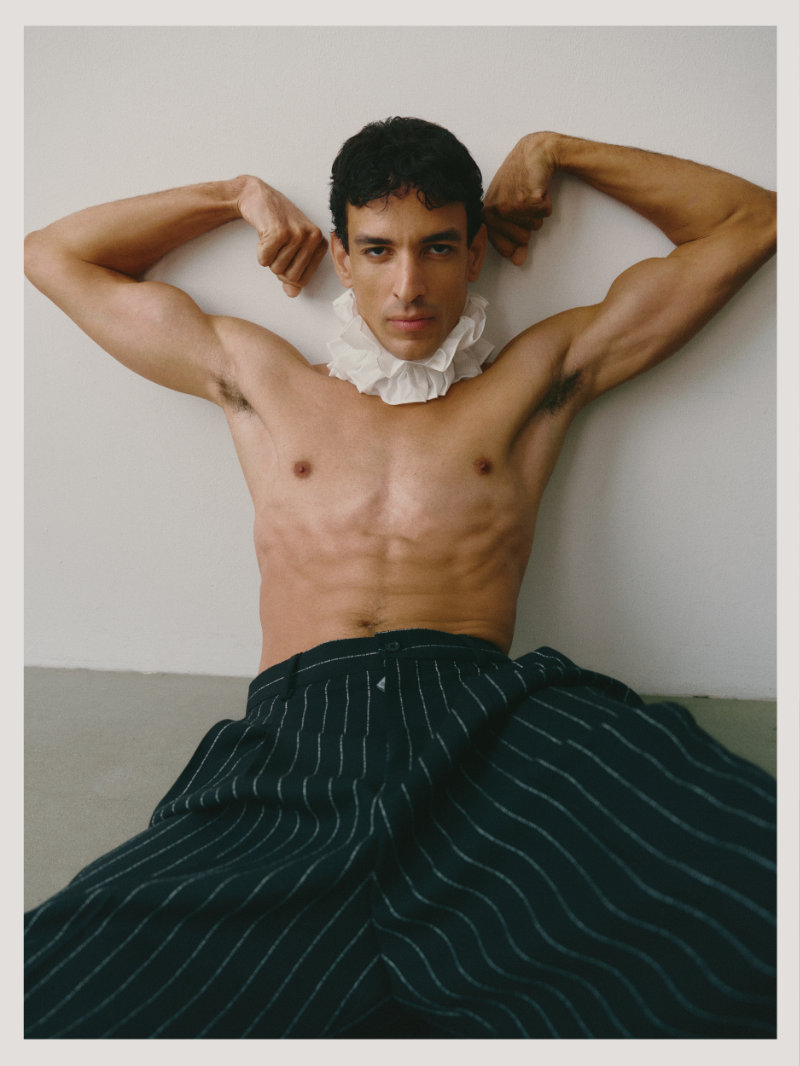
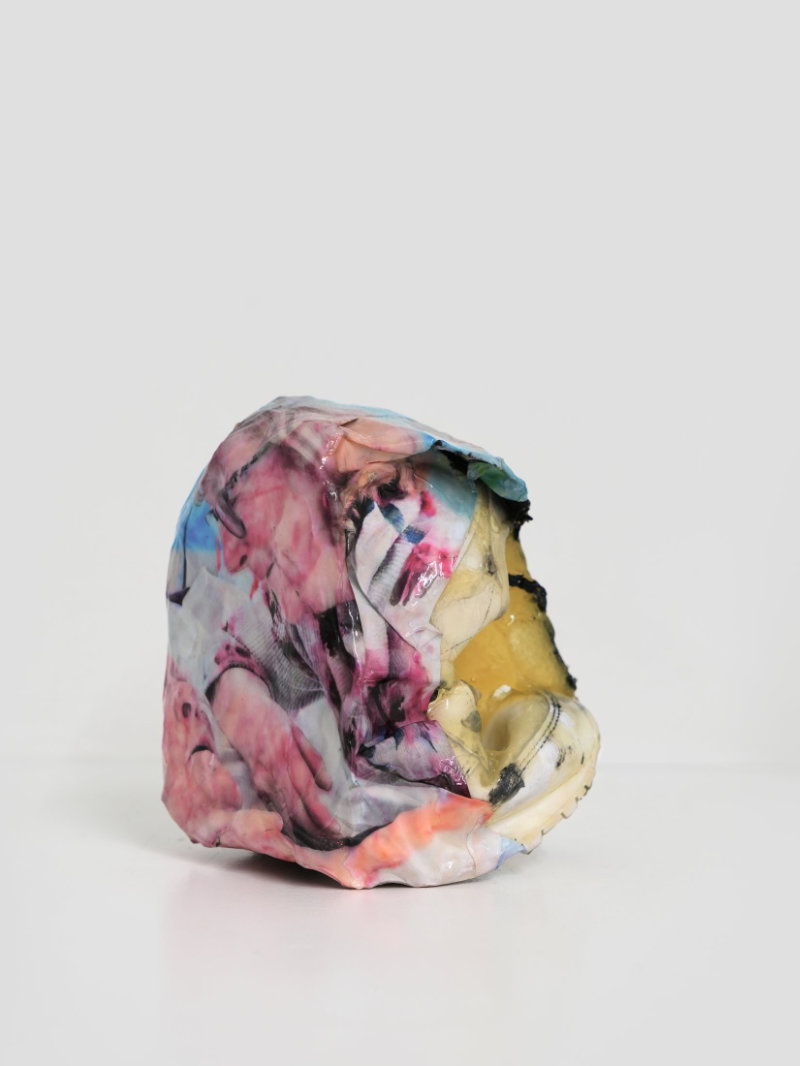
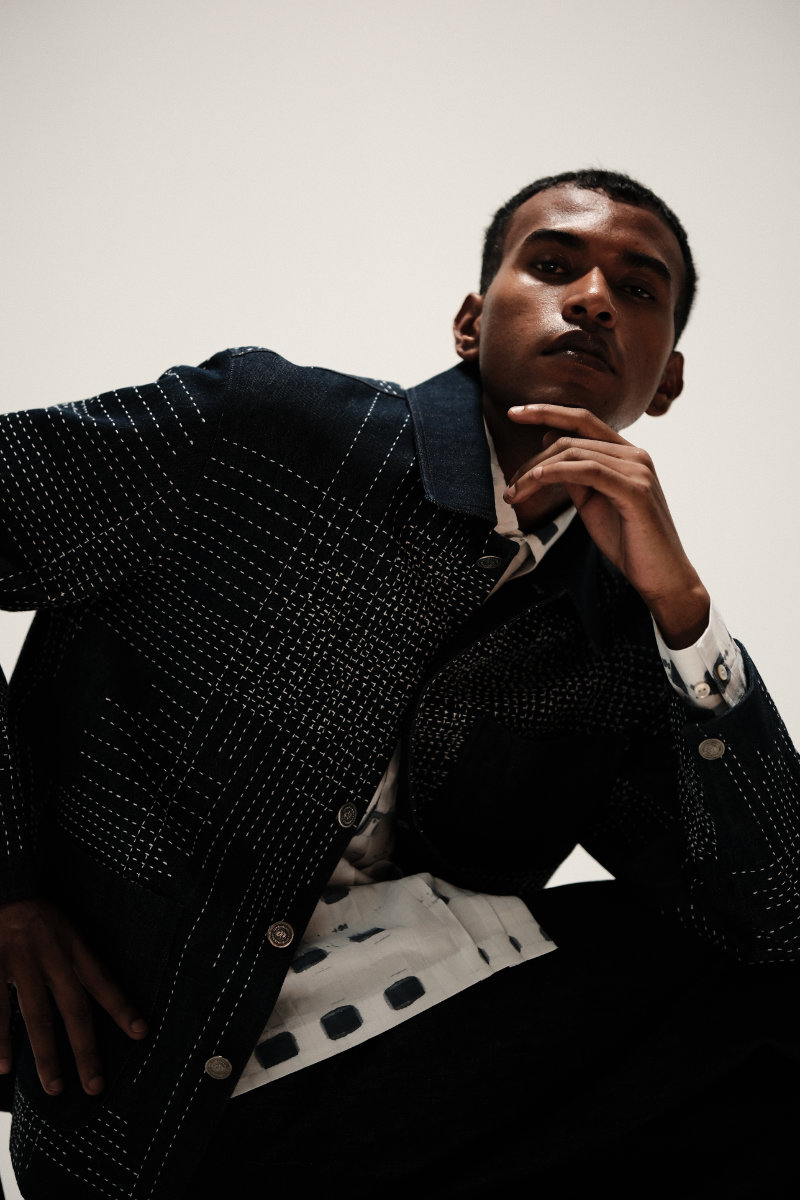
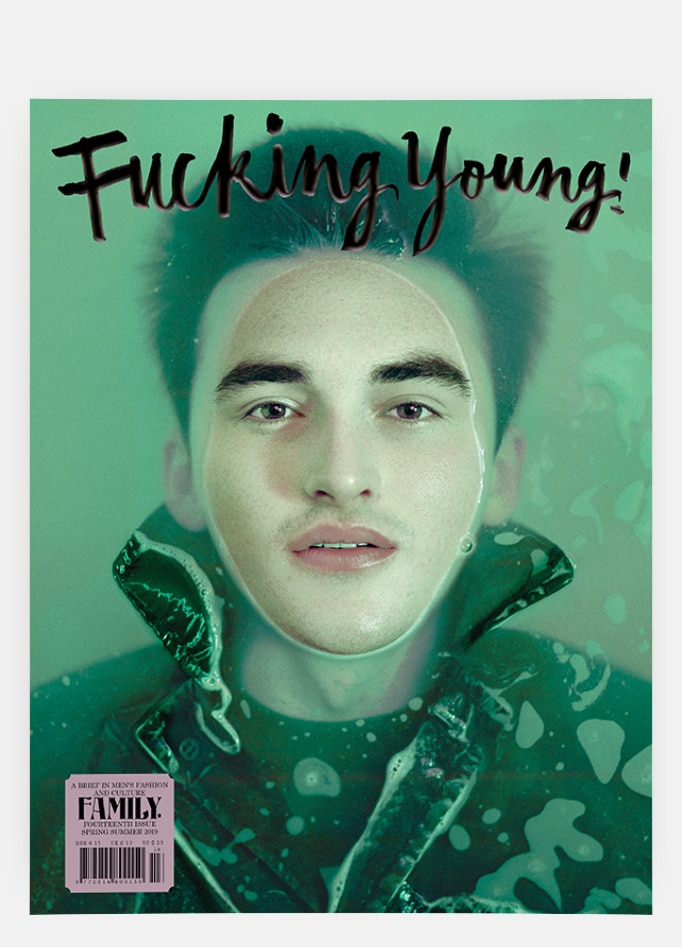
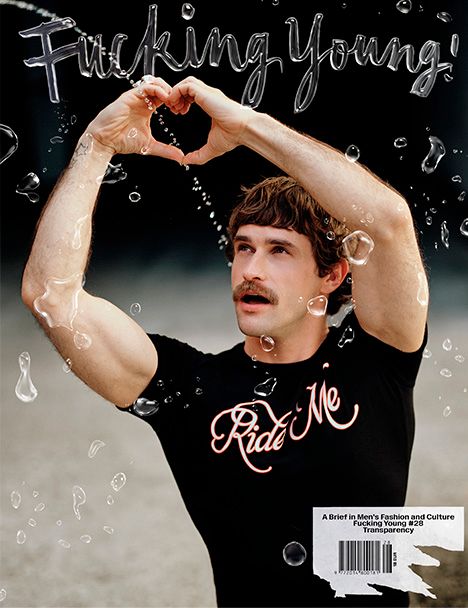
Photography has come a long way in 200 years, and Paris Photo is here to remind us that the medium is far from standing still. Returning to the iconic Grand Palais from November 12 to 15, 2026, the world’s leading photography fair celebrates its 29th edition with a special focus on the bicentenary of photography. But rather than simply looking back, this year’s event is all about questioning what photography means today, how images shape our identities, and where the medium might be heading next.
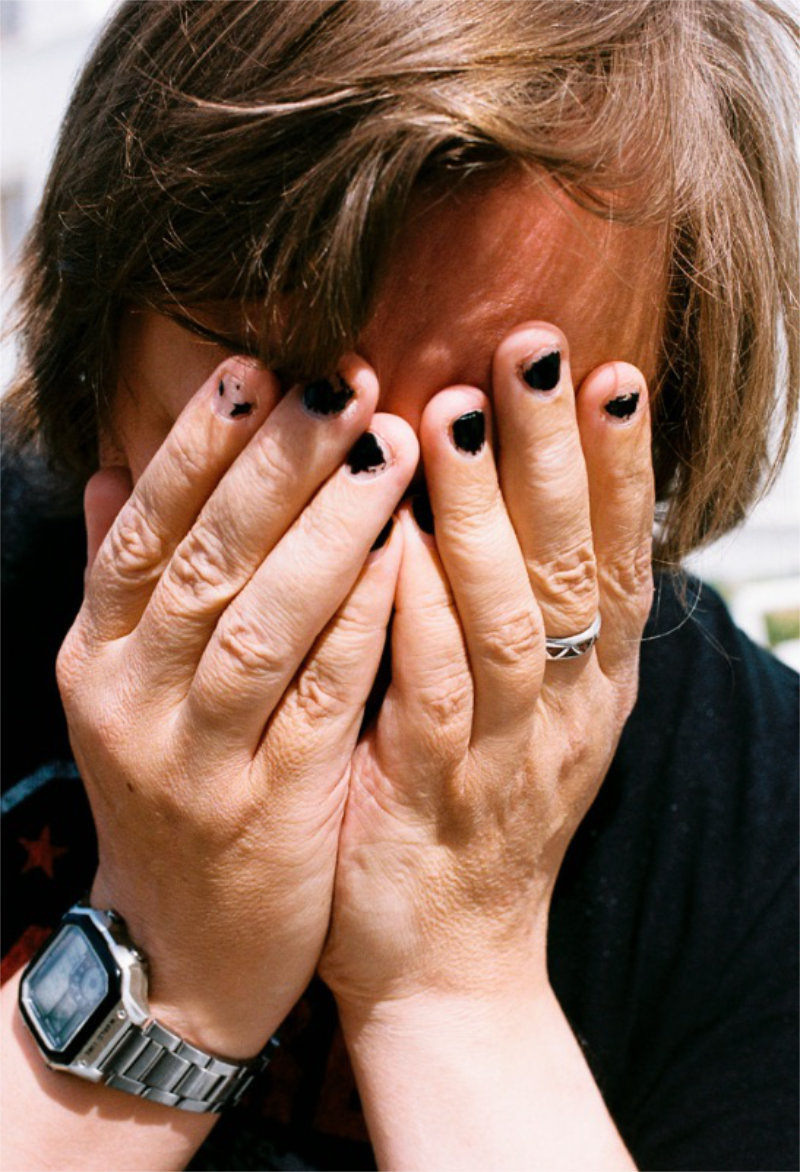
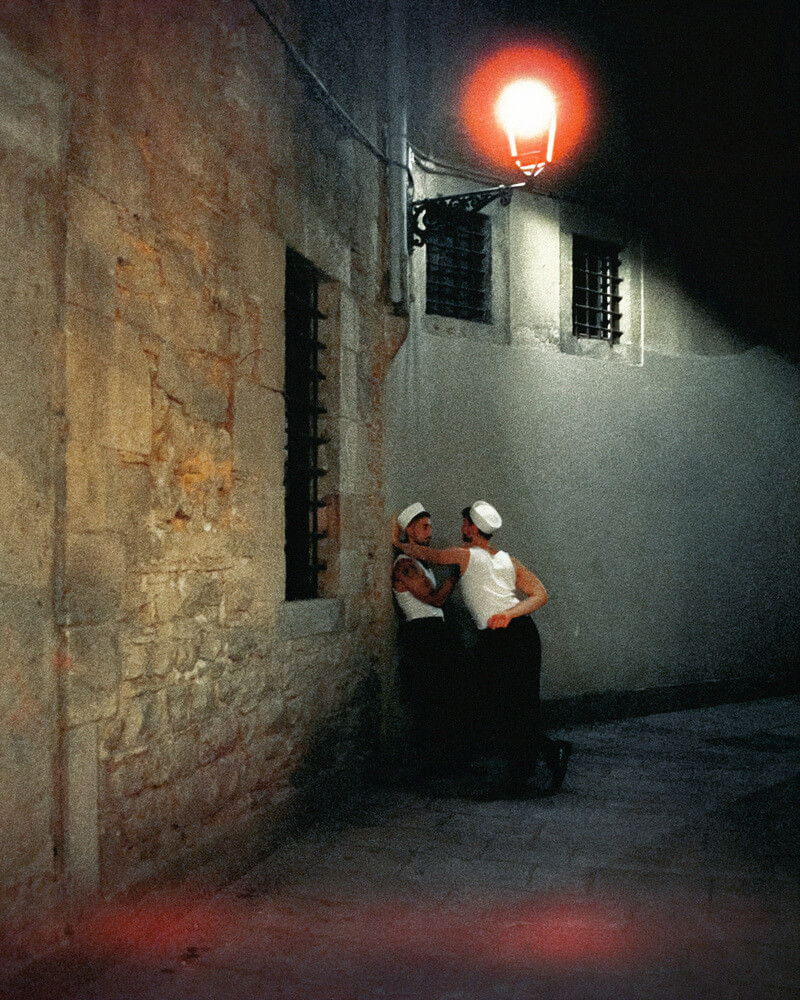
Alassan Diawara, In Bloom, 2026, Poursuite
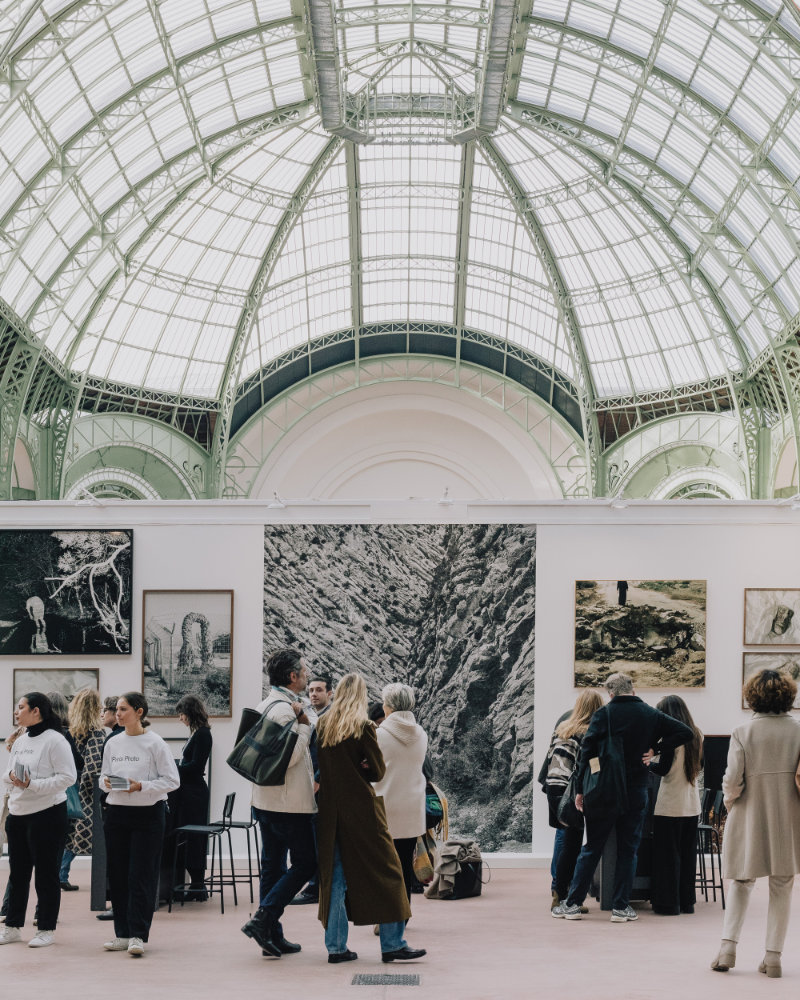
Bringing together 246 exhibitors from 38 countries, including 199 galleries and 48 publishers, Paris Photo 2026 promises a mix of established names, emerging talents, and experimental approaches. With 80 new participants joining the fair, there’s plenty to discover, whether you’re passionate about photography or simply curious about contemporary visual culture. Spread across five sectors, the programme moves between historical works, contemporary art, digital experimentation, and everything in between.

Paris Photo 2025, Grand Palais, © Grégoire Grange
One of this year’s major highlights is a monumental installation dedicated to German photographer Thomas Ruff, welcoming visitors at the entrance of the Grand Palais. Stretching across 36 metres, the presentation explores more than four decades of his work, from analogue photography to digitally manipulated imagery. Elsewhere, the Centre Pompidou joins the celebrations with Revealing, an exhibition bringing together around 100 works by 30 artists from its collection, offering another perspective on how photography has evolved over time.
For those interested in the more experimental side of image-making, the Digital Sector is definitely worth exploring. Curated by Marco de Mutiis, it looks at how technology continues to transform photography in a world dominated by smartphones, social media, algorithms, and artificial intelligence. At a time when almost anyone can create, manipulate, or generate an image in seconds, the sector raises some interesting questions about authenticity, creativity, and the increasingly blurred line between reality and fiction.
Sophie Ristelhueber, POGGI galerie, Paris Photo 2025, © Grégoire Grange
Another intriguing part of the fair is the Voices Sector, curated by Zasha Colah and Francesco Zanot around the theme of Disappearance. Photography has always been associated with preserving memories, people, and places, but what happens when images themselves become unstable? Through historical and contemporary works, the exhibition explores everything from disappearing landscapes and vulnerable communities to the changing nature of photographic images. It’s a thoughtful reminder that photography isn’t just about capturing what we see, but also about questioning what might eventually be lost.
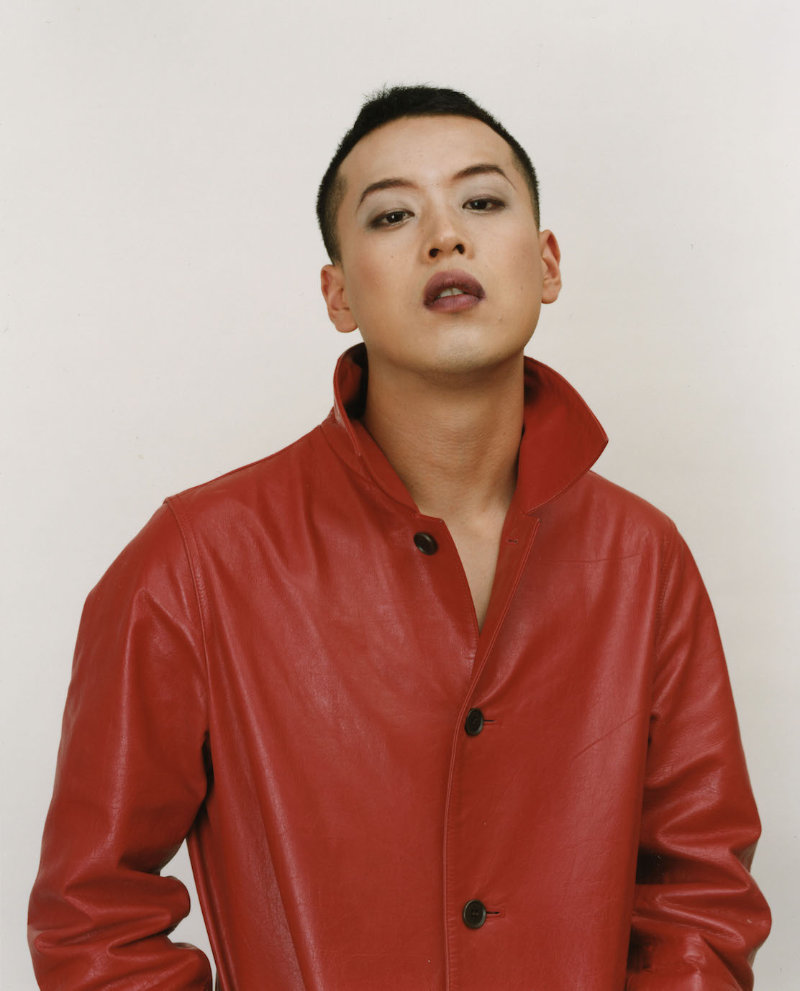
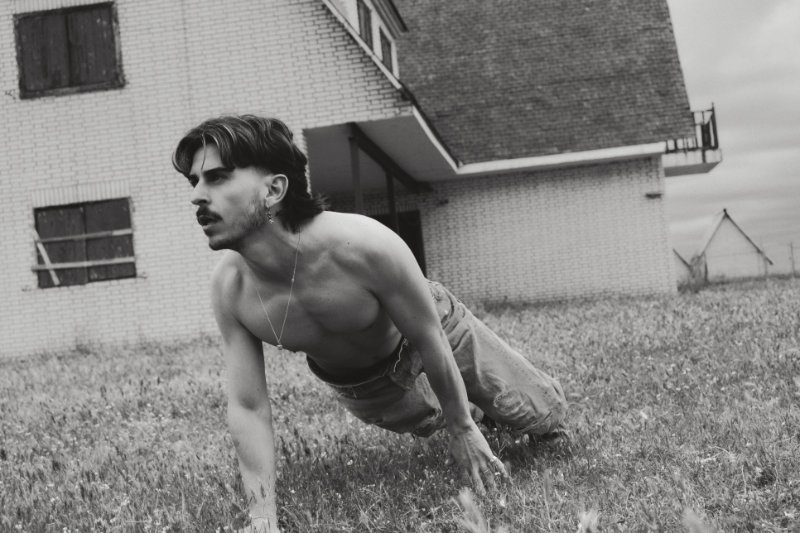
Ryudai Takano, Wearing a red leather coat, from the series In My Room, 2002, Yumiko Chiba
The next generation of image-makers also gets its moment in the spotlight. Located on the first floor of the Grand Palais, the Emergence Sector presents 20 projects by artists from nine countries, exploring themes such as identity, memory, belonging, and political history. Among them, Yumna Al-Arashi, Randa Mirza, and Dev Dhunsi approach photography through personal narratives and unconventional materials, showing how the medium can move beyond traditional images into something much more intimate and experimental. Meanwhile, the Elles x Paris Photo programme, curated this year by Aldeide Delgado, continues to highlight the work of women photographers and their contributions to the medium.
And because photography isn’t limited to gallery walls, the Book Sector is another reason to spend some extra time at the fair. Featuring 48 international publishers and more than 400 book signings, it’s a chance to discover independent publications, rare photobooks, and new visual stories while meeting some of the artists behind them. From established publishing houses to smaller independent presses, the space celebrates the photobook as an artistic object in its own right.
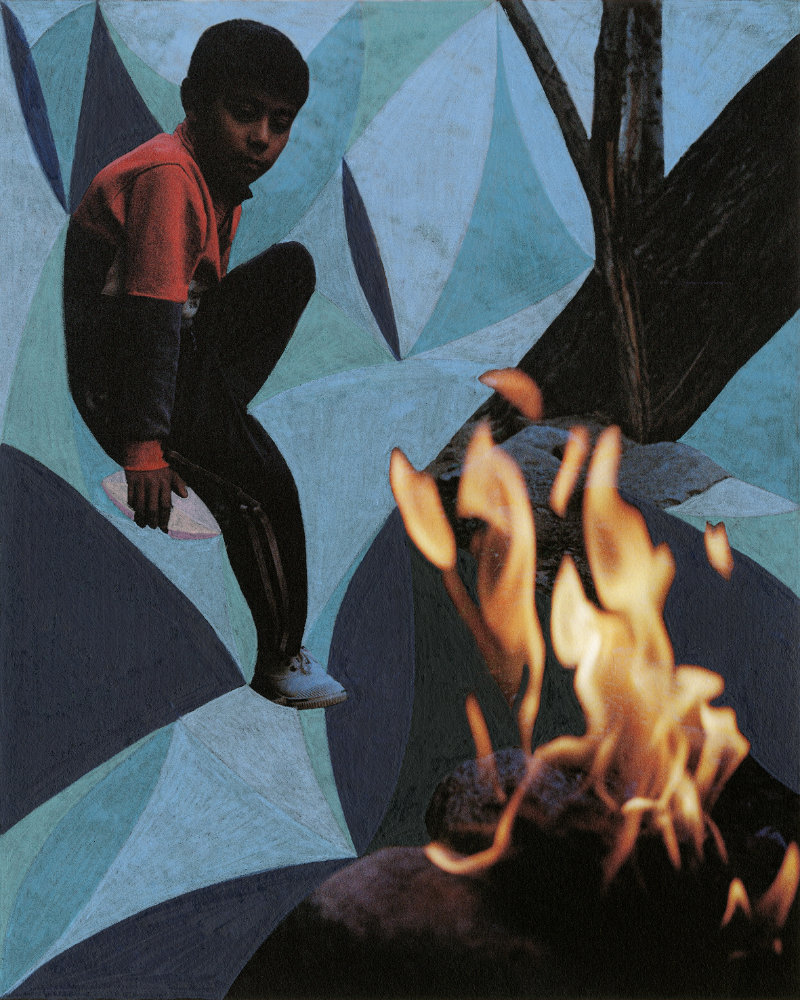
Vasantha Yogananthan, The Fire, 2026, Anne-Laure Buffard
Two centuries after its invention, photography remains one of the most powerful ways to document, question, and reinterpret the world around us. Paris Photo 2026 embraces that constant evolution, bringing together the past, present, and future of image-making under one spectacular glass roof. Whether you’re into fashion photography, experimental art, digital culture, or simply love discovering new perspectives, this year’s edition offers plenty of reasons to look a little closer.
More information HERE.