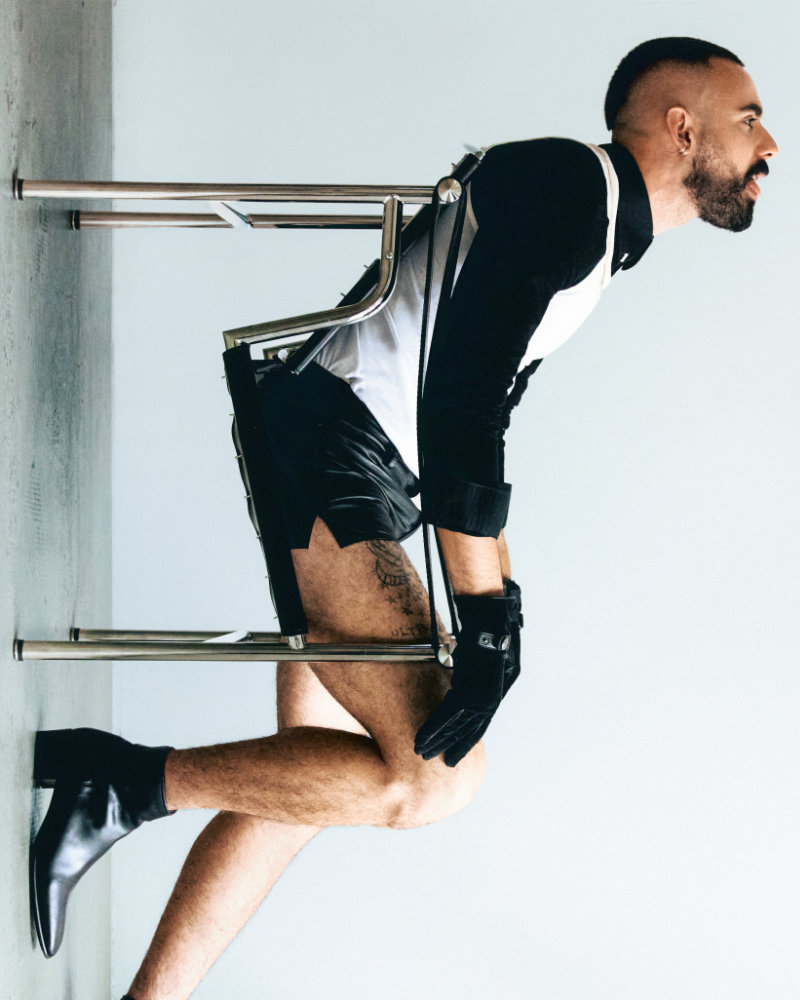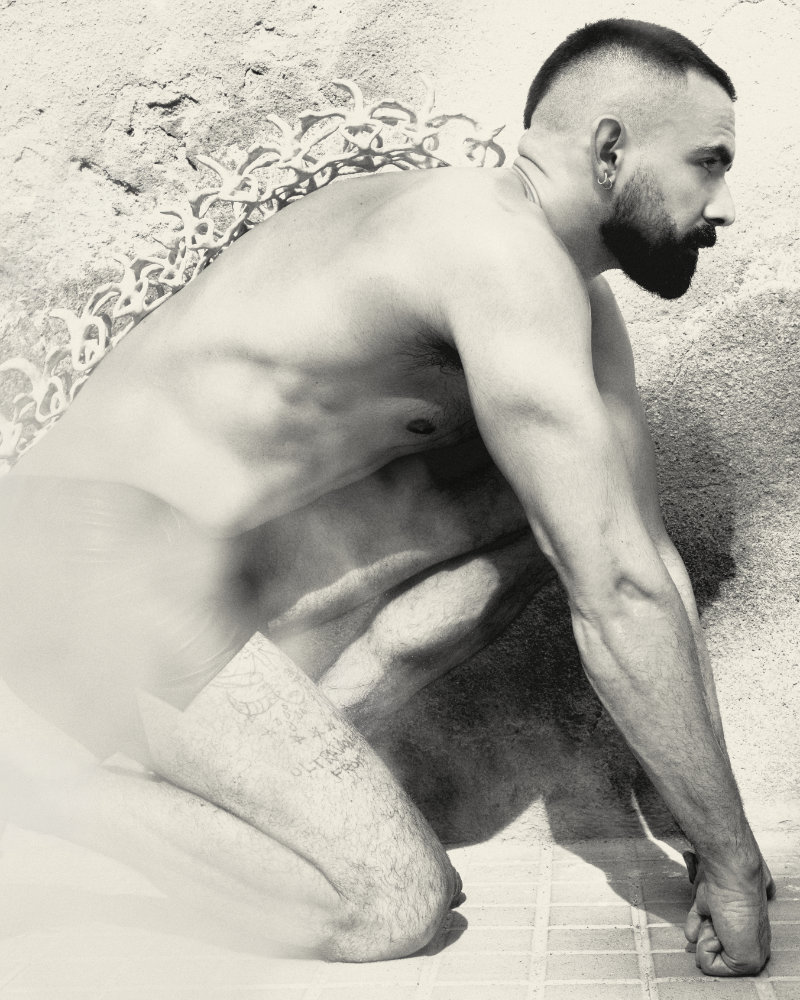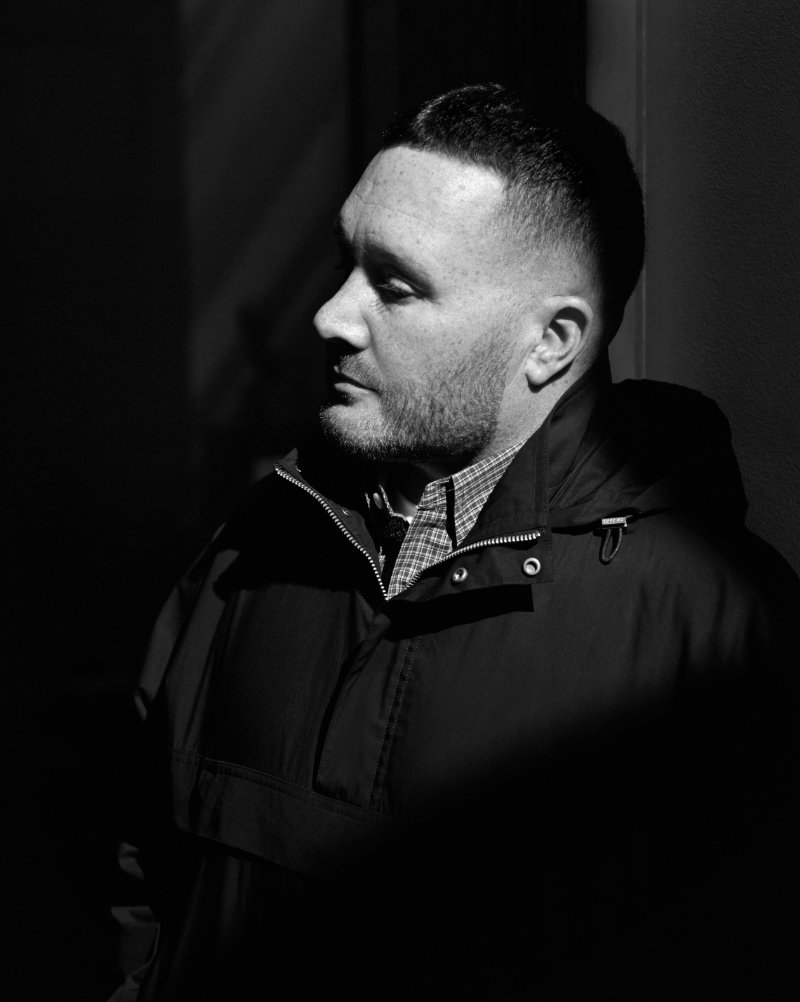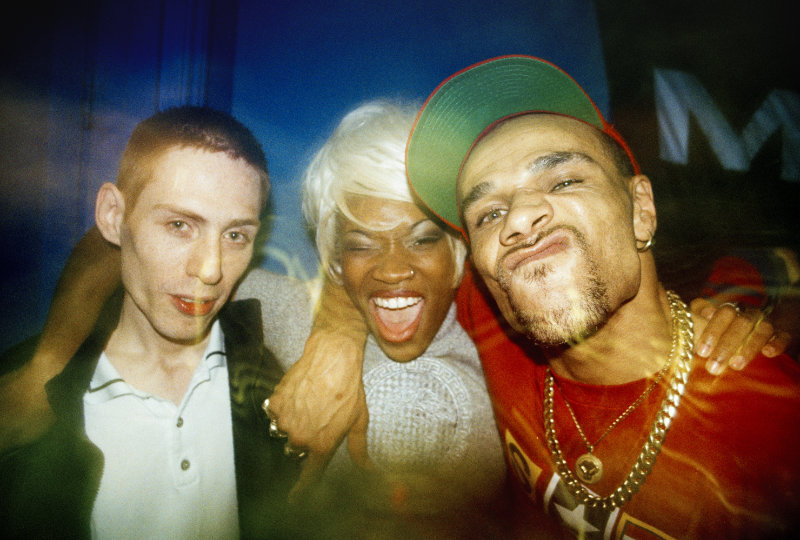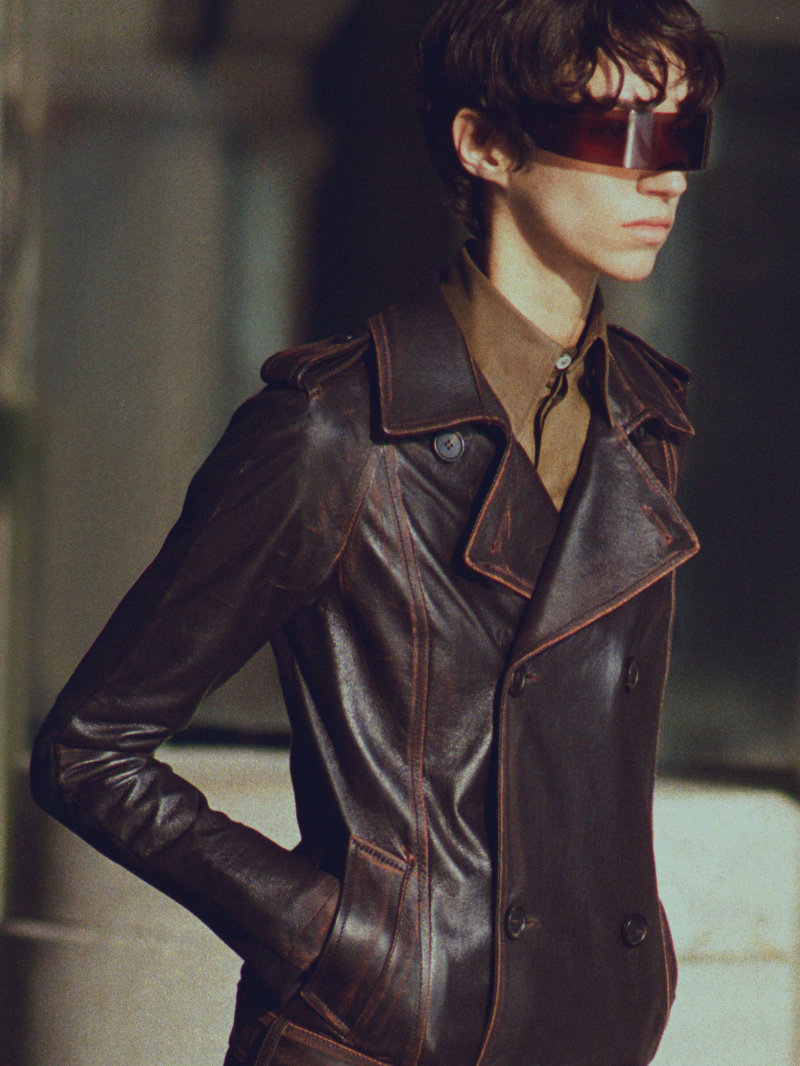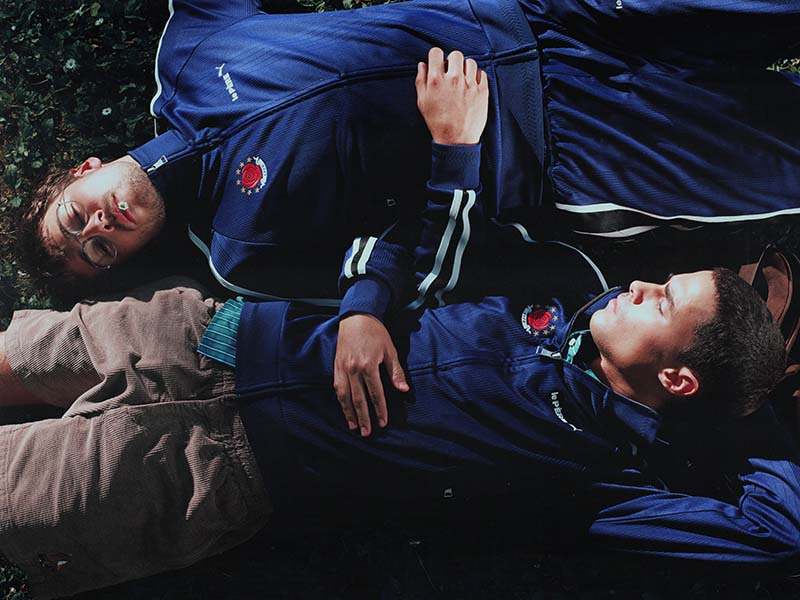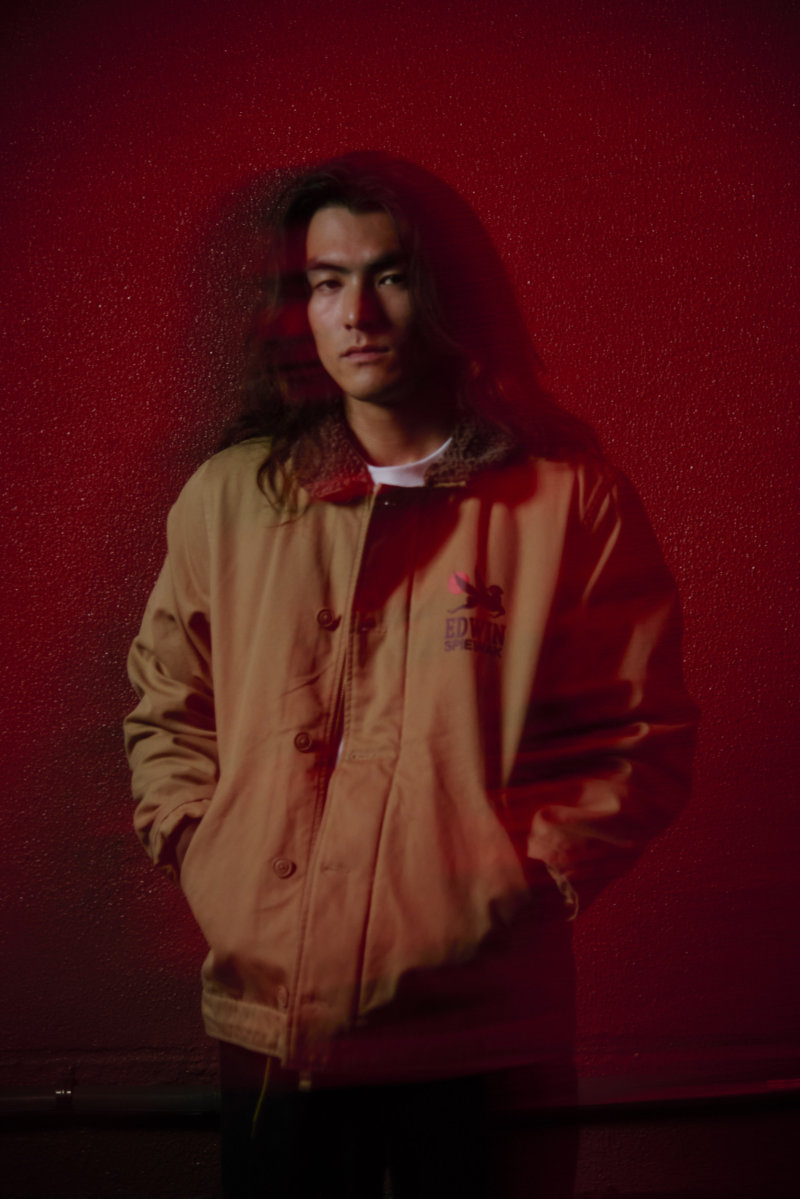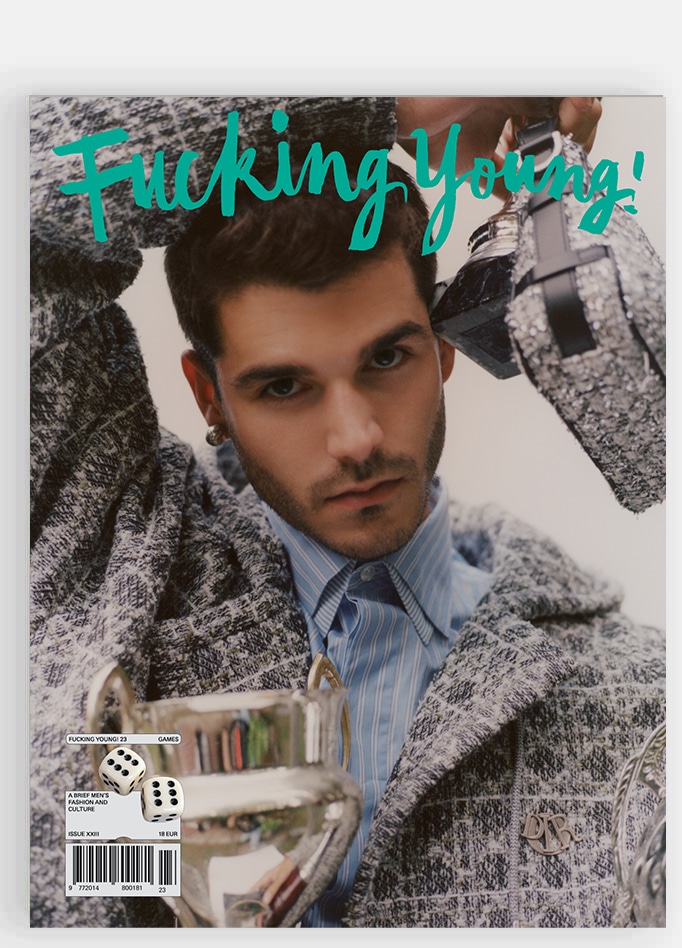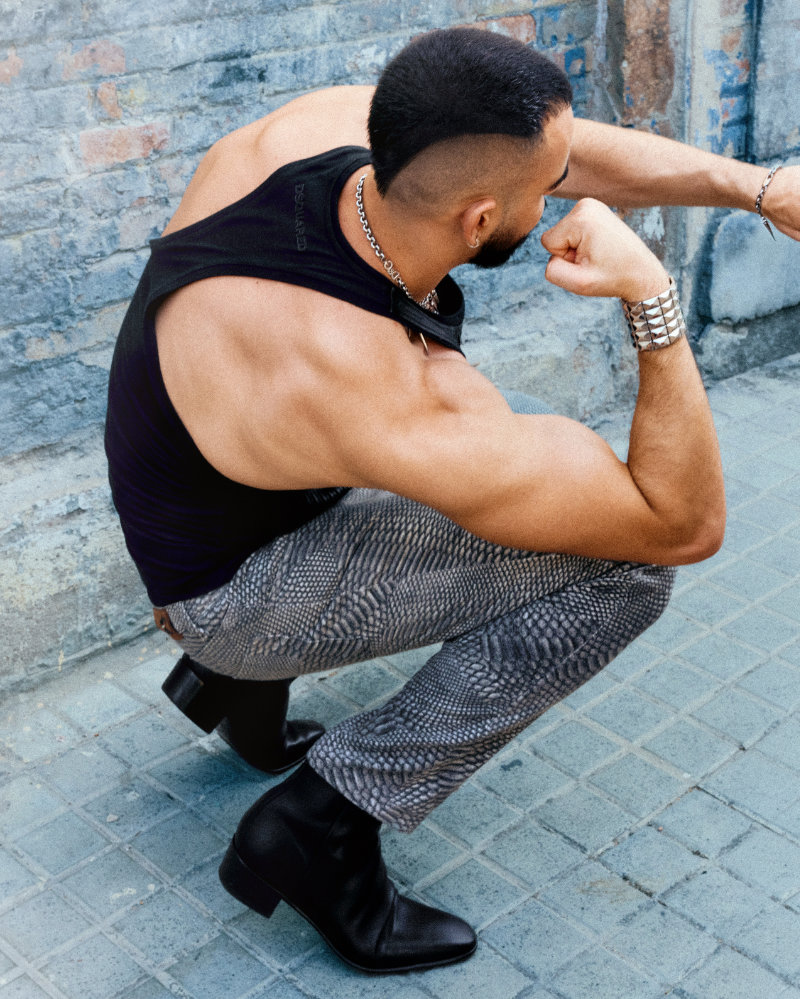
There’s a particular kind of momentum that happens when someone finds their place in a scene, and DJ ENGALANAN has been moving with that energy for a few years now. From early mixes in 2020 to sets at Boiler Room and Primavera Sound, and through clubs in New York, Berlin, and Los Angeles, the pace of it all might seem sudden from the outside. But when you hear him talk about it, what comes through is less about speed than about connection. He speaks easily about the communities he’s encountered, the friends and mentors who’ve helped along the way, and the places where he’s felt welcomed enough to keep going.
His artist name carries its own history, borrowed from her grandfather’s writing and his use of a single Spanish word to describe what beautified freedom. It’s a fitting thread for someone whose practice now reaches across curation, mentorship, fashion collaborations, and club nights that feel like gatherings more than bookings. We caught up with him to talk about the summer behind him, the new mixes on the way, and how he makes room for everything moving this fast.
Your career has evolved remarkably fast, from your first mixes in 2020 to performing at Boiler Room, Primavera Sound, and clubs across New York, Berlin, and Los Angeles. How do you make sense of this trajectory?
I feel very fortunate to have had the opportunity to perform in so many places that I deeply admire and respect. Being able to connect with communities from all over the world, discover different projects, and experience different queer narratives that reclaim spaces and create new opportunities has been incredibly meaningful to me. Everything has happened so quickly. I haven’t stopped working for a moment, and I’m also incredibly grateful for all the help and support I’ve received along the way.
Your artist name comes from your grandfather’s writings. He used the word “engalanan” to describe what beautified freedom. Can you tell us more about that?
Engalanan comes from my grandfather, who migrated from Castilla-La Mancha to Cornellà after the Spanish Civil War, like many others who came from different parts of the country. It was a migration to the outskirts of Barcelona in search of new opportunities as part of the working class. My grandfather spent several years in prison, where he learned to read and write. During that time, he wrote extensively about politics in Spain, his family context, poetry, and the present, but above all, the past. In his writings, he often spoke about longing, the landscapes he remembered from the land he came from, and everything that beautified or adorned freedom, repeatedly using the word “engalanan.” I never had the chance to meet my grandfather, but I feel fortunate to have his writings, which allow me to continue tracing new connections and contexts, learning a little more about where I come from and what continues to shape and nourish me.
You recently launched the BAREBACK collection with OnTracks. The name carries heavy cultural weight, especially within queer communities. What inspired this collaboration?
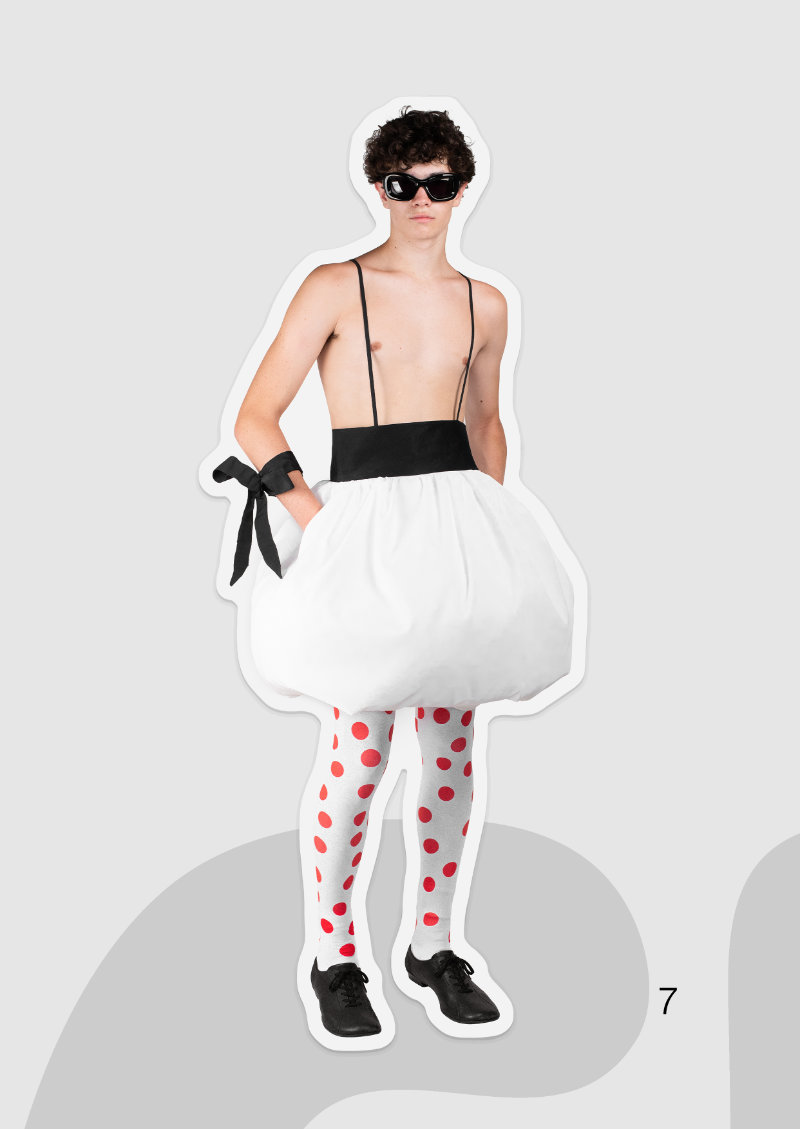
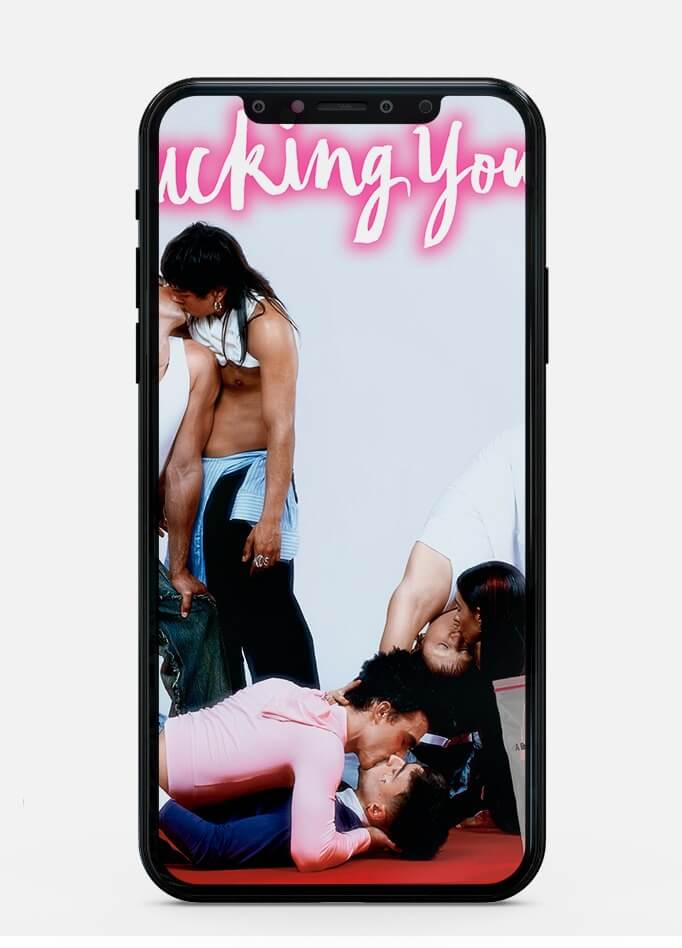
The collection is called BAREBACK, a name inspired by an essay I read which inspired me deeply, “HACIA LA CONSTRUCCIÓN DE UN PROYECTO DE AUTONOMÍA SEXUAL. El bareback como dispositivo de producción de subjetividades disidentes frente a la institucionalización del sexo marica” by Héctor Miguel Corral Estrada. In our community, “bareback” is a term loaded with history, controversy, and resistance. Beyond its literal meaning, it reflects a negotiation between risk, desire, and autonomy over our own bodies. It represents the way queer identities have historically been pathologized and policed, while also reclaiming pleasure as a radical act. Naming the collection BAREBACK is a way to acknowledge these complexities and open a conversation about the narratives that shape our experiences. Fashion, much like music and club culture, has the power to challenge, celebrate, and create space for dialogue. That’s exactly what we aim to do with this collaboration.
You’ve also joined shesaid.so as a mentor. What draws you to mentorship and community-building?
Community has always been my biggest inspiration. So much of what I do and so many of my references come from the people, spaces and communities I’ve found along the way. Especially within queer culture, community has always been a place of inspiration, resistance, creativity and belonging. Being a mentor feels like an extension of that. It’s about creating a space where we can share, learn from each other and grow together. I can bring my own experiences and knowledge, but I’m also constantly learning from the people around me. For me mentorship is not a one way relationship, it’s about exchange, connection and creating together. That’s also what sits at the heart of all my projects. Whether it’s through my curation, my mixes or the different spaces I create, I’m always interested in bringing people together, finding connections and creating a sense of community. That’s what inspires me the most.
You’ve had a busy summer so far, curating nights at Razzmatazz, playing festivals and clubs across Europe, and connecting with crowds around the world. How do you adapt your sets for summer festivals versus clubs versus intimate curated events?
In all my sets, I like to improvise and flow with the energy of the room I’m playing in. I’m constantly searching for new music, discovering and collecting tracks, and organizing them into different folders. I don’t like to overplan my sets. I prefer to listen to the room, feel the energy and play with it, building the journey as I go; it’s so much fun! Keeps me motivated and alive during the whole set.
Which city or venue from this summer’s tour stood out the most to you?
SEXTOU’s anniversary during London Pride was insane. B2B with Alirio was so good. I love the London and Sextou crowd; the energy is always beautiful.
What’s the one track you’re playing in every set this summer that just won’t get old?
Delicious – DJ Warning.
What goes into curating a lineup for a night like the one you hosted on July 31? How do you choose which artists to bring together?
I work as a music curator across many different projects, and one of my biggest priorities is always understanding the role an artist plays within their community. For me, that’s often more important than the genre they play. On July 31st, I had on lineup Andrew Makadsi, Alírio and Flirty800, all artists I’m a huge fan of, and who I see as key figures within their respective communities. Thanks to Razzmatazz and Fuego for always trusting me and supporting my vision.
How has this summer’s tour compared to your expectations going in? Any surprises, good or bad?
This summer tour has been such a beautiful experience. Being able to play at parties like POWER DANCE in Berlin, SEXTOU’s anniversary during London Pride, the MADONNA CONFESSIONS 2 release party in Madrid, SMUT in Athens, and many other special dates in Barcelona was such a dream.
You have two new mixes coming out: one for a collective in LA and another for a radio station in Hong Kong. What can listeners expect?
Expect all my summer favorites.