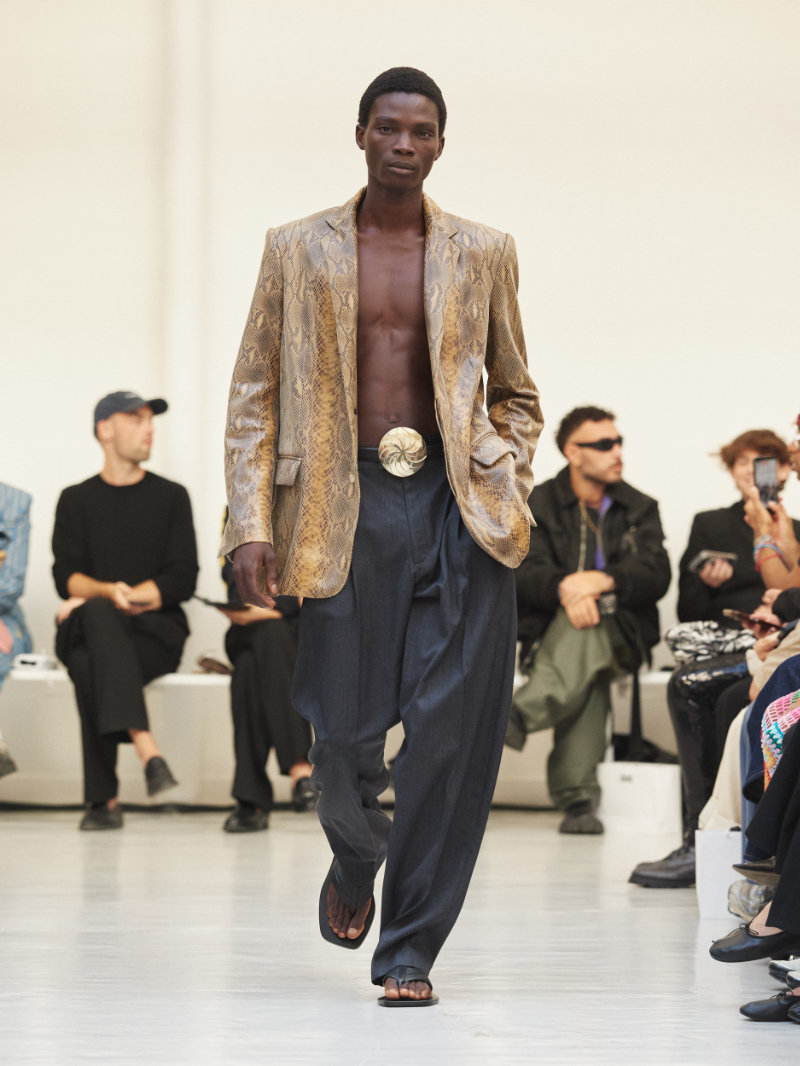
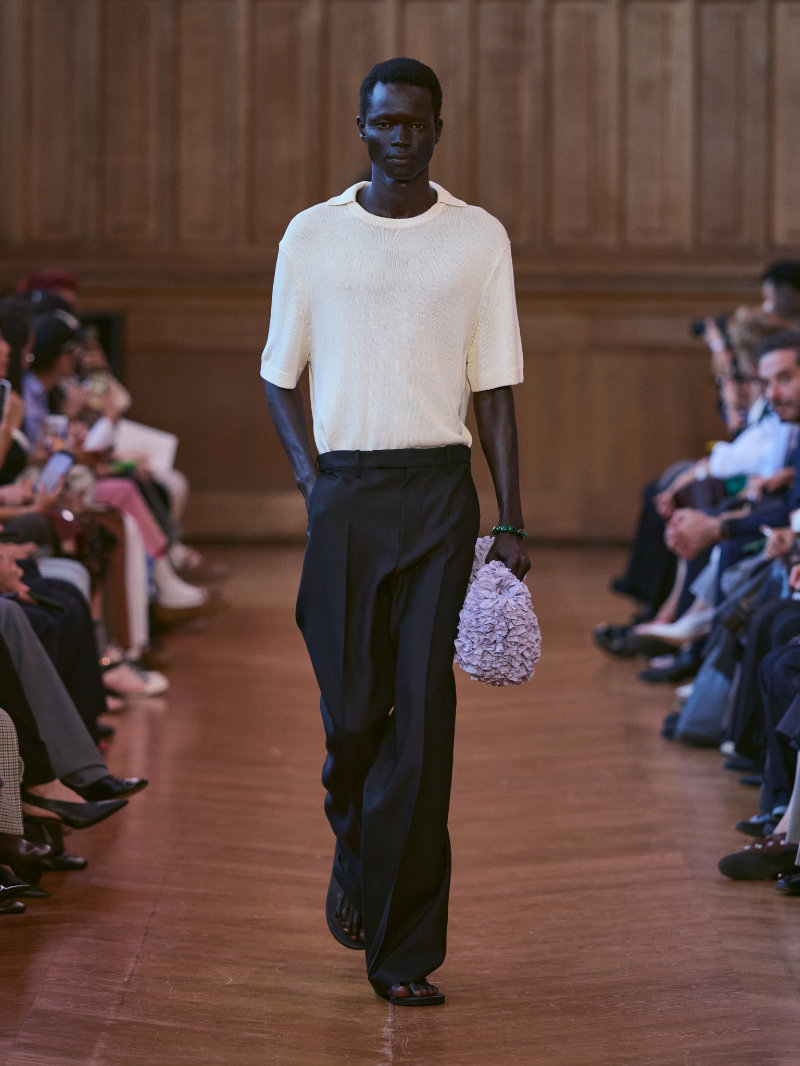
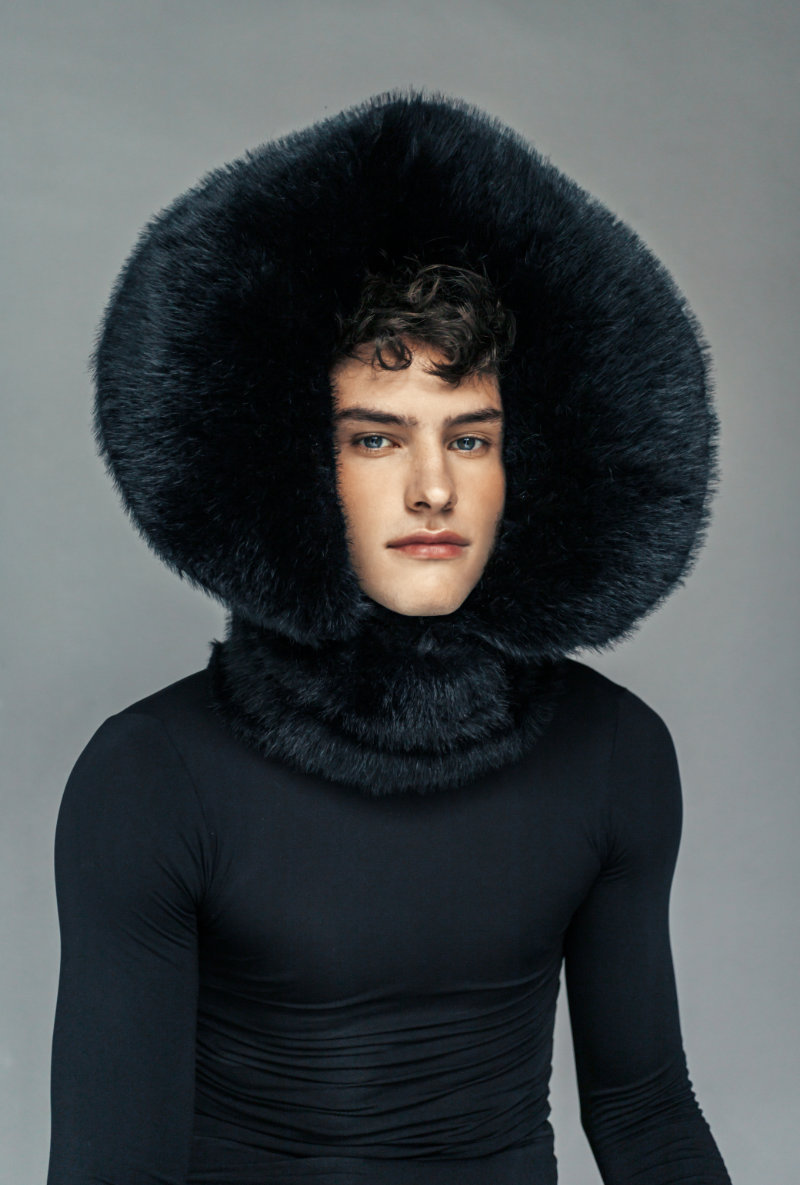
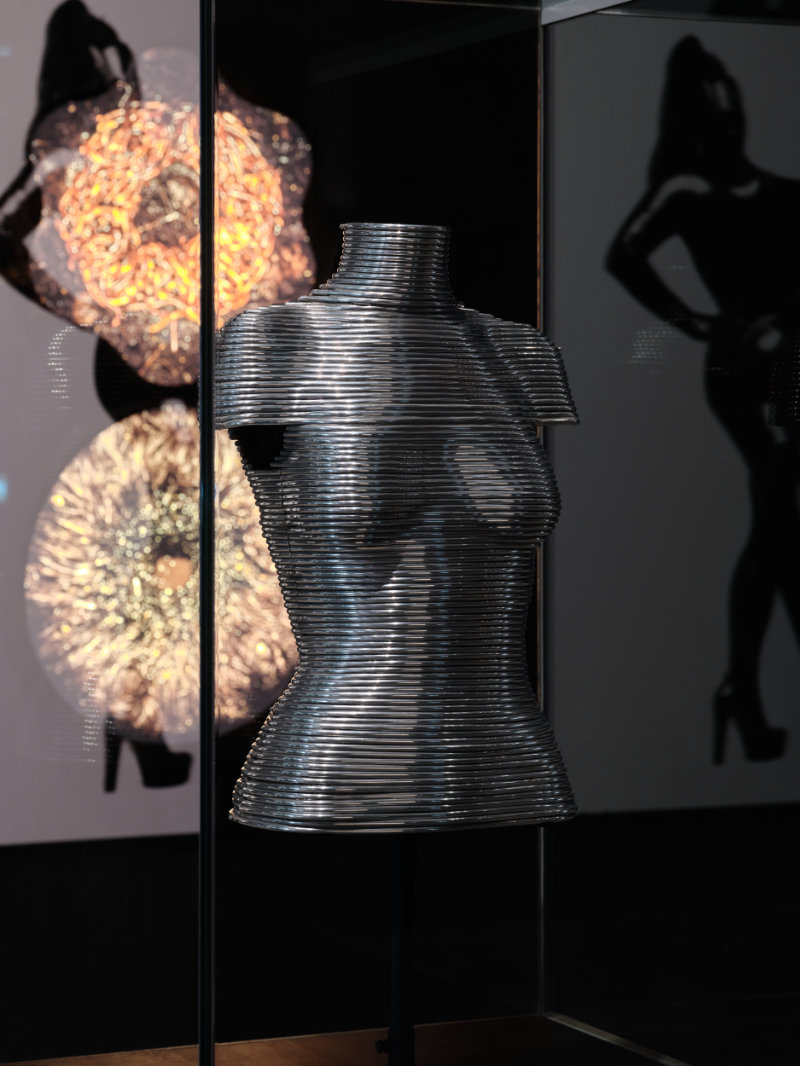
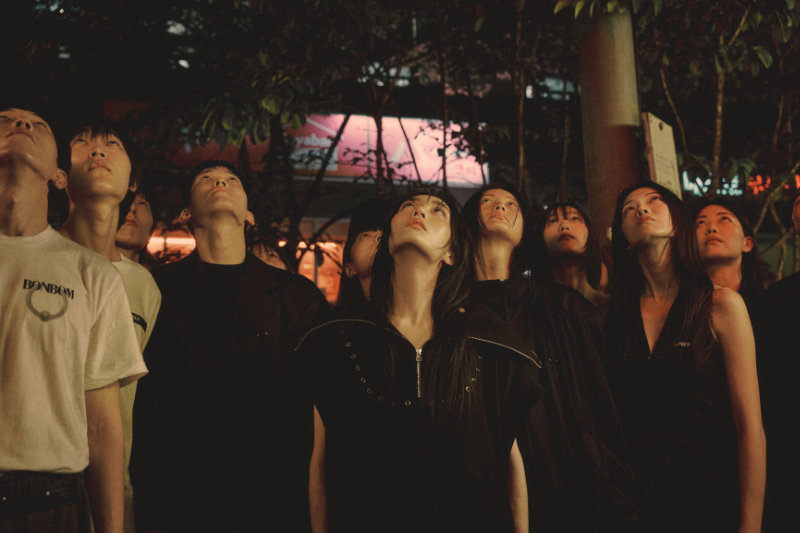
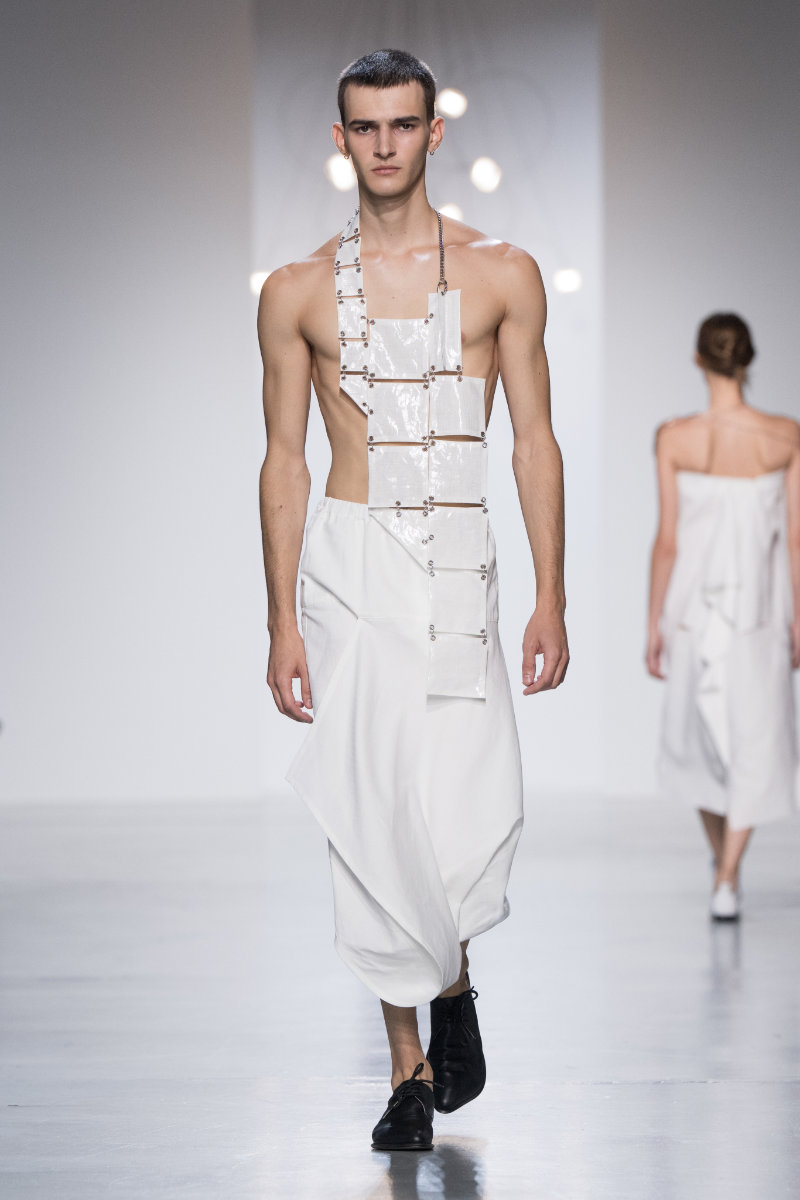
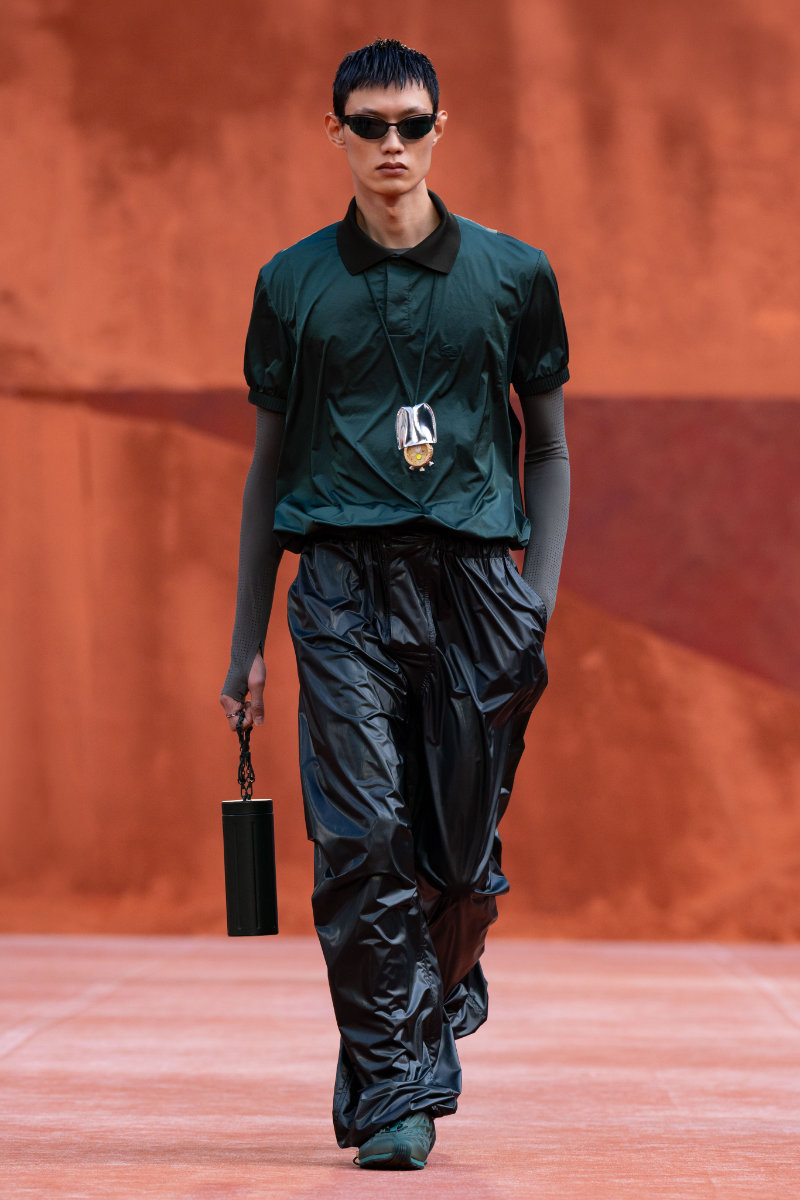
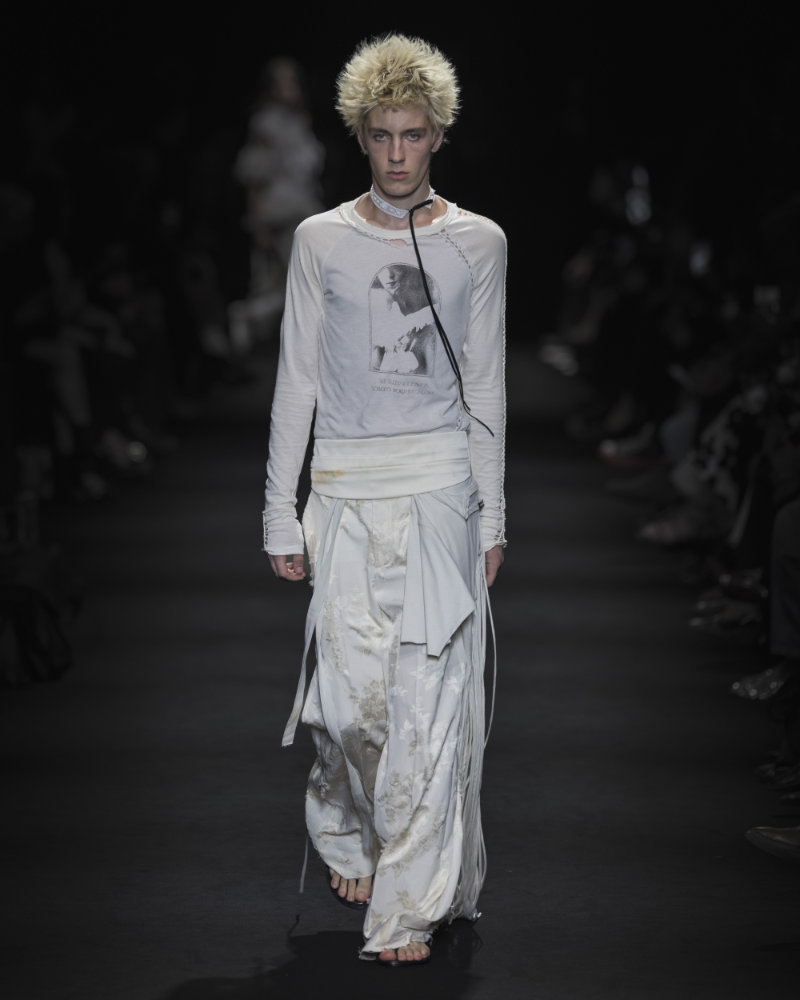
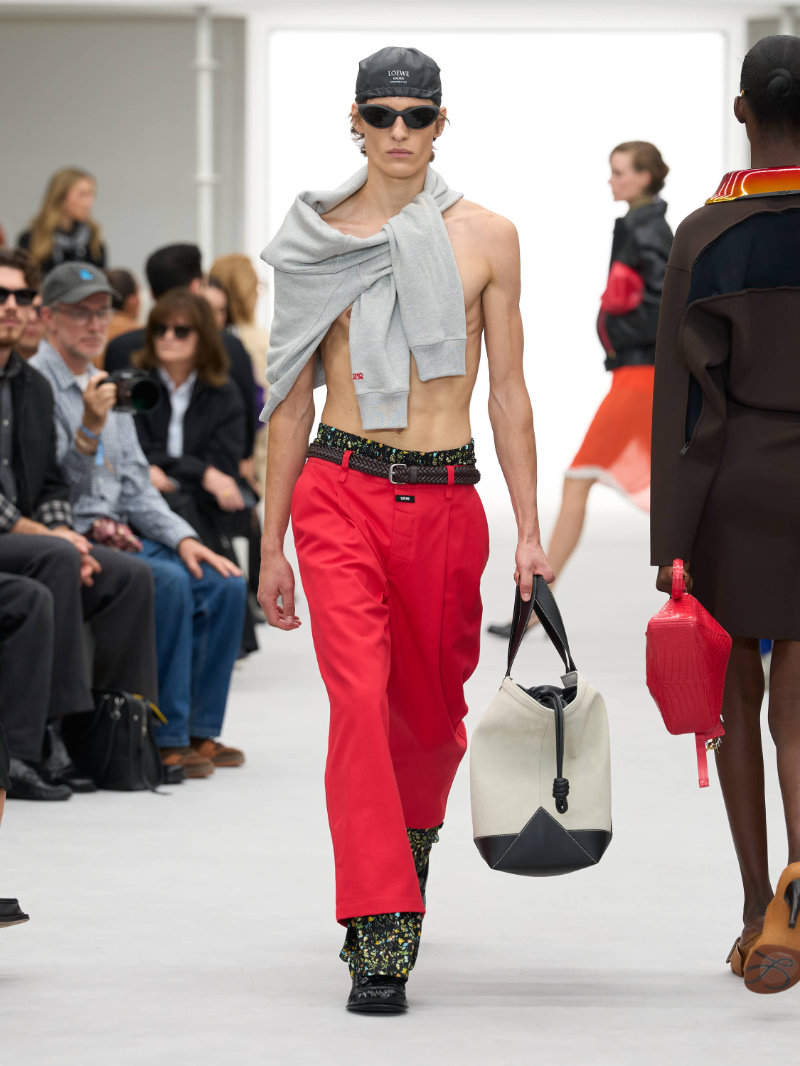
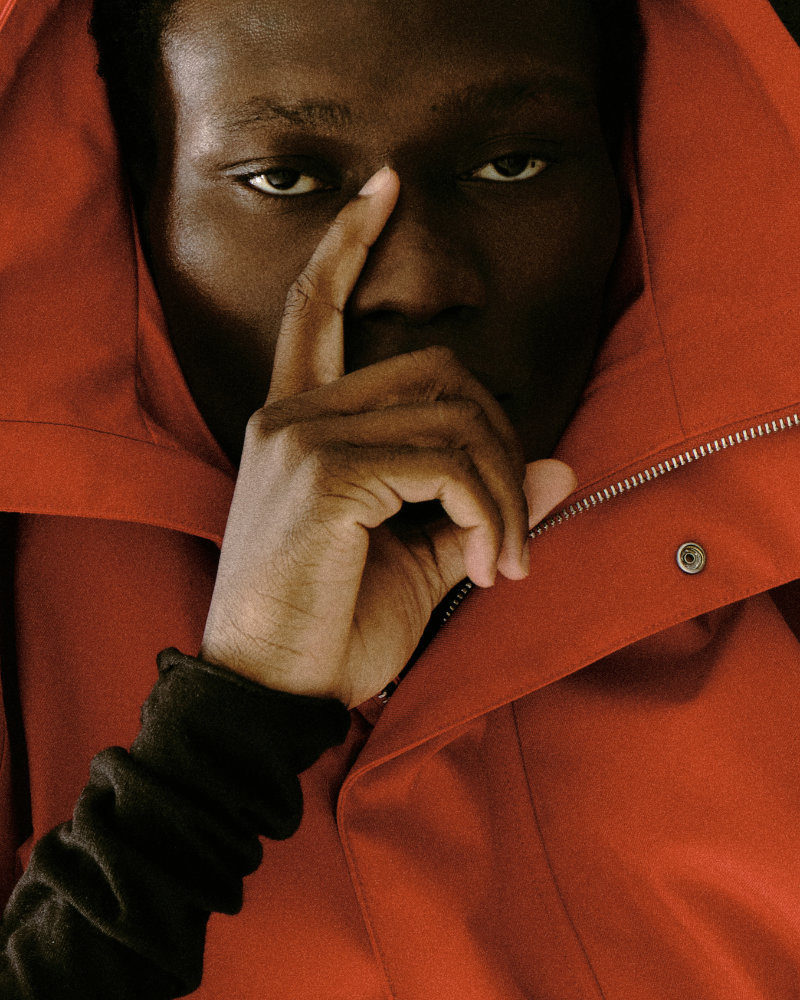
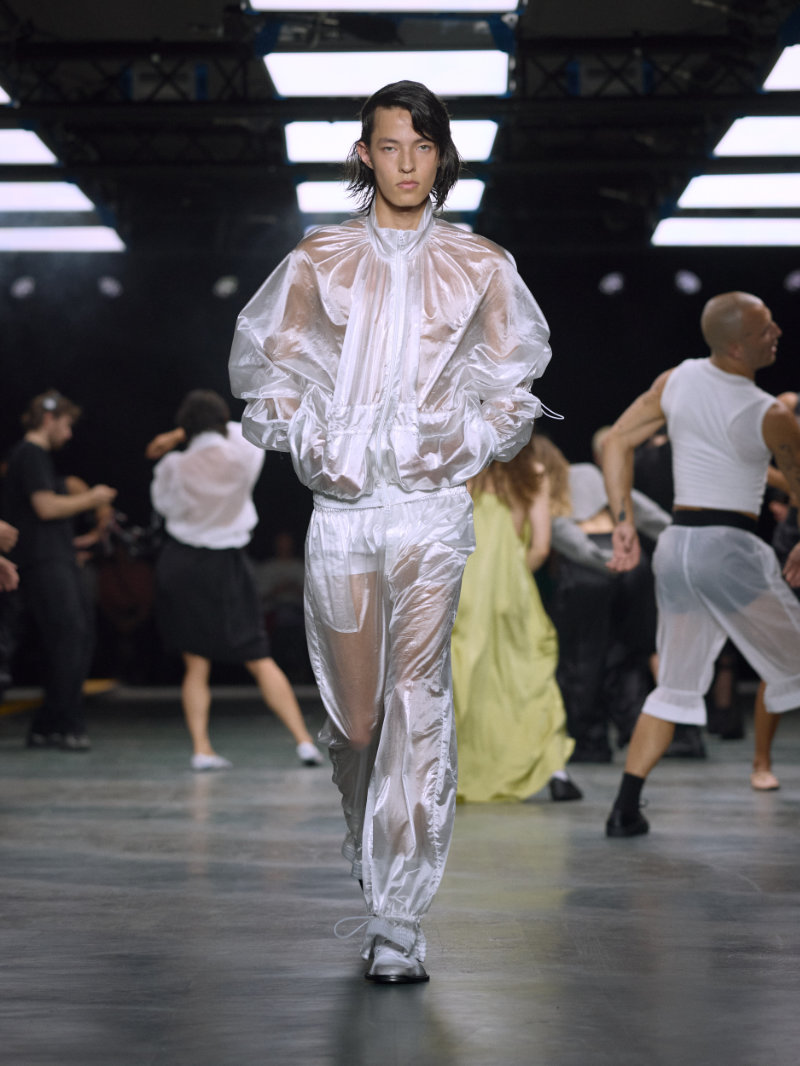
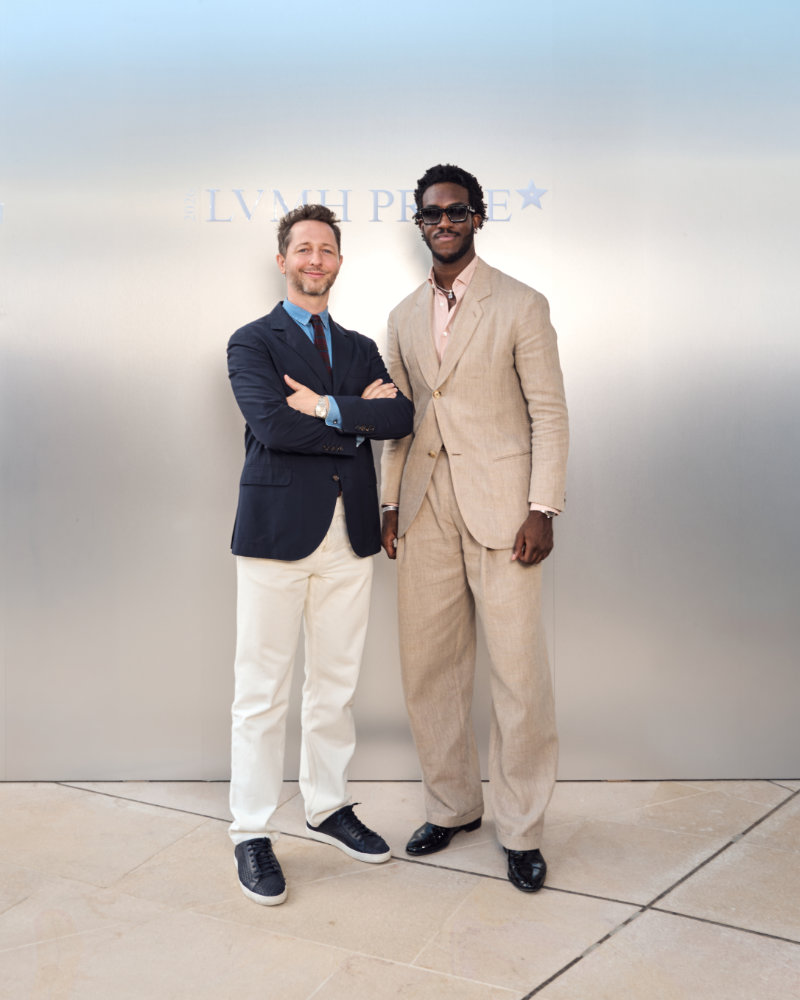
Held at the Fondation Louis Vuitton on September 4, with Wisdom and Derek taking over as the opening hosts, the 2026 edition placed craft and savoir-faire firmly within the conversation around the future of fashion, with Kenyan designer Anil Padia’s Yoshita 1967 taking home the Savoir-Faire Prize in a landmark moment for African fashion.
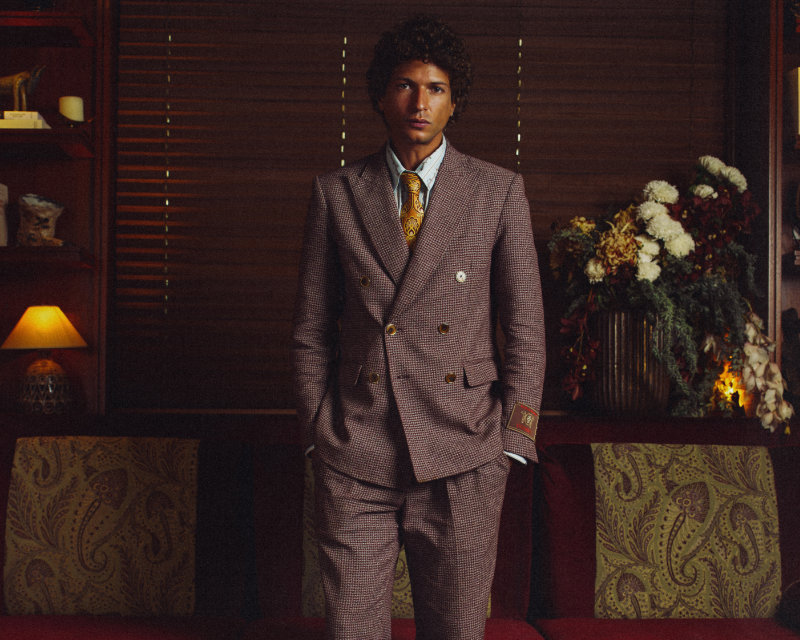
Yoshita 1967’s victory is significant on several levels. The Nairobi-based label was the first Kenyan brand to reach the LVMH Prize final, marking the first time Kenya had been represented at this stage of the competition placing renewed emphasis on craftsmanship. Founded by Anil Padia, Yoshita 1967 is an artisan and community-led fashion project that places handiwork at the heart of its practice. Many of Padia’s knitwear pieces are also designed to be unisex, moving beyond conventional boundaries of dress and identity.
The Savoir-Faire Prize, which was awarded to Padia by actress Urassaya Sperbund, comes with a €200,000 endowment and a year of mentorship from LVMH experts. Yoshita 1967 will also receive support from LVMH Métiers d’Excellence through a collaboration with Maison Vermont, the Group’s embroidery specialist, which will provide €50,000 worth of embellishments for the brand’s upcoming collection.
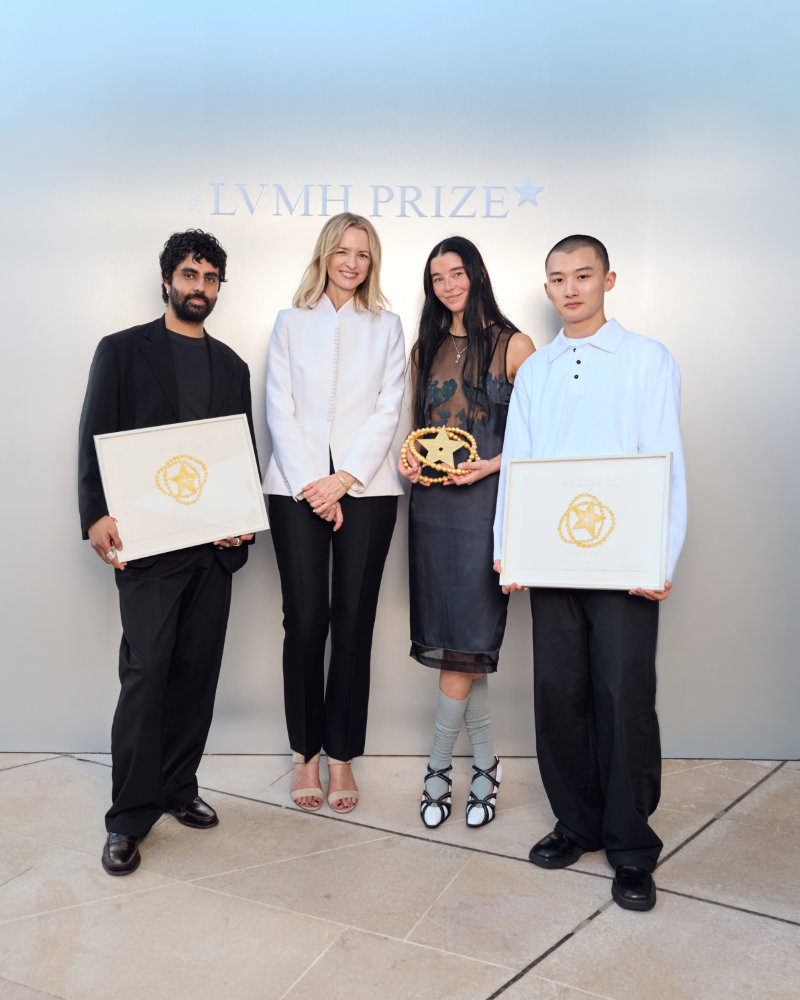
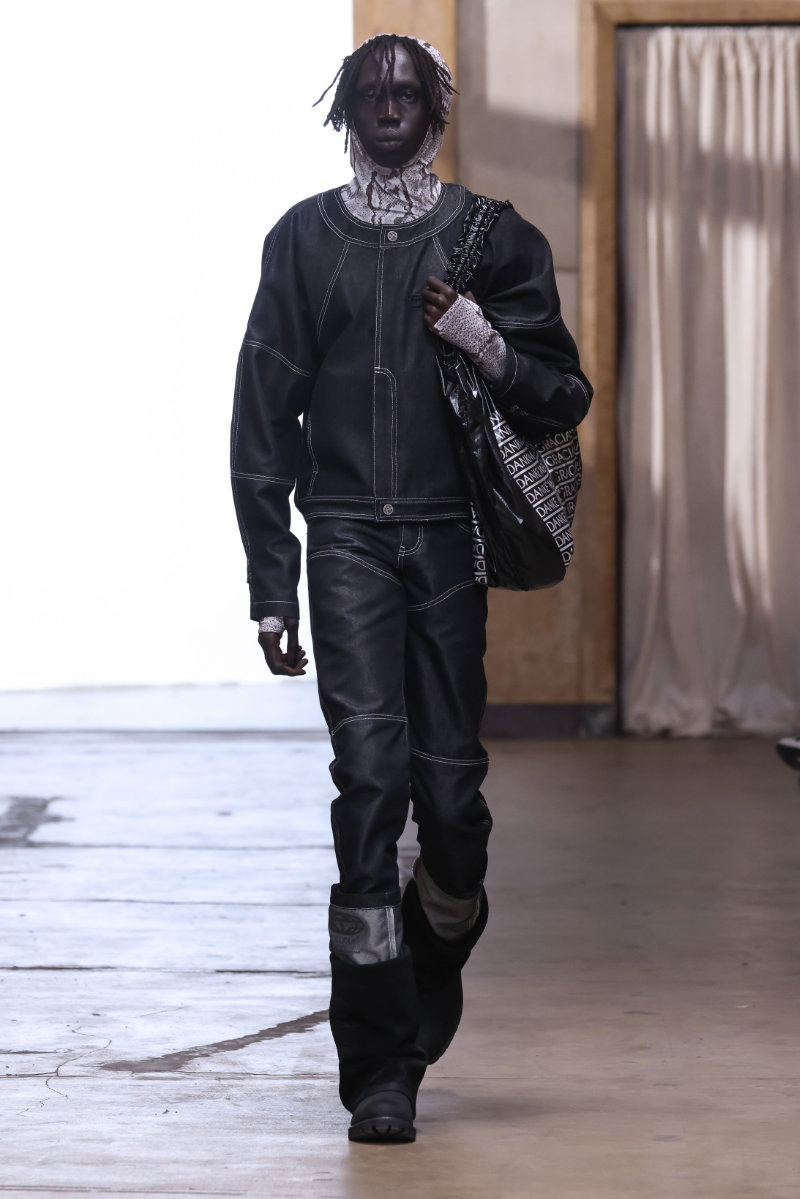
As Delphine Arnault, Chairman and CEO of Christian Dior Couture, said following the ceremony: “This year, the LVMH Prize was awarded to Julie Kegels for her multi-faceted, contemporary wardrobe that champions individuality. The Karl Lagerfeld Prize, meanwhile, was awarded to Lii, whose designs seamlessly blend sportswear with couture influences. The Savoir-Faire Prize went to Yoshita 1967 for his artisan- and community-led fashion project that champions handiwork.”
That emphasis on handiwork is perhaps the most compelling thread running through this year’s results. Craft is no longer being positioned simply as a heritage technique or decorative flourish, but as a living creative language. For Yoshita 1967, the process of making is inseparable from the people behind it. The brand’s practice is rooted in craft and community, connecting different cultural histories while creating opportunities for the people involved.
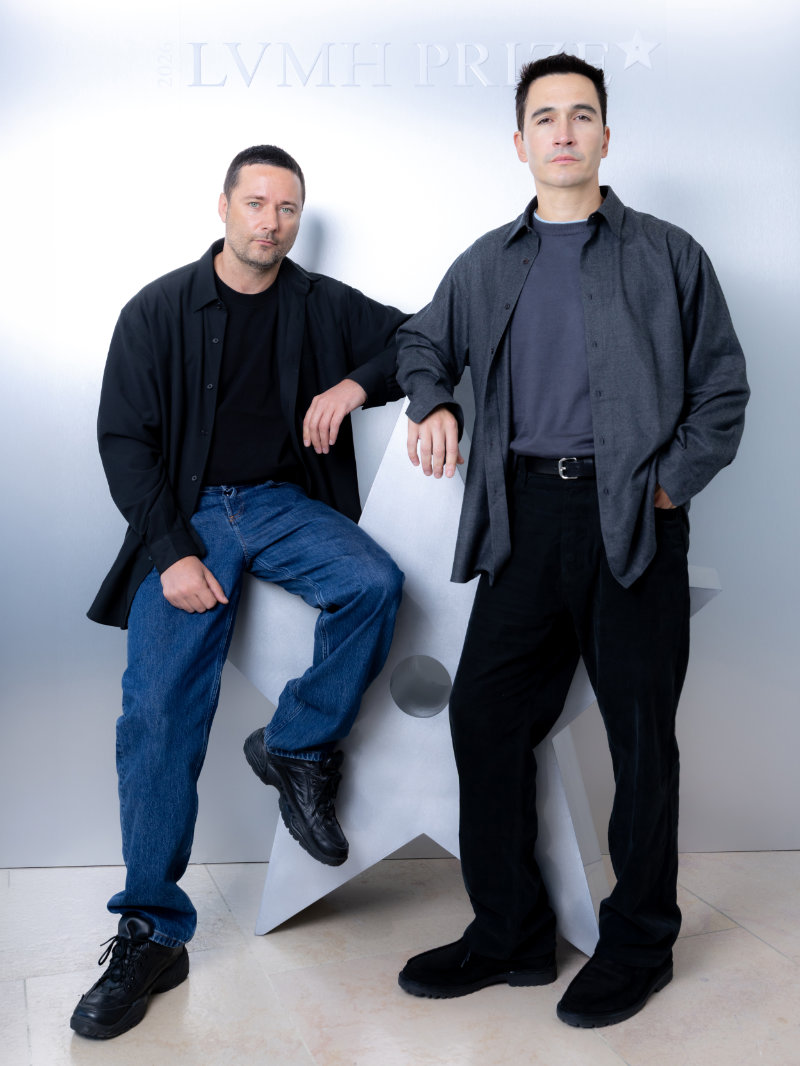
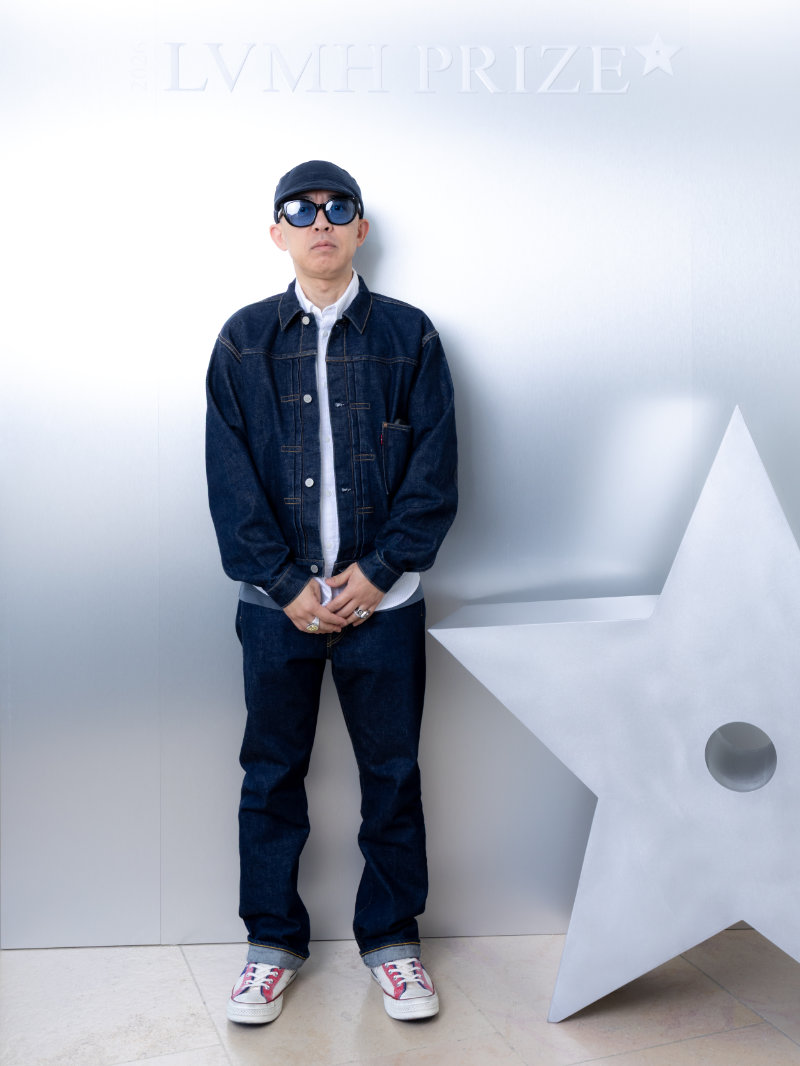
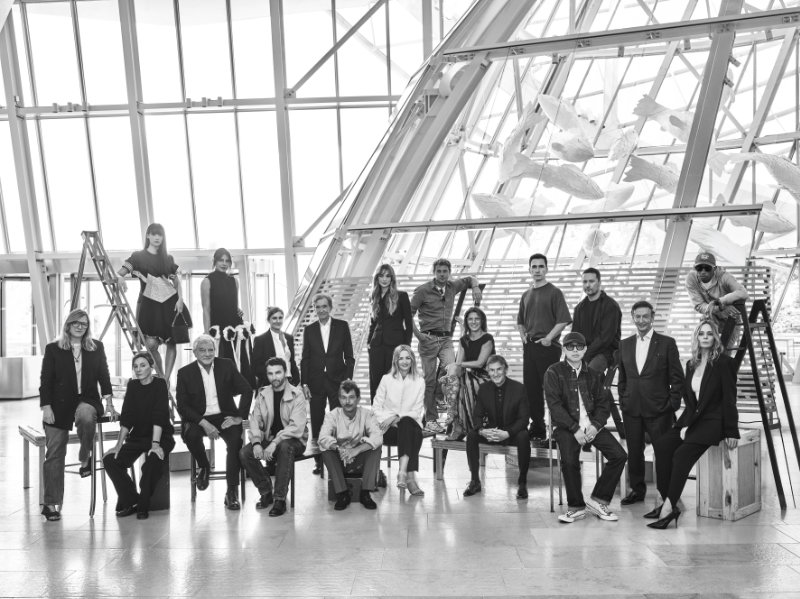
The jury deciding which approaches would define the next generation was itself a who’s who of contemporary fashion. Jonathan Anderson, Sarah Burton, Maria Grazia Chiuri, Nicolas Ghesquière, Jack McCollough and Lazaro Hernandez, Stella McCartney, Camille Miceli, Nigo, Phoebe Philo, Michael Rider and Pharrell Williams were joined by Delphine Arnault, Pietro Beccari, Jean-Paul Claverie and Sidney Toledano. Actress Urassaya Sperbund also participated as a special jury member.

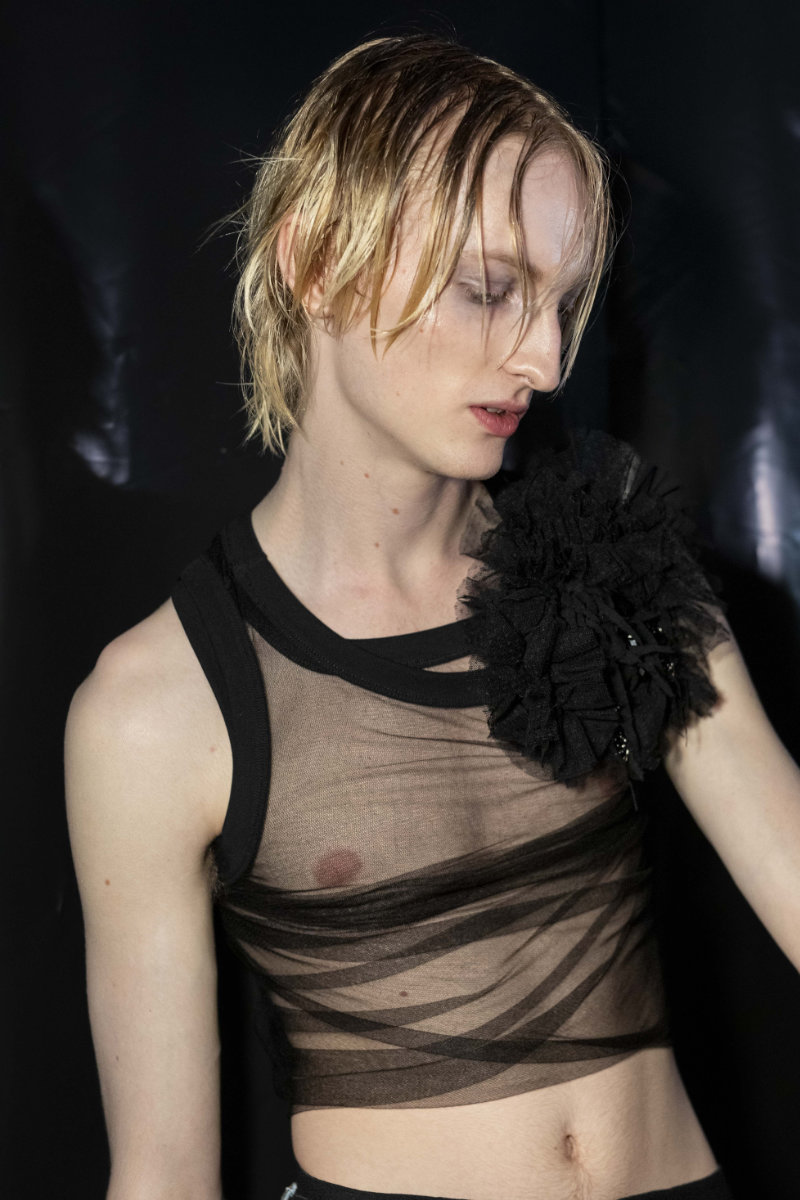
Alongside Padia, Belgian designer Julie Kegels received the main LVMH Prize for her multi-faceted contemporary wardrobe and celebration of individuality. At 27, Kegels receives a €400,000 endowment and a year of mentorship from LVMH experts. Chinese designer Zane Li, founder of Lii, was awarded the Karl Lagerfeld Prize for a practice that brings sportswear and couture into conversation, receiving €200,000 and a year of LVMH mentorship.
It stood out to us that Yoshita 1967 gives this edition its most powerful statement about where fashion might be heading. In an industry where technology and acceleration increasingly dominate the conversation, Padia’s recognition makes a case for the opposite looking instead at the value of the hand. His win also expands the geographical map of the Prize, bringing Kenya into its final for the first time and placing an artisan-led African practice at the center of one of fashion’s most influential platforms.
The wider Prize continues this investment in making. All three winners receive dedicated mentorship and allowances from Nona Source, LVMH’s platform for upcycling deadstock materials from its Fashion and Leather Goods houses. Kegels receives a €20,000 fabric allowance, while Lii and Yoshita 1967 each receive €10,000.