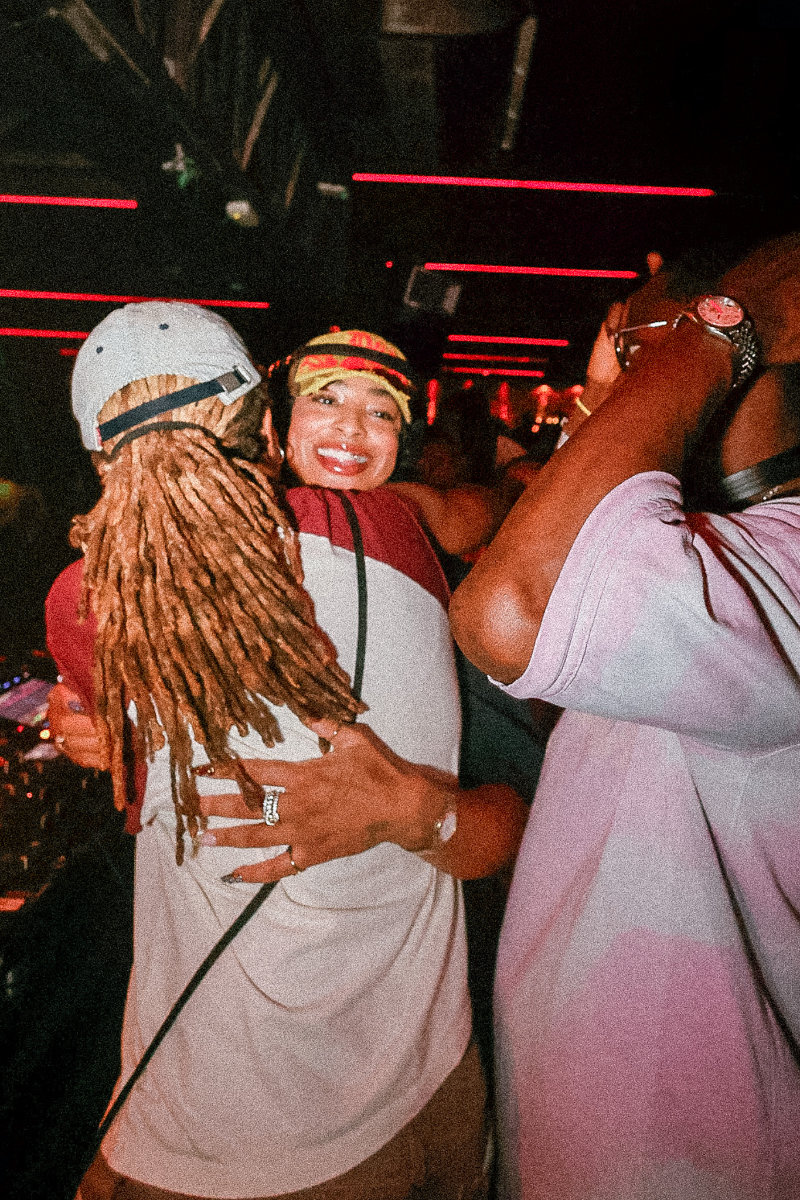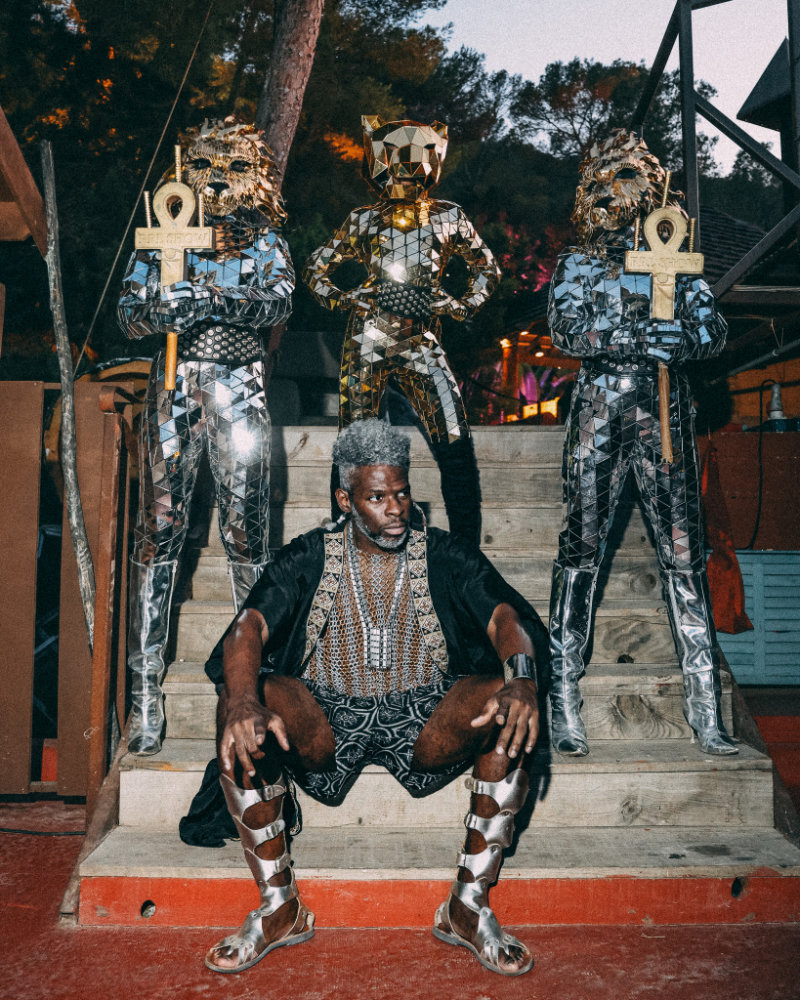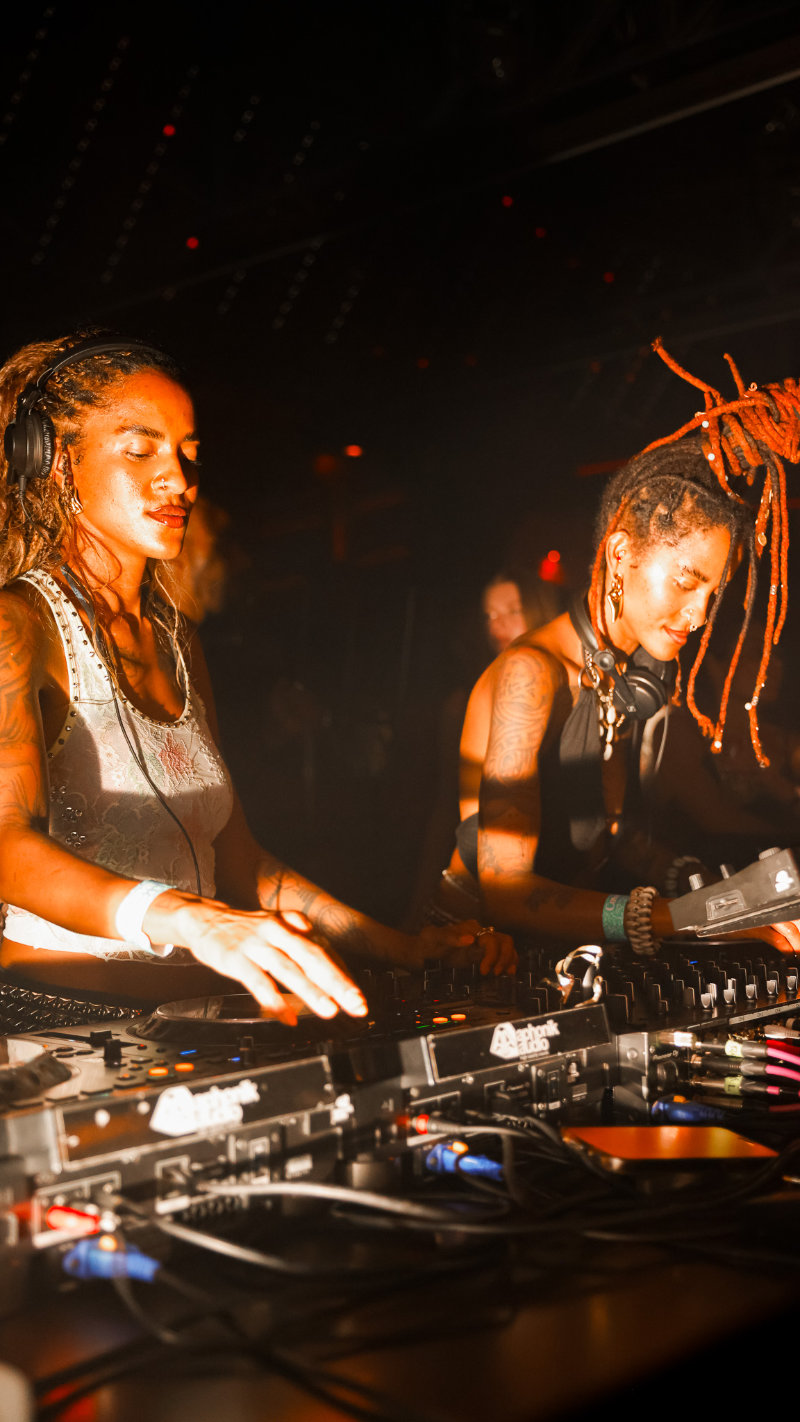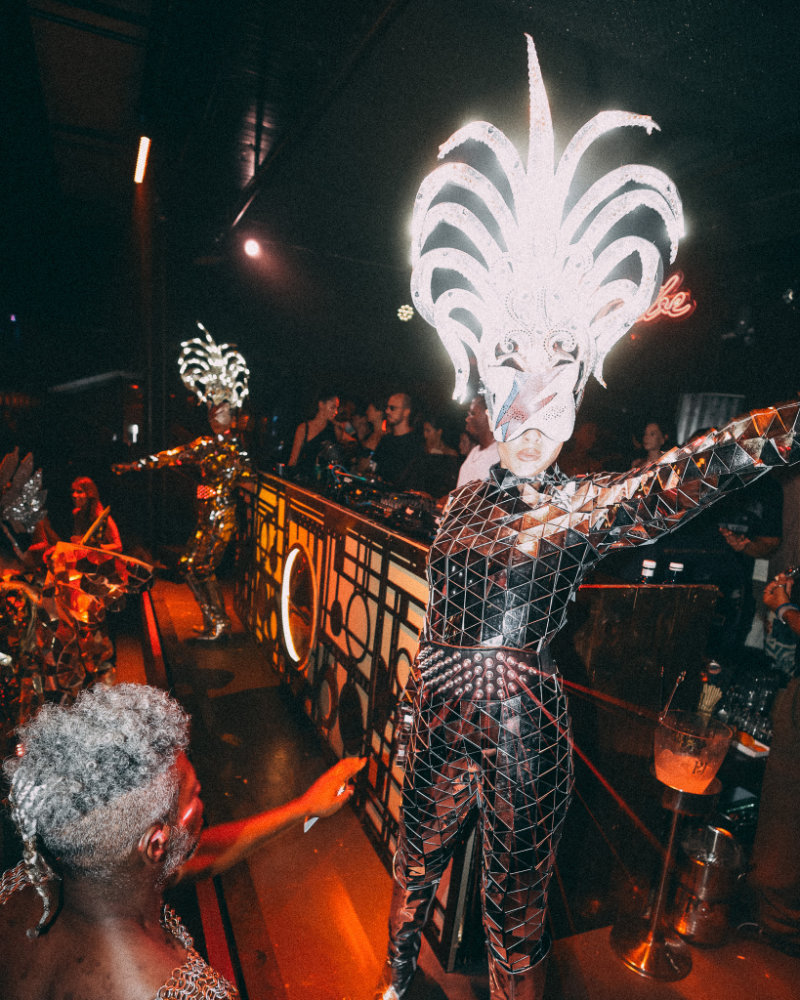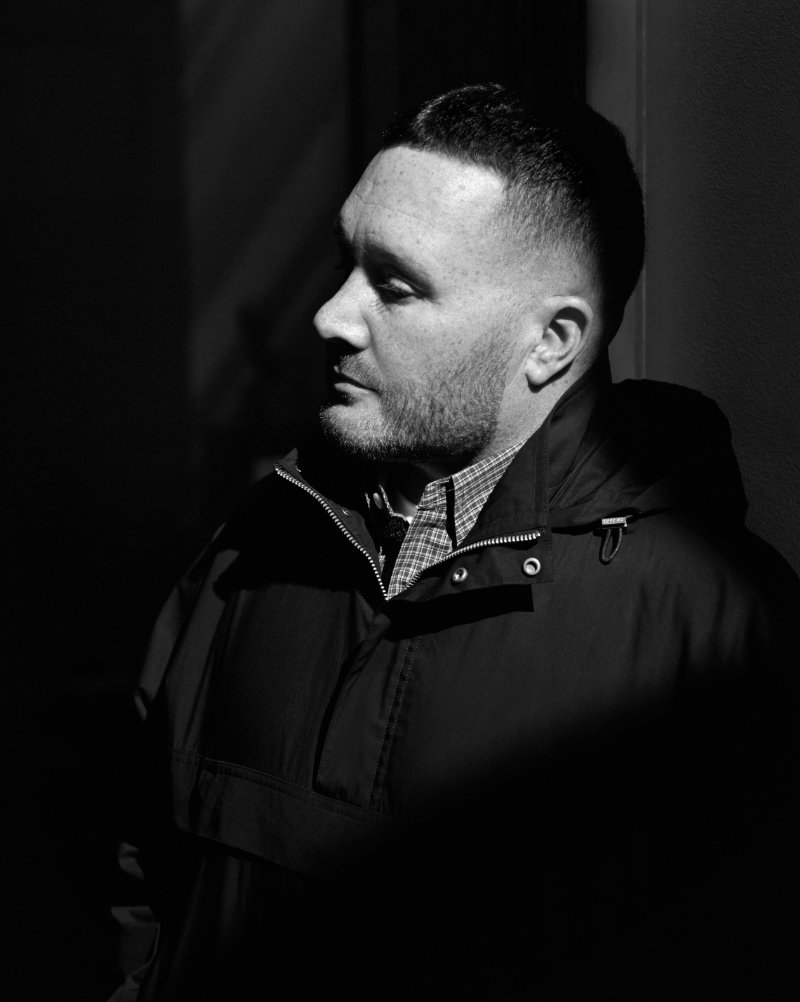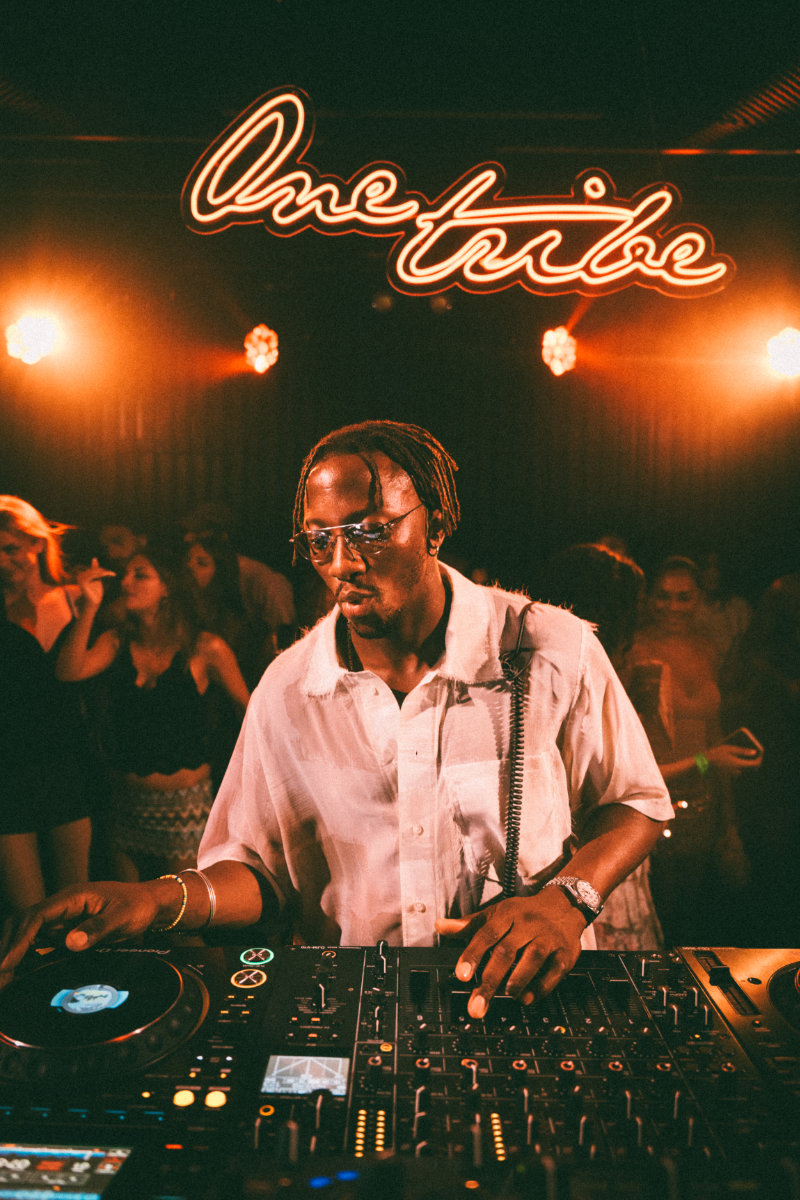
The morning after launching his One Tribe residency at Cova Santa in Ibiza, Hubert Sodogandji, better known as AMÉMÉ, is remarkably composed. Less than twelve hours earlier, he’d been behind the decks guiding a packed dancefloor through a musical journey spanning Afro House, hip-hop, dancehall, and unexpected edits. It’s a fitting introduction to an artist who has never been interested in being confined to a single genre.
Born in Benin and now travelling the world, AMÉMÉ has become one of the leading figures helping Afro House reach a global audience. Despite international recognition and early support from Black Coffee, his focus has remained on pushing the genre forward while staying connected to its roots. That philosophy is at the heart of One Tribe, the community-driven movement he launched in Brooklyn in 2017, which has since expanded through showcases in Amsterdam, Berlin, London and New York.
This summer, One Tribe reached another milestone with its first dedicated Ibiza home, a five-week residency at Cova Santa featuring artists including LP Giobbi, Honeyluv, Kitty Amor and Coco & Breezy. As the residency comes to a close, AMÉMÉ is also releasing “Chulo” via Altra Moda Music, a Latin-fuelled track that has been a fixture of his sets for months and one of the most requested moments of his summer shows. We spoke to AMÉMÉ after One Tribe’s opening night about growing up in Benin, moving to New York to study medicine, finding his way into DJing, Black Coffee, community, fashion and why Afro House should never stop evolving.
Listen to Chulo HERE while you read our conversation for the full experience!
Growing up in Benin, music wasn’t just entertainment; it was part of everyday life. How much did that environment shape the artist you’ve become today?
It shaped everything. Music has always been part of life in Benin. Whether it’s a wedding, a funeral, or a traditional ceremony, there’s always music. Rhythm is part of everyday life and how people celebrate, communicate, and come together.
You don’t realize how unique that is until you leave. A few months ago I took some close friends from New York to Benin. I’ve known them for almost fifteen years, and watching them experience the country was really special. Suddenly they understood what I’d been trying to explain all these years. They realized that music isn’t something separate from life; it’s woven into it. That connection to rhythm and community has stayed with me throughout everything I’ve done.
Watching you play last night, your set moved between Afro House, hip-hop, dancehall, amapiano, and even a Sister Nancy sample. It felt like you’ve created your own musical language.
I’ve never wanted to be defined by one sound. I’ve always listened to everything. Maybe it comes from where I grew up or because I’ve lived in so many different places, but I never understood why music had to exist inside boxes.
I love surprising people. I don’t want audiences to know exactly what’s coming next. If a hip-hop record creates the right emotion after an Afro House track, I’ll play it. If a dancehall sample makes sense in that moment, I’ll use it. For me, DJing is about creating a journey rather than playing a playlist.
Music wasn’t always the plan. You originally moved to New York to study medicine.
Exactly. I was seventeen when I moved to New York and spent two years studying pre-med because I thought that was going to be my future. But if I’m honest, I was going out more than I was studying. Eventually I had to admit that medicine wasn’t where my passion was. That wasn’t an easy conversation because my mum has always believed in education and had sacrificed a lot to help me get there.
Why New York instead of France?
In Benin, most people choose between France and the United States after high school because Benin is a French-speaking country. For me, hip-hop had already become such a huge part of my life. My brother and I had a rap group together for years. We’d write songs, perform at school and spend all our time making music. We listened to French rap, American rap, artists like DMX, Sisqó and Dru Hill. We absorbed everything. I’ve always been curious. Whatever I do, I become completely invested. If I love something, I want to understand it and become better at it.
How did DJing enter the picture?
When my brother and I were rapping, somebody else always produced the beats. I became fascinated by that side of music. When I moved to New York, I’d spend hours after school inside electronics stores where they had DJ equipment set up for customers.
Every day I’d go there and teach myself. I’d spend hours experimenting, making mistakes and figuring things out. After a few months, I realized every free moment I had was spent behind the decks. That’s when I knew this was becoming something much bigger than a hobby.
Was there a particular moment that changed everything for you?
My brother introduced me to electronic music. He’d gone to France before me and one summer came home with a collection of electronic music CDs. When he left, he accidentally forgot two of them. Around that same period, we’d lost our father, and those records became an escape. I’d wake up every morning and listen to them over and over.
When I eventually moved to New York, I’d spend hours inside Virgin Megastore digging through CDs. Back then, you had to search for music. You couldn’t just open YouTube and discover everything in seconds. Every new record felt like a discovery. I think I’ve carried that mentality with me ever since. I’m always searching.
Your breakthrough eventually came through Black Coffee, but before that there were years of quietly building your career.
At the beginning, I’d play absolutely anywhere: friends’ apartments, restaurants, after-parties. Someone would hear me and invite me somewhere else. At the time I was also working in banking, so DJing remained something I genuinely loved rather than something I depended on financially. New York was amazing because everyone mixed together. You never knew who was listening.
Then you lost your banking job.
That completely changed my life. I was twenty-seven. I called my mum and told her, “I’ve done everything you asked me to do. Now I want to try something for myself.”
She simply said, “I’m with you.”
That support gave me the confidence to finally commit to music completely.
Was Black Coffee someone you looked up to before you met him?
Absolutely. For me, it wasn’t about copying him; it was about representation. Seeing someone from Africa reach that level internationally made me realize it was possible. Sometimes all you need is somebody showing you that it can be done before you start believing it yourself.
You also spent months sending music to labels and getting no response.
Nobody replied (laughs). Eventually I realized I was waiting for somebody else to validate me. So I created my own label. Sometimes you have to stop waiting for permission and build your own platform.
That philosophy eventually became One Tribe.
One Tribe exists because I wanted to create the kind of community I wished had existed when I was starting. Back then, Afro House wasn’t where it is today. People would tell me there were too many drums. Promoters didn’t always know where the music belonged. Instead of waiting for someone else to create space for us, I decided to create it myself. One Tribe was never supposed to be just another party. It’s about bringing together people who genuinely love music.
Watching the opening night at Cova Santa, it really felt like a community rather than simply a residency.
That’s the goal. When I invite artists, I’m not just thinking about how famous they are. I’m thinking about their energy. I want people who enjoy sharing the stage and genuinely want to contribute something. Whenever I discover an artist I believe in, I try to help. I remember what it felt like when nobody knew my name. Community isn’t a marketing word for me. It’s how I built my career.
Afro House has become one of electronic music’s fastest-growing genres, but you seem more interested in where it goes next than where it is now.
I love Afro House, but I don’t think any genre should stand still. Music has to evolve. That’s why my sets move in different directions. One night I’ll play something very deep; the next I’ll bring in hip-hop, house, amapiano, or something completely unexpected. I’m always stretching the sound. For me, evolution doesn’t mean abandoning your roots. It means respecting where the music comes from while allowing it to grow. If we stop evolving, the music stops evolving too.
Fashion has also become an important part of your creative world.
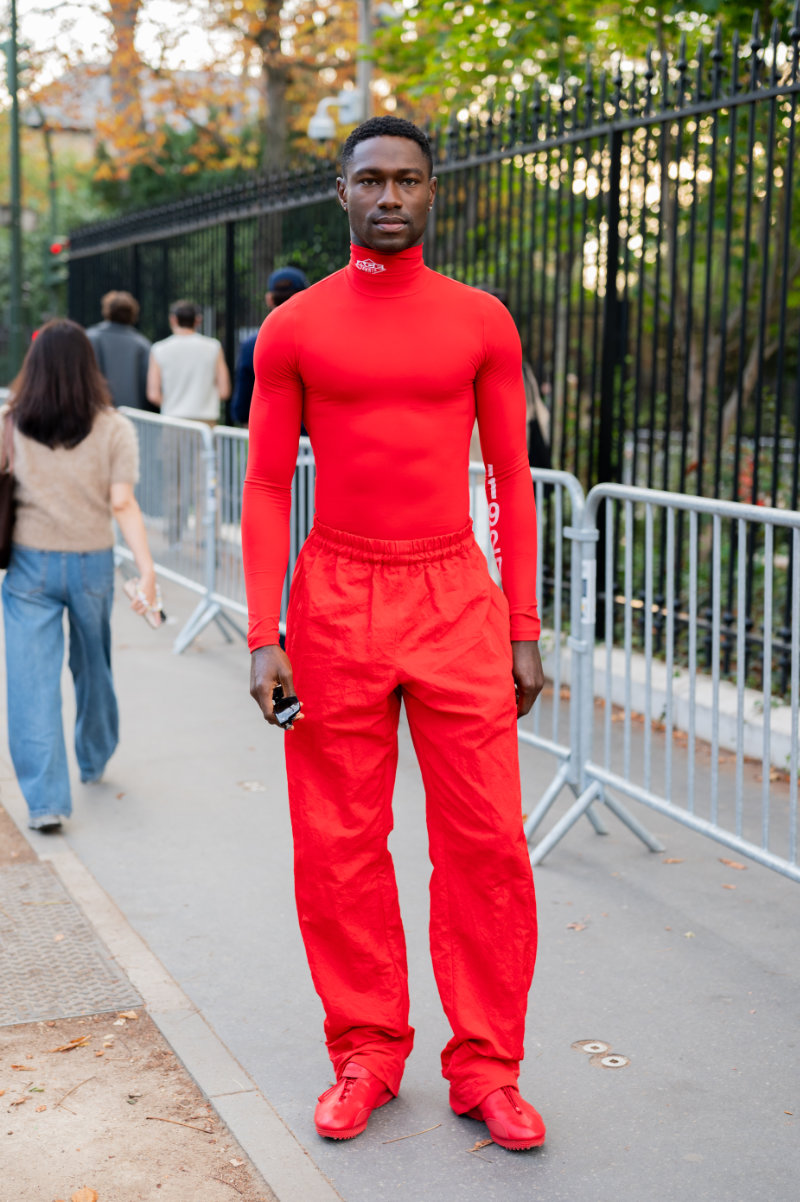
It has, but very naturally. I’m always looking for pieces that feel personal rather than simply following trends. Comfort has become really important because I’m travelling all the time. Sometimes I only have twenty minutes to pack before flying somewhere else. Everything has to work. I also don’t like wearing huge logos everywhere. I’d rather find something that feels authentic.
You’ve started designing your own pieces as well.
That happened organically. People around me kept asking why I wasn’t creating clothing that reflected my own identity. Eventually I realized they were right. The nice thing is that it became a family project. My designer helps turn my ideas into reality, but my mum is deeply involved and my sister is too. It’s something we build together. We’re not trying to create another fashion brand just for the sake of it. We’re making pieces that genuinely represent me and the world around One Tribe. We’ll only produce them in very limited quantities because I’d rather create something meaningful than something that’s everywhere.
Looking at everything you’ve built, from your music to One Tribe and now fashion, it feels like you’re creating an entire creative universe rather than simply a career.
That’s exactly how I see it. Everything connects: music, fashion, community, family. They’re all different ways of telling the same story. If people leave one of my shows feeling like they’ve discovered something new, met someone new, or become part of something bigger than themselves, then I’ve done my job. That’s what One Tribe has always been about.