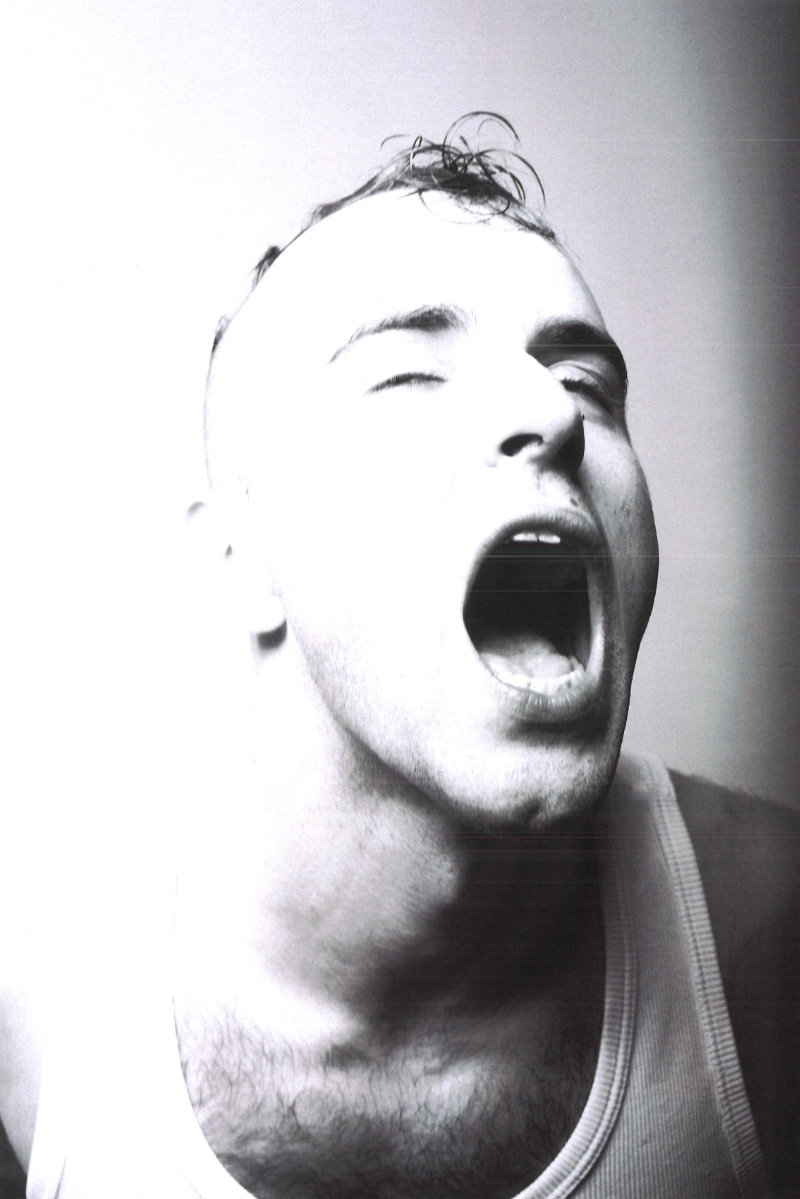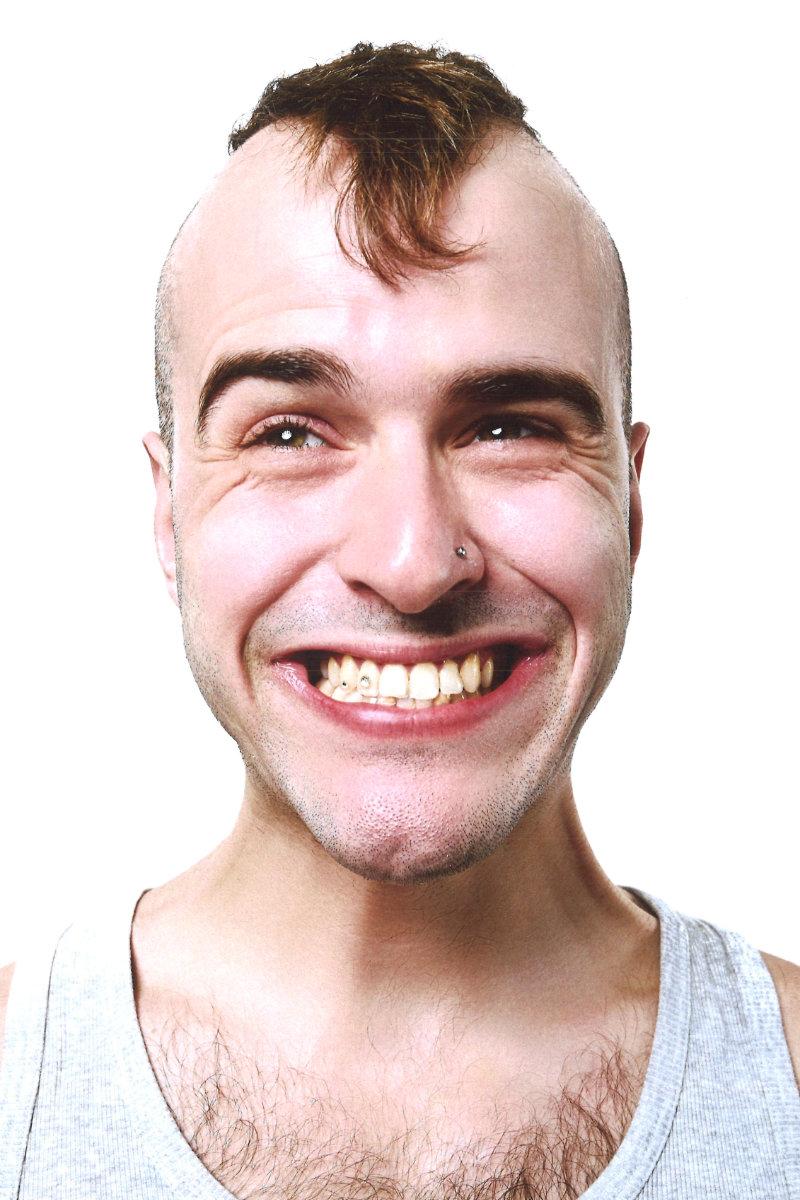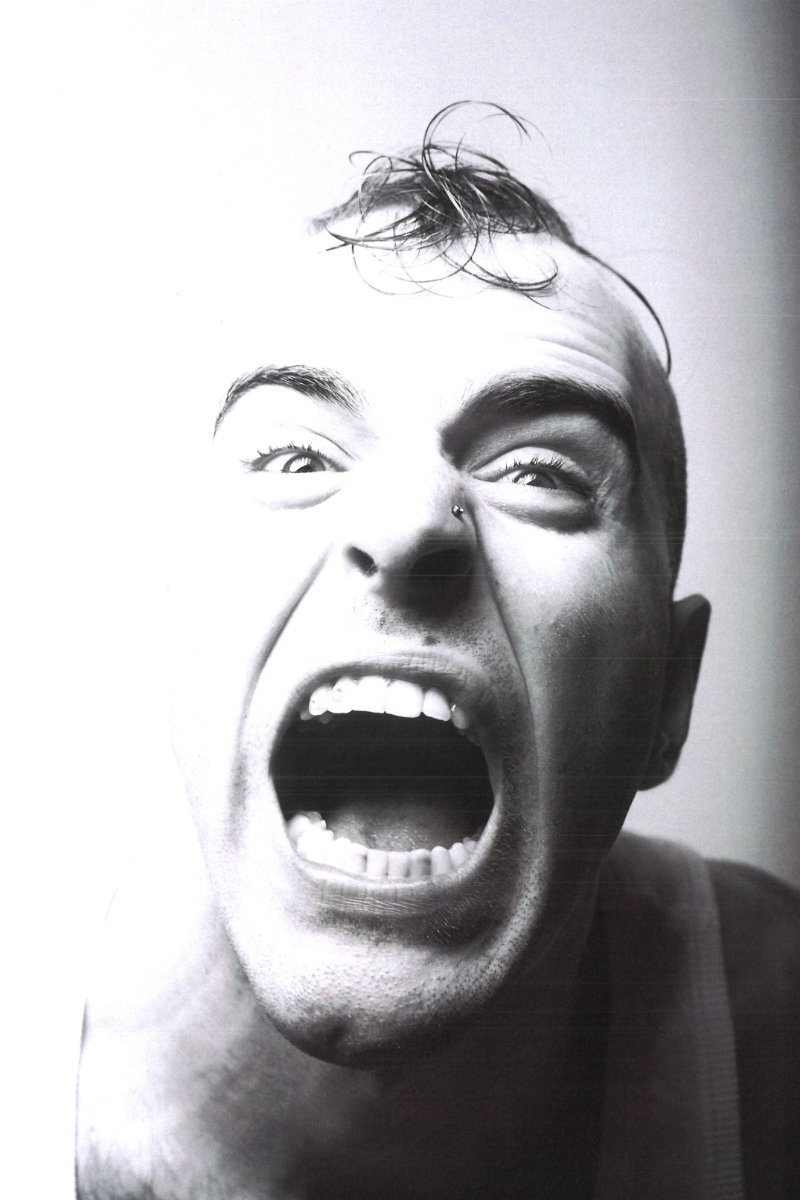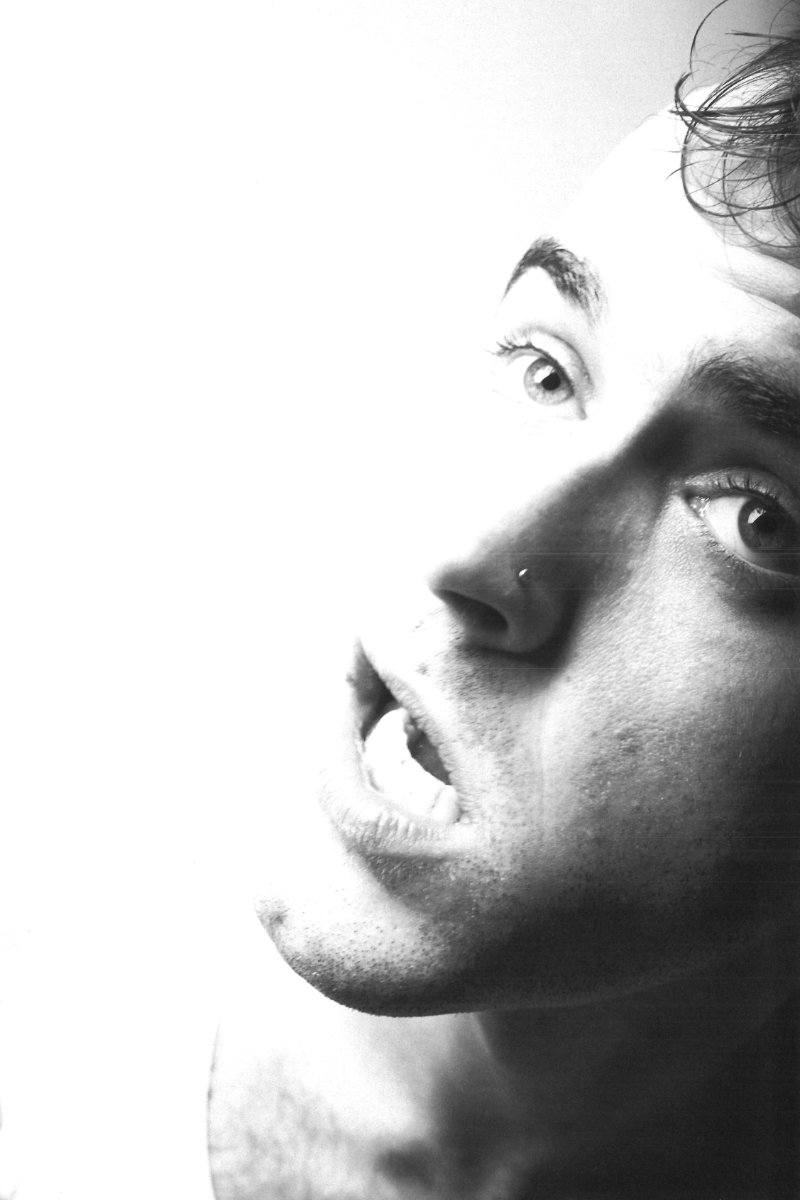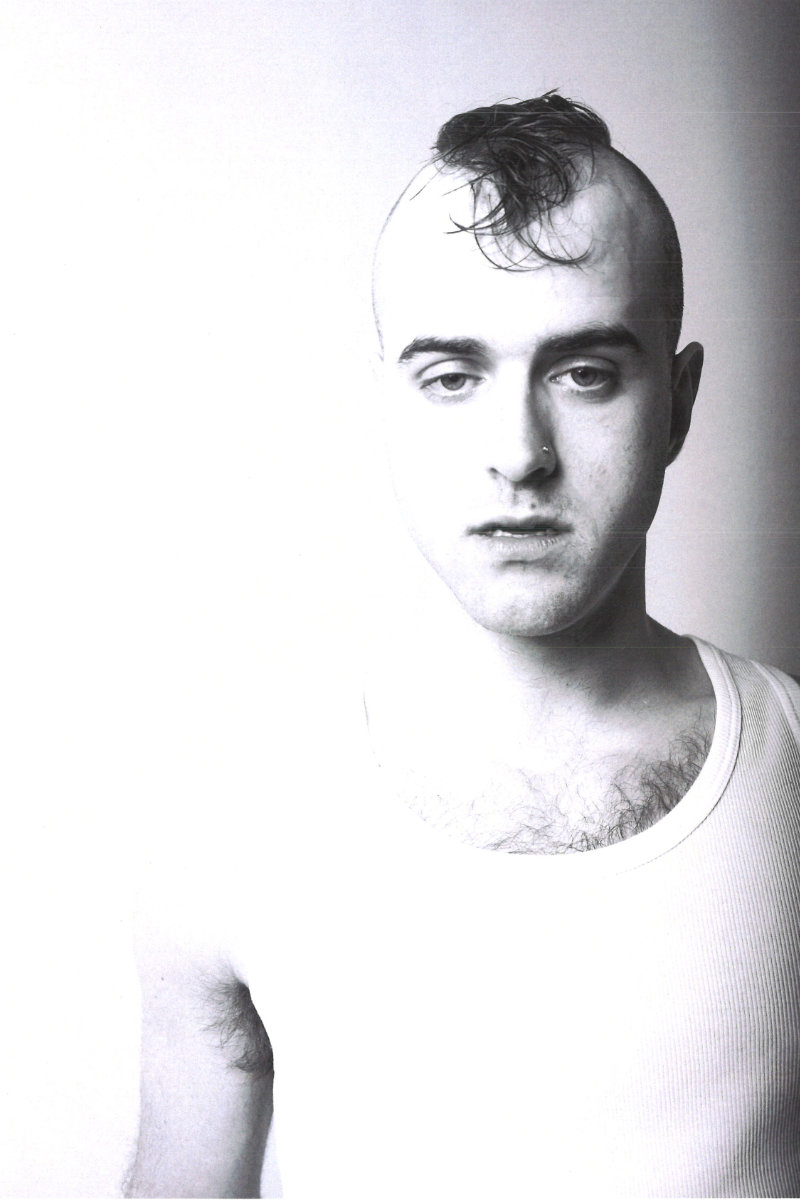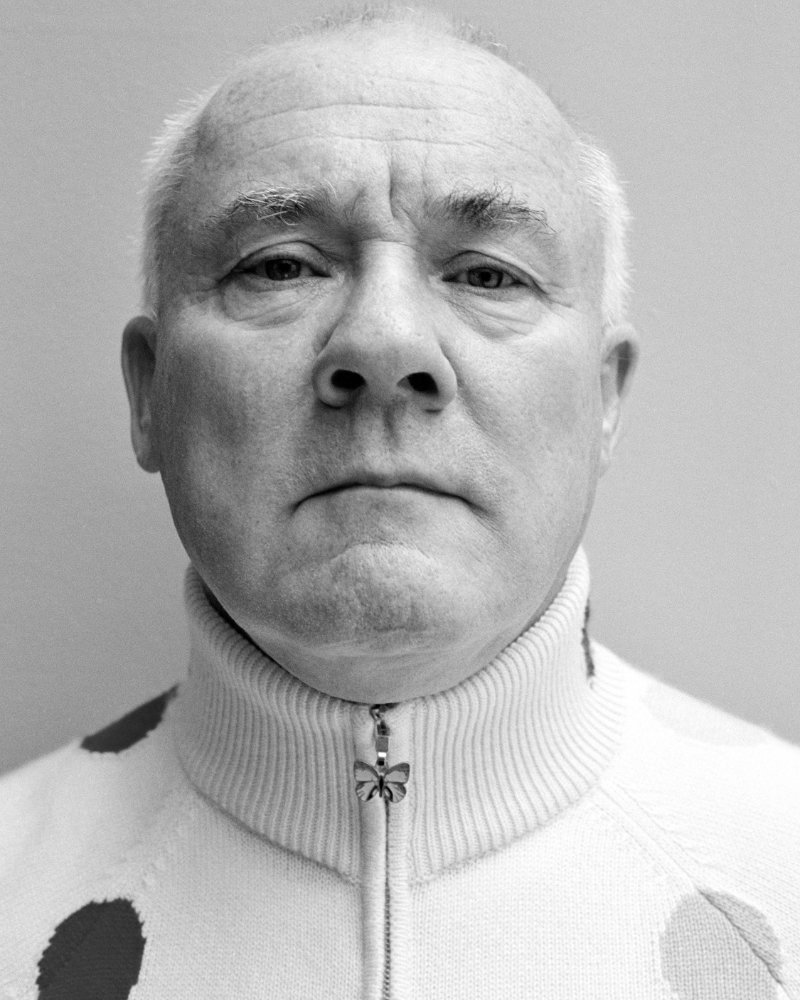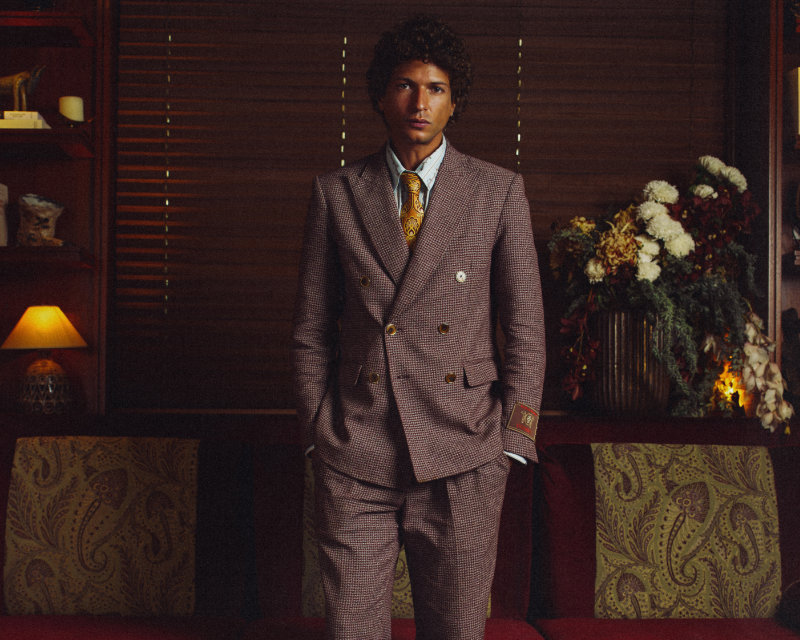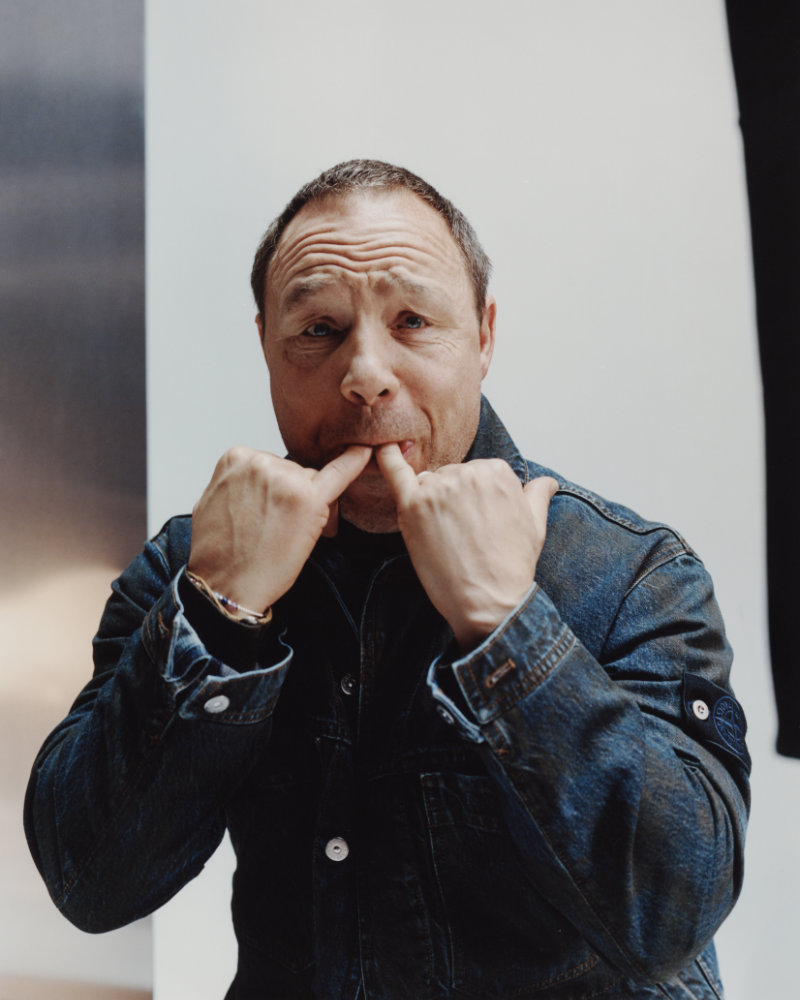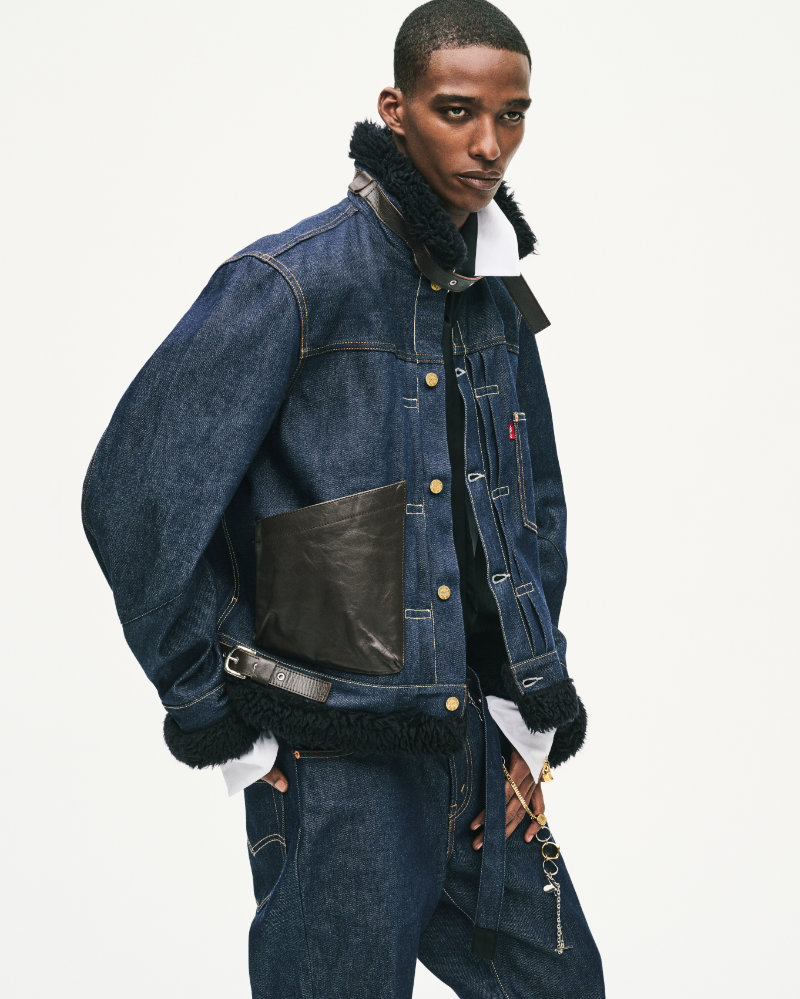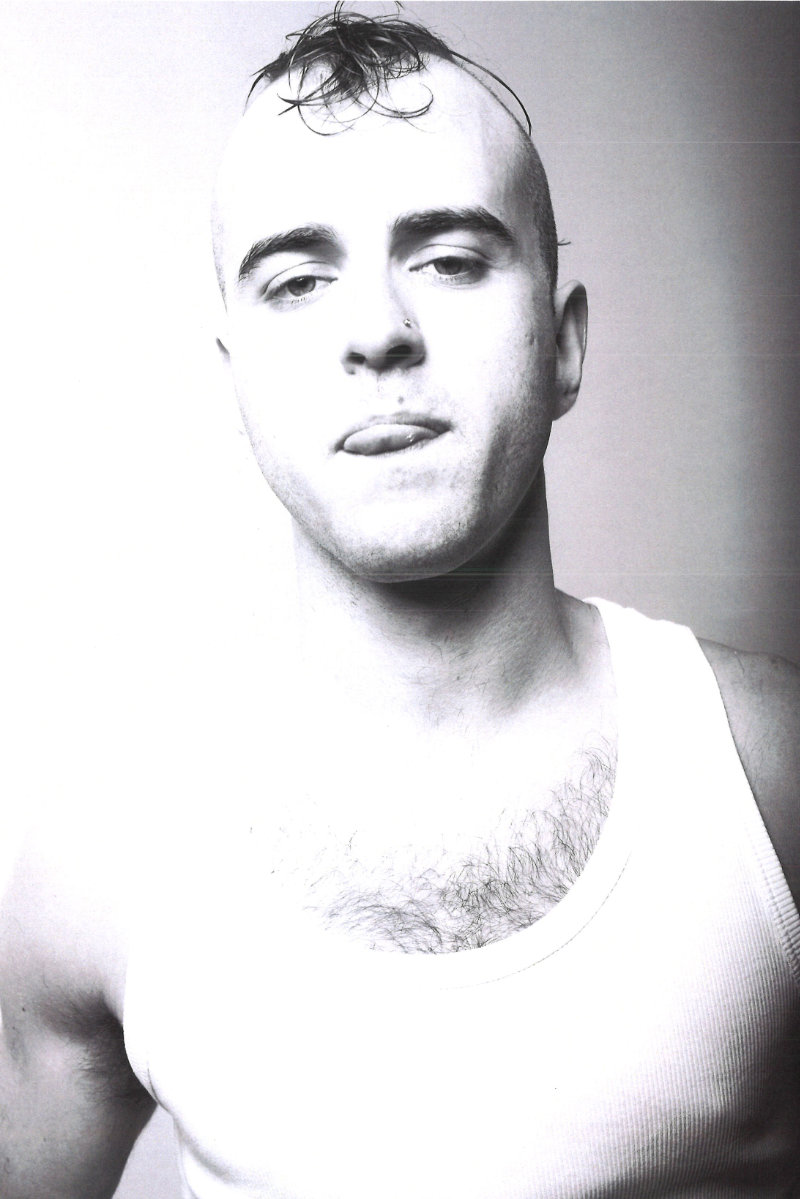
In this conversation, Spanish producer and artist Chico Blanco (the musical alias of Pablo) shares the lowdown on a summer of recovery, spontaneous trips, and fresh energy. Straight off a Greek gaycation and diving back into the laid-back chaos of Berlin, Pablo gets real about what actually makes a city work for him, from peaceful neighborhood Spätis and canal-side pizzas to skipping the brutal heat for daytime open-air parties.
Moving past his summer antics, Pablo breaks down the chaotic emotional rollercoaster behind his debut album, Amnesia. He walks us through its secret narrative arc: a bender that takes you from peak club euphoria to those blurry, existential apartment comedowns when the sun comes back up. He also addresses the question everyone keeps asking him: whether he’s ever moving back to Spain, while opening up about escaping the pressure of his own project. Expect a fun, candid chat about surviving nightlife, outgrowing genres, and figuring out what happens when you decide to just stop taking yourself so seriously and let the next chapter happen.
How are you? How’s everything going?
Good, very good. Just got back from vacation a little while ago, starting a new term, a new chapter with renewed energy.
What did you do on vacation this summer?
The main thing was traveling around Spain first; I spent a few days in Caños de Meca in Cádiz, and then the main proper vacation plan was going to Greece with some friends. It was the first time I’ve ever done that kind of trip (a gaycation) at 28 years old, and honestly, it was really sweet (cute). We spent a few days in Athens and a few days in Anafi, an island I loved. After that, I was back here in Berlin. I try to make the most of summer around here.
What exactly is a gaycation?
Well, a gaycation is simply going on vacation with your gay friends to a somewhat gay-oriented destination. It’s just a silly term I read on the internet, but that’s it: going on holiday with your gay friends to a gay spot.
How was the experience in Athens and the islands?
I really liked Athens, and Anafi is beautiful too. The Greek islands are stunning, with that whole cinematic white-and-blue aesthetic. The beaches themselves weren’t mind-blowing, but the island had a really cool vibe, a bit party-focused, but alternative. It was great.
When you visit a place you’ve never been to before, what do you care about the most?
The streets, the architecture, how wide the avenues are, and the density of people. How a city feels when you walk through it matters a lot to me; in the end, that is the city, the physical space itself. I like cities with wide streets where you can breathe and that aren’t overly crowded. Of course, nightlife and bars matter quite a bit too, as well as the music played in places, whether in clothing stores or bars, and the food quality in restaurants.
Any restaurant recommendations in Greece?
In Athens, I had an incredible meal at a place called Seychelles, like the islands. The food was amazing, high quality, and super reasonably priced.
People talk a lot about summer in Berlin. How would you describe yours?
This year we had really good weather. The great thing about Berlin is that the heat isn’t extreme: temperatures stay around 21 to 28 degrees Celsius (70–82°F), and there are only about five days all summer that cross into the 30s (90s°F). There are plenty of lakes to visit with friends if you like nature. I also like the public pools here much more than in Spain, where they feel a bit too noisy and hectic. People here are calmer and speak more quietly. Plus, there are lots of daytime open-air parties and a lively street culture.
Is public space experienced differently in Berlin compared to Spain?
Yes, the streets in Berlin leave more to the imagination. In Spain, I feel like public space has been taken away from us a bit: in places like Granada, there’s barely any music in the street, no stages set up, and you can’t drink outside. Here, the local corner stores or bazaars, called Späti, have little benches right outside. You buy a cold drink, some sunflower seeds, sit out in the breeze, and just hang out in a super casual way.
It’s the million-dollar question: do you see yourself living in Berlin long-term?
My mom asks me, my friends ask me, my managers ask me, and it comes up in every interview. I’ve been trying to figure it out for four years and still don’t have an answer. I don’t see myself living here at 40, but Berlin is deceptive: it’s much quieter than it seems. The streets are wide, empty, and lack the relentless stress of Madrid or Barcelona. Plus, the apartments are spacious with nice hardwood floors. If I think about moving back to Spain and sharing a rented flat with a roommate, for the same price I’d get half the square footage, lower quality, and double the street noise. People view Berlin through the cliché of Sodom and Gomorrah, the capital of techno and vice, but there are many different Berlins.
If there are many Berlins, what would your perfect day in the city look like?
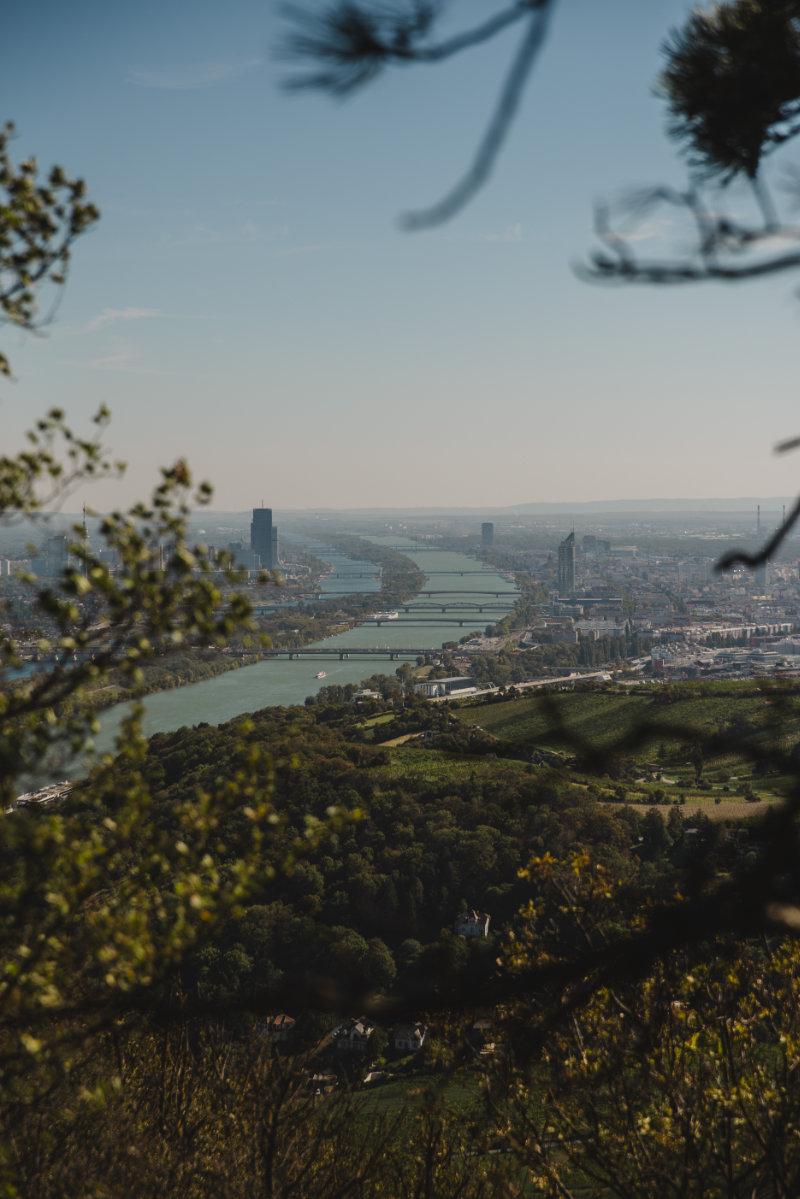
The alarm goes off early, I wake up to the sunshine, and I walk down from my place in Friedrichshain to Kreuzberg, taking in the atmosphere. I’d walk across the Oberbaumbrücke on Warschauer Straße; some people dislike it, but crossing that bridge over the Spree River is my moment of feeling truly connected to the city. I’d grab a quiet breakfast in Kreuzberg and head over to the Neukölln pool to relax under the trees. For lunch, something casual like a pizza by the canal.
In the afternoon, I’d head to Club der Visionaere for a Campari Spritz (Aperol is played out because it’s too sweet) and listen to music outside. It connects me with that older 2000s Berlin, minimal techno and quirky people dancing, which feels like the most authentic Berlin left, far from fast techno or fashion-obsessed scenes. For dinner, I’d go to Gocha, a Spanish tapas spot I love because in Berlin you either get cheap kebabs/Vietnamese or high-end dining. After dinner, I’d grab a couple of cocktails at Schmetterling and finish the night dancing at Panorama Bar. A complete day with a walk, good food, pool time, daytime partying, and a touch of clubbing.
Do you feel your music connects well with the Berlin scene?
Yes and no. The people whose work I respect know me, and I DJ at the parties I like, but the niche I connect with is smaller than I expected and tends to attract an older crowd. Young people here are currently into faster tracks or music mixed with urban genres, a direction I’ve been moving away from. Still, part of what I do definitely clicks here.
Is there a direct Berlin influence on your album?
Obviously, yes. I was influenced by the local wave of electronic music mixed with pop from a few years ago, as well as old-school house and 80s influences. However, this album is largely a fantasy built on my own past musical memories, most of which come from Spain. It also carries a bit of that minimal, subtle weirdness inspired by Berlin, even if it’s not immediately obvious.
If your album told a story, what would it be?
It tells the narrative of the different emotional stages you go through during an extended bender. It starts with initial euphoria and the urge to dance; moves into interludes that feel like early-morning taxi rides after the club toward an afterparty where anything is possible; enters a denser, more introspective phase of synths and chill-out pianos inside an apartment surrounded by strangers; and ends with tracks as the sun goes down again, missing someone when you realize what you’re doing and that touch of self-awareness hits.
On another level, it deals with fantasy and magical realism: exploring an unreal world, like imagining an idealized, non-existent Ibiza, and contrasting daily reality with the escape of nightlife.
What difference do you find between day partying and night partying?
I’m talking about day partying after getting a full night’s sleep: waking up on a Sunday at noon, having brunch, and going out to dance. I enjoy that more and more. Daytime partying lets you see people’s faces and connect in a cleaner, more genuine way, without all the darkness and heavy psychedelia. During the day, sober or relaxed people mix much better with those partying, creating a more human and sustainable environment. Wild nights are fun, but eventually, they push people to stop going out altogether.
Have you ever gone out partying alone?
Yes. I remember waking up one Sunday morning and going alone to Watergate to see Ricardo Villalobos at an intimate party. I spent four or five hours dancing, enjoying the music on my own with a couple of beers, and had an amazing time. If you have the social confidence to navigate a venue without clinging to a group of friends, going out alone can be a great experience.
Looking back with some perspective, are you satisfied with the album?
Yes, I love it and accept it with all its flaws and virtues. Finishing my first album lifted a huge weight off my shoulders. I feel like I’ve completed that chapter, and now I’m free to laugh at what I do and experiment.
Where are you creatively right now?
I’m just flowing with life. I want to step outside my usual boundaries and avoid making anything that sounds like what I’ve done over the last few years. Chico Blanco has been an amazing project, and Amnesia will always be there, but as Pablo, I feel I have so much more to express beyond the Chico Blanco label.
Are you planning to explore other disciplines outside of music?
Music remains my main foundation, but I want to try other creative outlets, like video work and art direction, which I’ve done before, simply for the joy of creating, without worrying about commercial success or reach.
Where are you drawing inspiration from lately?
Just living life and listening to music. Lately, I’ve been listening to a lot of music from labels like Kompakt. I’m trying to pull references from more modern sounds and different sources than I used to, reconnecting with the creative process from a fresh perspective.
Photos by @mmarinabalboa.